
By 1891, Paul Gauguin had very little left to lose in Paris.
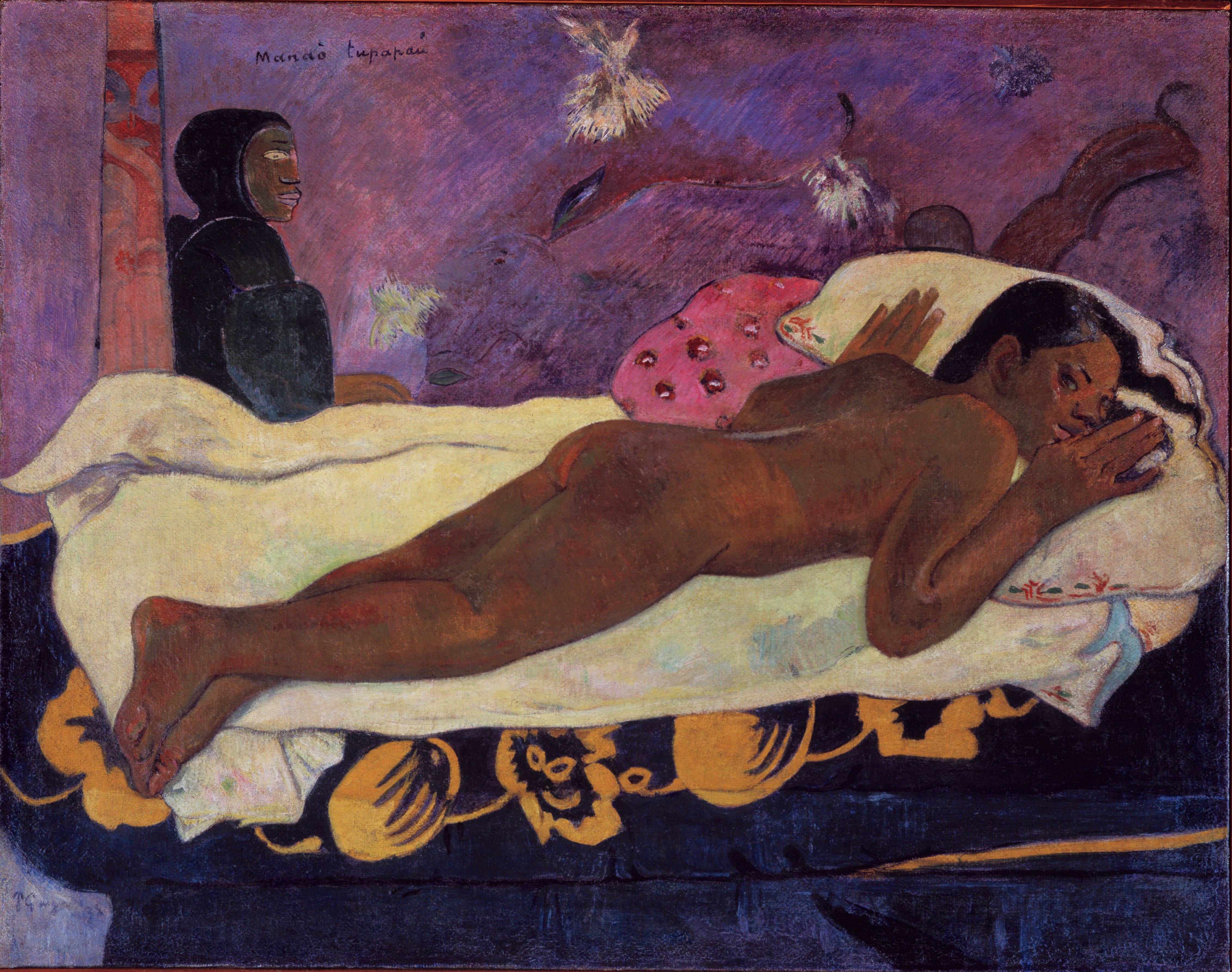
He was 43. His career as a stockbroker had collapsed with the Paris stock market crash of 1882. His wife Mette had taken their five children to Denmark, and he had effectively abandoned them.
He had lived in poverty in Brittany. He had spent nine weeks with Vincent van Gogh in Arles in 1888, a stay so disastrous it ended with Van Gogh's ear injury.
Then, at the 1889 Paris World's Fair, he saw something that gave his escape a destination.
So why did Gauguin go to Tahiti? Gauguin left for Tahiti in 1891 to escape financial ruin and a failed life in Paris, and to chase a fantasy of an untouched, primitive paradise, an idea fed by the exotic displays he had seen at the 1889 Paris World's Fair.
The fantasy was born at a fair
The 1889 World's Fair in Paris included an exhibition of a Javanese village, with live performers presented to fairgoers as an exotic spectacle.
Gauguin was fascinated. The display fed a conviction that had been growing in him for years: somewhere far from industrial Europe, there was a purer, simpler way of life, and he needed to paint it.
That the "village" was itself a staged colonial attraction, built in the middle of Paris, did not seem to trouble him.
How he paid for it
Gauguin had no money, so he turned his paintings into a travel fund. In February 1891, he auctioned 30 of them.
He also worked the system. He lobbied the French government for an official, unpaid "artistic mission" to Tahiti.
The title came with no salary, but it secured him free passage on a French ship. In June 1891, he arrived in Tahiti.
The paradise that was not there
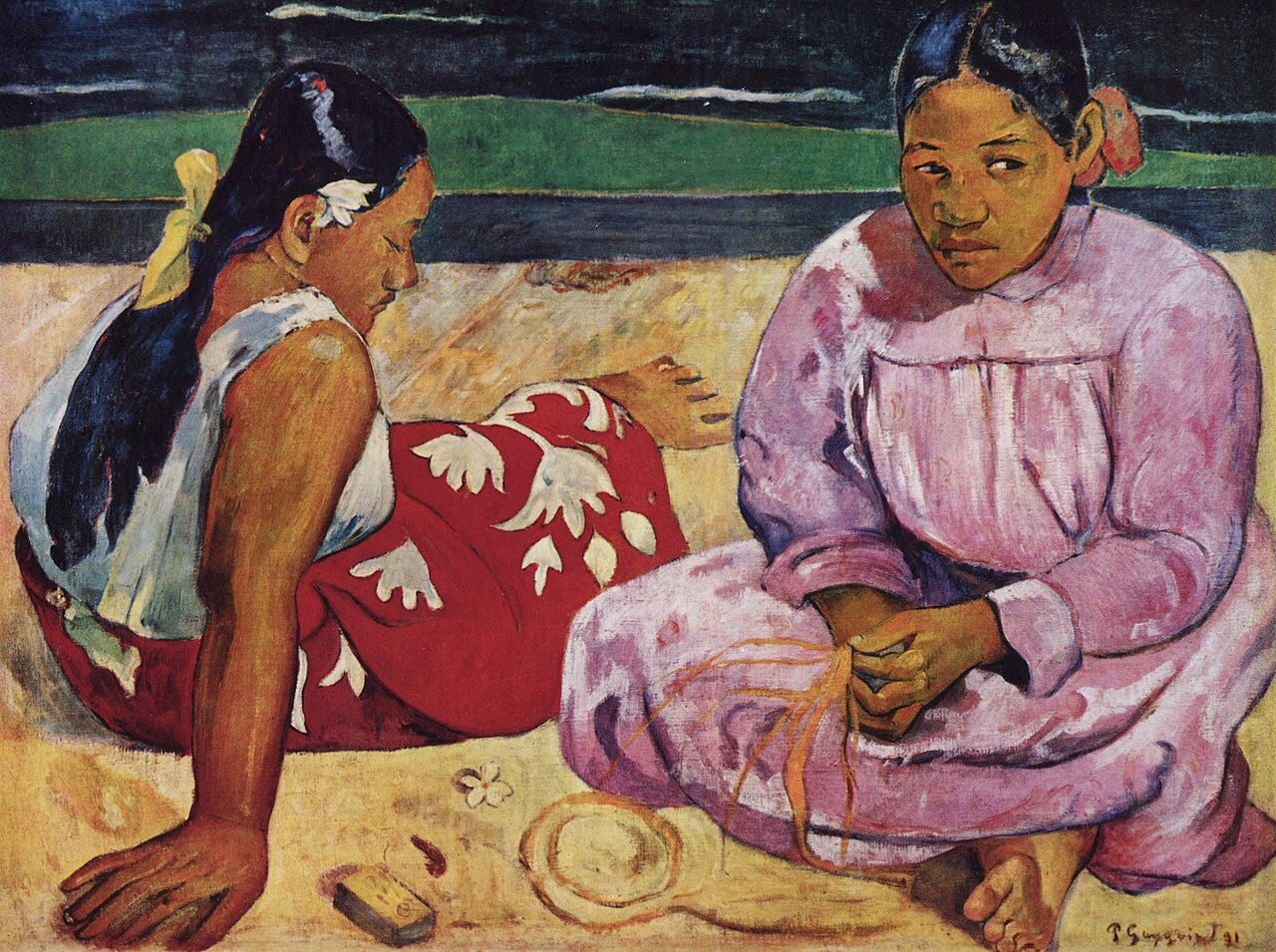
Papeete, the capital, crushed the fantasy on arrival. The town was already colonized and Europeanized, with a governor's residence, cafes, and a French administration running daily life.
Gauguin had crossed the world to escape Europe and found a small version of it waiting for him.
So he moved. Seeking what he considered a more authentic, unspoiled life, he settled in Mataiea, a rural district away from the capital.
Teha'amana
In Mataiea, Gauguin took a 13 year old Tahitian girl, Teha'amana, as a local "wife."
The arrangement was common among French colonists in Tahiti at the time. Such relationships with young Tahitian women were locally accepted within the colonial context, and thirteen was considered a marriageable age on the island then.
None of that context changes what the record shows. Whether Teha'amana was a fully willing participant is unknown and disputed, and no honest account can claim to settle it.
Teha'amana modeled for several of Gauguin's most famous Tahitian paintings. The trip that began as an escape from Paris produced its best known work through her.
There is a darker medical fact attached to these years. Gauguin contracted syphilis, and across his relationships he knowingly infected multiple partners with it.
What the trip actually was
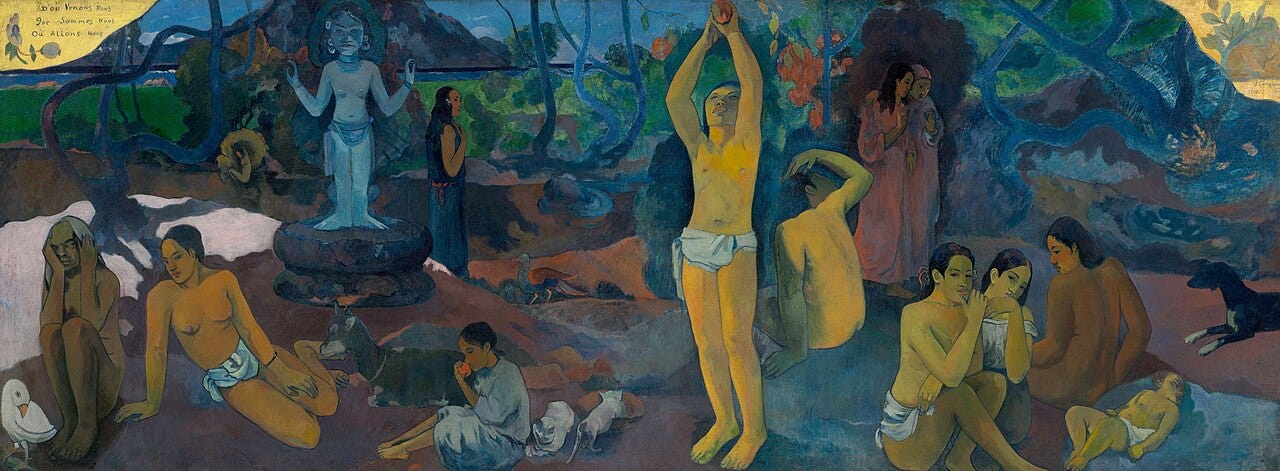
Strip away the myth and the 1891 voyage reads plainly. A ruined 43 year old with an abandoned family used an auction and a government favor to fund a one way escape.
He was chasing an image of paradise manufactured at a Paris fair. When the real island failed to match it, he moved inland and kept painting the fantasy anyway.
He never rebuilt a life in Europe. After a return to France, he left again, this time for the Marquesas Islands, where he died in 1903 at age 54.
FAQ
Why did Gauguin leave France for Tahiti? He was fleeing financial ruin, a collapsed stockbroker career, and a family he had abandoned, while chasing a fantasy of an untouched primitive paradise sparked by the exotic displays at the 1889 Paris World's Fair.
How did Gauguin afford the trip to Tahiti? He auctioned 30 of his paintings in February 1891, and he lobbied the French government for an official, unpaid "artistic mission" to Tahiti, which secured him free passage on a French ship.
When did Gauguin arrive in Tahiti? He arrived in June 1891, at age 43.
Was Tahiti the paradise Gauguin expected? No. He found Papeete already colonized and Europeanized, with a governor's residence, cafes, and French administration. Disappointed, he moved to the rural district of Mataiea in search of a more unspoiled life.
Who was Teha'amana? A 13 year old Tahitian girl Gauguin took as a local "wife" in Mataiea. She modeled for several of his most famous Tahitian paintings. Whether she was a fully willing participant is unknown and disputed.
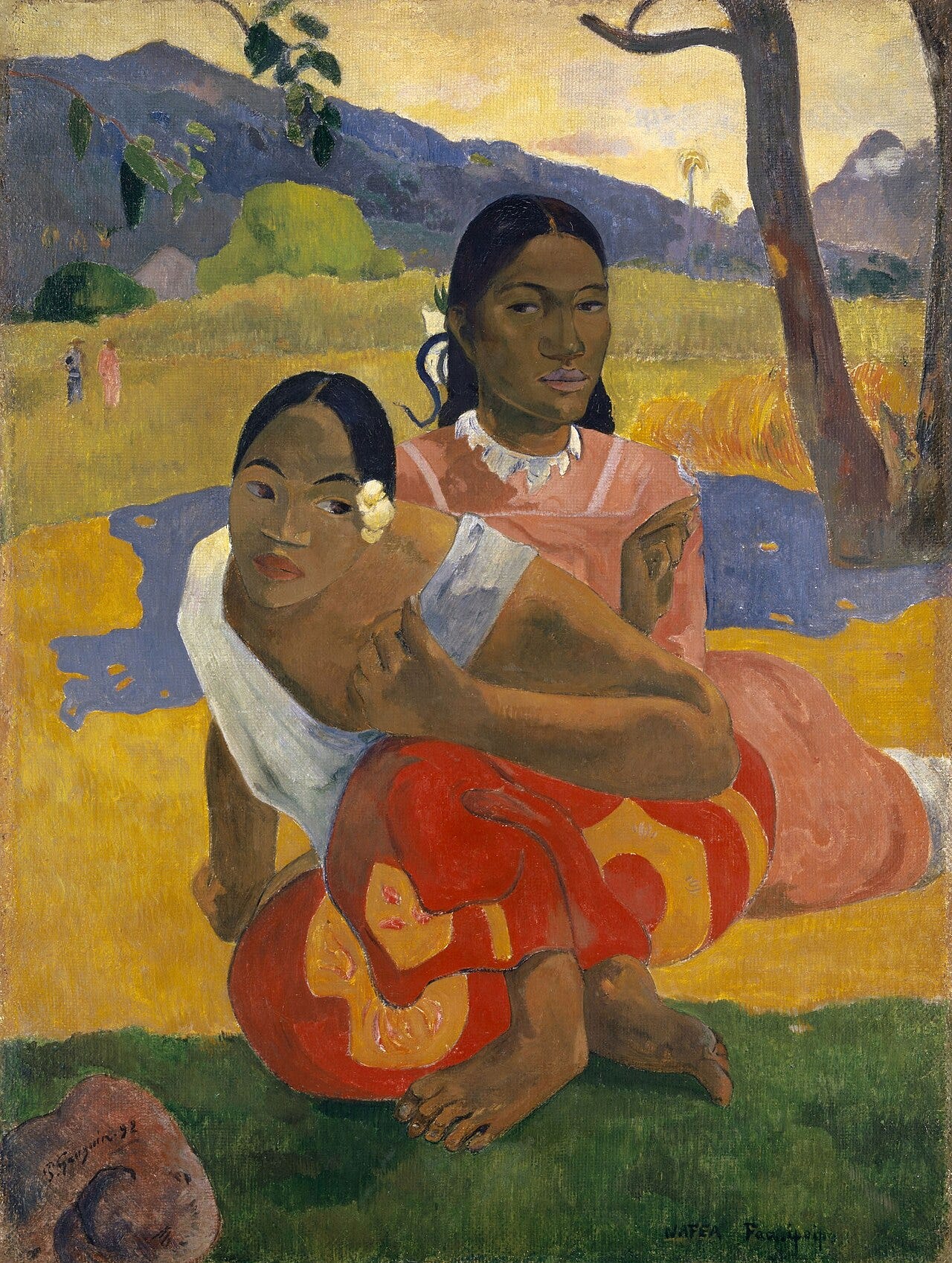
Teha'amana outlived Gauguin by fifteen years. After he left for the Marquesas, she stayed in Mataiea, married a Tahitian man, and had two more children. She died in 1918, in the same global flu pandemic that killed the Austrian painter Egon Schiele in Vienna that same year.