

170 000+ readers. Learn art the fun way.
This is a preview. Paid subscribers get the full story.
You’ll also get:
10 new stories every month
The full archive (130+ Art stories)
Your personal art guide. Comment, ask questions, DM me anytime
iPhone user? Subscribe at coolstoriesabout.art, not via the app. Apple adds 30% to the price.
1 | Anna Boberg (1864 to 1935)
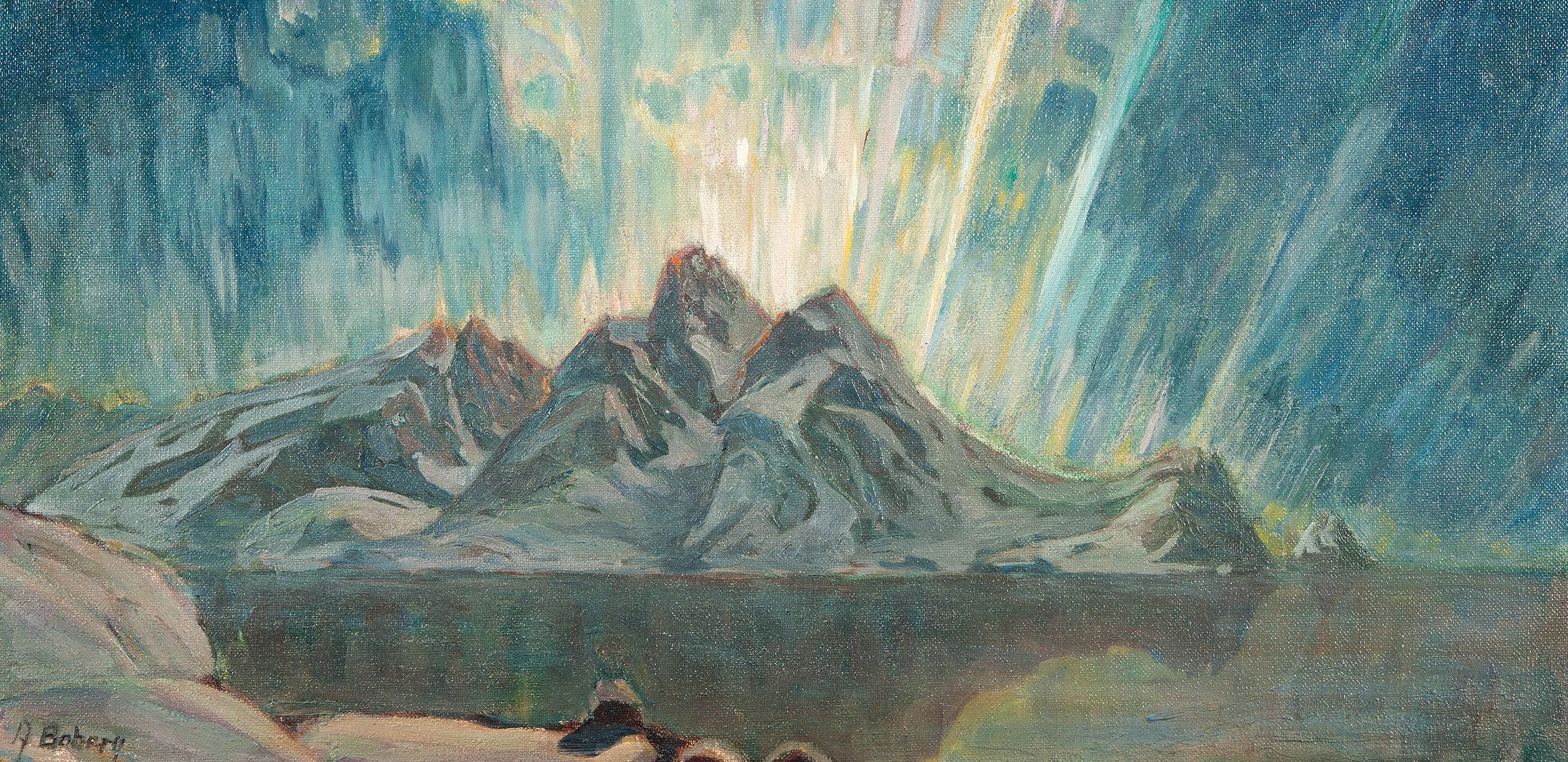
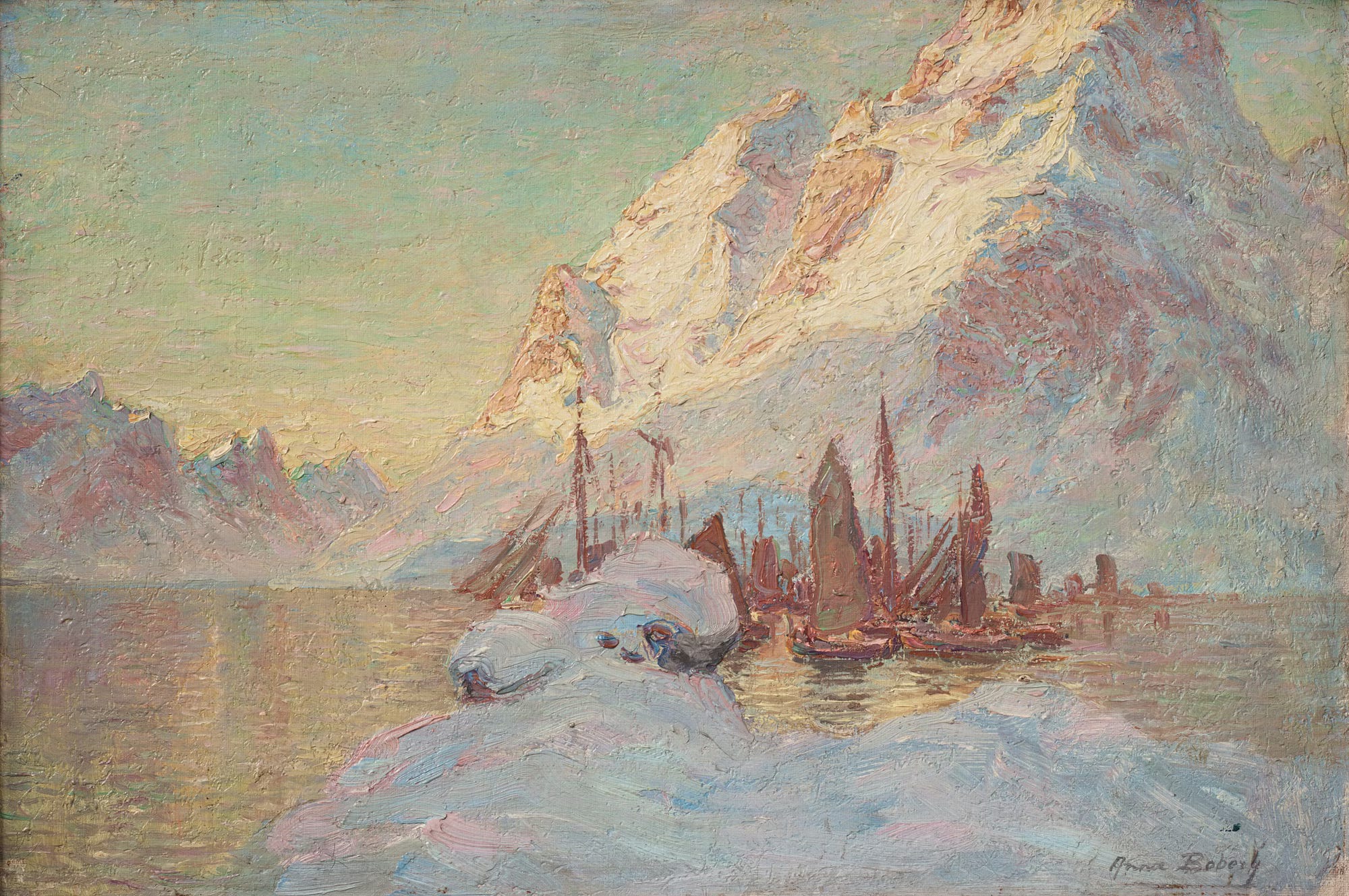
In the spring of 1901, Anna Boberg traveled north with her husband Ferdinand, the architect who designed half the public buildings of Sweden during the Belle Époque. They went up the Norwegian coast as far as the Lofoten Islands, the chain of cliffs where the Atlantic breaks at the edge of the Arctic Circle.
A week into the trip, Anna refused to go home.
She wrote later that she simply wanted to stay and “paint, paint, paint.” Ferdinand went back alone. He returned through Trondheim and mailed her brushes, oil paint, canvases.
She came back every summer for the next thirty three years. In 1904 Ferdinand drew her a small wooden house on Fyrön Island, right across from Svolvær. That would be her studio.
She painted the same coast in every season: northern lights in green and violet sweeps, herring boats lit by oil lamps in the polar night, icebergs you cannot tell apart from clouds.
A Paris exhibition in 1905 gave her a French audience. Sweden recognized her too, but she spent her whole life in Ferdinand’s shadow.
After her death in 1935 her canvases slipped into storage. Nationalmuseum installed her work as a permanent room in 2018. The Musée d’Orsay holds several of her oils.
2 | Per Adolfsen (born 1964)


At thirteen he would bike into the forest with a sketchbook and draw the trees.
His father wanted him to become a banker. Per Adolfsen worked in a bank for years.
Then in his thirties he left. He went through an abstract phase, then a surrealist phase, and then circled back to what he had done as a kid: trees in colored pencil, drawn from life.
Three years ago he gave up his studio for good. He works outdoors now. He walks into the Danish countryside with a pencil and paper, and draws the tree in front of him.
The build is patient. Each leaf and each shadow is laid down dot by dot, over thousands of small marks, until the eye reads the whole thing as a real tree. Cézanne is in there somewhere, with his geometry. So is Caspar David Friedrich, with his metaphysical silence.
He has had solo shows in Paris, New York and Shanghai in the past few years.
He lives in Odense, in the south of Denmark, where he was born.
Discover my new newsletter !

Keep learning art the fun way


3 | Konstantin Korovin (1861 to 1939)
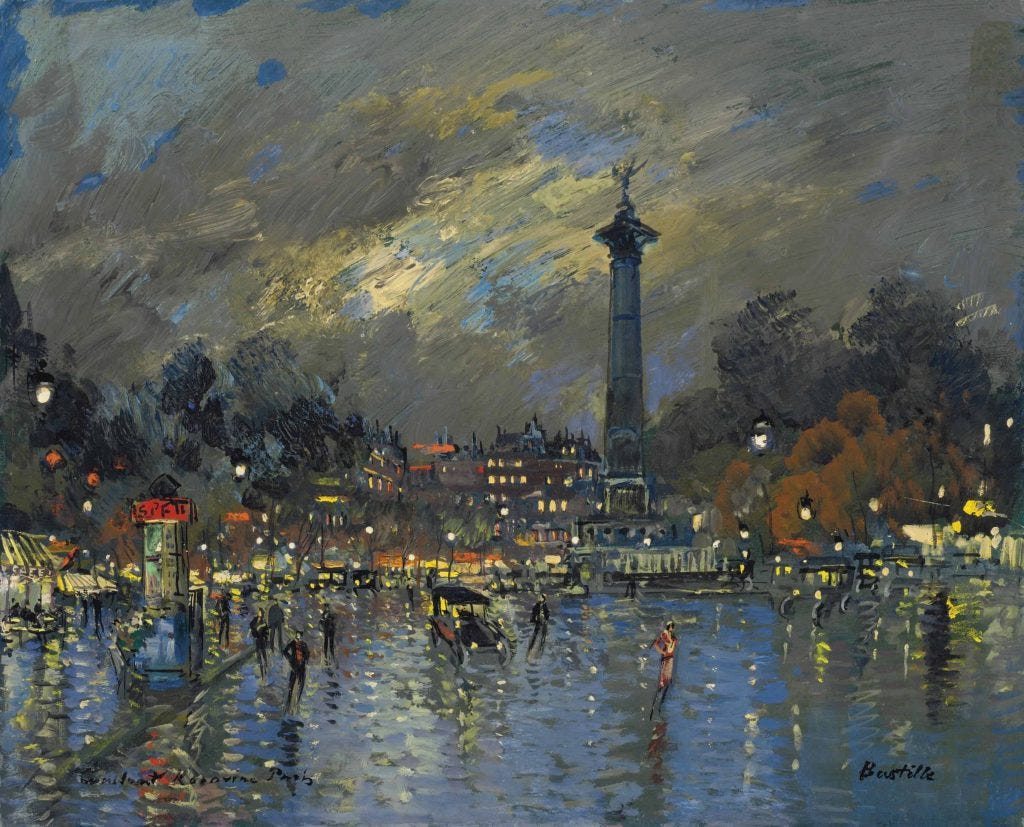
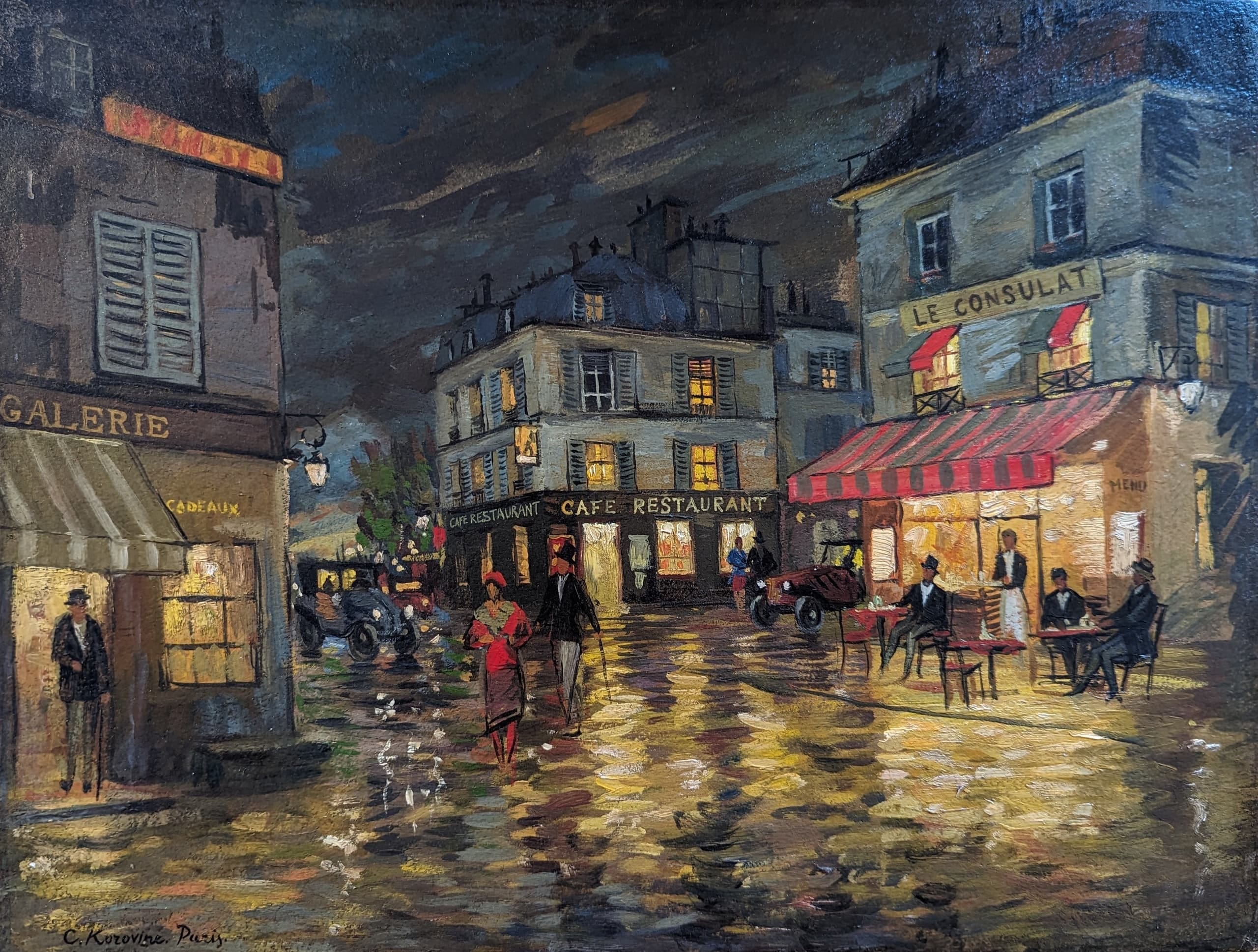
Between 1909 and 1914 in Paris, the painter everyone was talking about was not French. He was Russian, in his fifties, designing sets for Diaghilev's early Russian Seasons in Paris.
His name was Konstantin Korovin. He had been Russia’s first Impressionist, a friend of Anton Chekhov, the chief designer for Savva Mamontov’s Private Opera in Moscow. When Diaghilev decided to bring Russian ballet to Paris, Korovin was the obvious choice.
He painted Paris itself in oil at the same time. The boulevard at night, women in fur coats blurred by the rain, café terraces under awnings. The same loose brush as Renoir, but with the wet light of a northern city.
Then the Bolsheviks took power and Korovin’s world ended. He left Russia in 1923. Paris received him as an old curiosity, not as a master.
He died in Paris on 11 September 1939, days after the war broke out. He was 78, broke, and his funeral was paid for by a former student.
The Tretyakov Gallery in Moscow holds the largest collection of his Ballets Russes designs.
4 | Carel Fabritius (1622 to 1654)
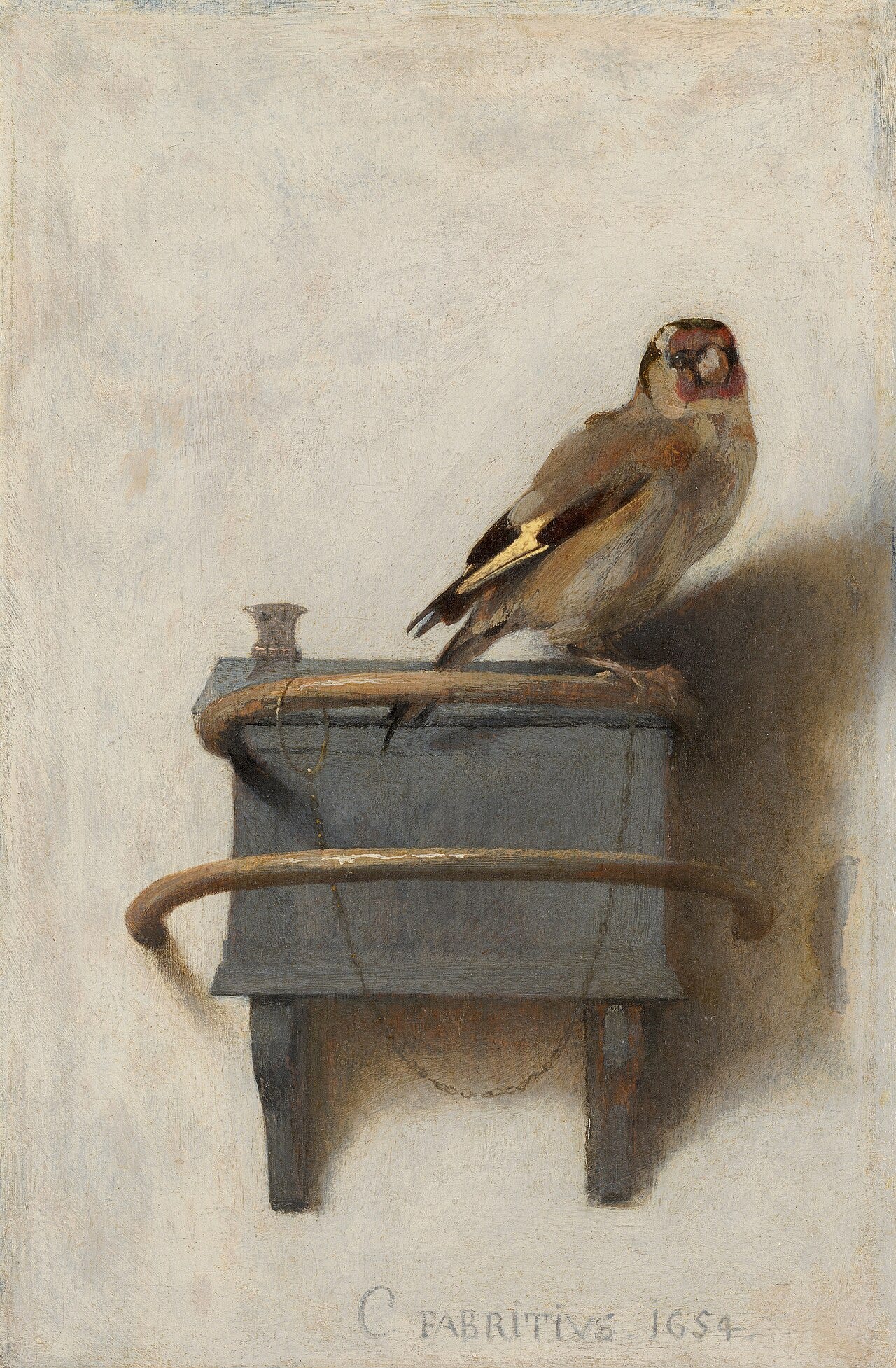
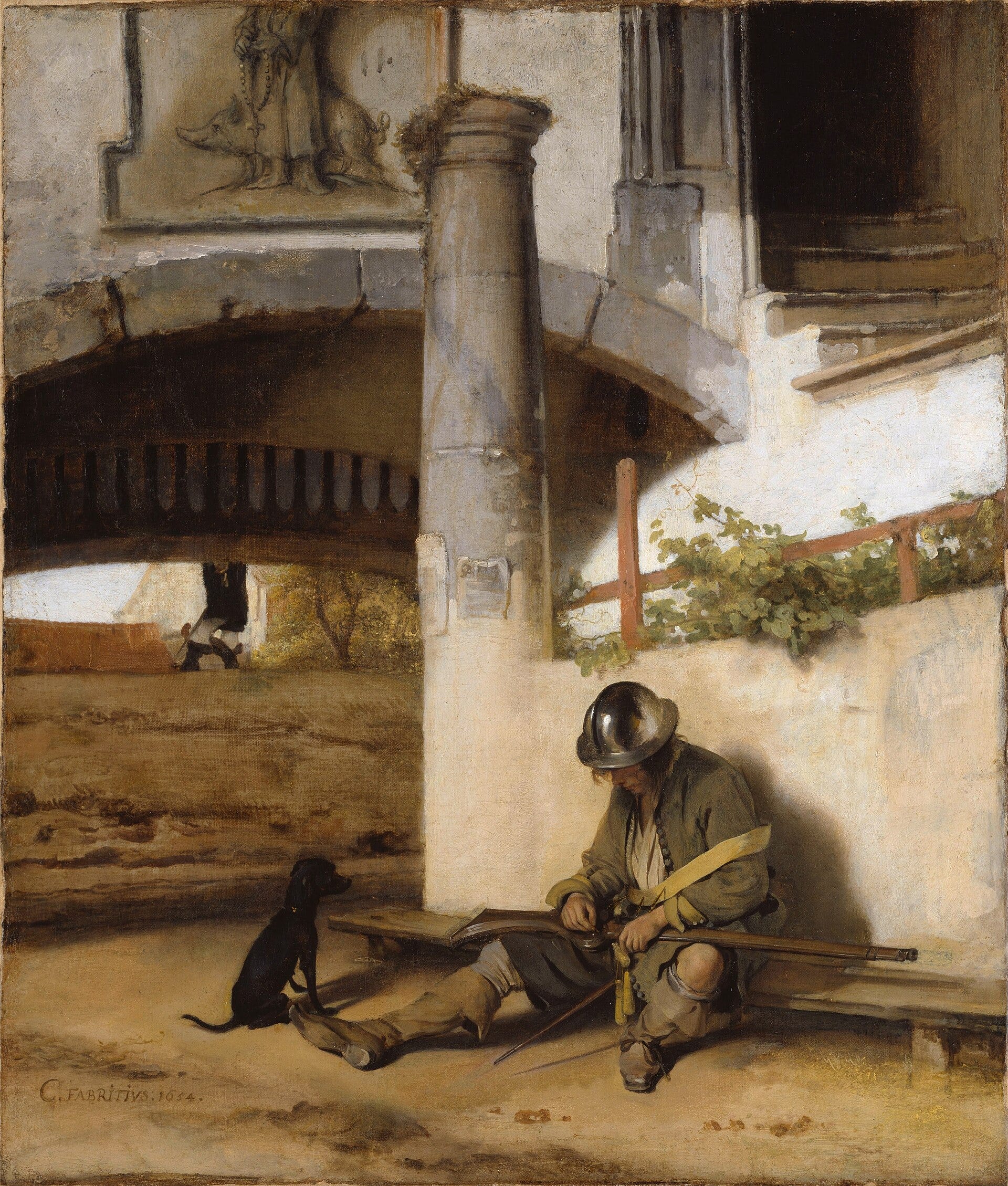
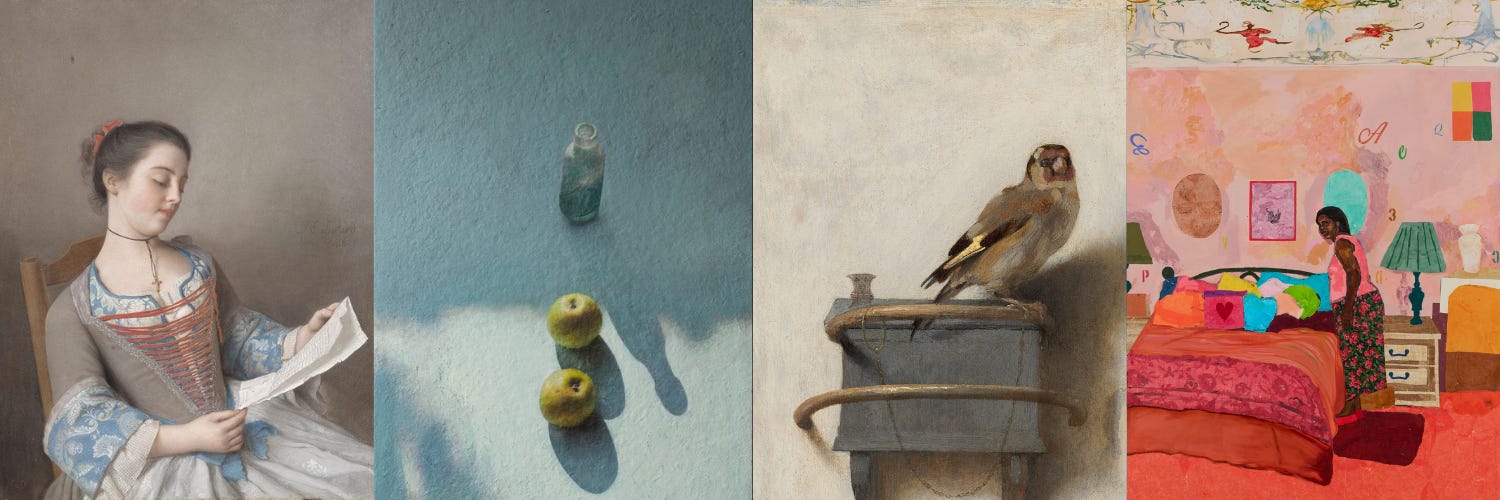
Carel Fabritius was Rembrandt’s most gifted student. He finished his apprenticeship in Amsterdam in the early 1640s, moved to Delft a few years later, and may have started teaching a young man named Johannes Vermeer.
In March 1654 he signed and dated a tiny wooden panel of a goldfinch chained to its feed box. He was 32 and probably the most promising painter of his generation.
Seven months later, on 12 October 1654, at half past ten in the morning, the gunpowder magazine on the edge of Delft exploded…