

170 000+ readers. Learn art the fun way.
This is a preview. Paid subscribers get the full story.
You’ll also get:
10 new stories every month
The full archive (130+ Art stories)
Your personal art guide. Comment, ask questions, DM me anytime
iPhone user? Subscribe at coolstoriesabout.art, not via the app. Apple adds 30% to the price.
My first book is out (in French only)

Paris, a winter morning, around 1895.
An apartment at the foot of Montmartre, the shutters still half closed, a smell of coffee.
A man of sixty sits alone at his table. In front of him, a newspaper he does not open.
His maid reads it to him. Zoé, who has been with him for years, unfolds the pages every morning and reads aloud while he drinks.
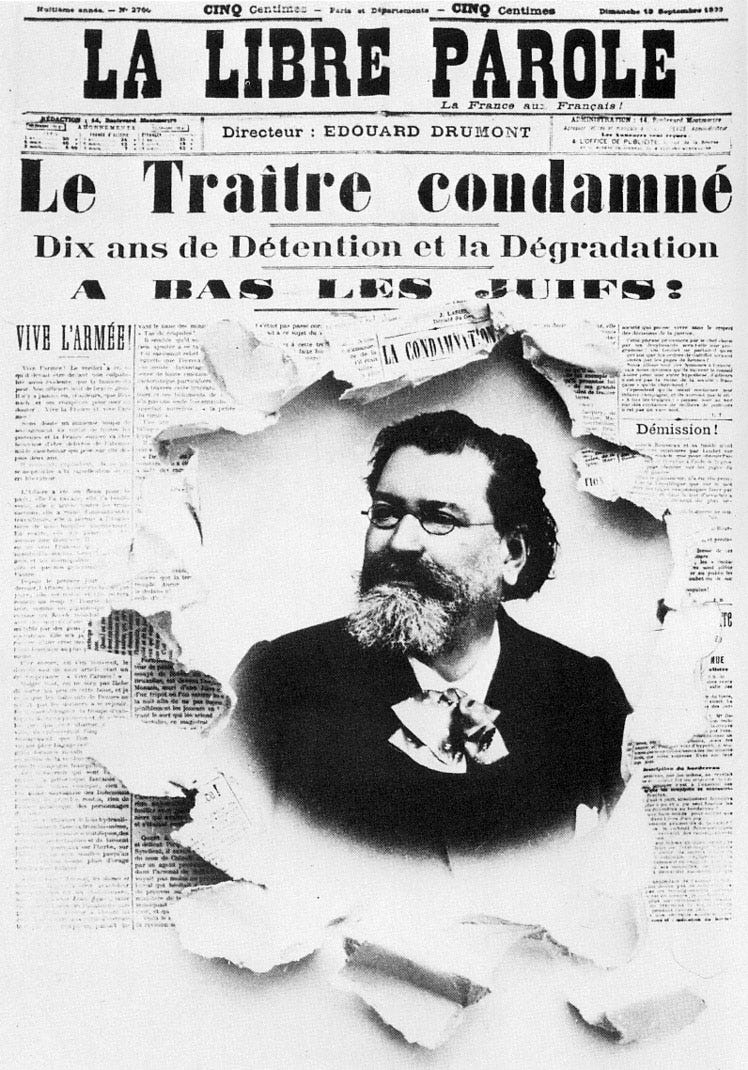
What she reads is not the theater column. It is La Libre Parole, Édouard Drumont's paper, the most antisemitic sheet in France.
On the front page, day after day, the same refrain. The Jew is eating away at the nation. The Jew is the enemy.
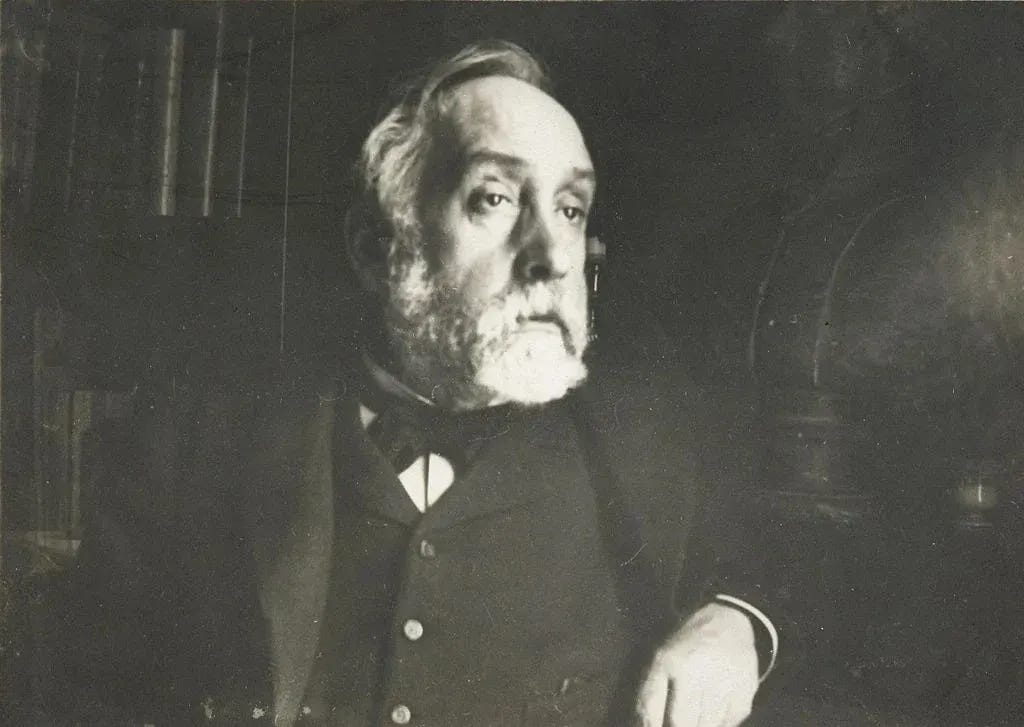
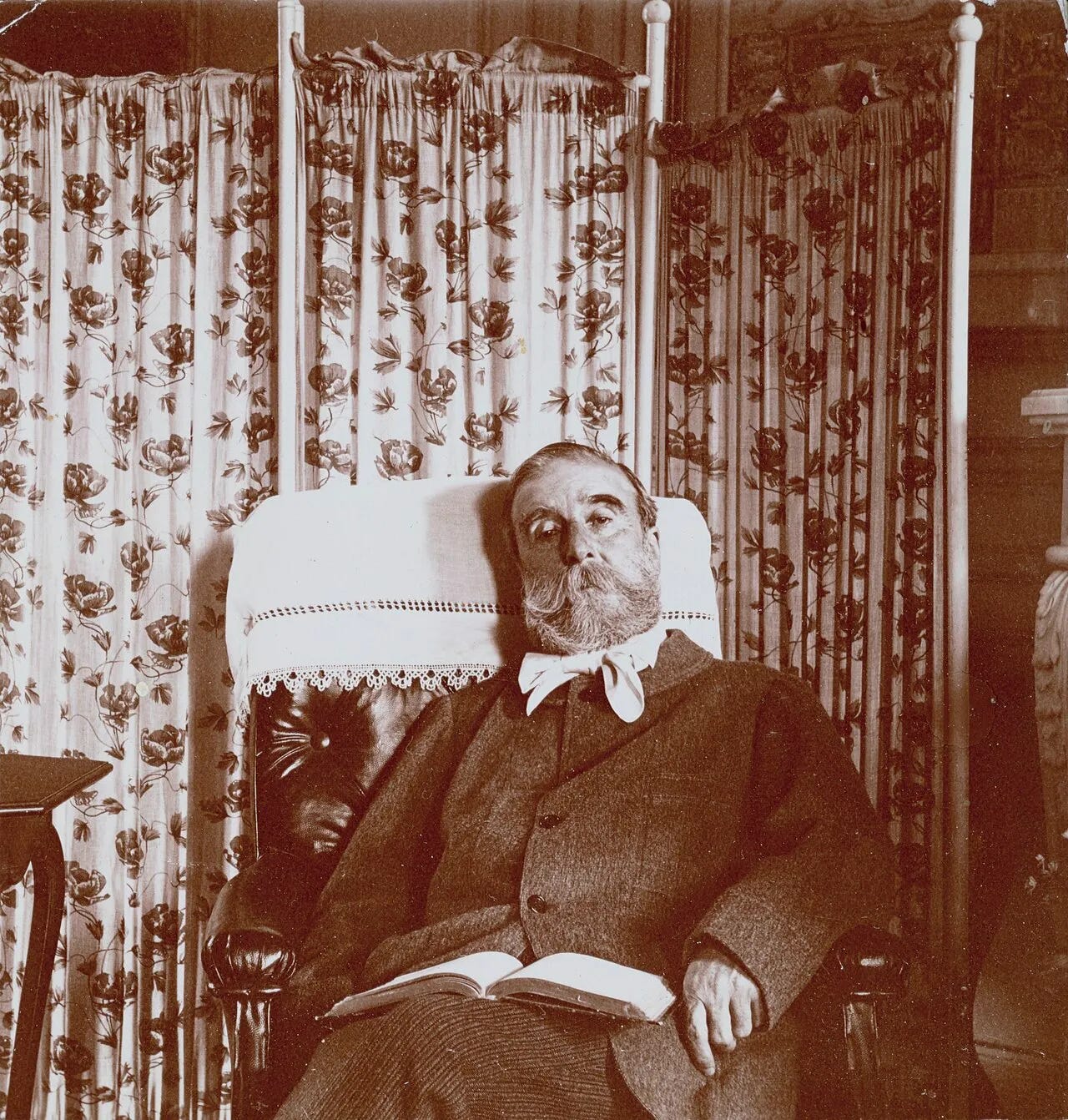
His name is Edgar Degas. He is one of the greatest living painters. He is also a man almost alone, an old bachelor with no wife and no children, admired from a distance and approached by few.
Outside of painting, he has almost no one. A family, which is not his own. And two friends.
Within five years, what he listens to every morning will cost him all three.
A Family That Was Not His Own
That borrowed home is the Halévys.
Ludovic Halévy and he had known each other as boys, at the same school. As grown men, they never drifted apart.
Ludovic is one of the great names of the Paris theater. With his partner Henri Meilhac, he wrote the libretto of Carmen and most of the operettas that made the Paris of his day laugh.
A house at 22 rue de Douai, a salon that all of Paris society passed through, and a chair that, for forty years, has been Degas's.
He comes every Thursday for dinner, and two or three more times during the week. For a solitary man, it is the closest thing he has to a home. In that house, he is not treated as a guest. He is one of their own.
Some evenings, after the meal, he takes out a camera and turns the drawing room into a studio.
He puts out the lamps, keeps only one, arranges everyone like figures in a painting, then demands that no one move. He holds the pose for a minute, two minutes, in a half light no one dares to break.
Ludovic, his wife, their children, the guests of the evening, all of them still under the lamp while he counts the seconds under his breath.
Young Daniel, Ludovic's son, grew up with this stern old man who ruled over the dinners, and he worshipped him.
The Halévys were Jewish. And not by some distant accident of birth. They were one of the great Jewish families of French culture.
Ludovic's uncle, Fromental Halévy, had composed La Juive, The Jewess, the opera that all of Europe applauded in its theaters. For forty years, Degas had dined at the table of the heirs of the man who wrote La Juive.
It had never once given him pause.
Until 1894.
Discover my new newsletter !

France Splits in Two
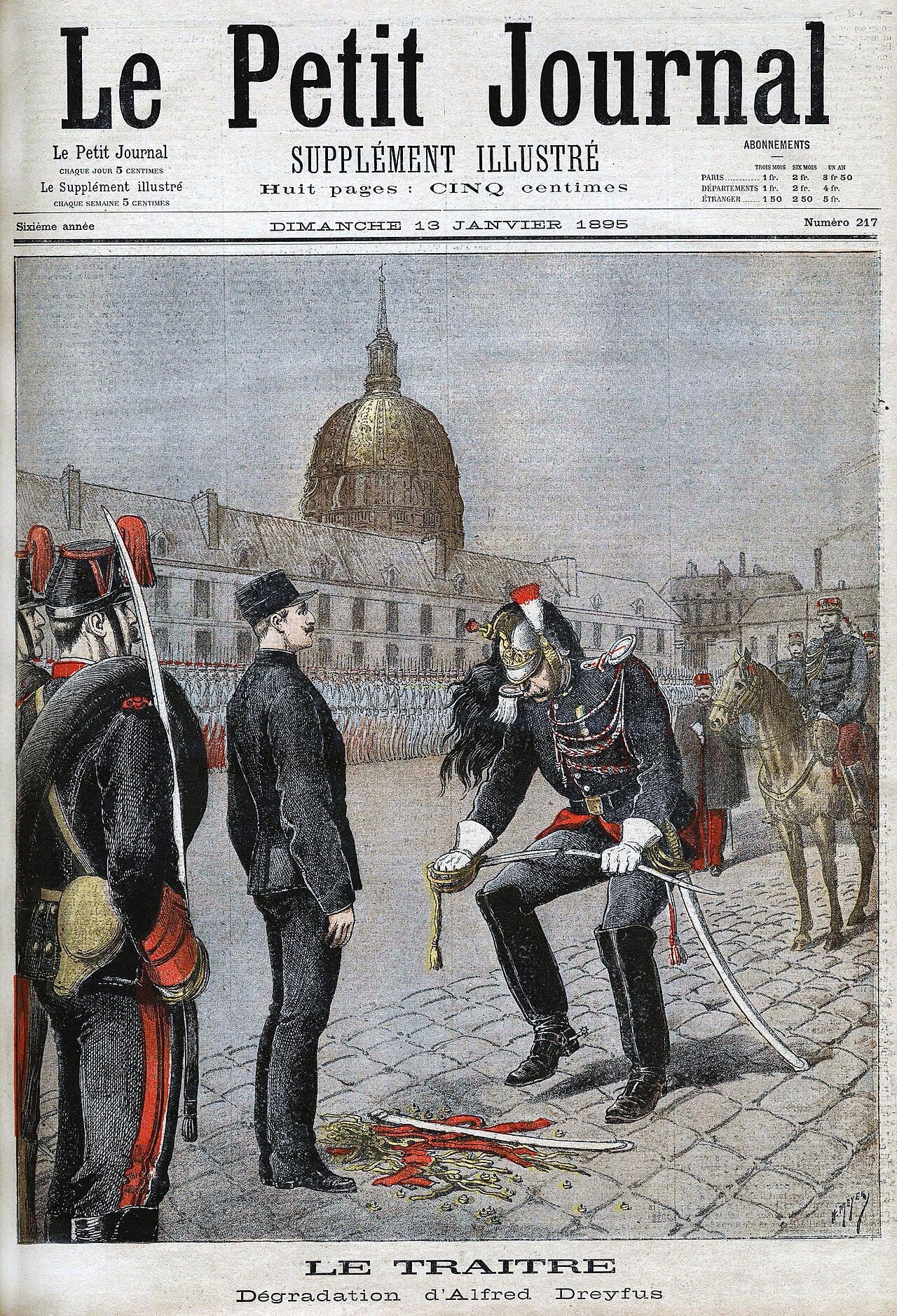
On January 5, 1895, in the great courtyard of the École Militaire, a captain is led out before the assembled troops.
An officer steps forward, tears off his stripes one by one, rips the buttons from his tunic, breaks his sword in two. The man stands at attention and shouts that they are degrading an innocent man.
Beyond the railings, a crowd shouts back: death to the Jews.
This staff officer, a Jewish Alsatian named Alfred Dreyfus, has just been convicted of selling secrets to Germany. He is sent to end his days in a cell on Devil's Island, a rock off the coast of French Guiana.
Was he convicted on evidence, or because he was a Jew?
For years, France will have room for no other question. People tear into each other over it in drawing rooms, come to blows over it in the street, brothers stop speaking, friendships of thirty years fall apart overnight.
And everywhere a hatred of Jews rises again, louder than it had been in a long time. The paper Zoé reads to Degas each morning has never sold so well.
Degas picks his side on the first day, and he will never move from it. To him, the army is right, the captain is guilty, and to doubt that guilt is already to betray.
One day, in his studio, a young woman is posing for him. The talk turns to the affair, and she lets slip that she is not sure Dreyfus is guilty.
Degas begins to scream. He shouts that she is Jewish, that she must be Jewish, and he throws her out before she has even finished dressing.
He would learn later that the model was Protestant.
Keep learning art the fun way


The Last Thursday
There was still one place where his chair had not moved.
At the Halévys', they were on Dreyfus's side, they believed him innocent, and yet they went on setting Degas's place every Thursday, avoiding the subject, for as long as it could be borne.
On Thursday, November 25, 1897, the table is set as always, and his chair is waiting for him.
He sits down. He says almost nothing for the whole meal. Lips pressed shut, his eyes fixed on the ceiling, he seems to drift out of the room where he has dined a thousand times, while the conversation wears itself out working around what divides them.
At the end of dinner, Degas stands, takes his coat, and goes down the stairs of 22 rue de Douai.
He will never climb them again. In a single meal, without a word, he has just lost the only family he ever had.
He has two friends left to drive away…