
Raphael died on his own birthday.
April 6, 1520. He turned 37 that day, in Rome, at the height of his fame. It was also Good Friday.
Here is the short answer. Raphael died on April 6, 1520, in Rome, at age 37, after a sudden fever lasting about two weeks. The famous explanation, too much passion followed by botched bloodletting, comes from Vasari and is considered legend. Modern historians suspect malaria or a respiratory infection.
Now the longer story, because the legend around this death is one of the strangest in art history.
The famous story, and where it comes from
The traditional account comes from Giorgio Vasari's "Lives of the Artists," written decades after Raphael's death.
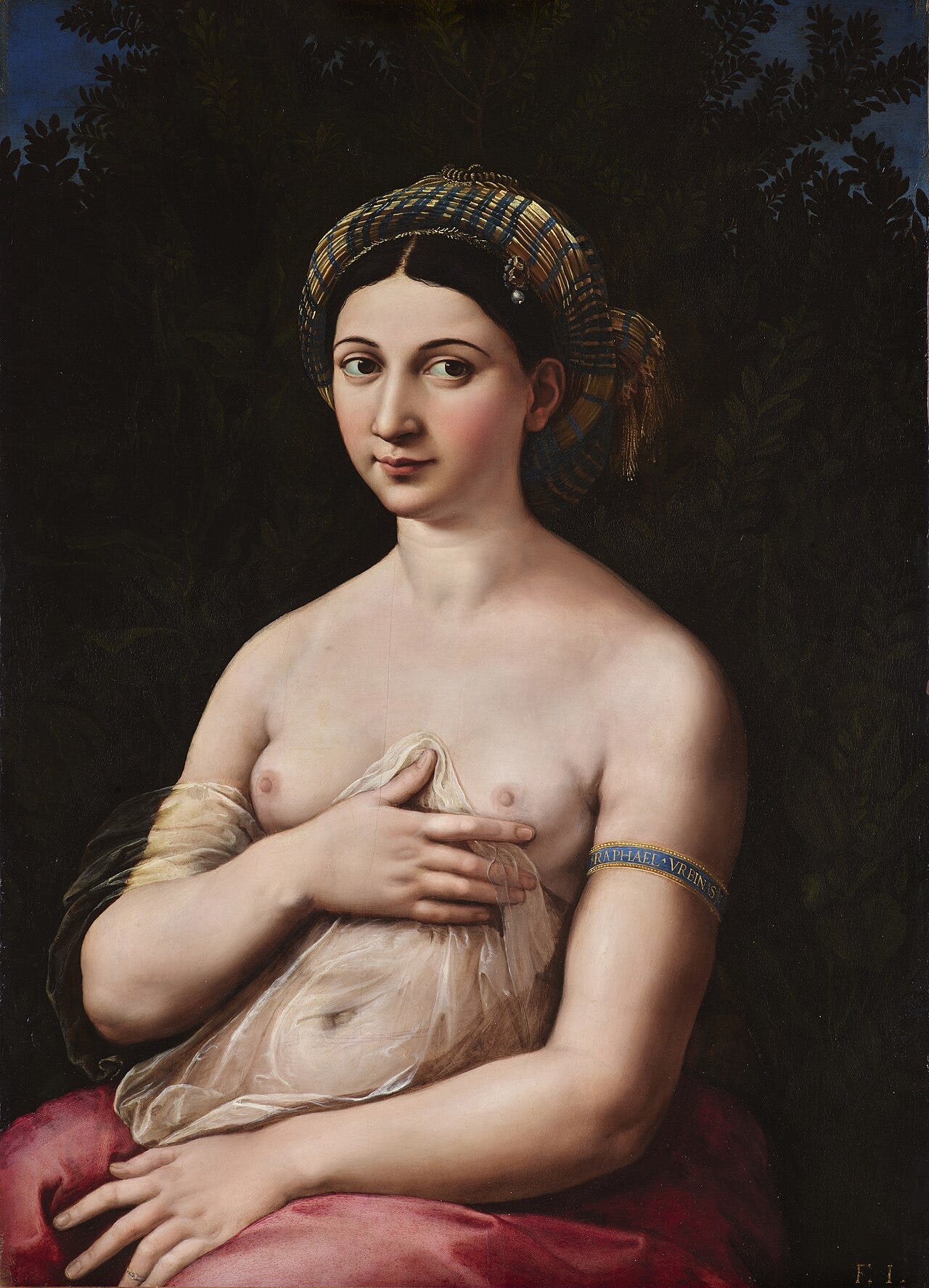
According to Vasari, Raphael spent a night of passion with his mistress, Margherita Luti, known as "La Fornarina," the baker's daughter. Afterward he developed a fever.
Vasari claims Raphael did not honestly explain to his doctors what he had been doing. Working from bad information, the doctors misdiagnosed him and prescribed bloodletting.
In Vasari's telling, the treatment made everything worse. The doctors drained a sick man who needed his strength, and the fever won.
Why historians do not buy it
The problem is the source. Vasari wrote long after the events, and his biographies are known to mix documented fact with legend and gossip. Some of his stories check out. Many do not.
There is little independent contemporary documentation to confirm the bedroom story. It reads like the kind of moral tale Vasari loved, a genius undone by his appetites.
So what actually killed Raphael? Modern historians have proposed alternatives such as malaria, common in Rome at the time, or a respiratory infection.
The honest answer is that no cause is definitively proven. A sudden fever, roughly two weeks of illness, death at 37. That is what we can say with confidence.
The bloodletting detail is plausible on its own, since it was standard treatment in 1520. But as a cause of death, it remains part of Vasari's narrative, not an established fact.
The unfinished painting above his body
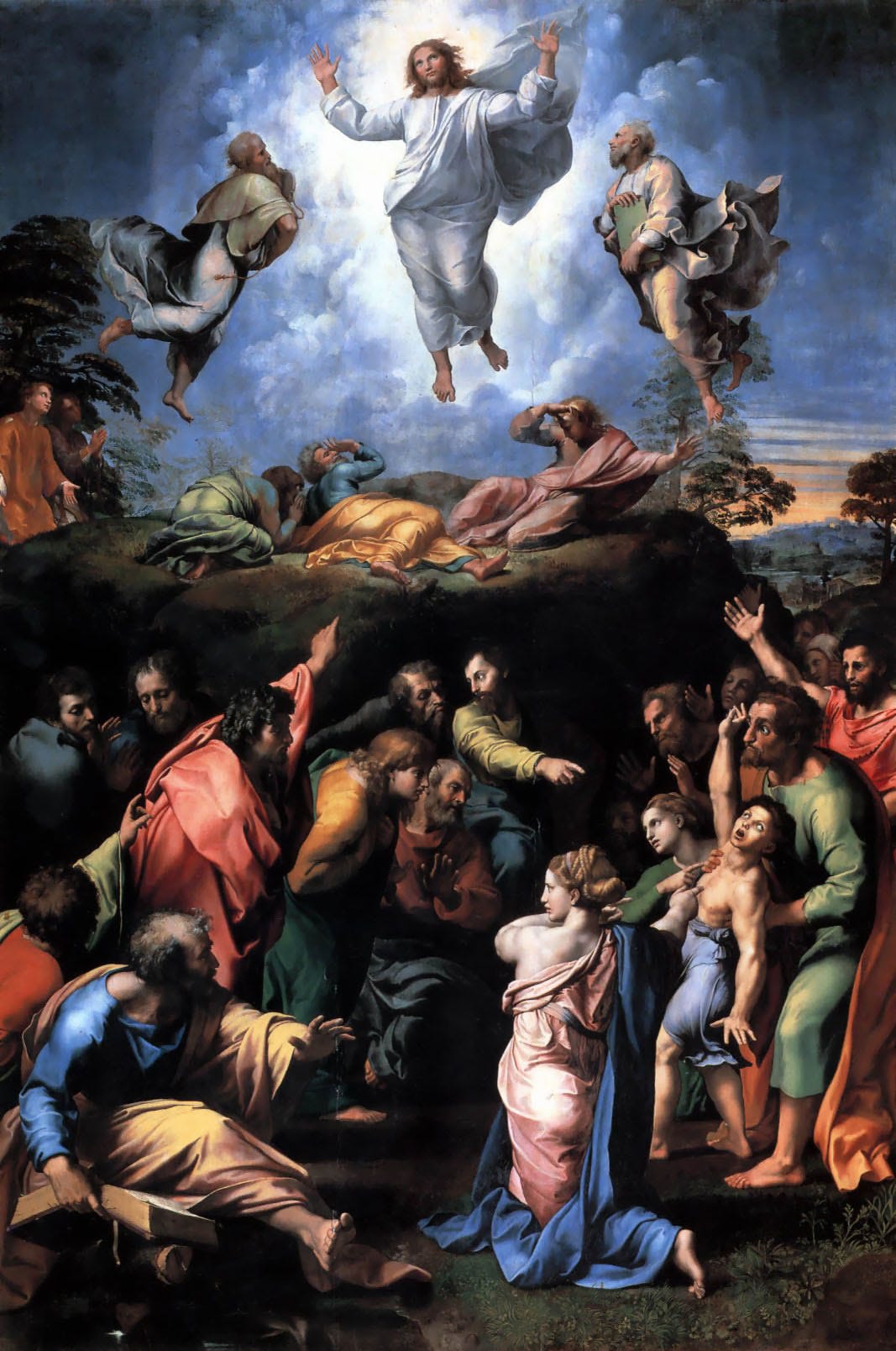
When Raphael died, he had been working on "The Transfiguration," a large altarpiece. He left it unfinished.
During his funeral, the painting was placed above his body. Mourners filed past the dead artist lying beneath his last work.
Pope Leo X was reportedly devastated by the news and organized a state funeral for him. Raphael was not just a painter to the papal court. He was its star.
A tomb in the Pantheon
Raphael was buried in the Pantheon in Rome. For a painter, this was an extraordinarily rare honor.
According to tradition, the choice was his own. Raphael had reportedly requested the Pantheon as his resting place before his death.
His epitaph was composed by Cardinal Pietro Bembo. In English translation it reads: "Here lies Raphael, by whom Nature feared to be conquered while he lived, and when he died, feared herself to die."
FAQ
When did Raphael die? On April 6, 1520, in Rome. It was his 37th birthday, and that year April 6 also fell on Good Friday.
What caused Raphael's death? No cause is definitively proven. He died after a sudden fever. Vasari blamed a night of passion and fatal bloodletting, but modern historians treat that as legend and suggest malaria or a respiratory infection instead.
Who was La Fornarina? Margherita Luti, a baker's daughter identified by tradition as Raphael's mistress. She appears in the Vasari account of his death, which is why her name is tied to the story.
Was Raphael's last painting finished? No. "The Transfiguration" was left unfinished at his death, and it was placed above his body during his funeral.
Where is Raphael buried? In the Pantheon in Rome, beneath an epitaph by Cardinal Pietro Bembo saying that Nature feared being conquered by him while he lived.
One detail outlasts every version of the story. Raphael chose his own resting place before he died, the Pantheon in Rome, and his tomb still sits there today beneath Bembo's epitaph declaring that nature herself feared being outdone by him.