

170 000+ readers. Learn art the fun way.
This is a preview. Paid subscribers get the full story.
You'll also get:
10 new stories every month
The full archive (130+ Art stories)
Your personal art guide. Comment, ask questions, DM me anytime
iPhone user? Subscribe at coolstoriesabout.art, not via the app. Apple adds 30% to the price.
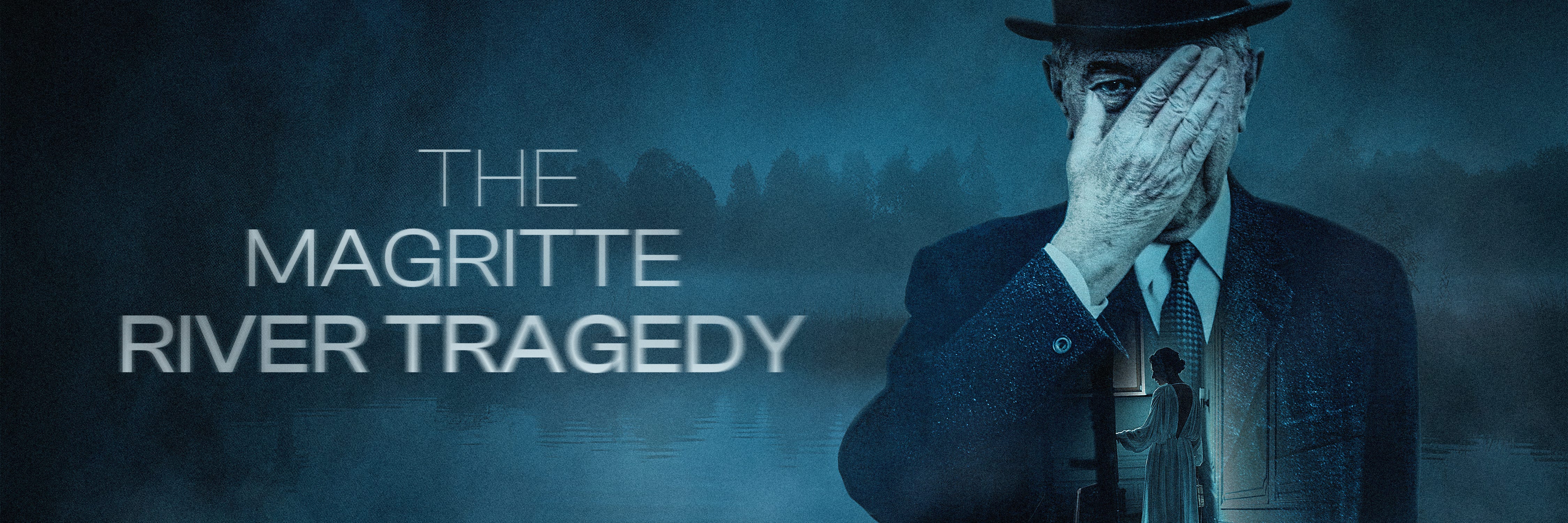
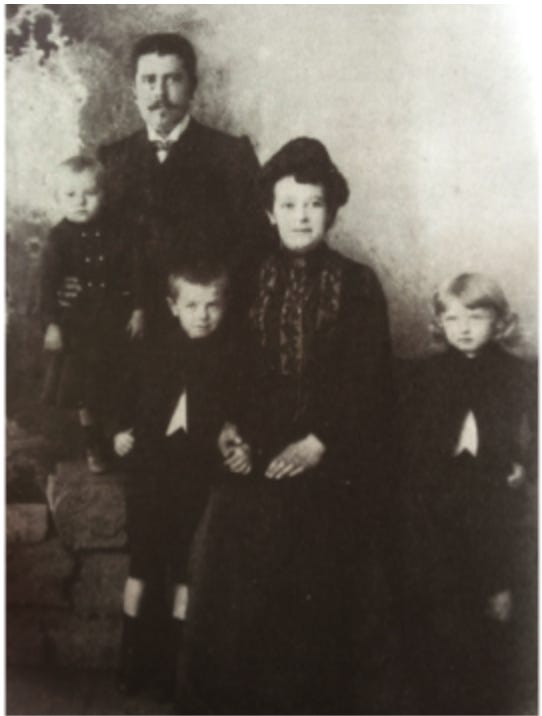
Châtelet, a small Walloon town near Charleroi, 23rd February 1912. Night falls upon the local bourgeoisie. In a comfortable dwelling on Rue des Gravelles, silence settles. Léopold Magritte concludes his day as inspector at the oils and margarine factory.
He extinguishes his pipe, consults his pocket watch. It is precisely half past ten.
Léopold climbs the wooden staircase. His steps mark each tread. Upstairs, three doors. The boys' first. René sleeps, thirteen years old, his face peaceful against the pillow. Raymond and Paul, eleven and nine, share the neighbouring bed, breathing calmly beneath the eiderdown. Léopold gently closes their door.
The third door, at the end of the corridor. He stops, listens. No sound. For weeks now, his wife Régina has not slept. He opens with caution.
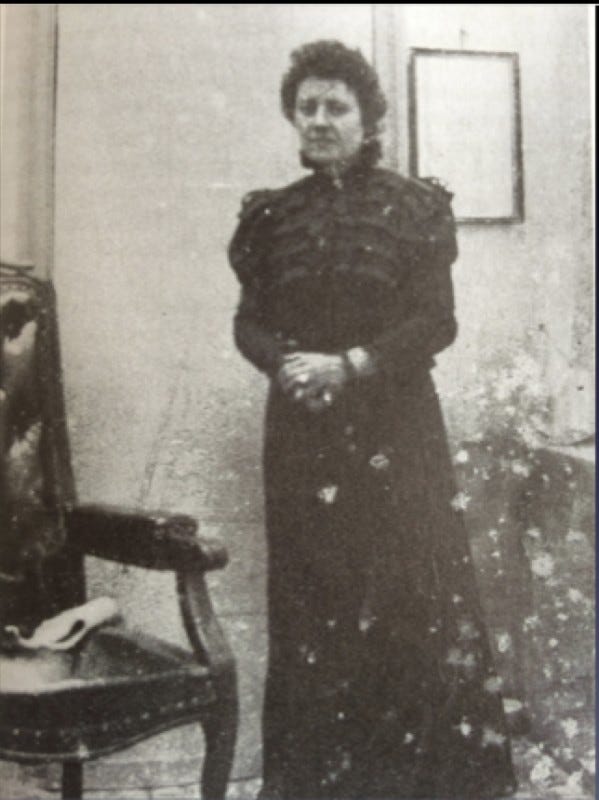
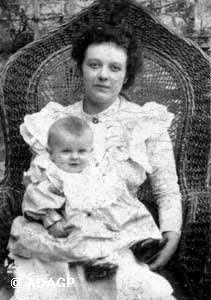
Régina Bertinchamps sits on the edge of the bed in her white nightgown. Her dark hair falls loose over her shoulders. At forty-one, she retains a beauty that melancholy has hollowed. She stares at the closed window. Does not move when he enters. Her hands rest motionless on her knees. Her shadowed eyes do not blink.
"Régina, you must sleep."
She does not respond. Her gaze remains lost in emptiness. Léopold approaches, places his hand on her shoulder. The skin is cold beneath the linen fabric. He helps her lie down, draws the covers up to her chin. She closes her eyes without resistance. Docile. Absent.
He closes the door, turns the key. The metal grates in the lock. A gesture he repeats each evening for months past. To protect her from herself. To protect his sons from the worst.
In his own room, Léopold removes his jacket, loosens his tie. The factory exhausts him, but less than this nocturnal vigilance. He slides the key beneath his pillow. A mechanical gesture become ritual. He falls into heavy sleep.
Midnight. The house silent. Régina opens her eyes. She has waited. Listened to her husband's regular breathing from the other side of the partition. Her feet touch the floor. No slippers. The cold bites her bare toes.
She approaches the door, examines the lock. Her fingers explore the mechanism. A hairpin lies on the chest of drawers. She inserts it into the cylinder, manipulates with patience. A click. The door opens slightly.
The corridor bathes in darkness. She advances soundlessly, avoids the creaking floorboards. The staircase now. One step after another. Her hand glides along the polished banister. The front door key hangs from its nail. She takes it.
Rue des Gravelles slumbers. The gas street lamps project yellowish circles onto the damp cobblestones. Régina walks towards the town centre. Her bare feet slap against the cold stone. She crosses the market square, skirts the Gothic church. Her steps lead her towards the Sambre. She knows the way.
The stone bridge spans the river. Régina climbs the granite steps. The water flows below, dark and slow. The moon reflects in fragments on the rippled surface. She places her hands on the parapet. The icy stone burns her palms. She looks at the water one last time. Then climbs over the balustrade.
Discover my new newsletter !

Keep learning art the fun way


At dawn, Léopold knocks at his wife's door. No response. He turns the handle. The door opens. The bed is empty. The sheets cold.
"René! Raymond! Paul!"
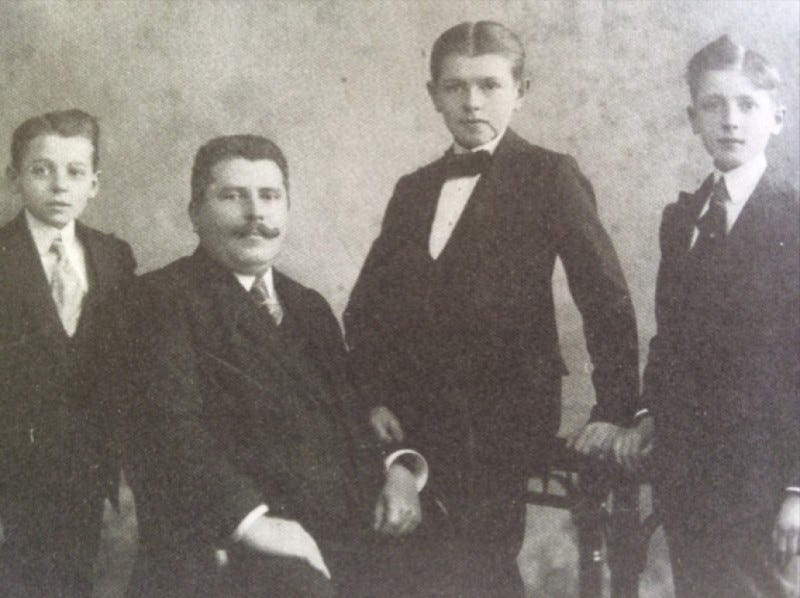
The three boys come running, still in their nightgowns. René understands immediately. His father's face says everything. His mother has fled. Again. They dress hastily. Woollen trousers, thick jacket, shoes laced hurriedly.
Léopold alerts the neighbours. Monsieur Vandenberghe, the butcher. Madame Rousseau, the grocer. Within an hour, a dozen men scour the streets of Châtelet.
René runs alongside his father. The man quickens his pace, anxious. They search every alley, every dead end. Saint-Barthélemy church. The livestock market. The station. Nothing. Minutes tick by. Hope dwindles.
The Charleroi police arrive late morning. Two mounted gendarmes, sabres at their sides. Commissioner Declercq descends from a black cab. He notes details in his notebook. Woman aged forty-one, nervous depression, previous incidents.
Disappeared between midnight and six in the morning. The investigation begins. Residents are questioned. A level-crossing keeper thinks he glimpsed her around midnight near the bridge. But it was dark. Perhaps a shadow.
That afternoon, the searches are organised. Teams comb the banks of the Sambre. Others explore the surrounding countryside. René refuses to return home. He wants to search further. Together, they walk the muddy quays. The water carries debris, dead branches. The current is strong at this season.
Days stretch on. Rumours swell in Châtelet. People whisper that Léopold, a notorious anticlerical, has broken his wife. They speak of his supposed infidelities. His nocturnal outings. His sons too are singled out.
Three unruly boys who wore their mother down. René hears this gossip. He clenches his fists, lowers his head. Shame adds to anguish.
12th March 1912. Seventeen days of waiting. Jean-Baptiste Moreau makes his morning rounds on the Sambre. The bargeman guides his craft between the willows that dip their branches into the water. The morning mist lifts slowly.
Suddenly, near a bend in the river, something catches his attention. A pale form caught in the low branches. He approaches cautiously with his pole. Touches the inert mass. His blood freezes.
He rows towards the bank, moors his punt, runs towards the gendarmerie post at Farciennes. Within an hour, the uniforms arrive. They haul the form onto the bank with ropes. Water drips from the sodden fabric. A gendarme informs Léopold by telegram.