
What Is Tempera?
Tempera is paint made by mixing colored pigment with egg yolk. For centuries before oil, it was the main medium for serious painting in Europe, prized for its clear, glowing color and its almost unfair durability.
The binder really is just egg. The same thing in your fridge held together the great altarpieces of the Middle Ages.
Simple recipe, astonishing results.
Tempera in one look
What it is: pigment bound with egg yolk, known as egg tempera.
The feel: matte, luminous and precise.
The era: the medium of medieval and early Renaissance panels.
The catch: it dries in seconds, so you cannot blend it like oil.
Why it faded: oil could do soft shadows and deep glazes tempera could not.
Paint made with egg
The recipe is older than oil and far simpler. Grind a pigment, mix it with egg yolk and a little water, and you have tempera.
The yolk dries into a tough, clear film that locks the color in place. Painters kept it in small pots and worked fast, because once it touched the panel it set almost at once.
It sounds humble. It built some of the most precious objects in Europe.
Why it glows
Tempera has a light all its own, cooler and clearer than oil.
Because it dries in seconds, you cannot smear or blend it wet. Painters built form instead with thousands of fine strokes, hatching light over dark like embroidery in paint. Up close, an early panel is a mesh of tiny lines.
That same quick drying gives the surface its clean, matte glow, closer to the flat brilliance of gouache than to the wet shine of oil.
Gold grounds and wooden panels
Tempera lived on wood, not canvas.
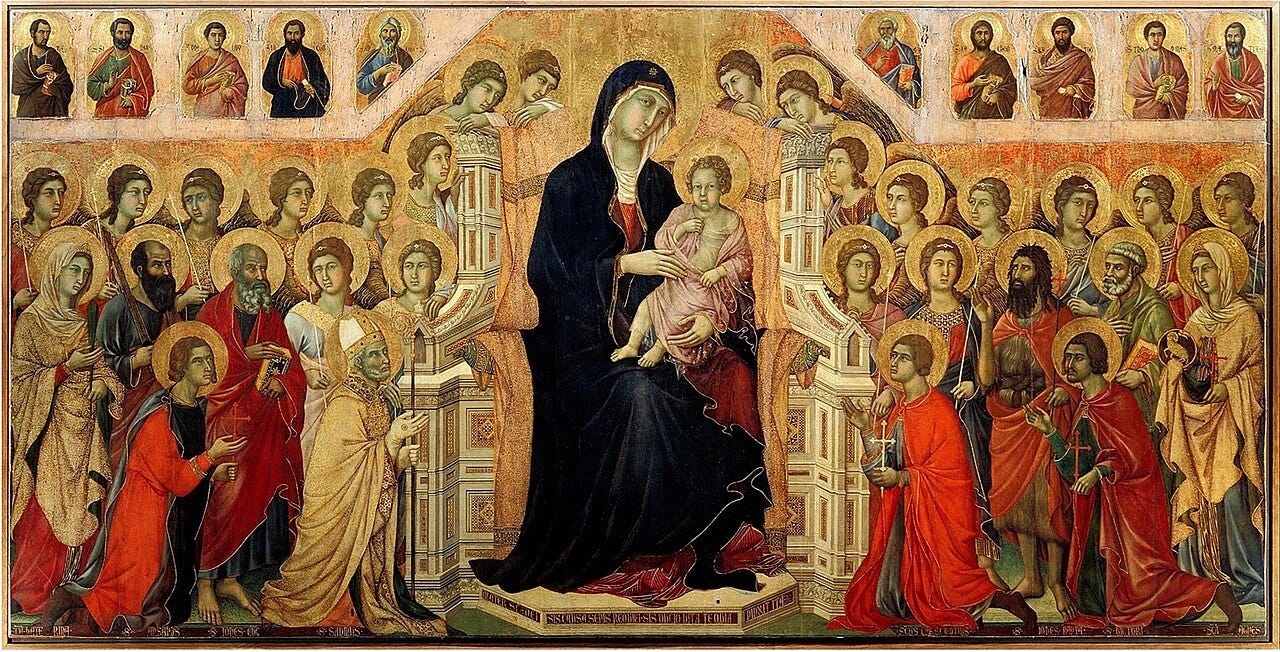
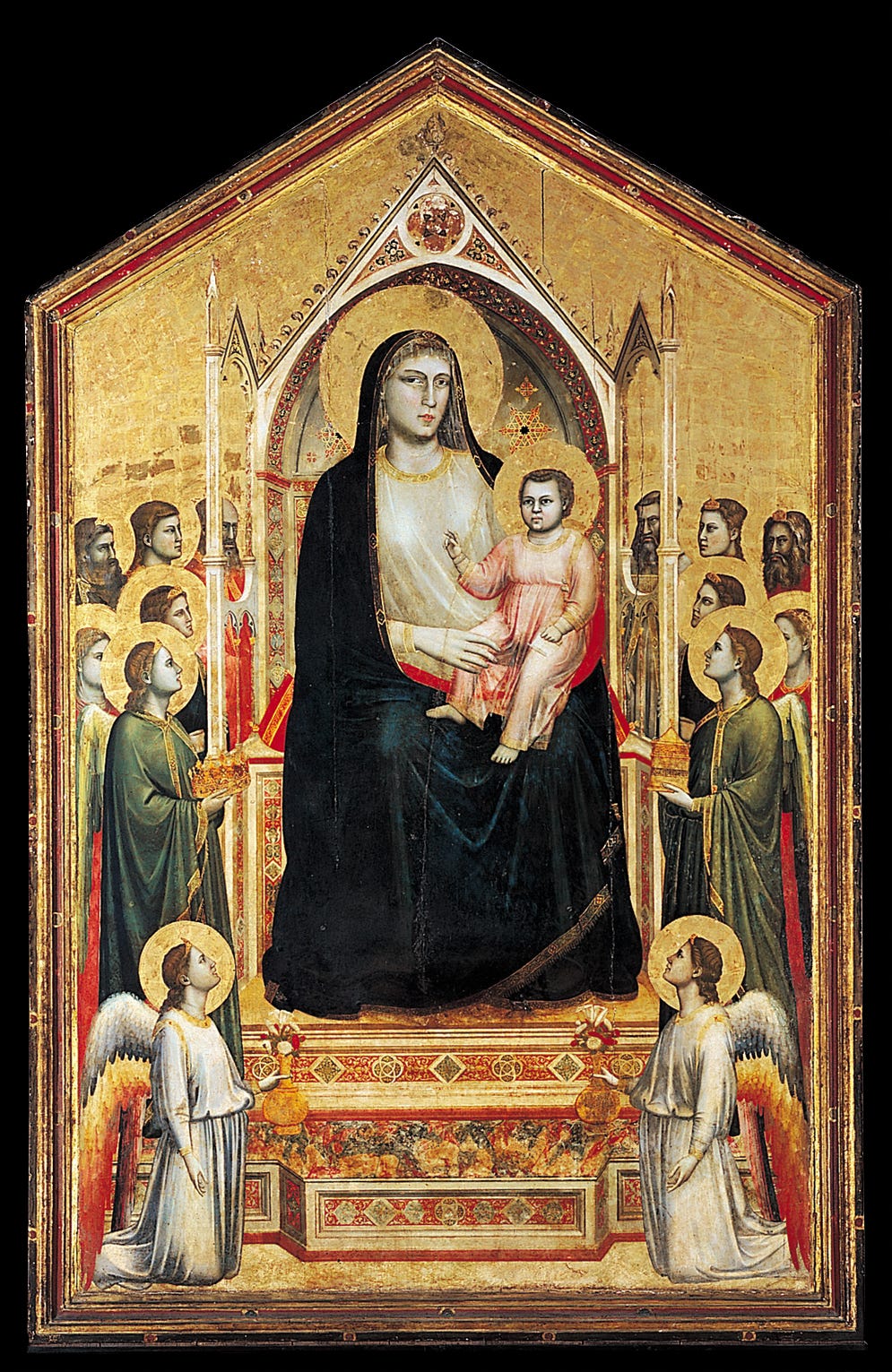
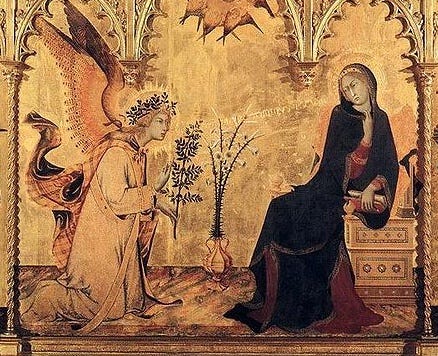
Painters prepared a panel with layers of gesso, a smooth white ground, then often laid gold leaf behind the figures so the picture glowed in candlelight. On that surface they built saints and Madonnas in glowing, weightless color.
This is the look of the medieval altarpiece: flat gold skies, jewel bright robes, faces lit from within.
Botticelli's great tempera
The medium did not die quietly. It went out at the top.
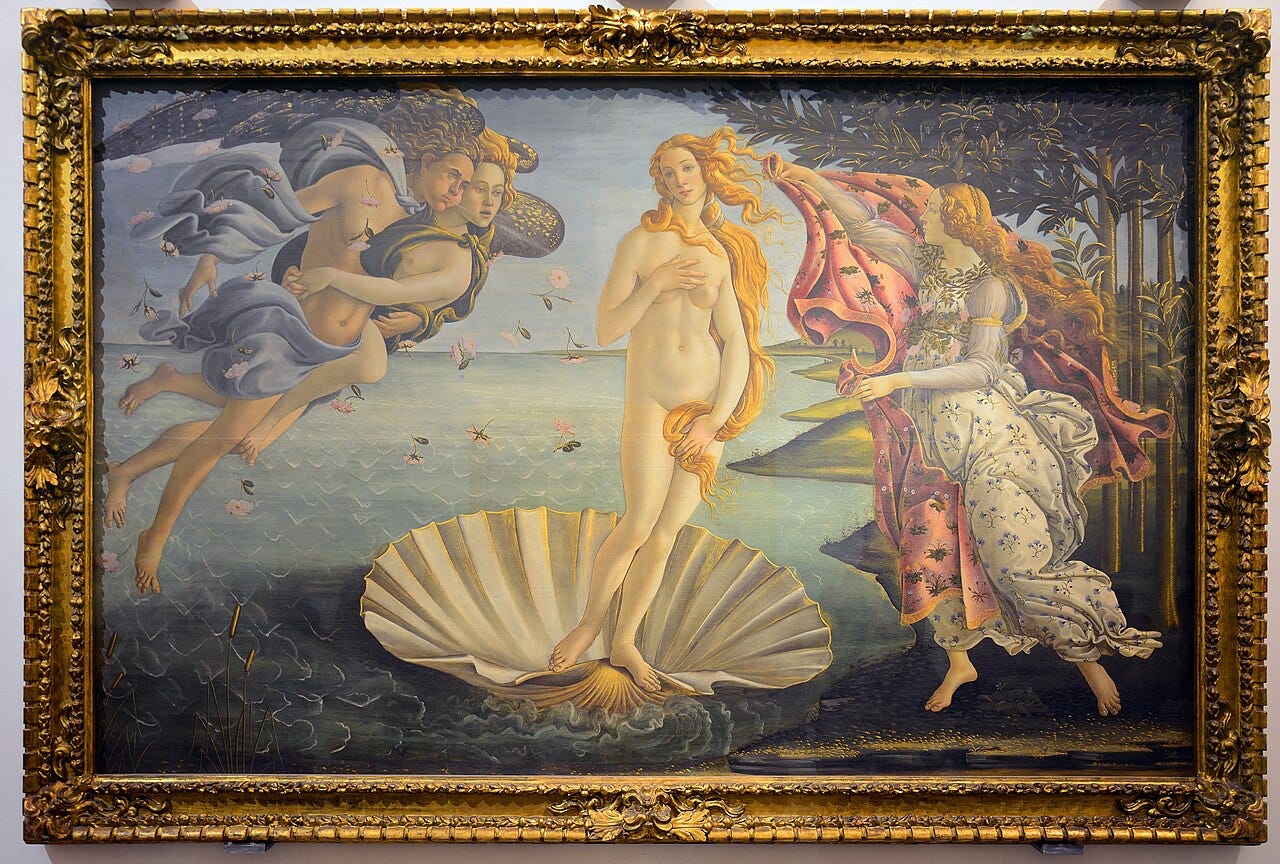
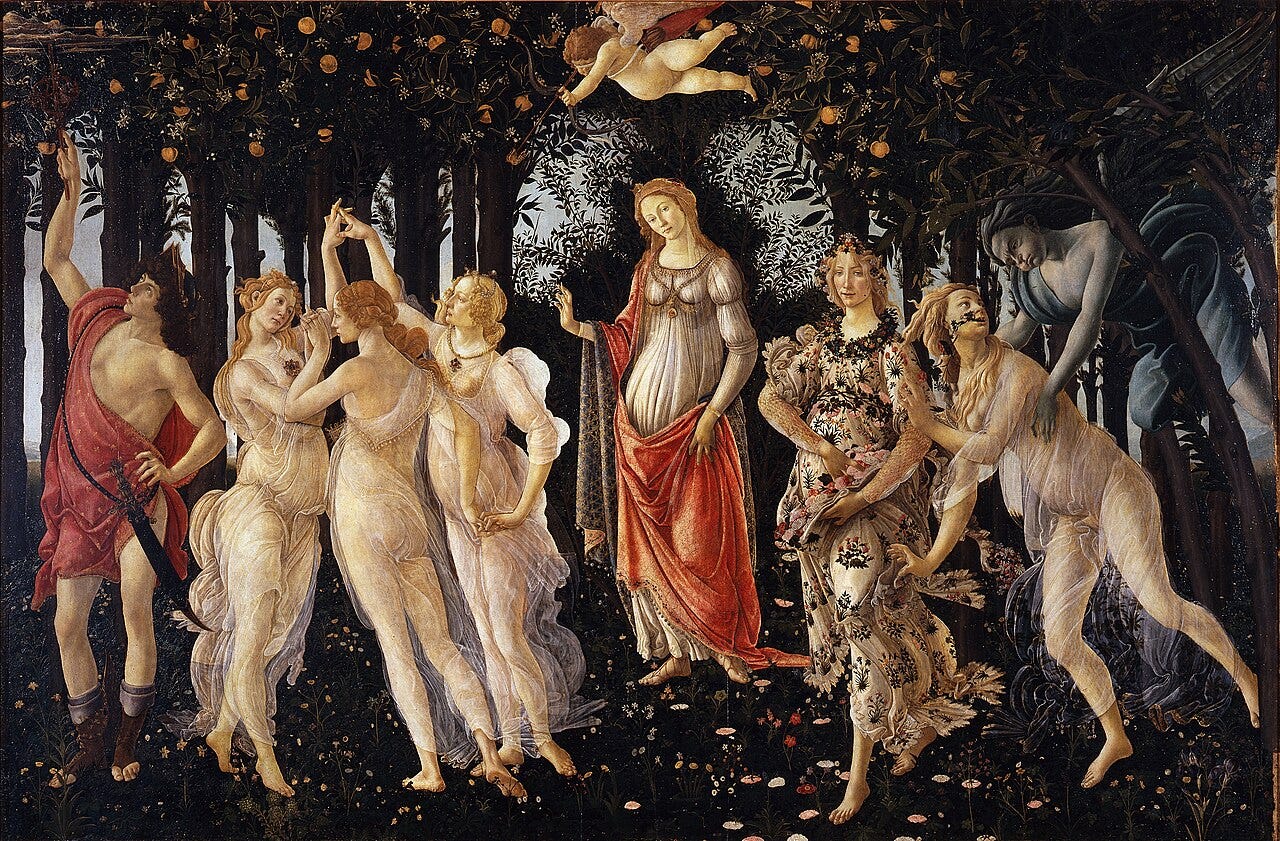
Around 1485 Sandro Botticelli painted the Birth of Venus in tempera, not on a panel but on canvas, one of the most famous images ever made. Its pale, matte surface and crisp lines are tempera through and through.
The same hand gave us the Primavera, another huge tempera. The painter behind them is worth knowing in full: Botticelli, the complete story.
Why oil won
Even as Botticelli worked, the future had already arrived from the north.
Oil paint, popularized by Flemish masters, dried slowly. That sounds like a flaw and was the whole point. Slow drying let painters blend edge into edge, build deep transparent glazes, and sink shadows into true darkness. It made the soft, smoky sfumato of Leonardo possible.
Tempera could be precise, but it could not melt one tone into the next. By 1500 oil had taken over, and tempera became the old way.
Common questions about tempera
What is tempera paint? Pigment bound with egg yolk, the main painting medium in Europe before oil.
How is tempera different from oil? Tempera dries in seconds and cannot be blended wet. Oil dries slowly and allows soft transitions and glazes.
What surface is it used on? Usually a wooden panel prepared with gesso, often over gold leaf.
Is the Birth of Venus tempera? Yes. Botticelli painted it in tempera on canvas around 1485.
Is tempera still used? Yes. Some modern painters revived egg tempera for its precision and glow.
The medium that lasts a thousand years
For all that oil could do, tempera had the last laugh on time.
Dried egg yolk is remarkably stable, so tempera panels from the 1200s and 1300s still hold their color while many later oil paintings have darkened and cracked. The humble kitchen binder turned out to be one of the most durable materials in art. Some of the oldest paintings you can still see clearly were made with breakfast.