
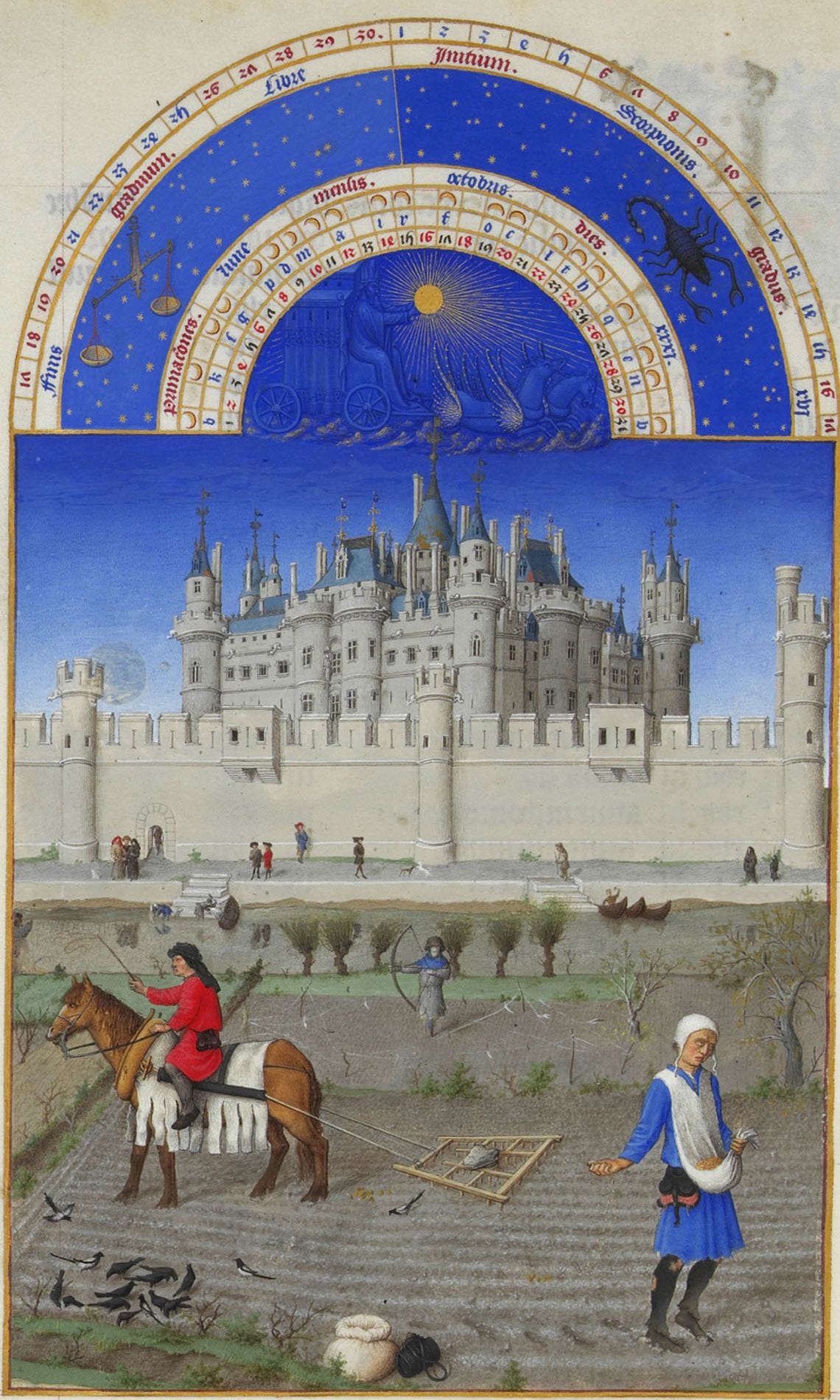
Gouache is an opaque watercolor. It is pigment bound in gum arabic, like watercolor, but loaded with white or chalk so it dries flat, matte and solid. That one change flips the rules: with gouache you can paint pale colors straight over dark ones.
That single switch, from see through to solid, changes everything a painter can do.
Gouache in plain terms
What it is: opaque watercolor, pigment in gum arabic with added white or chalk.
The look: flat and matte, with no shine.
The rule: you can paint light colors over dark ones.
The quirk: it rewets and reworks even after it dries.
Famous for: illuminated manuscripts, illustration, posters and design.
Keep learning art the fun way


Opaque, not transparent: the one rule
Watercolor works by transparency. You keep the white of the paper and let light bounce back up through thin washes. Lose that white and you cannot get it back.
Gouache flips it. The paint covers, so light sits on top instead of underneath. You can drop a bright highlight onto a dark sky at the very end, the move a watercolorist only dreams about.
That is the real difference, and most people miss it. To me it is what makes gouache worth knowing: gouache is not thick watercolor, it is a different way to think about light.
Why it dries to a flat matte
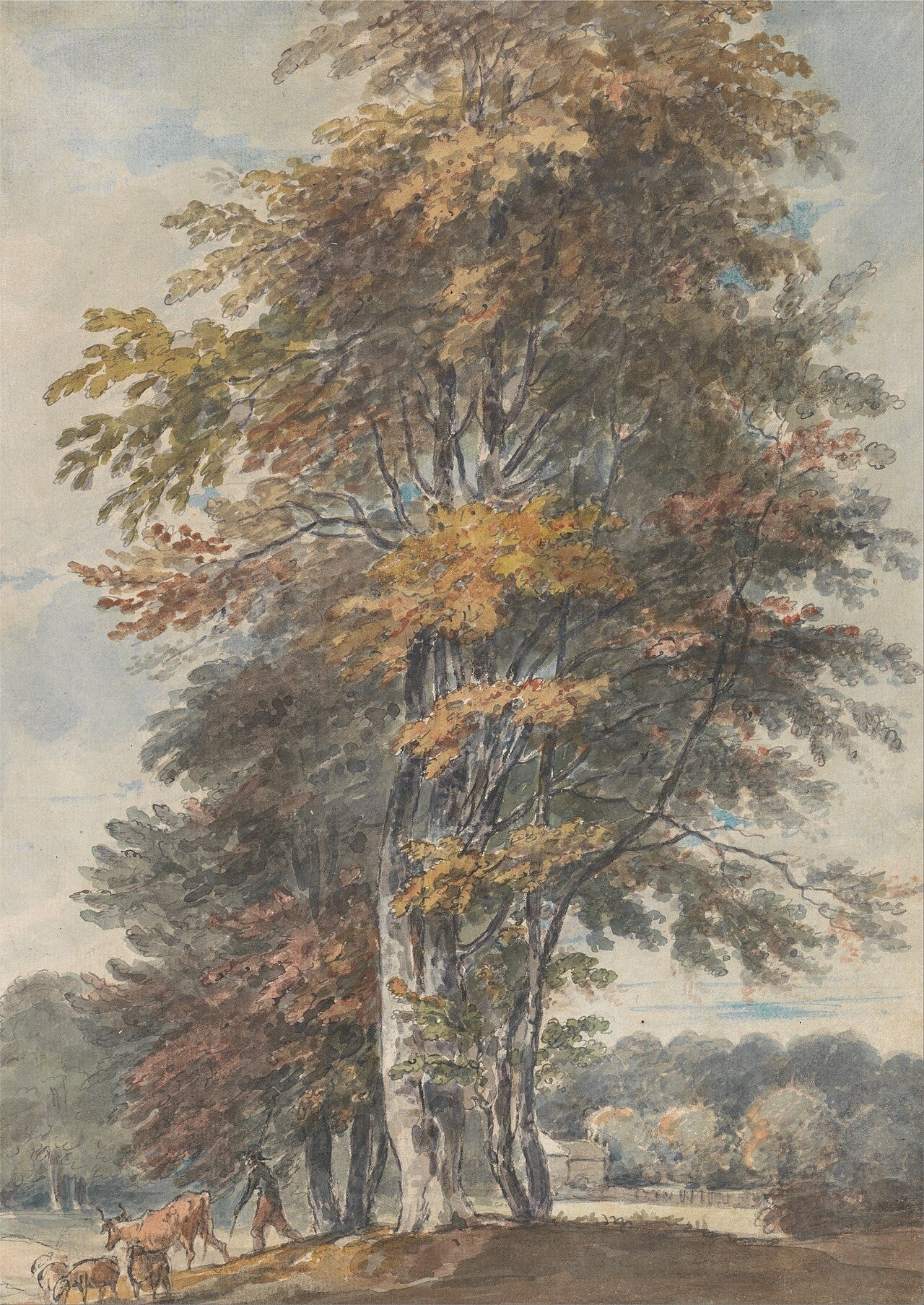
The opacity comes from extra white pigment or chalk mixed into the paint.
That load kills the shine. The dried surface has no gloss at all to catch the light.
For a long time that was the whole point. A matte surface photographs and prints cleanly, with no glare bouncing off it.
This is why illustrators and designers leaned on gouache for decades, long before screens. Solid color, sharp edges, no smoky blending, easy to reproduce on a page.
From monks to the modern studio
Gouache is old. Medieval monks used opaque bodycolor to paint the jewel bright pages of illuminated manuscripts, centuries before the word existed.
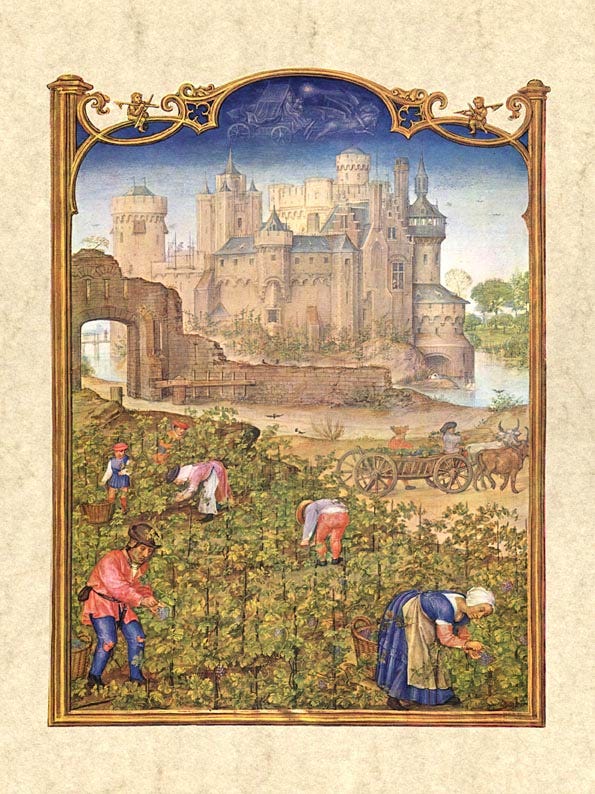
The name came later, from the Italian guazzo. By the 1900s gouache ran the commercial art world: poster design, the painted backgrounds of 1930s and 1940s Disney animation, and the bright papers Matisse cut up for Jazz in 1947 and The Snail in 1953.
The same kind of paint that gilded a Book of Hours also sold soap and printed film posters.
The paint you can wake up again
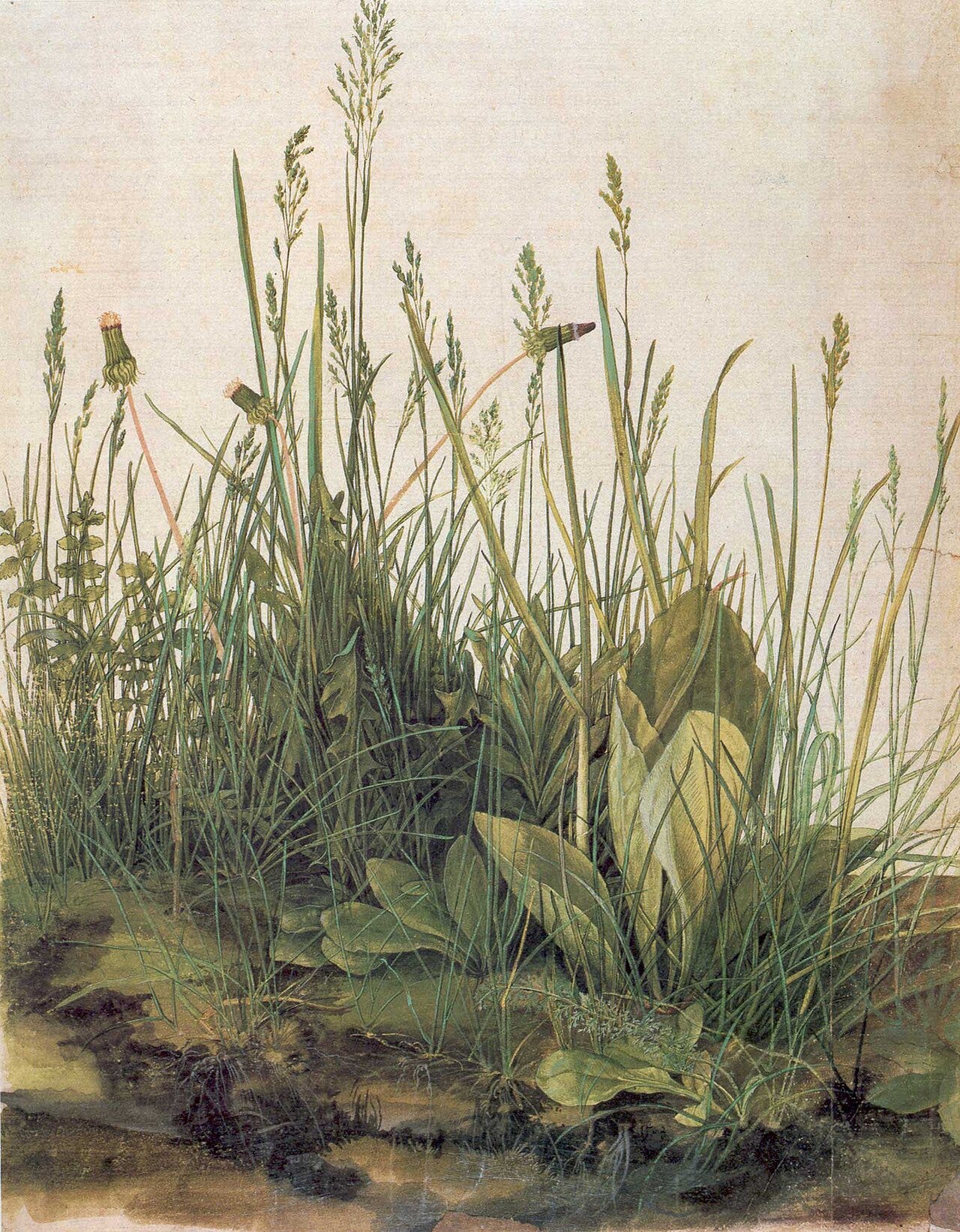
What I love about gouache is that it never fully commits.
Even after it dries, a wet brush lifts it and lets you rework the area. Acrylic locks forever once it dries. Gouache stays negotiable, which makes it forgiving for studies and quick fixes.
Painters used it for fast color notes, a quick test before committing to oil.
The catch is the same trait. Lay a new wash too wet and you lift the layer underneath. Gouache forgives, but it also remembers.
Durer's hare, painted in bodycolour
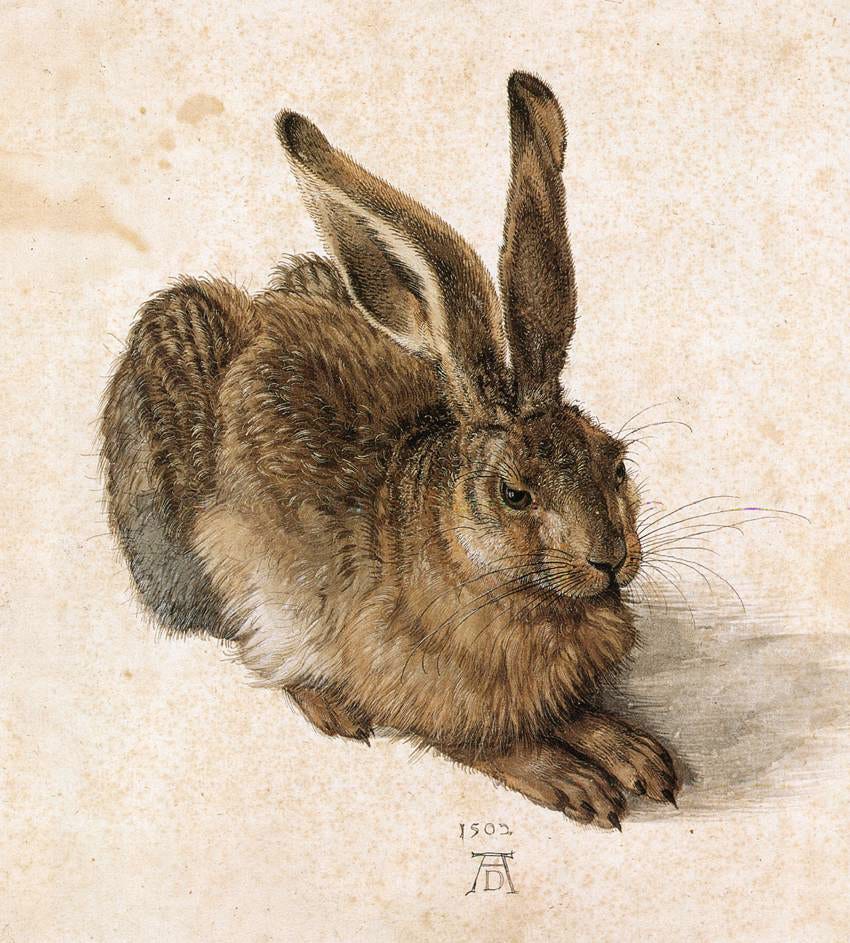
Look at Albrecht Durer's Young Hare from 1502. Every whisker and every glint in the eye is built with watercolor and opaque bodycolor, which is gouache by another name.
Durer used the opaque white to lay the fine pale hairs on top of the darker fur, exactly the light over dark move that defines the medium.
The sheet is only about 25 centimeters tall, yet it holds one of the most lifelike animals in Western art, and gouache does the heavy lifting.
Gouache around the world
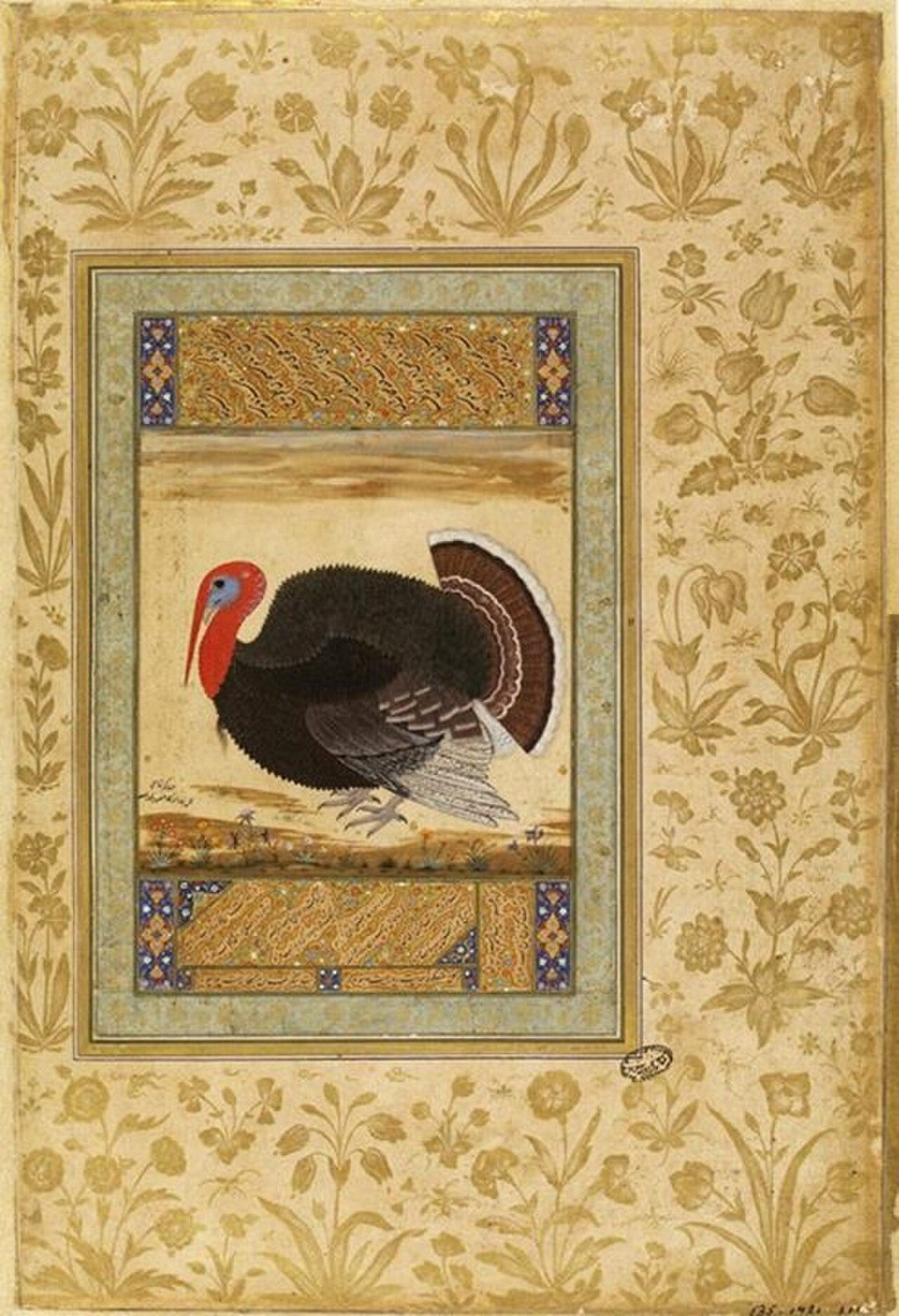
Opaque watercolor is not only European. The miniature paintings of Mughal India and Persia are gouache too, dense layers of opaque pigment on paper, burnished to a glow.
Indian and Persian painters did with gouache what European illuminators did, building tiny, intense worlds in brilliant color. The medium is global. Only the French name is local.
Gouache, the opaque questions
What is gouache exactly? Opaque watercolor: pigment in gum arabic with white or chalk added, so it dries flat and solid.
Is gouache acrylic or watercolor? Neither exactly. It is watercolor made opaque, far closer to watercolor than to acrylic.
Can you reactivate gouache after it dries? Yes. A wet brush lifts and reworks it even when fully dry.
Is gouache waterproof? No. It rewets with water, so finished work needs glass or a fixative.
Does gouache crack? It can, if laid on too thick. Thin, even layers stay stable.
What can you paint gouache on? Paper and card above all, and board primed to take it.
Is gouache good for beginners? Yes. It is cheap, forgiving and rewettable, so mistakes are easy to fix.
Is gouache the same as bodycolour? Yes. Bodycolour is the older English term for opaque watercolor.
More secrets to unlock


The matte color that carries across a room
Where watercolor glows by letting the paper breathe through it, gouache covers, sitting on the surface in solid, saturated blocks.
I reach for it whenever I want color that reads across a room. Durer proved the point in 1502: his hare, painted in gouache, still hangs in the Albertina, every hair intact.
