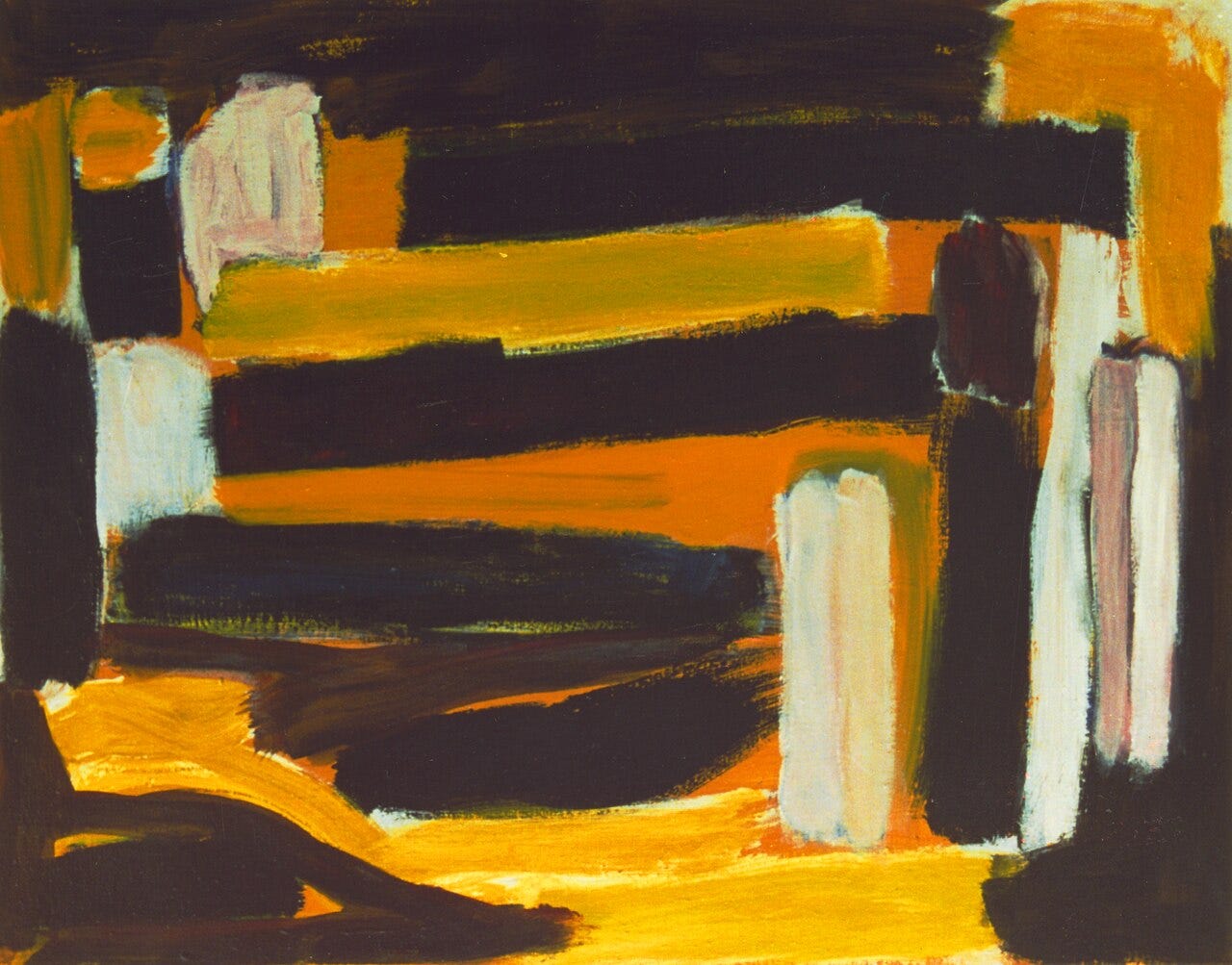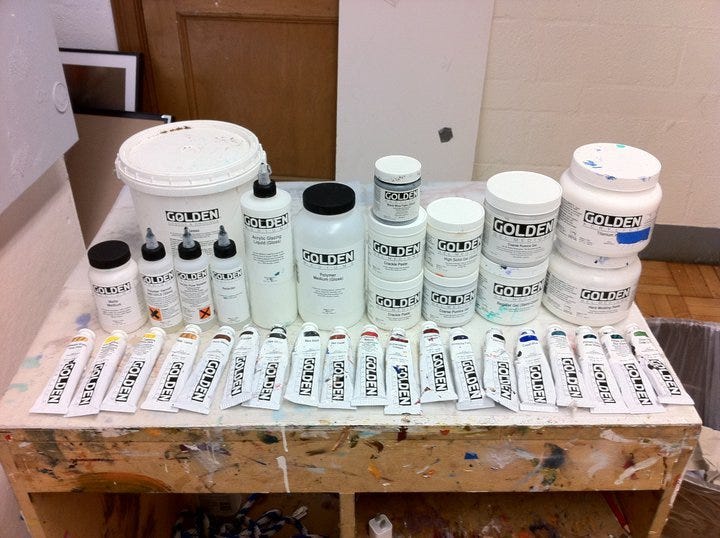
Acrylic painting uses paint made of pigment suspended in a fast drying plastic, an acrylic polymer emulsion. It can be thinned with water like watercolor or piled on thick like oil, it sticks to almost any surface, and it dries in minutes.
It is the youngest of the major painting mediums and the most flexible.
Pigment suspended in a fast drying plastic that thins like watercolor, piles up like oil, and sticks to almost anything.
It reached artists only in the mid 1900s, and David Hockney used it for the flat, bright light of his California pool paintings.
Acrylic at a glance
What it is: pigment in a plastic emulsion that dries fast.
The age: invented in the mid twentieth century.
The range: thin like watercolor or thick like oil.
The surface: it sticks to canvas, wood, paper, walls, almost anything.
The catch: it dries so fast it is hard to blend slowly.
Keep learning art the fun way


The paint that does everything
To me, acrylic is the great shapeshifter.
Add water and it behaves like a transparent wash. Use it straight from the tube and it covers like oil. Pile it on and it holds ridges like impasto.
It even has an opaque, flat, covering quality close to gouache. No other paint stretches across so many looks, which is exactly why it took over art classrooms and studios in a single generation.
One tube, the habits of three different mediums.
Fast, and that cuts both ways
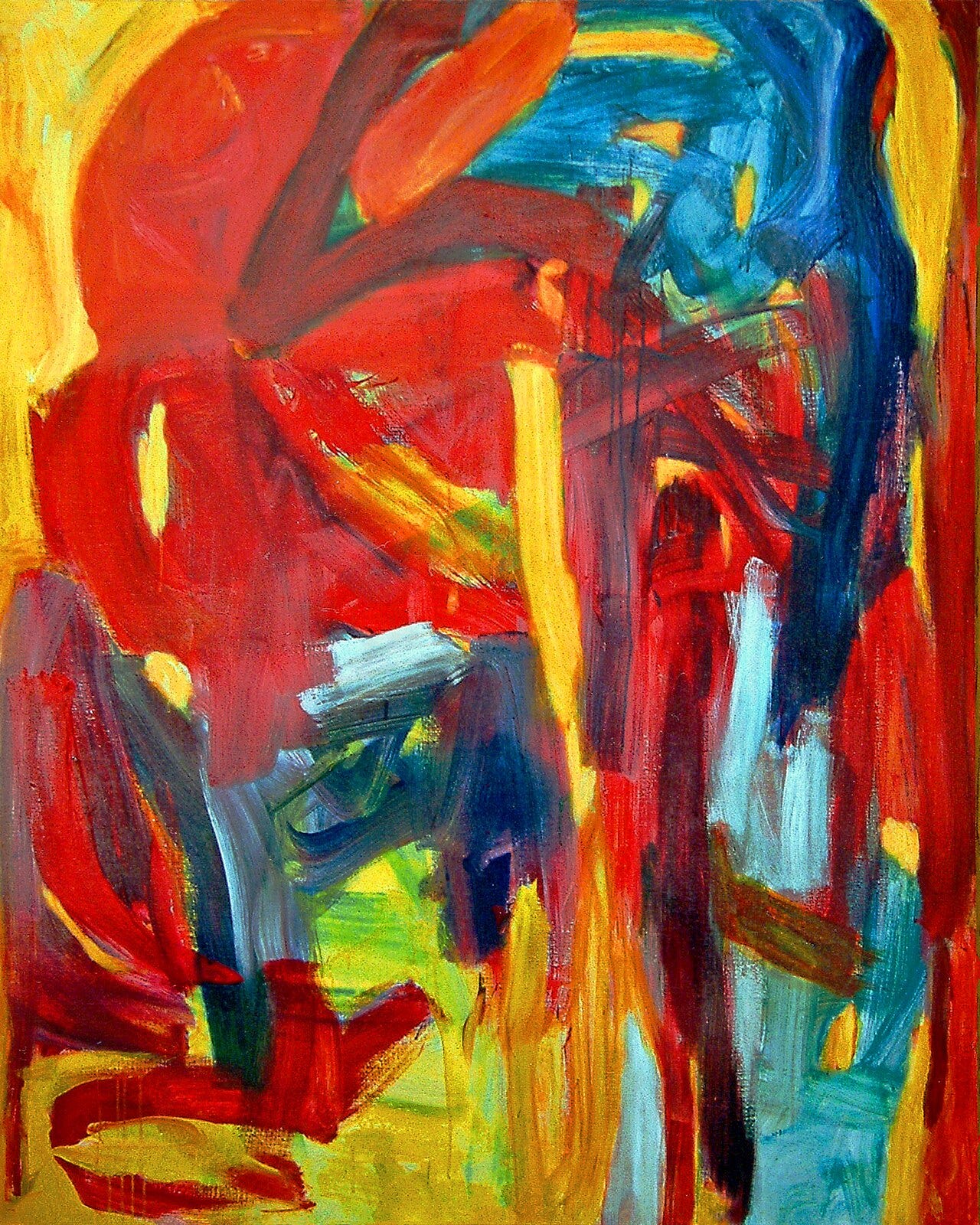
The defining trait of acrylic is its speed.
It dries in minutes, sometimes faster, which is wonderful for working in layers without long waits, and frustrating for anyone who wants to blend softly.
Where oil painting stays wet for days and melts tone into tone, acrylic sets before you can chase that softness. Artists learn to work quickly, or to use gels and retarders that slow the drying down.
The same quickness that helps you layer fights you when you blend.
A genuinely modern medium
Most painting materials are centuries or millennia old. Acrylic is not.
Usable artist acrylics only arrived in the mid twentieth century, which makes acrylic the first major new painting medium in a very long time.
It suited the moment perfectly: big, flat areas of pure color, hard clean edges, and huge canvases that needed paint to dry fast and stay flexible. The look of a lot of mid century and later art is partly the look of this new plastic paint.
A new century, finally, got a new paint of its own.
Will it last
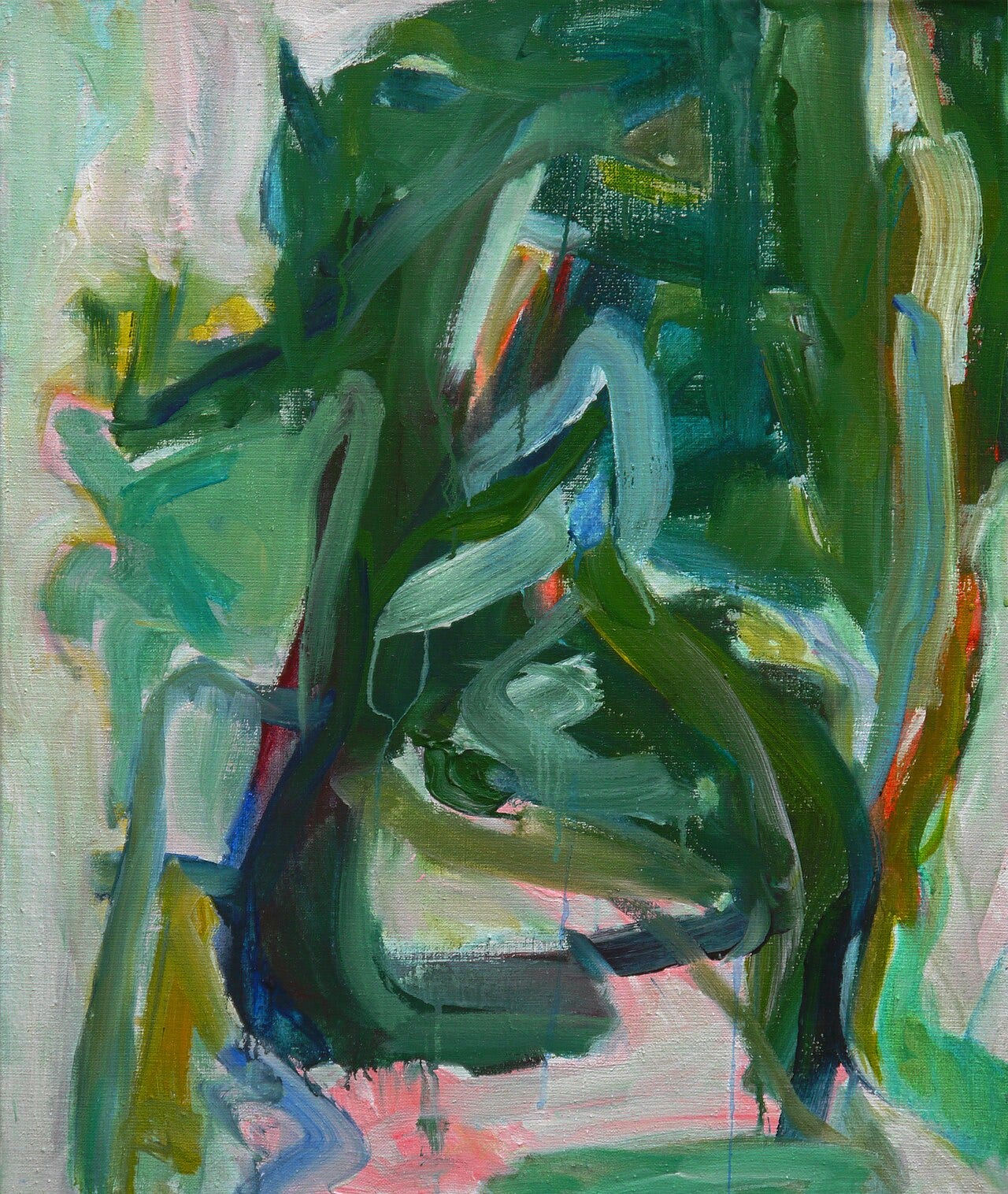
Acrylic is young, so its long future is still being written, which is part of why it fascinates me.
Oil paintings have proven they can survive five hundred years. Acrylic has only existed for a few decades, so conservators are still learning how it ages, how it attracts dust, and how it behaves over centuries.
Early signs are good, but the honest answer is that the very old age of acrylic has not happened yet.
Oil’s endurance is proven. Acrylic’s is still being tested.
Tate holds two of the most famous acrylics ever made, both by David Hockney: A Bigger Splash and Mr and Mrs Clark and Percy.
One of acrylic’s most famous users is David Hockney, the painter behind Pool with Two Figures.
Acrylic, the questions painters ask
What is acrylic painting? Painting with pigment suspended in a fast drying acrylic plastic emulsion.
How is it different from oil? Acrylic dries in minutes and is water based. Oil dries slowly and blends for days.
Can acrylic look like watercolor or oil? Yes. Thinned it acts like watercolor, thick it acts like oil.
When was it invented? Artist acrylics arrived in the mid twentieth century.
Does acrylic last as long as oil? It seems durable, but it is too young to know for certain.
More secrets to unlock


The first new paint in a very long time
For most of history a painter's choices were ancient: egg, oil, water, wax, plaster. Then, almost overnight in the mid twentieth century, a plastic paint appeared that could imitate nearly all of them and dry before lunch.
What I find remarkable is that acrylic did not just add an option, it loosened the rules, and a great deal of modern art walked straight through that open door.