
Impasto is paint applied so thickly that it stands off the canvas, leaving visible ridges, texture and brushstrokes you could almost touch. It is paint that refuses to lie flat.
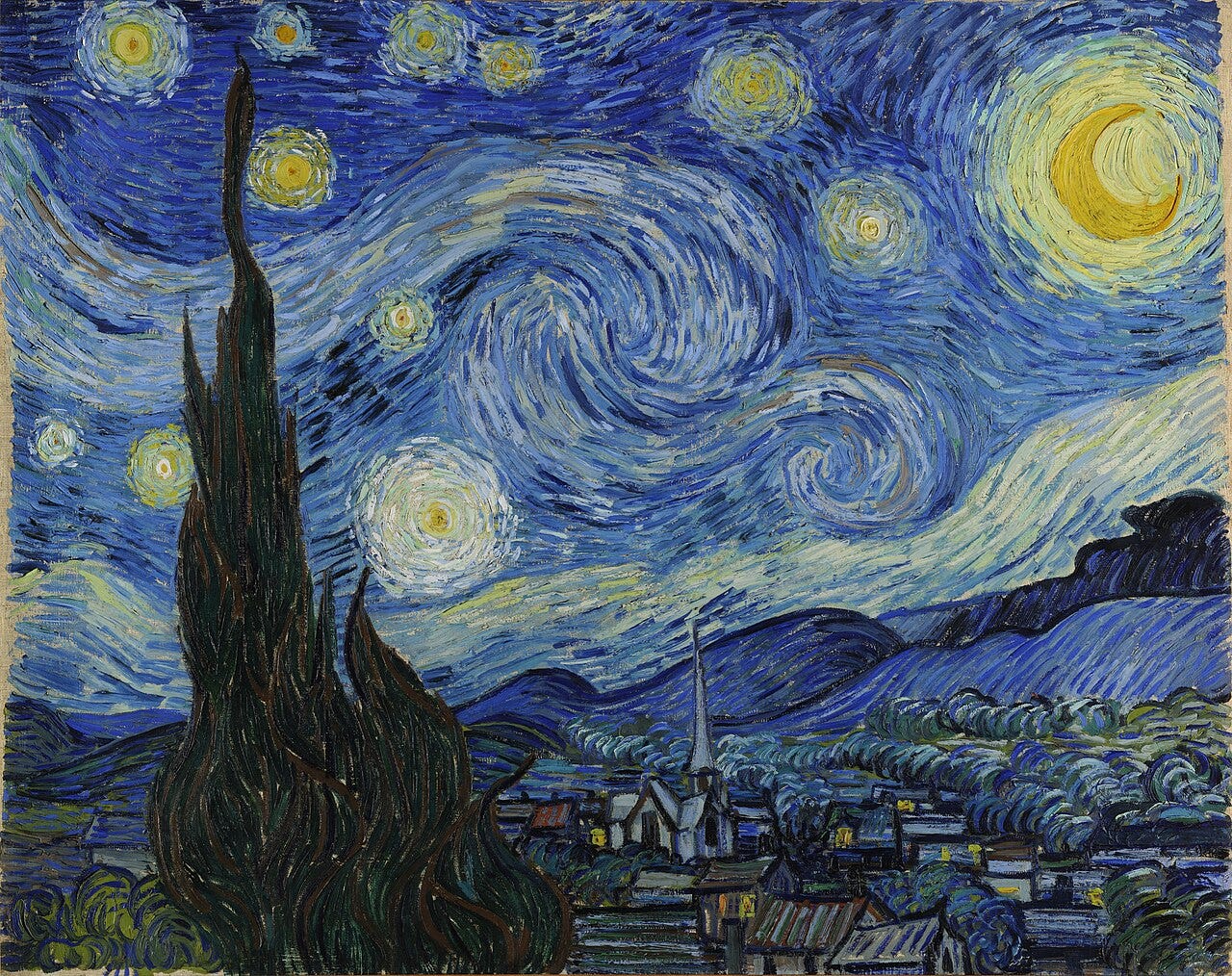
The word comes from the Italian for “dough” or “mixture,” because the paint is worked like something thick and physical.
Here is the thing I wish someone had told me sooner: a thick painting and a flat one are doing opposite jobs.
In a flat painting, you look through the surface, like a window, into an illusion.
In an impasto painting, you look at the surface. The paint stops pretending to be a window and becomes an object. The ridges catch real light and cast real tiny shadows that shift as you move.
That is the secret. Impasto turns a painting into a thing, not just a picture.
Impasto in one minute:
The word comes from the Italian impasto, “dough” or “paste.”
The look: thick, ridged, textured paint, visible brush or knife marks, a surface with real depth.
The tools: a loaded brush or a palette knife.
The master: Vincent van Gogh, above all others.
Its opposite is a smooth, flat surface where you cannot see a single brushstroke.
Keep learning art the fun way


What does impasto actually do?
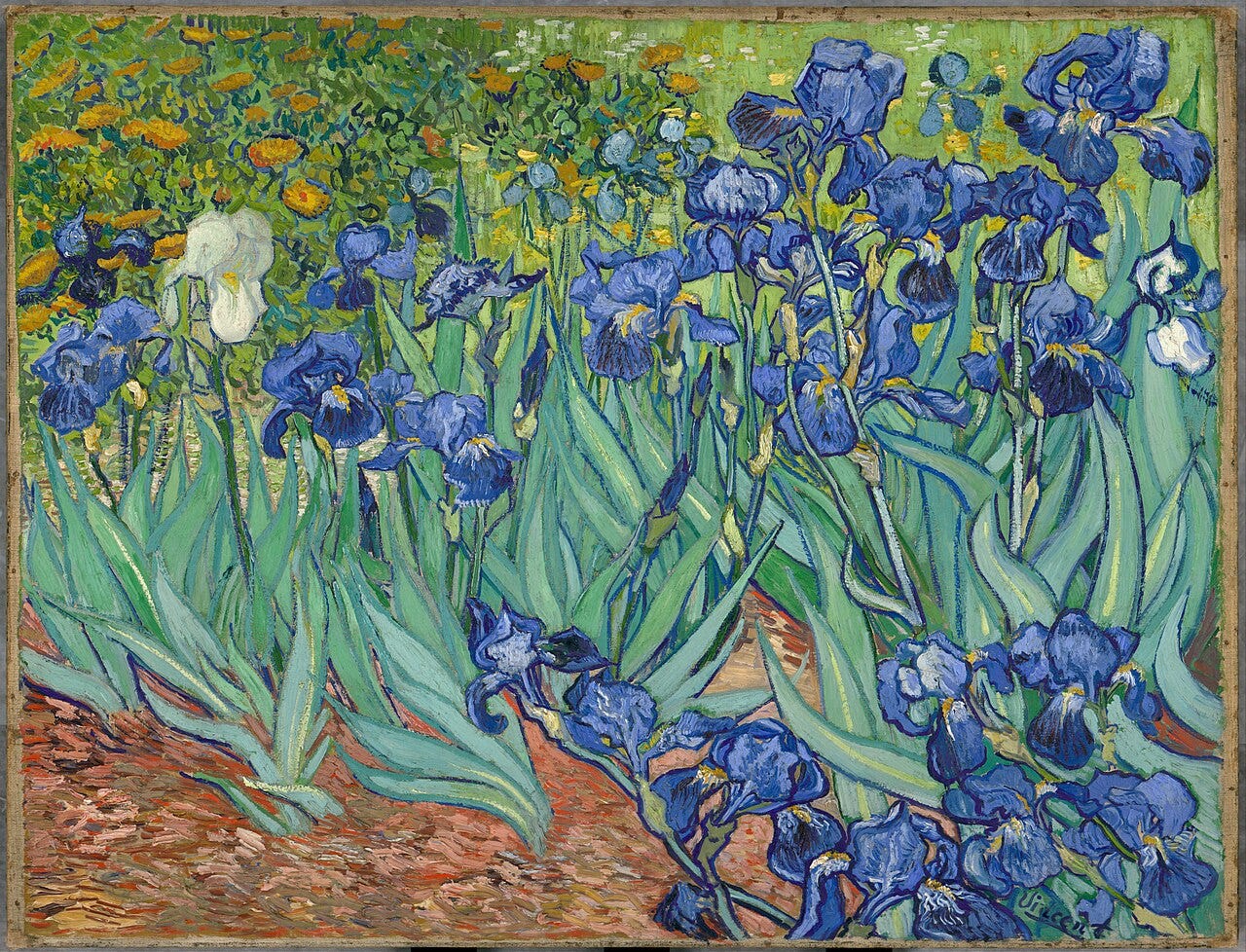
It does something no flat painting can: it uses real light.
A smooth painting only shows you painted light, an illusion of brightness made with pale color. Impasto adds actual physical texture, so the ridges catch the real light in the room.
Move your head, and the highlights move with you. The painting subtly changes as you walk past it.
That is why impasto feels alive in person and often looks dead in a photo. A photograph flattens the one thing that gives it power: its depth, the brushmark that carries the feeling.
Impasto vs smooth painting: the real difference
Two opposite philosophies of what a painting should be.
Smooth, blended paint wants to disappear. No brushstrokes, no texture, just a clean window into another world. Think of the polished surfaces of the Renaissance.
Impasto wants to be seen. It shows the hand, the speed, the emotion. The brushstroke becomes a kind of handwriting.
The sentence to keep: smooth paint hides the artist, impasto reveals them.
This idea, that the surface of a painting should have its own reality, became central to modern art. It is the same instinct behind the loose, visible brushwork known as painterly.
Who made impasto famous?
Impasto was centuries old before Van Gogh, but he made it immortal.
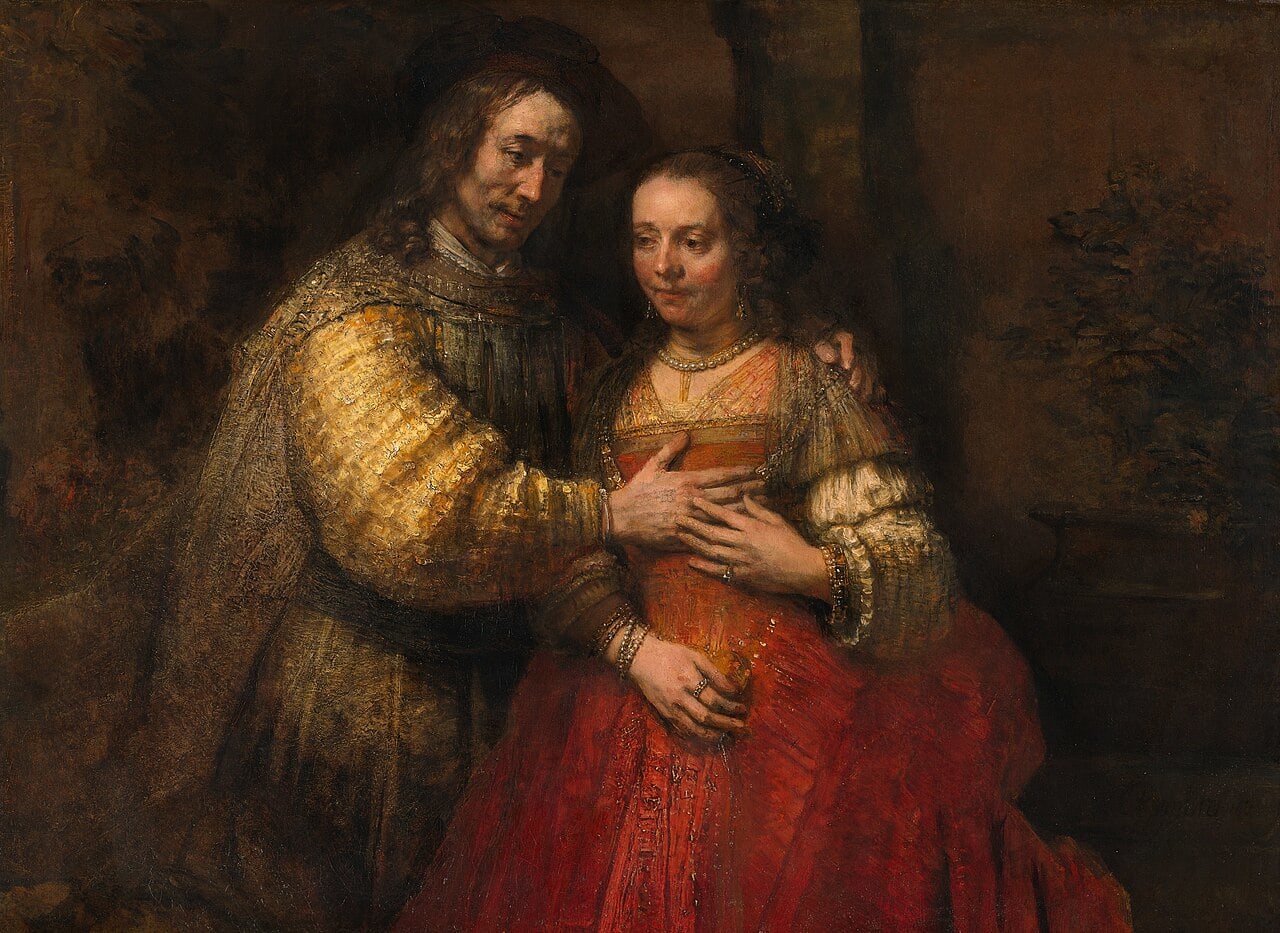
The Venetian masters Titian and Tintoretto were already building up thick highlights in the 1500s. Rembrandt later loaded his brightest passages with heavy paint, so a golden chain or an old man’s skin seems to physically catch the light.
But one man turned impasto into pure emotion.
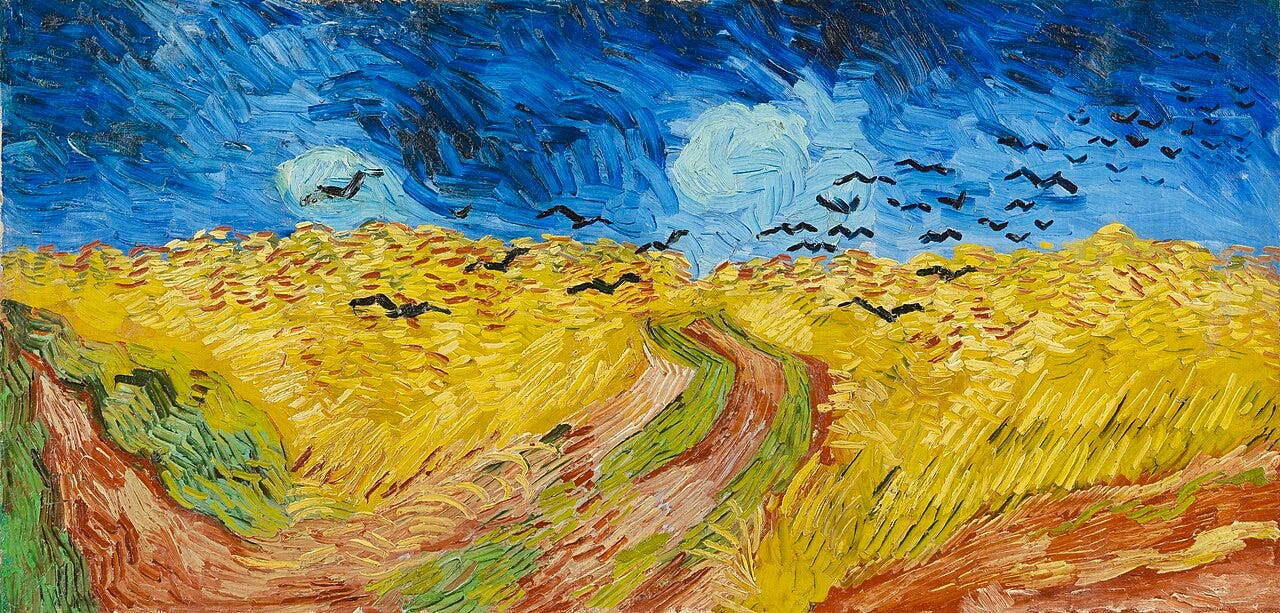
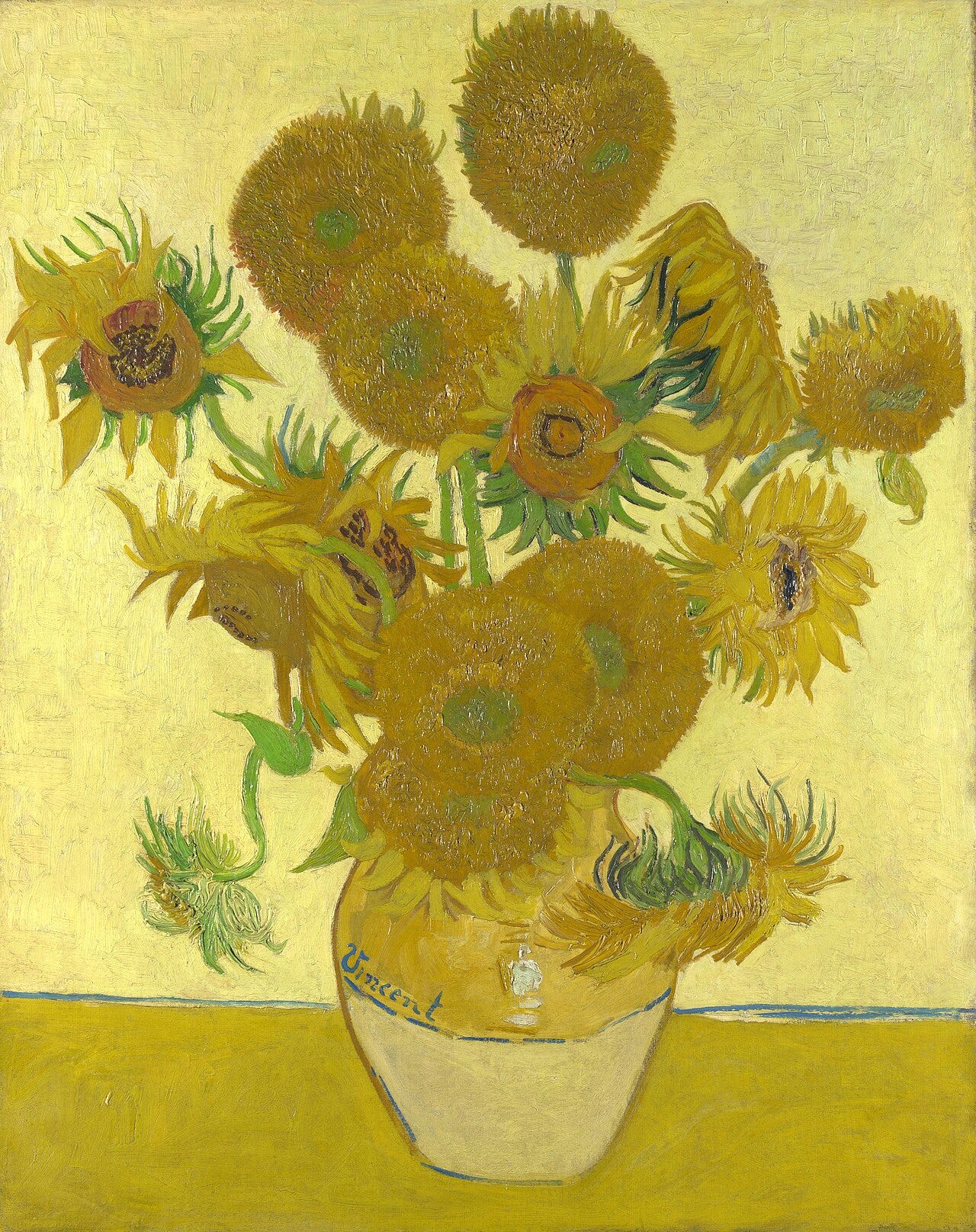
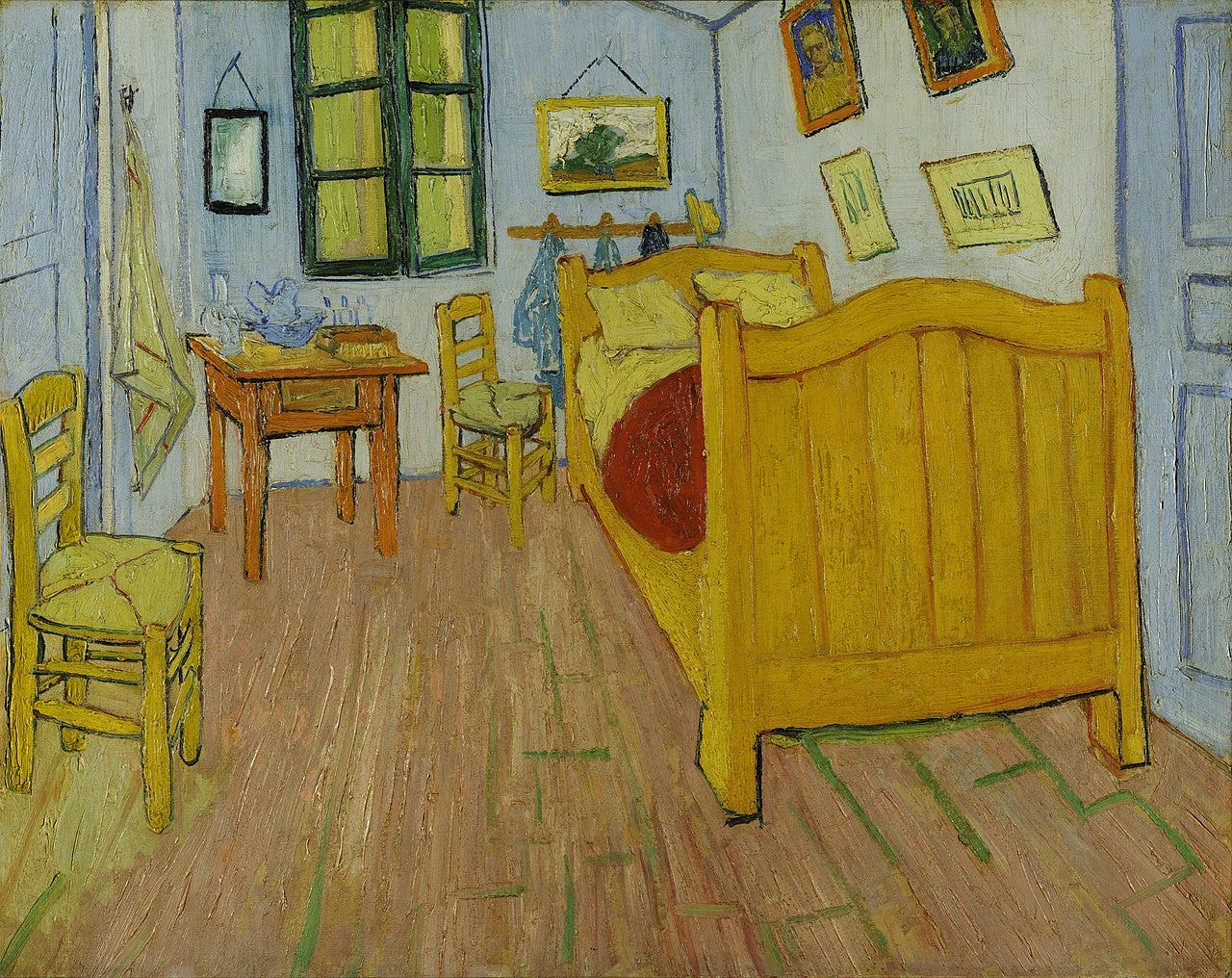
Van Gogh painted fast, often straight from the tube of oil paint, sometimes with a palette knife, sometimes squeezing paint right onto the canvas.
Every ridge records the speed and feeling of his hand in that exact second. Stand in front of a real Van Gogh and you are looking at frozen motion.
In his skies, sunflowers and wheatfields, the paint gets thickest where the feeling runs highest.
Van Gogh painted his own bedroom in Arles with these same loaded strokes. I read that room object by object in Arles Bedroom, detail by detail.
5 artists who pushed thick paint furthest
Names are easy to find. Here is who, to my eye, used thick paint best.
1. Vincent van Gogh. The summit, and for my money the whole reason this word matters. Nobody made paint carry feeling like he did. With Van Gogh, the thickness of the paint IS the emotion. Joy, dread, ecstasy, all of it lives in the ridges.
2. Rembrandt van Rijn. The pioneer of light.
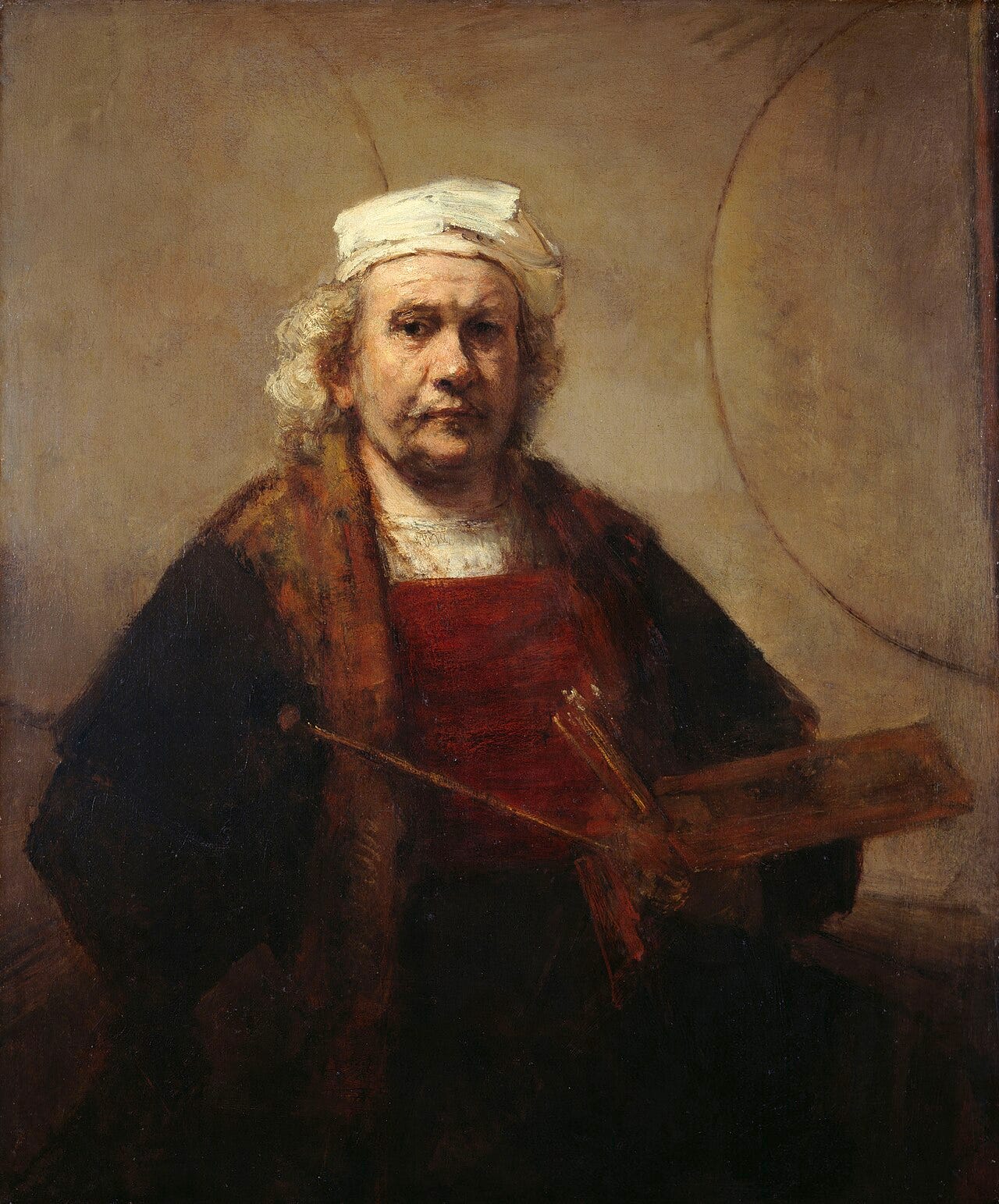
He used impasto with surgical control, loading paint only on the brightest points, so a jewel or a wrinkled forehead seems to glow from within while the rest stays in shadow.
3. Titian. The Venetian who started it.
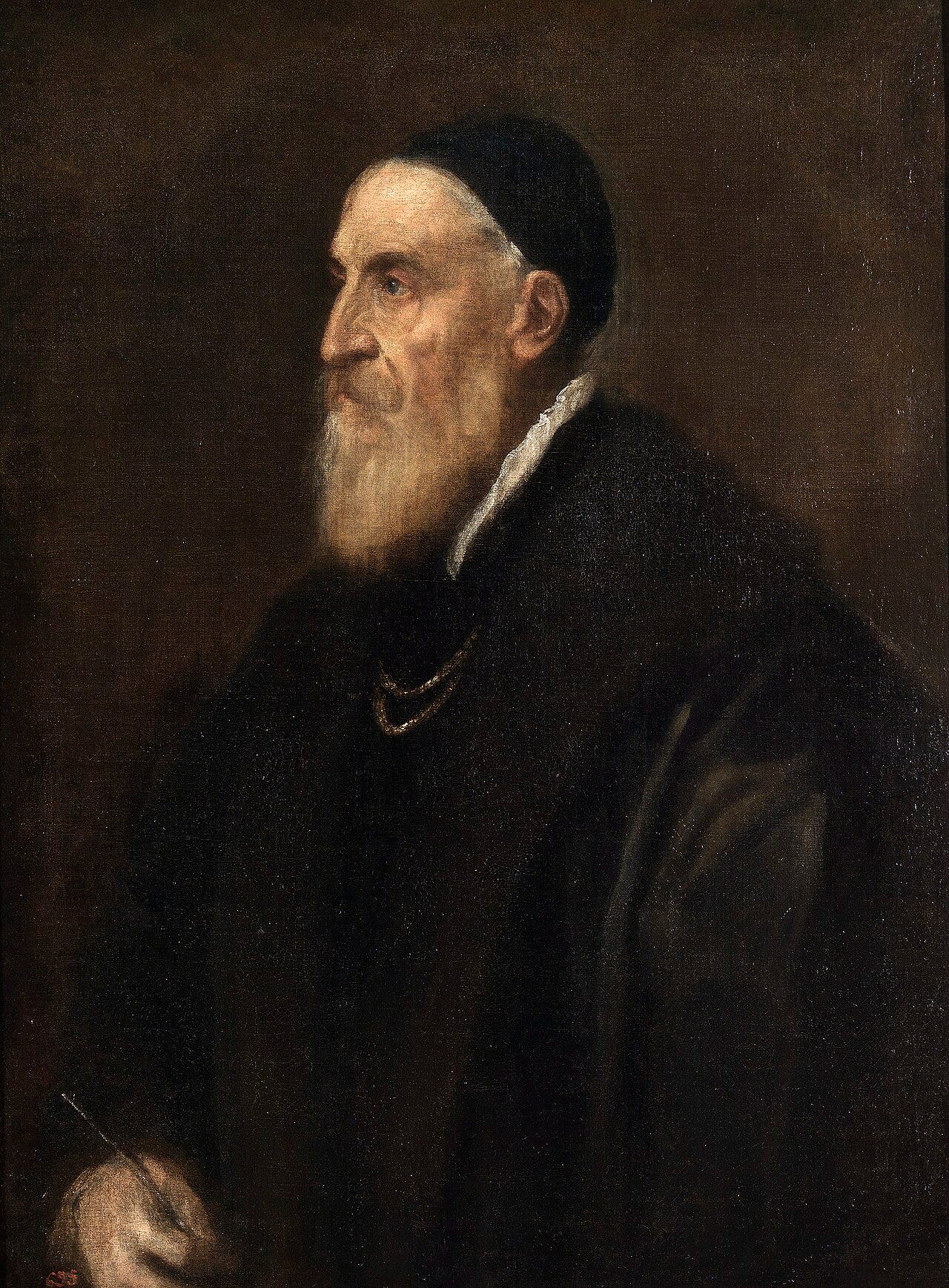
In his final years, the great Venetian abandoned smooth finish and built his late works out of rough, broken, thickly worked paint. Critics were baffled. He was 400 years ahead of his time.
4. Frank Auerbach. The extremist.
In the 20th century he piled paint so thick it became almost sculpture, scraping back and rebuilding a single portrait for months. The paint is centimeters deep.
5. Willem de Kooning. The force.
The Abstract Expressionist who slashed and smeared paint across huge canvases with total physical energy. With him, impasto becomes pure action, the record of a body moving fast.
Why every oil painting filter fakes impasto
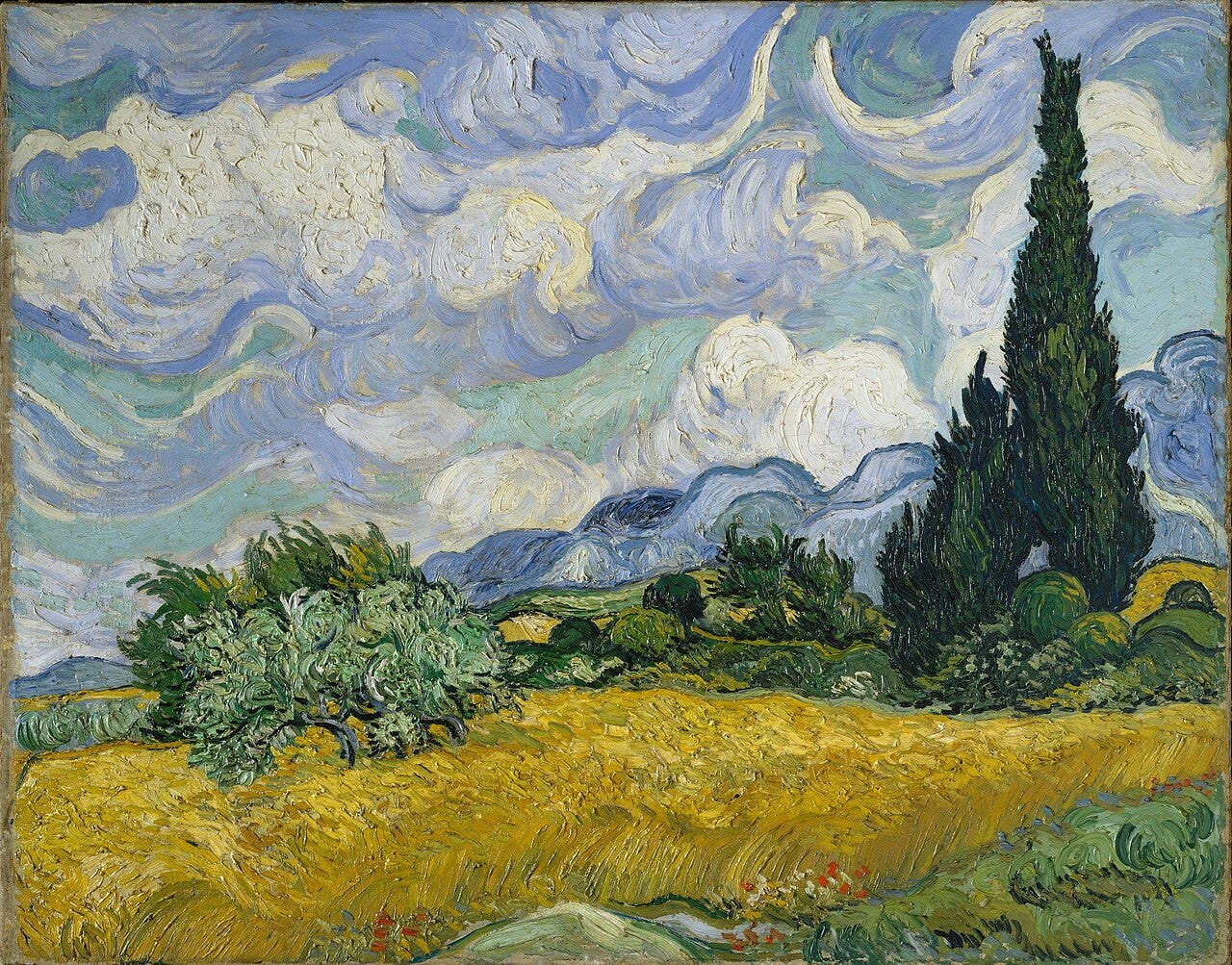
Impasto is the most imitated surface in the world.
Anytime texture is used to make something feel handmade, emotional and real, that is the impasto instinct. You have seen it this week:
Phone wallpapers and “oil painting” filters. They fake impasto texture to feel rich and artistic.
Palette knife art all over social media. The whole appeal is the thick, satisfying, edible looking paint.
3D and game design. Artists add fake brushstroke texture to make digital scenes feel painted and warm.
Luxury packaging and album covers. Embossed, raised, textured surfaces borrow the same “you want to touch it” power.
So when people say a painting is just a flat image, point at a real Van Gogh. You cannot photograph what makes it great. You have to stand there.
Where to see impasto in person
This is the one style you truly cannot judge from a screen. Go see it.
The Van Gogh Museum, Amsterdam. The deepest collection of the master. Lean in (without touching) and watch the ridges catch the light.
The Museum of Modern Art, New York. Van Gogh’s The Starry Night. The sky is built from thick, swirling rolls of paint.
The Musee d’Orsay, Paris. Van Gogh, and the Impressionists who loved loaded, broken brushwork.
The National Gallery, London. Rembrandt and Titian, to see where thick paint began.
Impasto, your thick paint questions
What is impasto in simple terms? Paint applied very thickly, so you can see and almost feel the texture and brushstrokes on the surface.
Why do artists use impasto? To add real texture that catches light, to show movement and emotion, and to make the surface of the painting feel physical and alive.
Who is the most famous impasto painter? Vincent van Gogh, whose thick, swirling paint became the most recognizable surface in art.
How is impasto applied? With a loaded brush, a palette knife, or sometimes squeezed straight from the tube onto the canvas.
Which artists are most famous for impasto? Rembrandt built thick highlights in his late portraits, and Van Gogh loaded whole canvases with ridged strokes. Later, painters like Lucian Freud kept the tradition alive.
More secrets to unlock


What a ridge of paint remembers
For centuries, the best painting tried to vanish. No brushstrokes, no visible hand, just a clean window you forgot you were looking through.
Impasto broke that rule. A ridge of paint records the exact speed and pressure of the hand that left it, frozen in place.
That is why a real Van Gogh stops me cold while a print does nothing. The print copies the image, and it cannot copy the gesture.
Conservators at the Van Gogh Museum now map his surfaces in 3D, ridge by ridge, because the texture itself is part of what they preserve.
