
Roughly 250 times. That is how often Claude Monet painted the water lily pond in his own garden at Giverny, over the final three decades of his life, from the 1890s until his death in 1926.
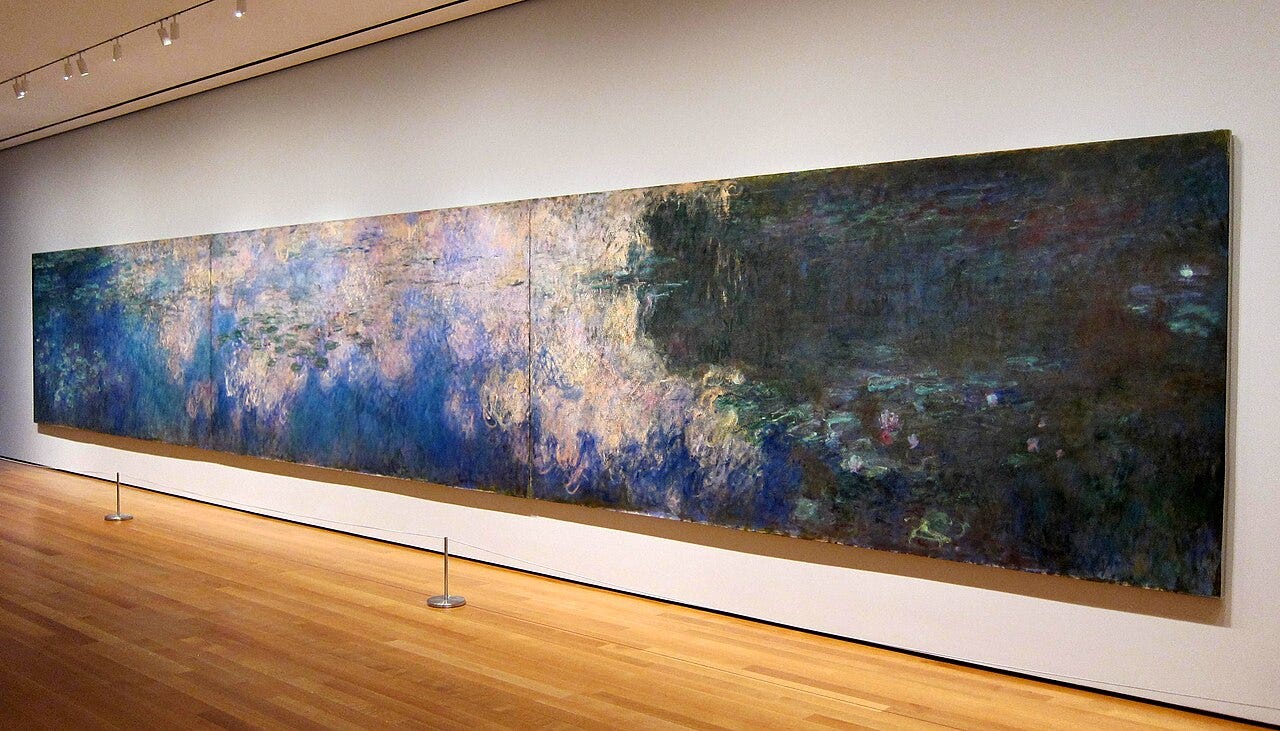
The short answer: Monet painted the water lilies about 250 times because his real subject was light, and light never repeats itself. Each canvas records one fleeting moment on a pond he built himself, a subject he could study every single day.
The longer answer starts with a real estate purchase.
He built the subject before he painted it
Monet moved to Giverny, a village in Normandy, in 1883. For ten years he painted other things.
Then in 1893 he began buying adjoining land and diverting a stream to build a water garden, complete with a Japanese style footbridge that he designed himself.
This detail changes the whole story. Instead of finding his subject ready made in nature, Monet built and shaped the exact pond he would then spend more than thirty years painting.
The pond was, in a sense, his first artwork. The 250 canvases came after.
The real subject was the light
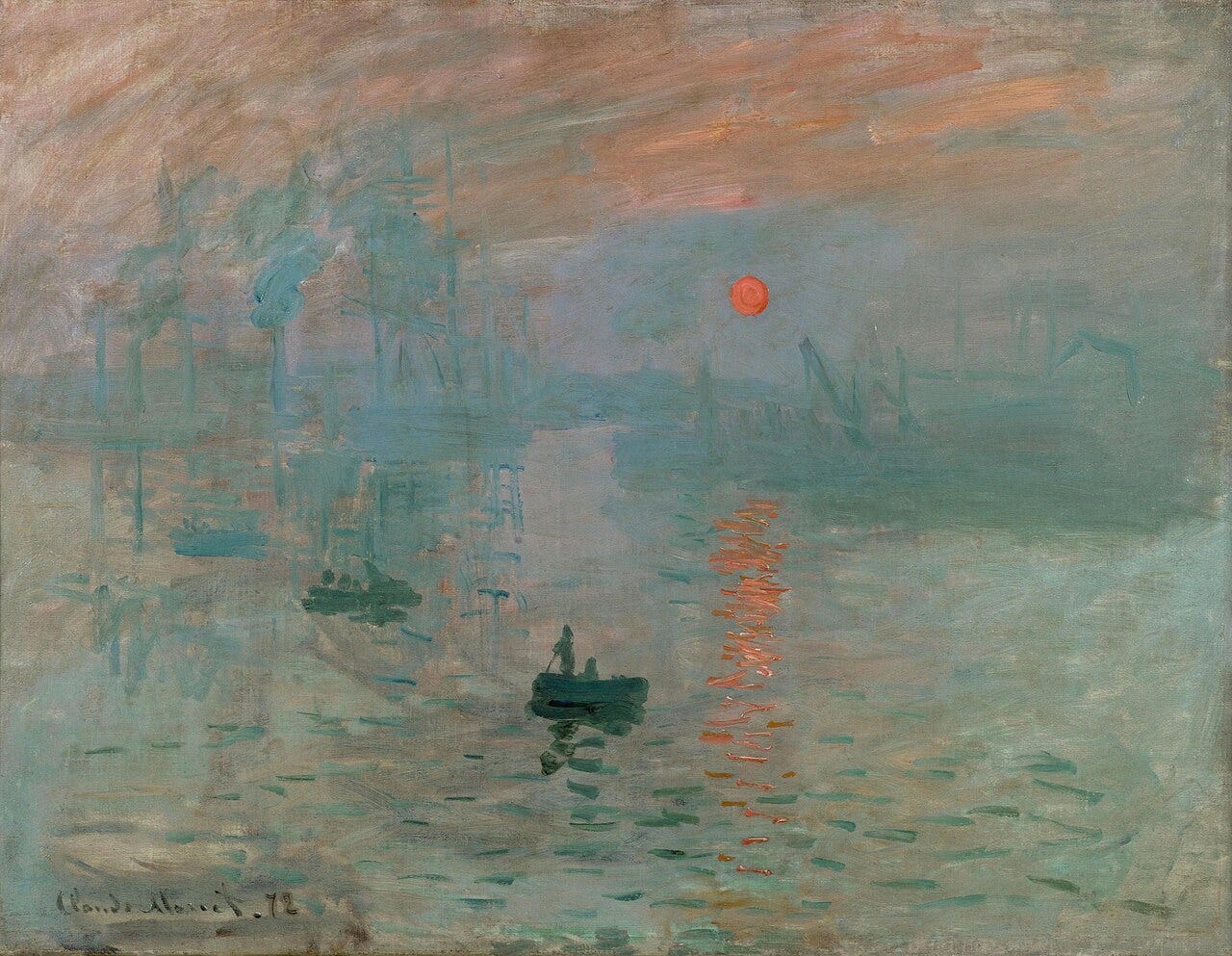
By Monet's own account, what preoccupied him was the way changing light transformed the pond, hour to hour and season to season. The lilies were the surface the light landed on.
A pond at 8 in the morning under haze and the same pond at noon under full sun are, for a painter of light, two different subjects. So are the pond in May and the pond in October.
That is why he often worked on several canvases at once, moving between them as the sun shifted position, racing to catch a specific moment before it dissolved into the next one.
Seen this way, the number stops being strange. Those roughly 250 canvases record 250 different moments that happened to share a location.
He had done this before
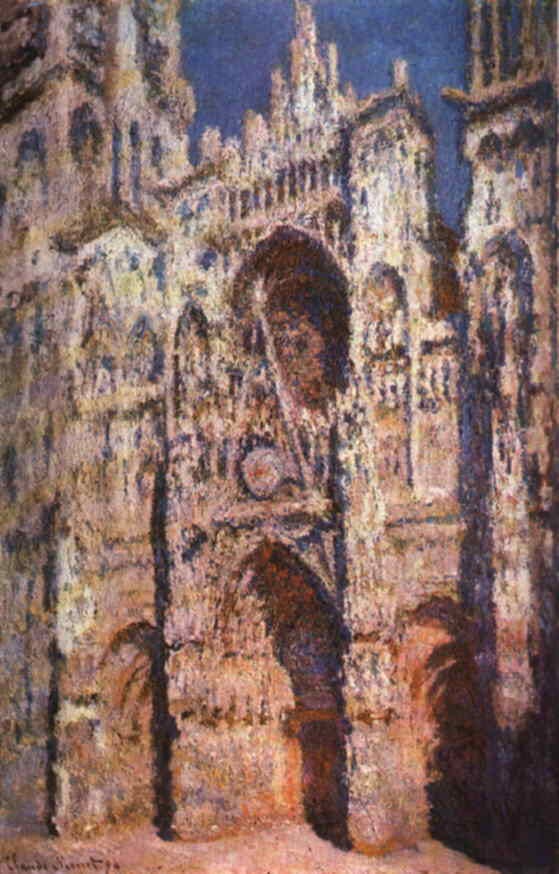
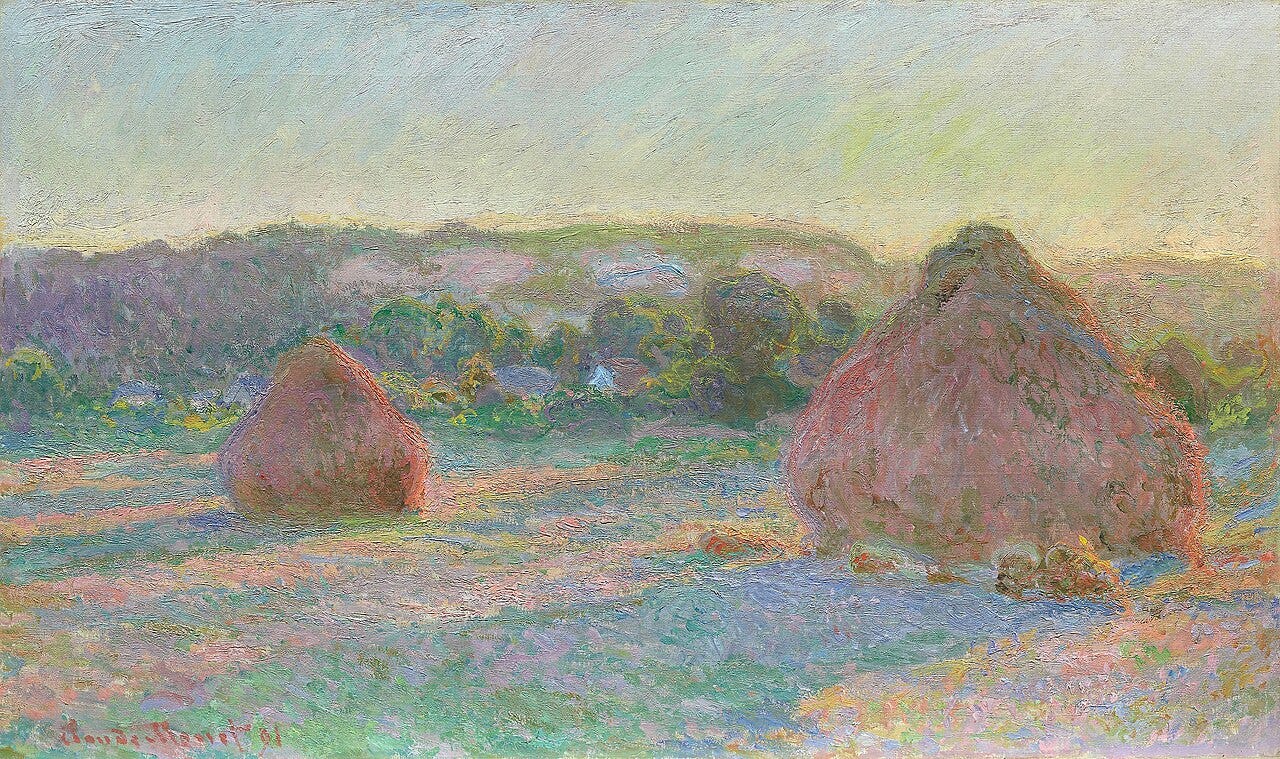
The water lilies were the largest version of a method Monet had already tested twice.
In 1890 and 1891 he painted his Haystacks series, the same stacks in the same field under different light and different seasons. From 1892 to 1894 he did it again with the facade of Rouen Cathedral.
Both series proved the same point: repeat the subject, vary the conditions, and the light itself becomes the subject. The pond at Giverny simply gave him a version of that experiment he could run from his own backyard, every day, for the rest of his life.
Painting the pond half blind
There is a harder chapter in this story. Monet's eyesight failed him.
In January 1923, at age 82, after resisting for years, he finally underwent cataract surgery on both eyes. The recovery was difficult and imperfect.
Afterward he perceived certain colors differently than before. He had to relabel his paint tubes and adjust his entire approach to mixing color to compensate.
And still he kept going. Despite his failing eyesight, Monet committed to an enormous late project, the Grandes Decorations, a series of monumental water lily murals that he donated to the French state.
Those murals were installed in two purpose built oval rooms at the Musee de l'Orangerie in Paris.
FAQ
How many water lily paintings did Monet make? Roughly 250 canvases of the water lily pond at Giverny, painted over about three decades, from the 1890s until his death in 1926.
Where was the pond Monet painted? In his own garden at Giverny, in Normandy. Starting in 1893 he bought adjoining land, diverted a stream, and built the water garden himself, including the Japanese style footbridge.
Was the water lily series his first series of repeated subjects? No. He used the same method in his Haystacks series in 1890 and 1891, and in his Rouen Cathedral series from 1892 to 1894, painting one subject under changing light.
Did Monet paint the water lilies while nearly blind? In his final years, yes. He had cataract surgery on both eyes in January 1923, at age 82, and afterward had to relabel his paint tubes because he perceived certain colors differently.
Where can you see the biggest water lily paintings today? At the Musee de l'Orangerie in Paris, where his monumental Grandes Decorations murals hang in two oval rooms built specifically for them.
The Orangerie rooms built to hold Monet's final water lily murals opened to the public on May 16, 1927, five months after Monet died in December 1926. He designed the pond, he painted the murals, and he never once saw them hanging in the room built for them.