
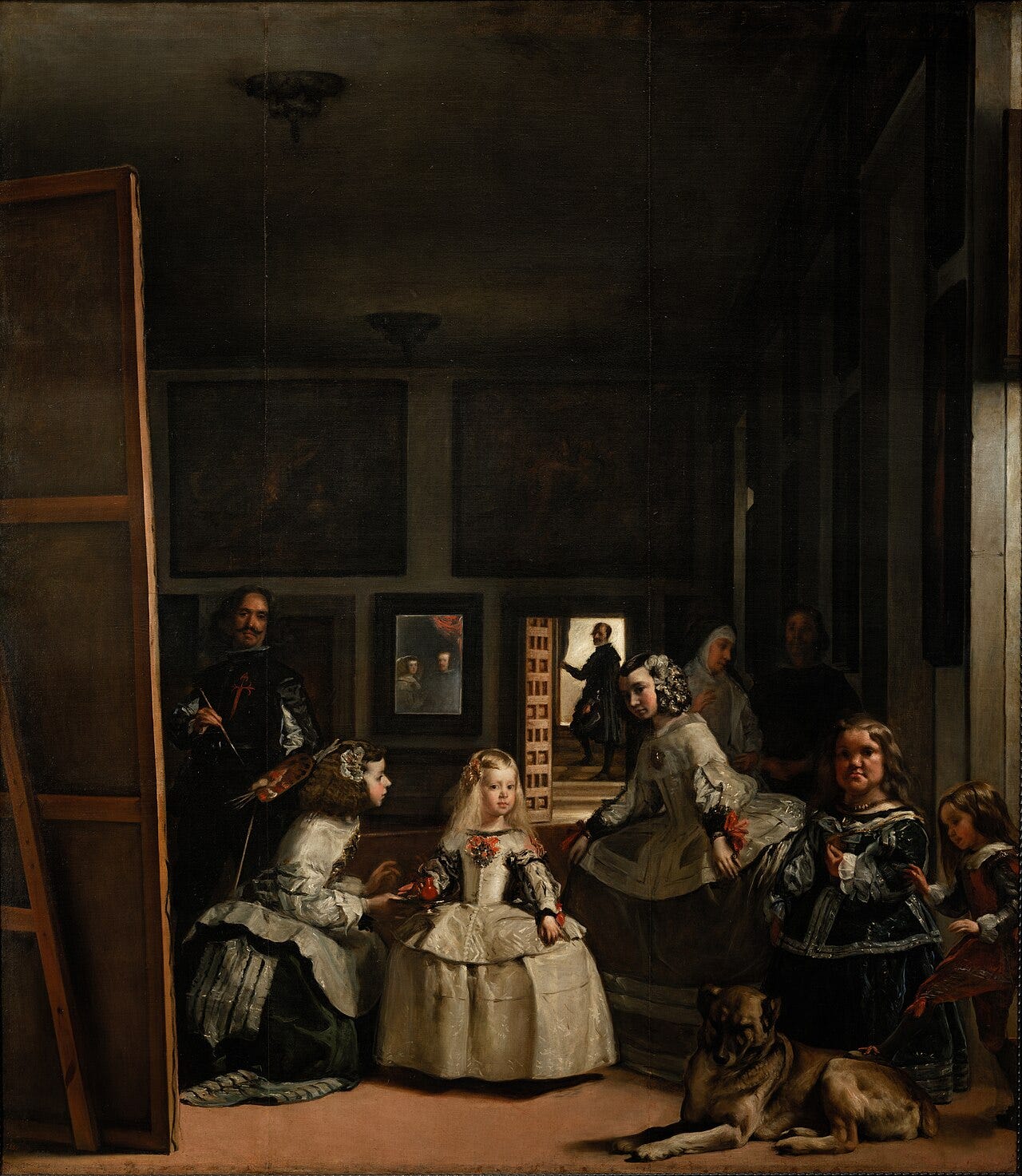
Behind Las Meninas hides a stranger life than most people know. Diego Velazquez spent more years as a royal servant than at his easel, freed an enslaved assistant who became a painter, and wears in that same picture a knight's cross that legend says the king added with his own hand.
Velazquez at a glance
Born in Seville in 1599, court painter to Philip IV by his mid twenties.
Left only around 120 paintings, fewer than almost any artist of his rank.
Owned and later freed his assistant Juan de Pareja, who became a painter himself.
Was knighted, a rare honor for a painter at the time.
Painted Las Meninas, the most analyzed picture in the world.
Keep learning art the fun way
The king turned a genius into a clerk
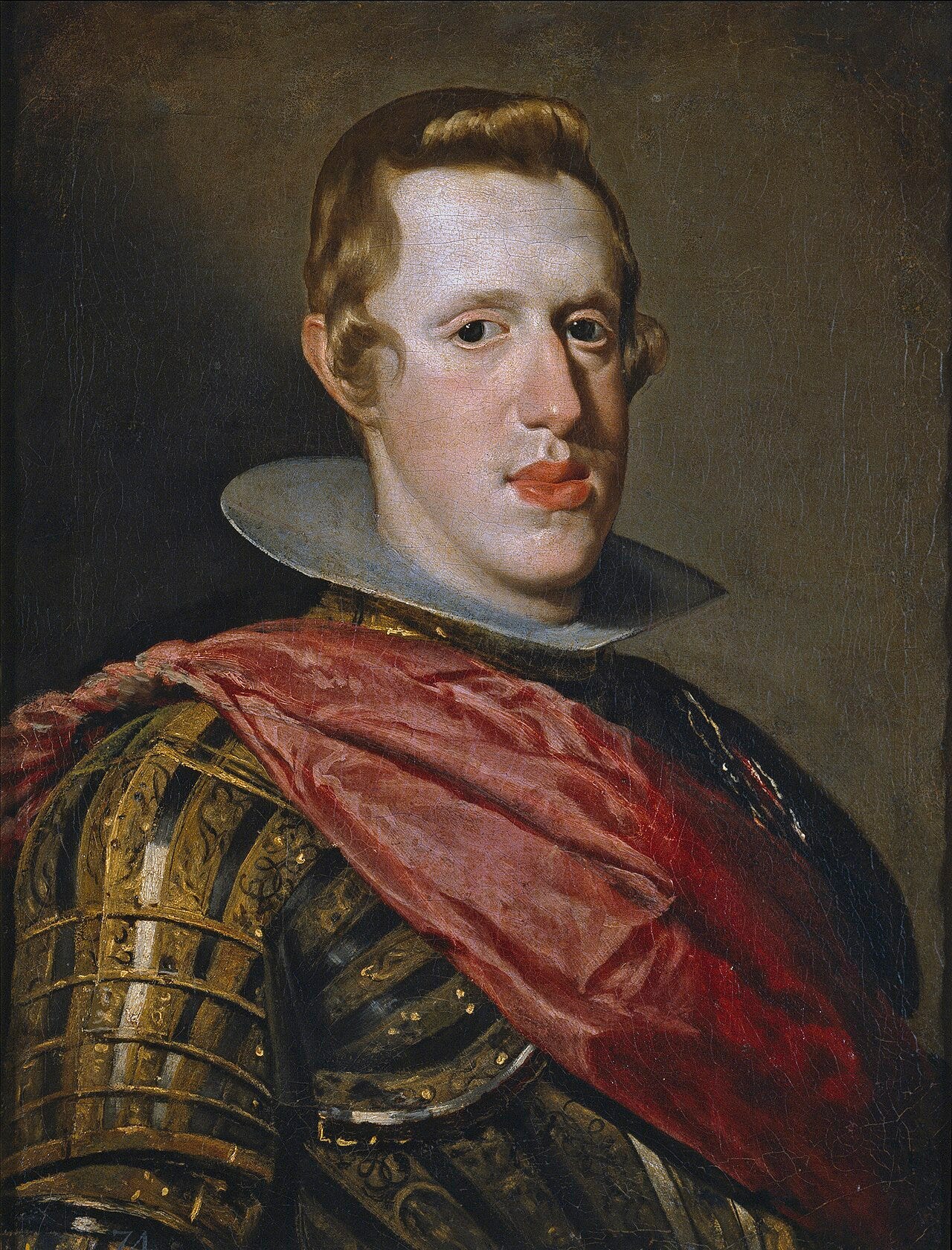
The strangest fact about Velazquez, to me, is how little he painted. Only about 120 works survive, because the king kept promoting him into palace jobs.
He ended up as a senior court official in charge of the royal apartments and travel, hanging tapestries and arranging rooms when he could have been painting. Being the king's favorite cost him his own art.
He freed the man he had enslaved
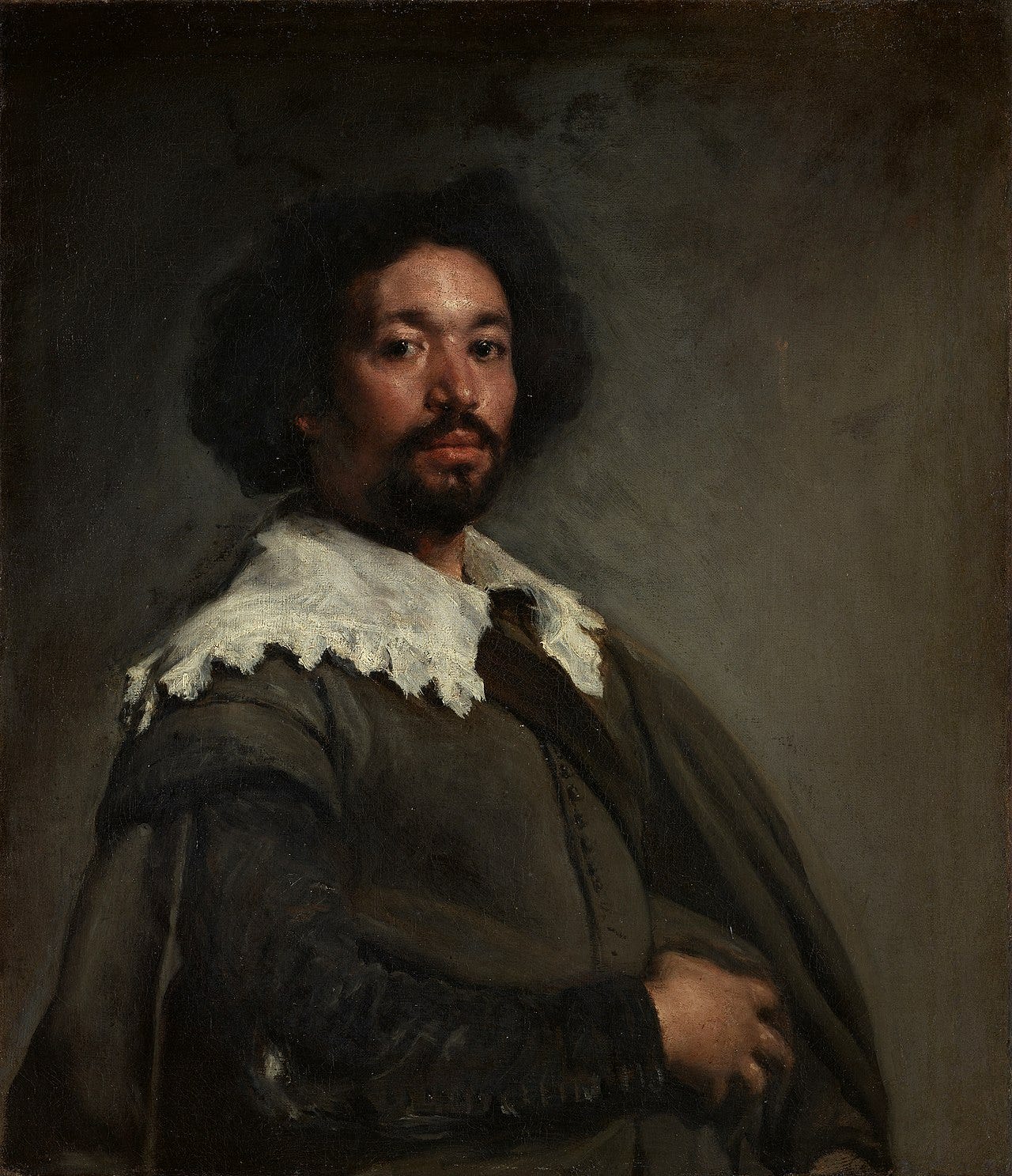
Velazquez owned an enslaved studio assistant of mixed heritage, Juan de Pareja. On a trip to Rome he painted Pareja's portrait, and it astonished the city.
Soon after, he signed his freedom. Juan de Pareja went on to become a respected painter, and that portrait set an auction record when the Metropolitan Museum bought it in 1971.
A cross painted by a king
In 1659 Velazquez was made a knight of the Order of Santiago. To qualify he had to prove he had no Jewish or Moorish ancestors and had never stooped to selling a painting for money.
In Las Meninas he wears the order's red cross. He added it after the honor came through, and legend, never proven, says King Philip himself picked up the brush to paint it on.
The pope called it too truthful
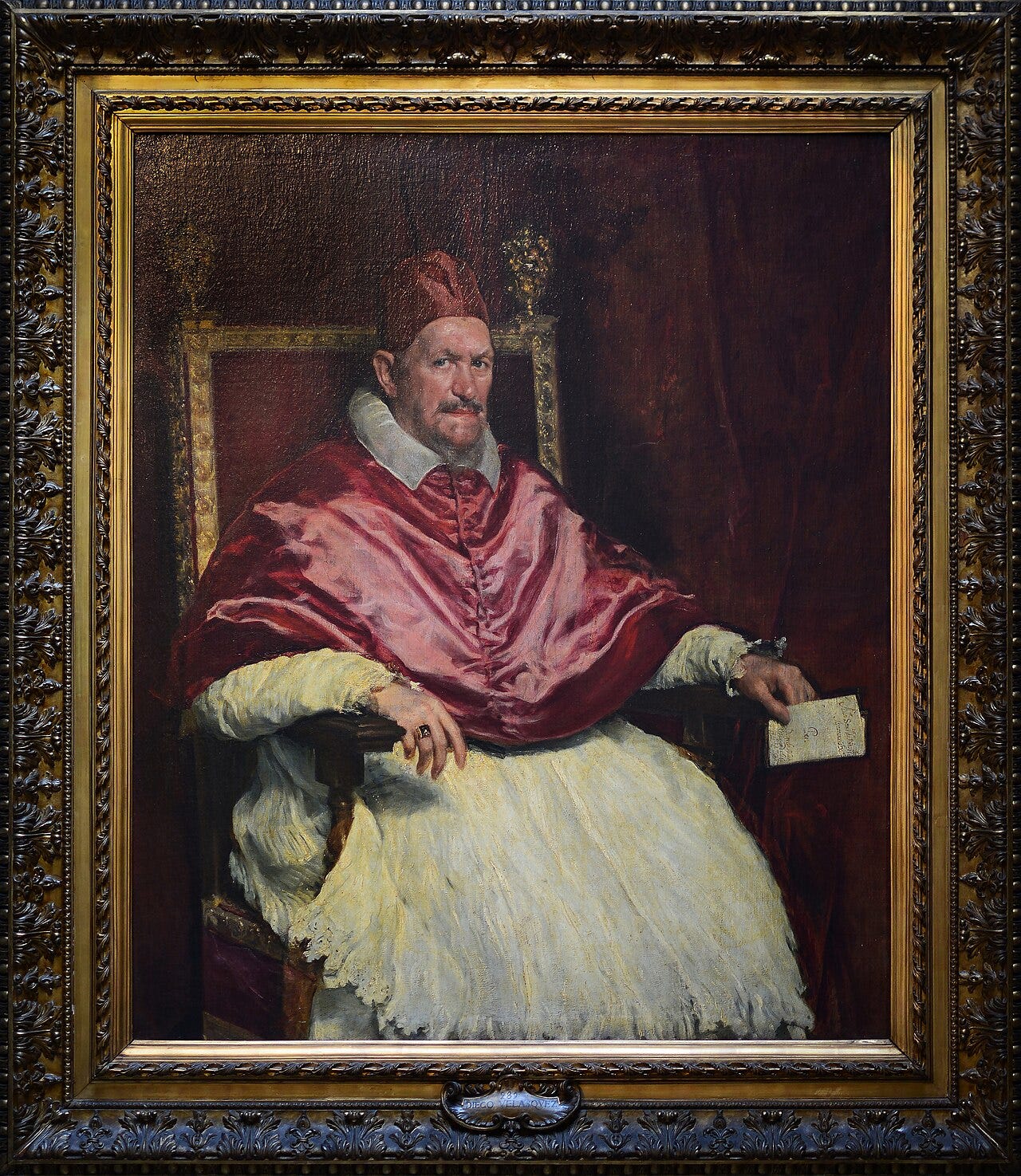
His portrait of Pope Innocent X was so sharp that the pope reportedly muttered it was troppo vero, too truthful. Three centuries later Francis Bacon turned it into his screaming popes.
Why painters keep copying him
In 1957 Picasso locked himself away and repainted Las Meninas fifty eight times. Goya, Manet and Bacon all circled the same Spanish room.
No one has ever fully solved the mirror at its center, where the king and queen appear exactly where you are standing.
How many paintings did he leave? Only about 120, because his court duties swallowed his time.
Did he really free his slave? Yes. He had enslaved Juan de Pareja, then freed him, and Pareja became a painter in his own right.
How did he die? Of a fever in 1660, worn out after organizing a royal wedding on the French border.
More secrets to unlock
Only about 120 paintings
Around 120 paintings in a career of nearly forty years. The greatest painter of the Spanish Golden Age was kept so busy being a courtier that he barely got to paint. I lay out that whole double life in the complete story of Diego Velazquez.