
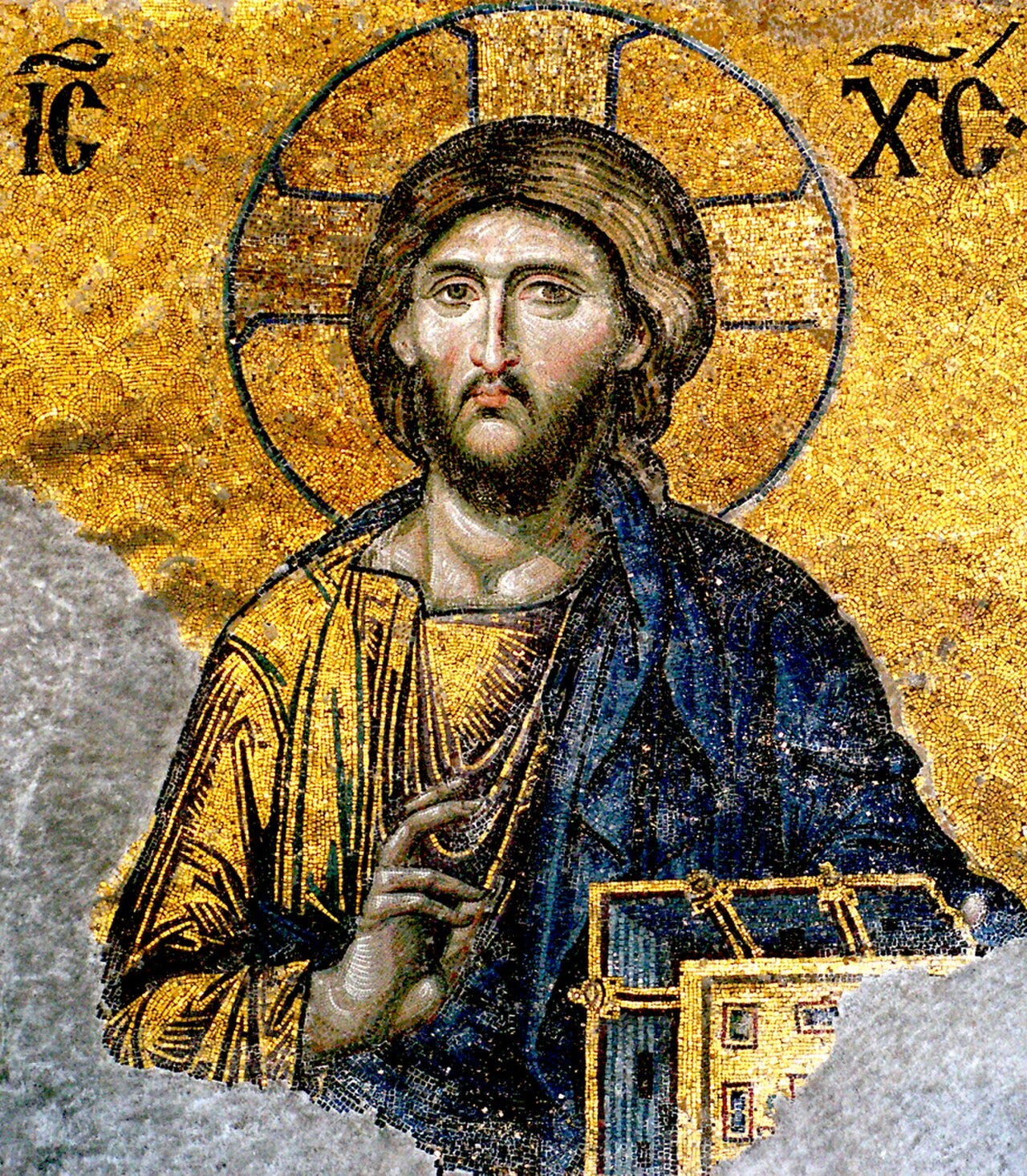
Byzantine art is the golden, sacred style of the Eastern Roman Empire, built on glowing mosaics, holy icons and flat, frontal figures floating on backgrounds of pure gold. It is art designed to feel eternal.
It ruled the Christian East for over 1,000 years, from 330 to 1453.
The thing that unlocked Byzantine art for me is counterintuitive: the flatness is the whole point. Duccio led that same shift away from flat Byzantine gold grounds into a new Italian style working in Siena, a story told in the Duccio complete story.
Byzantine art looks “flat” on purpose. It is not failed realism. It is the opposite of realism, by design.
Western art would later chase the illusion of the real world: depth, weight, shadow. Byzantine art refused all of that.
Its figures stare straight out, weightless, on endless gold, because they are not meant to depict the physical world. They are windows onto eternity, a place with no time, no shadow and no decay.
Three features mark the style at a glance: gold backgrounds standing in for heaven rather than a real setting, frontal figures facing straight out instead of posed naturally, and gold halos ringing the heads of Christ, Mary and the saints.
Once you understand that, the “stiffness” becomes its power.
Byzantine in one minute:
The empire: the Eastern Roman Empire, capital Constantinople, founded in 330.
The look: gold backgrounds, mosaics, flat frontal figures, icons, deep symbolism.
The meaning: the gold is divine light, heaven, eternity, not a real setting.
The icon: a holy image treated as a window to the sacred.
It outlasted the West by 1,000 years and shaped both Medieval and early Renaissance art.
Keep learning art the fun way


What does Byzantine mean?
It is named after a city that changed its name.
In 330, the Roman emperor Constantine moved his capital east to the old Greek port of Byzantion and renamed it Constantinople, the city of Constantine. This Greek speaking, Christian Roman state then endured for more than eleven centuries.
Its people never called themselves “Byzantines.” They called themselves Romans. The name “Byzantine” was invented by later historians.
So this is the art of the Roman Empire that did not fall in 476, the half that lived on, in the East, for another thousand years.
While the Western half collapsed and slowly rebuilt itself through the Romanesque age, the East stayed rich, sophisticated and unbroken, and its gold ground style still shows up in the gothic and medieval paintings that came out of the West.
Why all the gold?
This is the question everyone asks, and the answer unlocks the whole style.
Gold is not decoration here. It is theology.
A gold background has no horizon, no sky, no ground, no time of day. It is a non place. By setting holy figures against pure gold, Byzantine artists lifted them out of the physical world entirely and into the eternal, golden light of heaven.
When candlelight flickered across a gold mosaic in a dark church, the whole surface seemed to move and glow, alive. The divine was not depicted. It was made to feel present.
The icon: a window, not a picture
Here is the idea at the heart of Byzantine art.
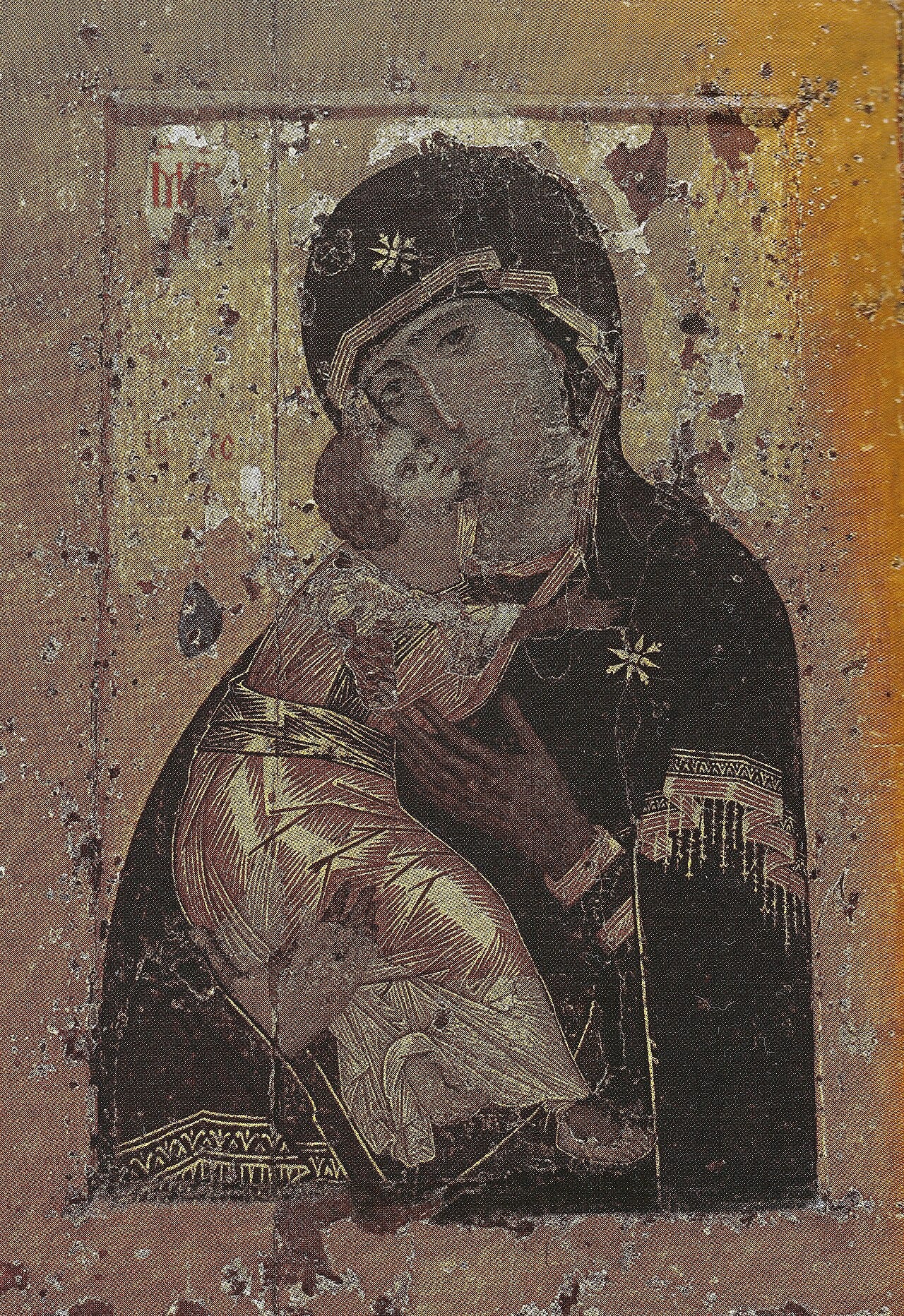
An icon (from the Greek for “image”) is not just a painting of a saint. It was believed to be a kind of doorway, a point where the holy could be reached. People did not pray to the wood and paint. They prayed through it.
This was so powerful, and so controversial, that it tore the empire apart. For over a century (the Iconoclasm controversy, roughly 726 to 843), Byzantines violently argued over whether holy images were sacred or sinful idols, and destroyed many.
The image won. And the icon tradition it preserved still defines Orthodox Christianity today.
What to look for in Byzantine art
Once you know the signs, you can spot it instantly. Look for:
Gold everywhere. Backgrounds, halos, robes, woven into the very surface.
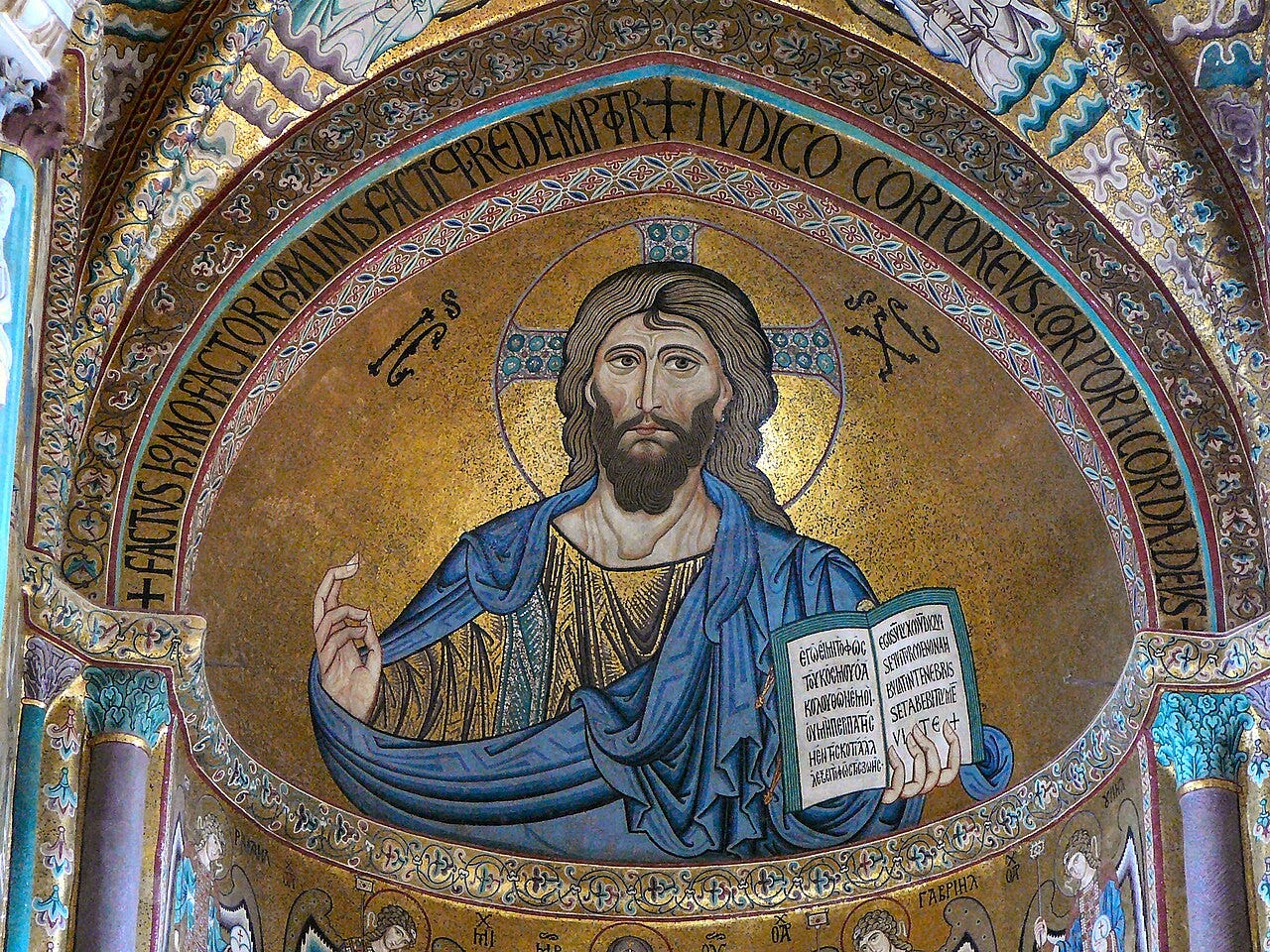
Mosaics. Images built from thousands of tiny glass and stone cubes that catch the light.
Flat, frontal figures. Facing you directly, weightless, with large eyes and solemn faces.
Hierarchy of scale. Holier figures are larger, regardless of real space.
Almost no change for centuries. Byzantine art valued tradition over novelty. Stability was the point.
3 Byzantine works to know
Three works make the whole tradition click. Here are my picks, and why.
1. Hagia Sophia, Constantinople. The greatest church of the medieval world for nearly a thousand years.
Its vast dome seems to float on a ring of light, an engineering miracle built in just five years, in the 530s.
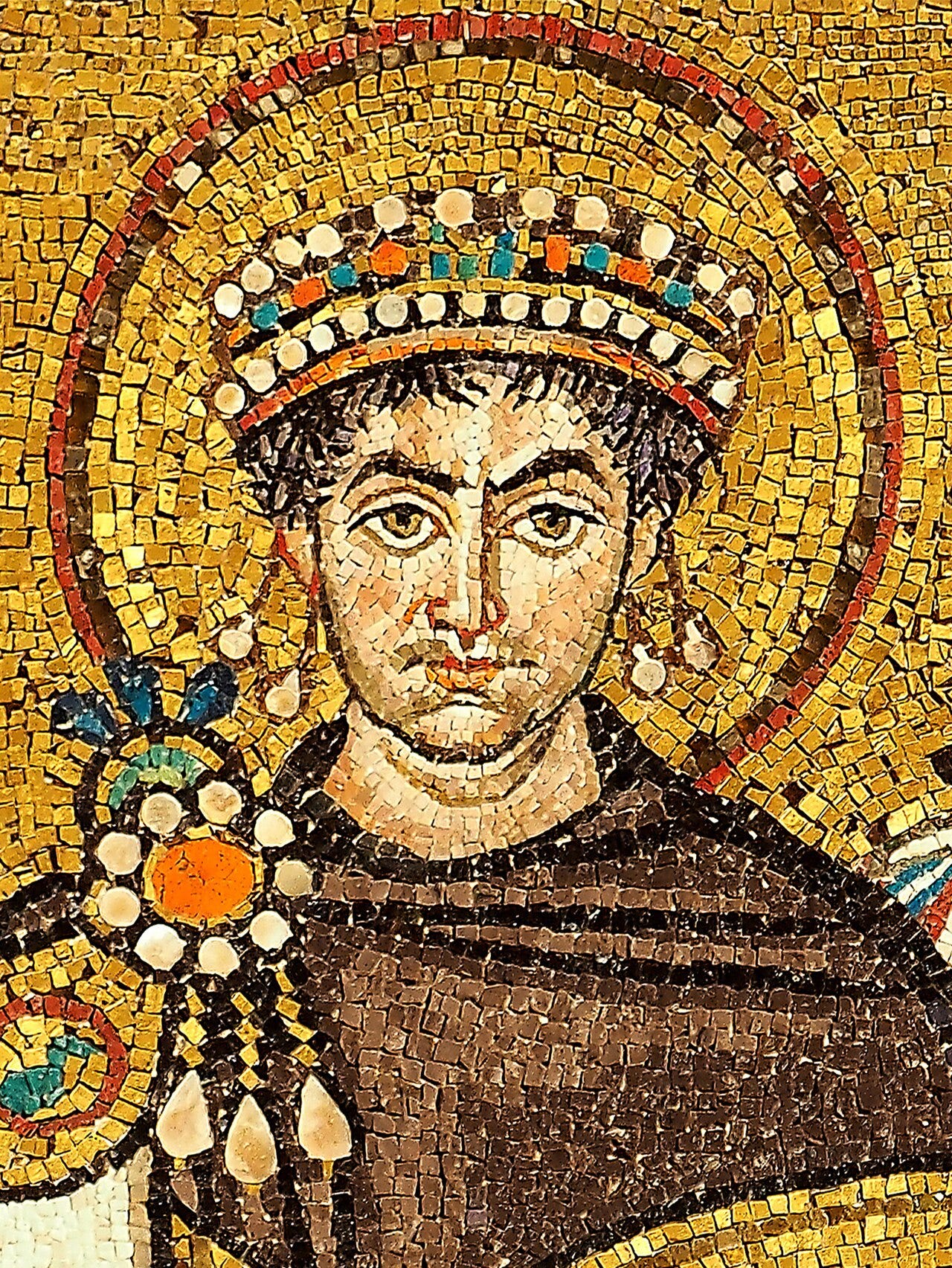
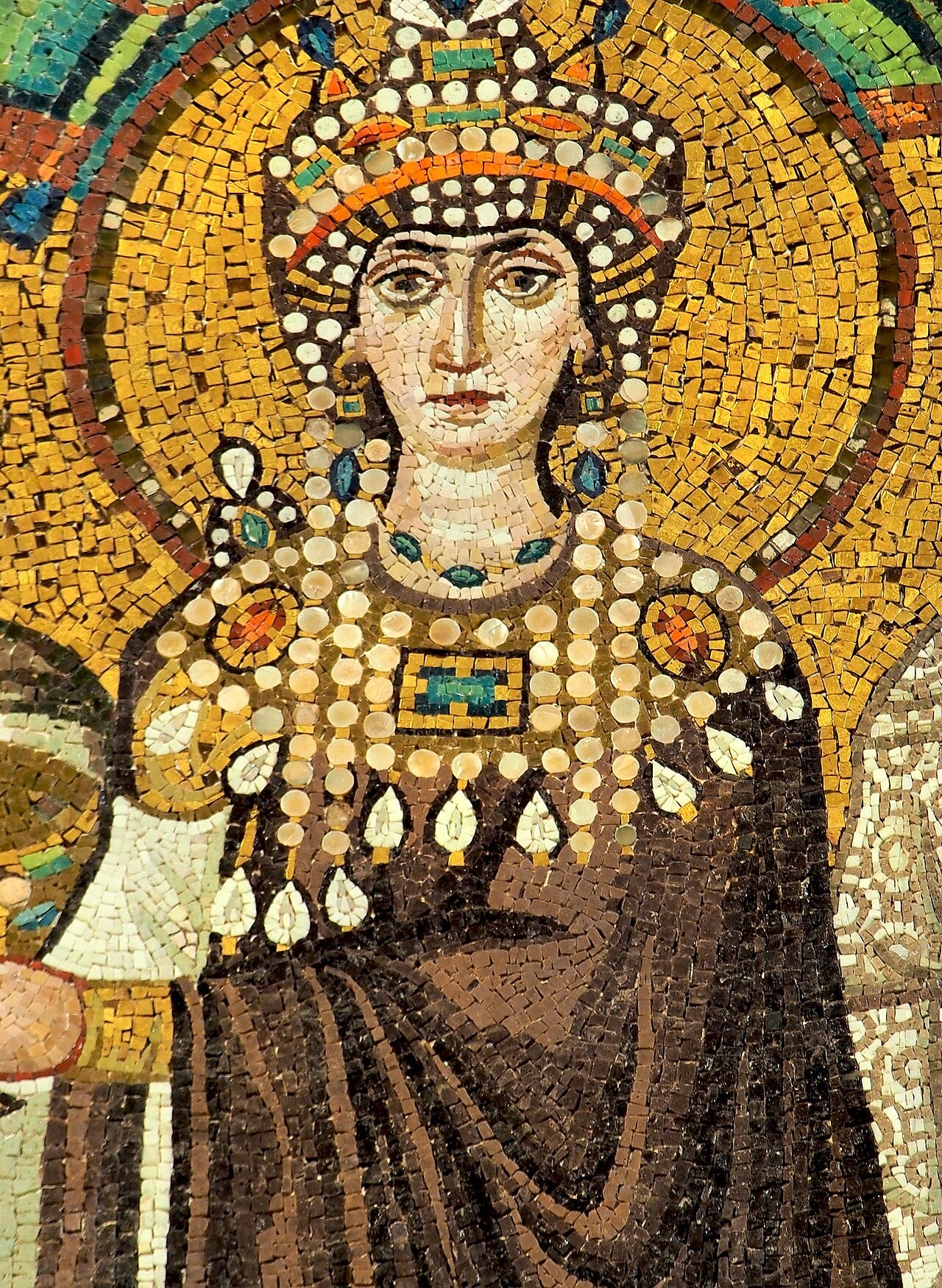
2. The mosaics of Ravenna. In this Italian city, the gleaming mosaics of San Vitale show the Emperor Justinian and Empress Theodora in gold, the finest Byzantine images to survive in the West.
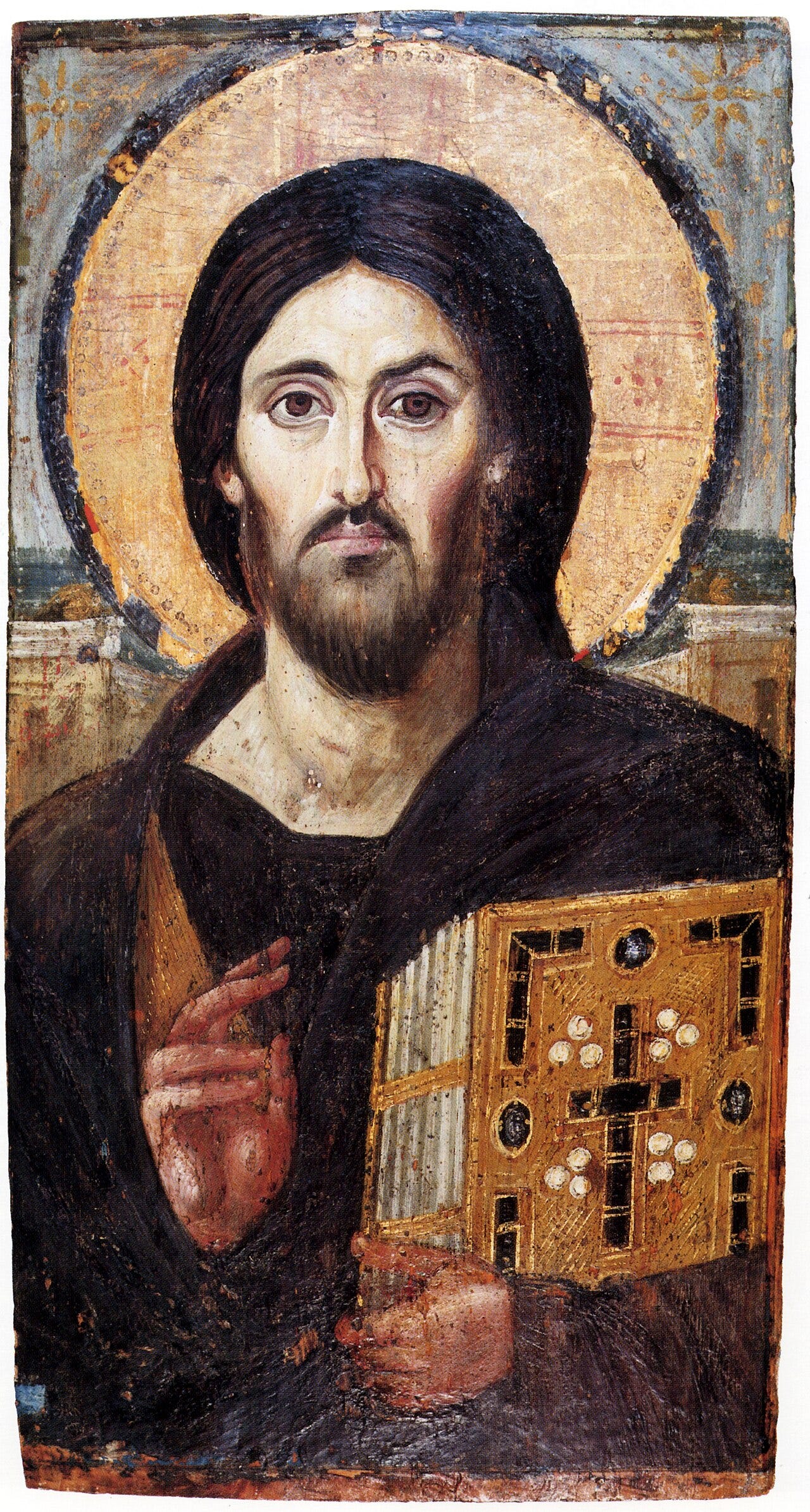
3. The icons of Saint Catherine’s Monastery, Sinai. Because this remote desert monastery was never sacked, it holds the oldest surviving icons on earth, faces that have been gazed at in prayer for 1,400 years.
Byzantine art shaped what came next
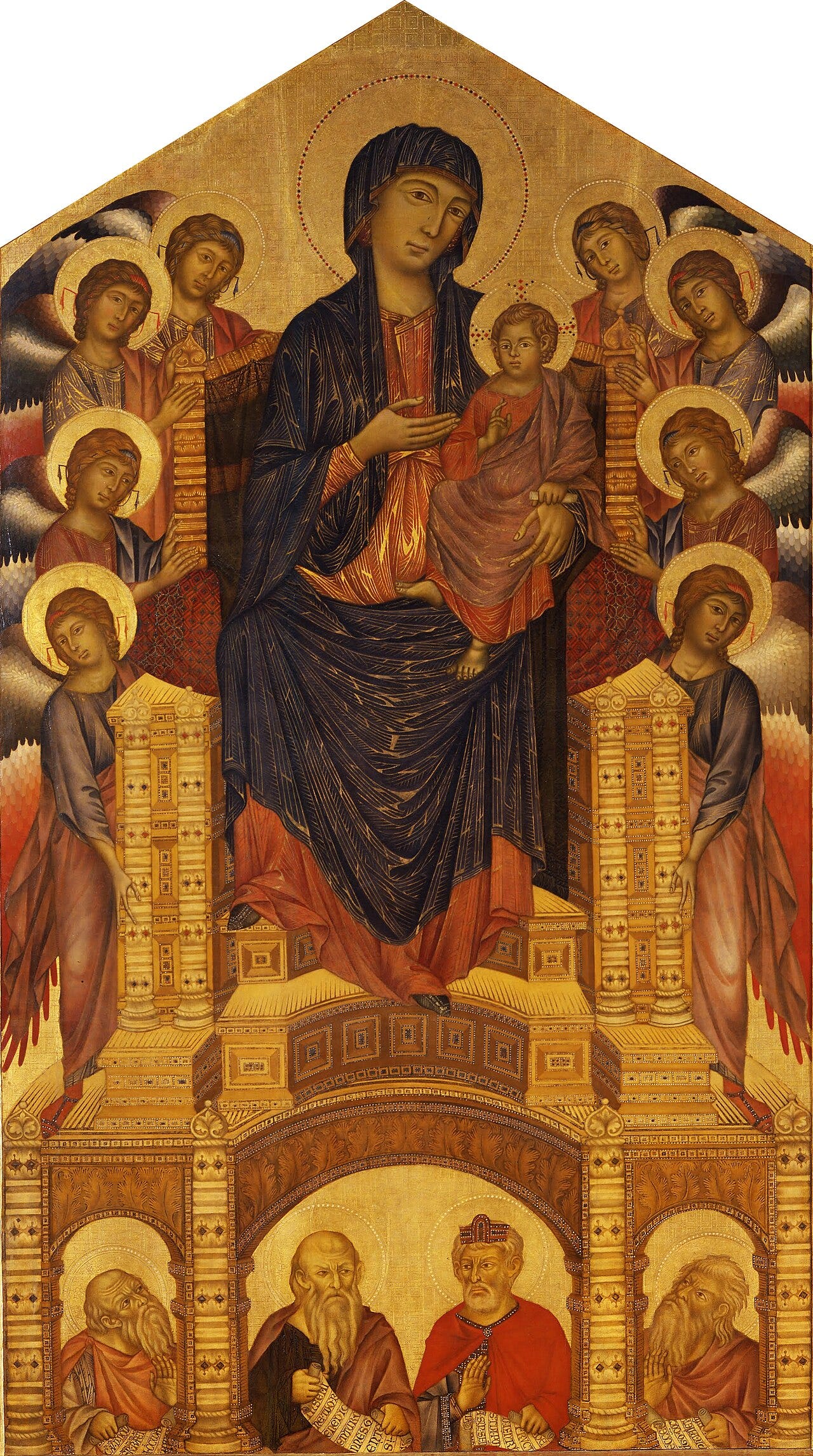
So the “flat” gold art most people walk past is the seed of everything that followed. That gold grounding fed straight into the Gothic style that followed.
Where to go see the gold
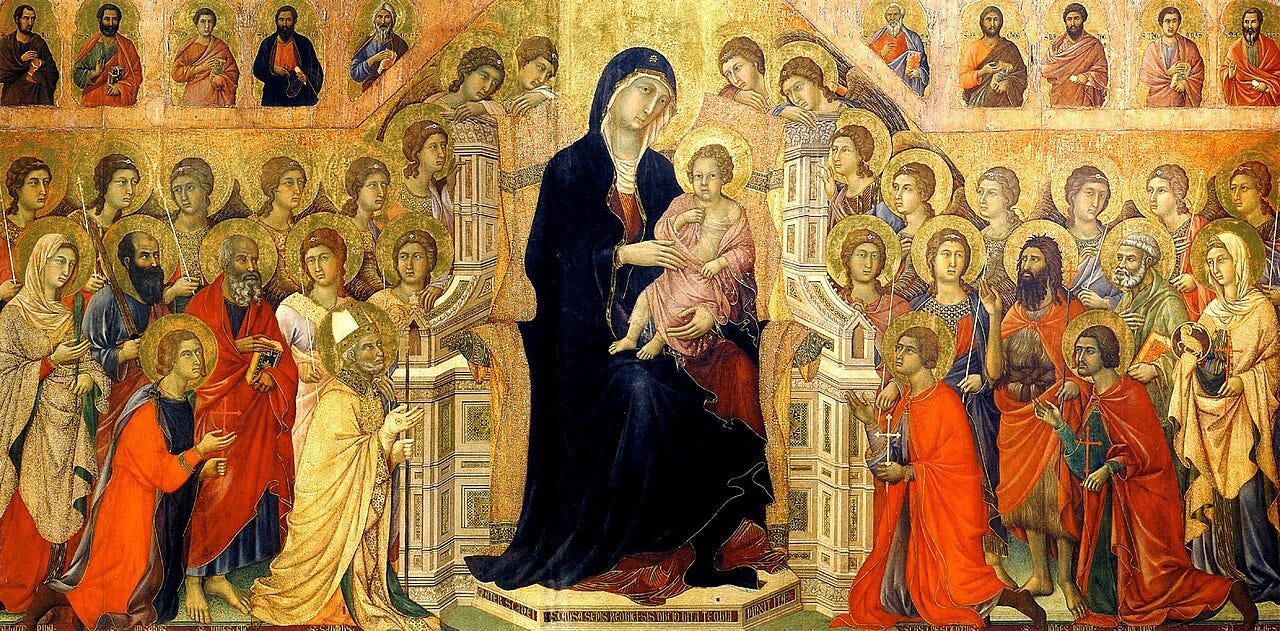
Next time you travel, here is where it glows.
Hagia Sophia, Istanbul. The heart of the Byzantine world.
Ravenna, Italy. The best Byzantine mosaics outside Istanbul, and far easier to photograph.
The Met and The Cloisters, New York. A deep collection of Byzantine icons, ivories and gold.
Venice, St Mark’s Basilica. A whole church sheathed in golden Byzantine mosaic.
Byzantine art, the golden questions
What is Byzantine art in simple terms? The sacred art of the Eastern Roman Empire, marked by gold backgrounds, mosaics and flat, frontal religious figures, made to feel eternal.
Why is Byzantine art so flat and gold? On purpose. The flatness and gold remove figures from the real world and place them in timeless, heavenly space.
What is an icon? A holy image, usually of Christ or a saint, treated not as a mere picture but as a window to the divine.
When did Byzantine art exist? From 330, when Constantinople was founded, until 1453, when the city fell to the Ottomans.
Why do Byzantine figures look flat and gold? The gold ground stands for divine, timeless space, not a real place. The flatness and frontal poses were deliberate, meant to point beyond the physical world to the sacred.
More secrets to unlock


An art that points past the body
Western eyes are trained to judge art by how real it looks. Does the skin look like skin, the cloth like cloth, the space like space. By that standard, Byzantine art “fails.”
But it was never trying to copy the world. It was trying to escape it. The flatness, the gold, the unchanging faces, all of it was a deliberate refusal of the physical, a way to point past the body toward the eternal.
That is a radical artistic choice, and a confident one. While the rest of art history chased the illusion of reality, Byzantium spent a thousand years perfecting the image of what lies beyond it.
If you ever want to feel what they were after, find the Christ icon at Saint Catherine's Monastery in Sinai.
Painted in the 6th century and never sacked, it has been gazed at in prayer for 1,400 years, and it looks straight back out of the gold, refusing to belong to any single moment.
