
Who Rejected Hitler from Art School?
The professor who refused him was Christian Griepenkerl, a German painter who had taught at the Vienna Academy since 1874. He died there on 22 March 1916, aged seventy seven, seventeen years before Hitler took power. He never knew.
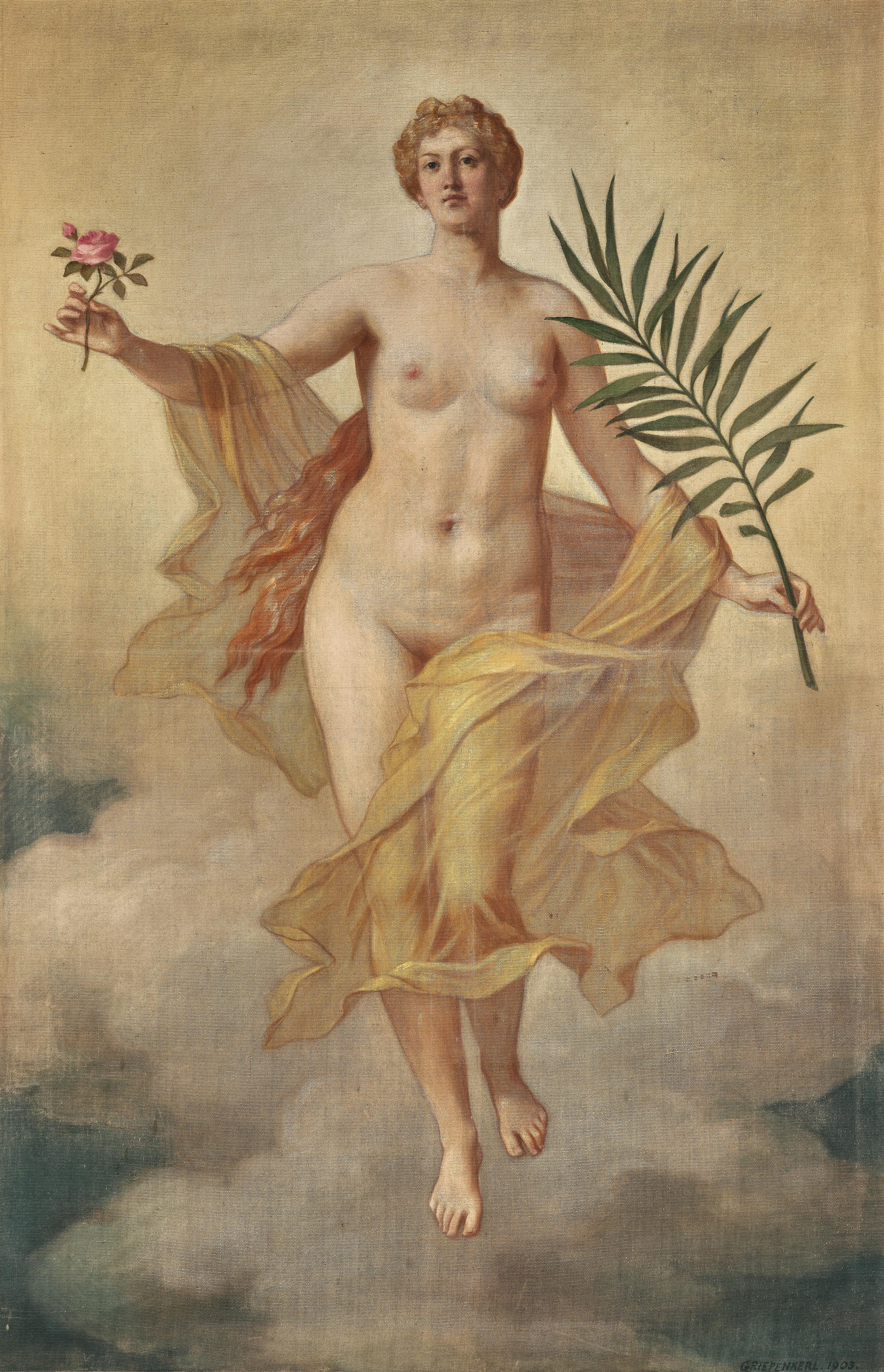
That is the answer, and it is the least interesting thing about him. Griepenkerl spent those same two years teaching a student who did have talent, and that student walked out on him.
If the list was not enough
These go past the caption and into what actually happened:
The Ambassadors, detail by detail, the object at the bottom that only works from one side
Luncheon of the Boating Party, detail by detail, who everybody at that table actually was
Ten women artists you need to know, the names the textbooks skipped
Who he was before any of this
Born in Oldenburg in 1839 into one of the town's leading families. He came to Vienna at sixteen to study under Carl Rahl, the great decorator of the imperial city.
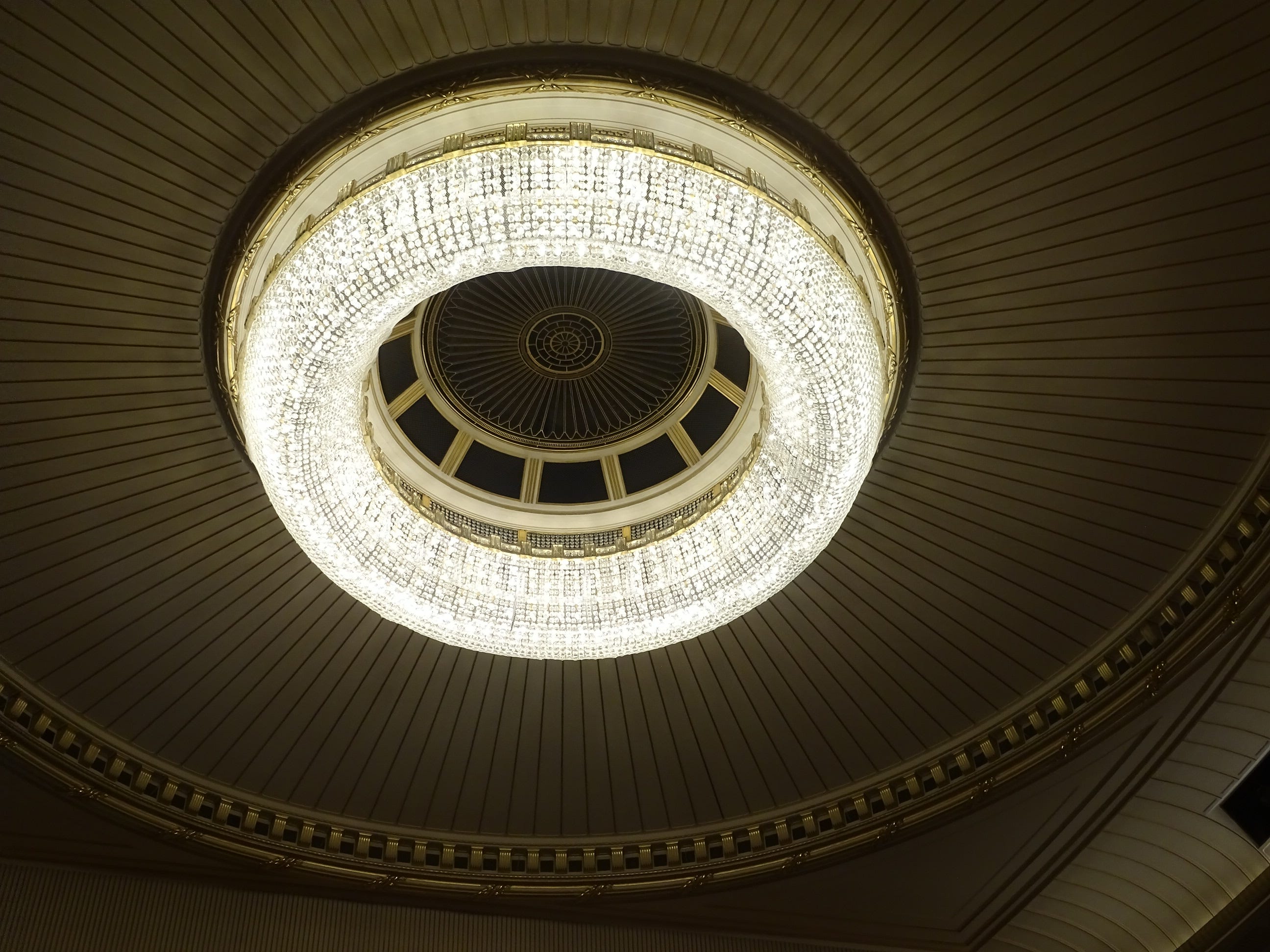
When Rahl died in 1865, Griepenkerl finished his master's unfinished commissions. He spent four years on the ceiling of the auditorium of the Vienna Opera. He painted the Prometheus cycle in the conference hall of the Academy of Sciences in Athens.
In 1874 he was made professor. From 1877 he ran the school of historical painting. He taught a whole generation of Viennese artists.
The student in the room next door
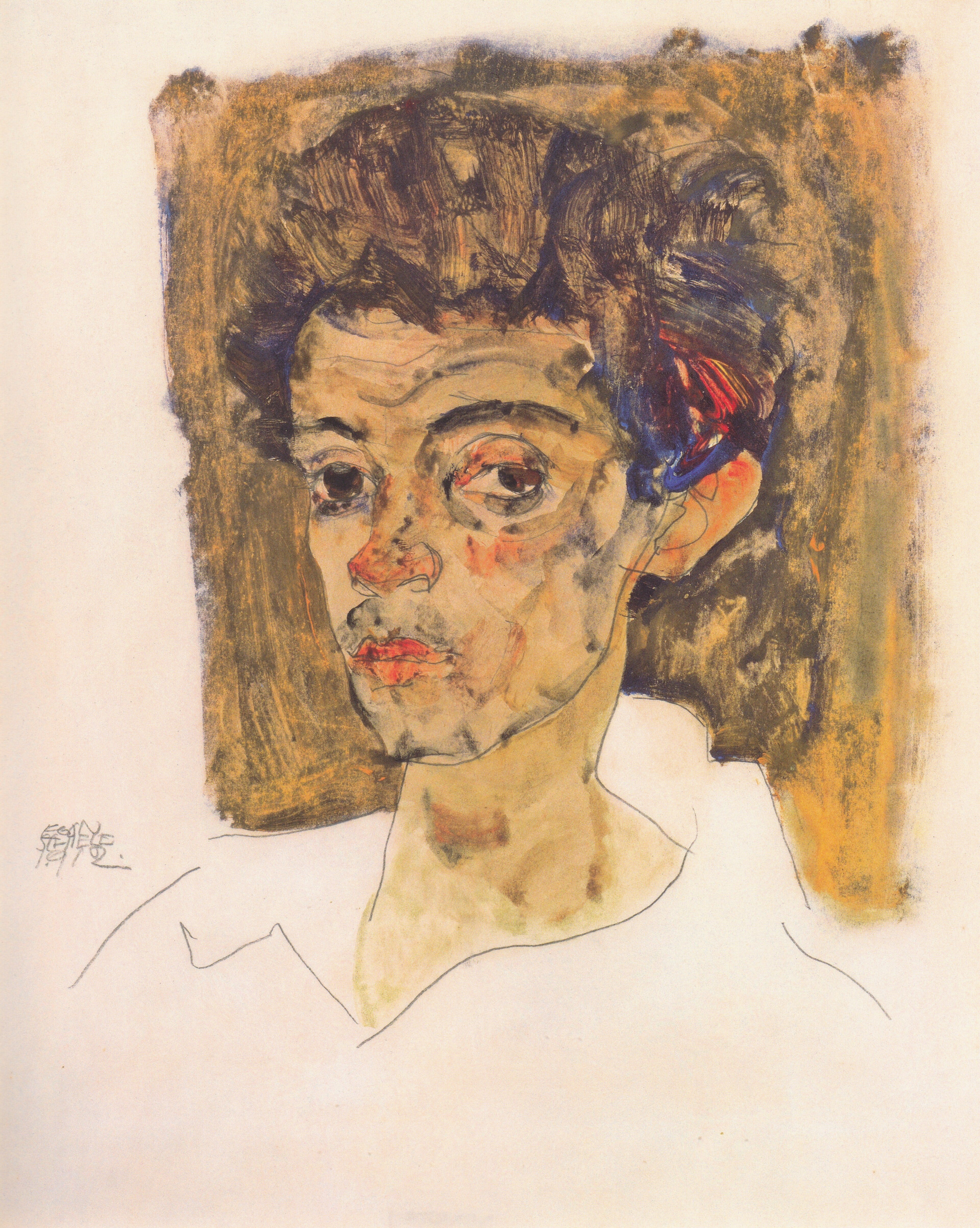
Here is the part nobody mentions. Griepenkerl's registers for 1906 to 1908 carry the name Egon Schiele.
The same professor, in the same two years, wrote off one applicant for drawing too few heads and had in his classroom the boy who would spend his short career drawing almost nothing but bodies.
It did not go well. Griepenkerl's teaching was rigid, and his students said so. Schiele left. A group of them broke away and founded the New Art Group.
Griepenkerl is said to have told Schiele that the devil must have defecated in his classroom. The line is repeated everywhere and I have never seen it in a document, so treat it as workshop legend rather than fact.
What is documented is the rest: the protests, the withdrawals, the breakaway. Schiele's own story is here.
What his eye was trained to want
Griepenkerl painted allegory and mythology, in the academic manner, with the human figure at the centre of everything. Oedipus led by Antigone. The wedding of Aphrodite and Adonis. Eve at the tree of knowledge.
In that tradition, a painter who cannot draw a body cannot paint at all. Buildings were the backdrop. Faces were the work. Read the verdict again with that in mind and it stops being cruel and becomes simply professional.
Academic art measured everything against the figure.
The ceilings he left behind
He decorated the Palais Ephrussi on the Ringstrasse, the Vienna house of a banking family whose collection was seized by the Nazis in 1938.
He also worked on the Palais Epstein, the Todesco palace, and a villa near Gmunden for the grand duchess of Tuscany. Most of it is still in place.
How it ended for him
What strikes me is the timing. He died in the middle of the First World War, at an age when a professor is simply an old man, and the name on that 1907 form meant nothing to anybody.
The man he later became had a taste in pictures of his own, and that story is here.
He was given an honorary grave at the Vienna Central Cemetery in 1912, four years before he needed it. He died in March 1916, in the middle of the war, and was buried there.
In 1924 the city named a street after him in the Hietzing district. Griepenkerlgasse is still on the map. It was named for the opera ceiling and the Athens frescoes, because in 1924 there was nothing else to name it for.
Questions people ask about him
Who exactly rejected Hitler? Christian Griepenkerl, professor at the Academy of Fine Arts Vienna, who assessed the 1907 drawing test and the 1908 application.
What happened to him afterwards? Nothing dramatic. He kept teaching, was given an honorary grave in 1912, and died in 1916 of old age.
Did he ever know? No. He died two years before the end of the First World War, long before the name meant anything to anyone.
Was he punished for it later? He was beyond reach. He had been dead seventeen years when the Nazis came to power, and the street named after him was never renamed.
Who else did he teach? Egon Schiele, Richard Gerstl, Carl Moll, Alfred Roller, Max Kurzweil, Carl Otto Czeschka, Anton Faistauer.
Was he a good painter himself? Competent and conservative. His reputation rests on the Vienna Opera ceiling and the Athens cycle, not on any single picture.
The sentence he is remembered by
Griepenkerl spent sixty years painting ceilings across Vienna and Athens, taught Schiele and Gerstl and Moll, and is now described in one line in most reference works as the man who rejected Hitler.
He wrote four words on a form in 1907 and they outlived everything else he did. The full story of the exam is here.