
Filippo Lippi was a Carmelite friar who painted the tenderest Madonnas of the early Renaissance and taught Botticelli, then scandalised Florence by running off with a nun, Lucrezia Buti.
To me he is where sacred art first learned to look human. Born around 1406 in Florence and dead in 1469 at Spoleto, he left tender panels now in the National Gallery and the Uffizi, and the son from his scandal, Filippino Lippi, grew into a fine painter too.
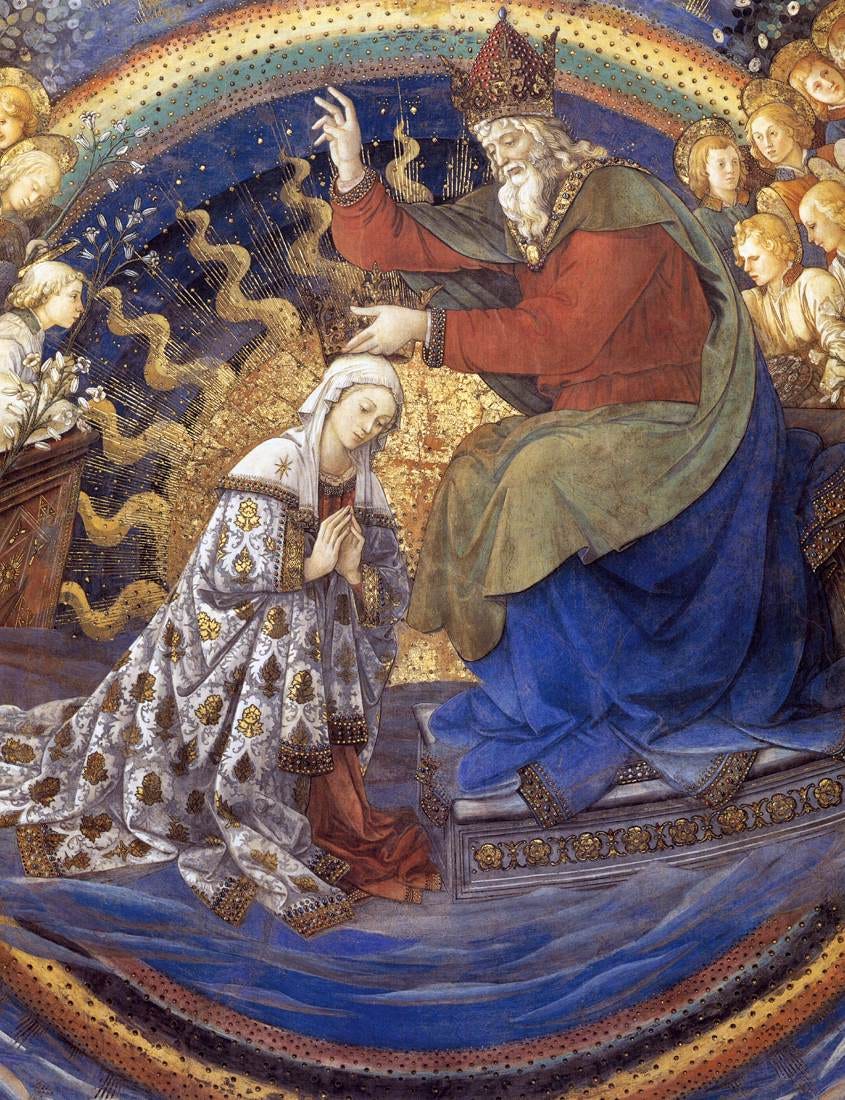
A Carmelite friar is sent to paint the nuns of a convent in Prato, and instead he falls for one of them, Lucrezia Buti, and carries her off.
It sounds like a scandal invented for a novel. It is the life of Filippo Lippi, one of the most gifted, and least monkish, painters of the early Renaissance.
More incredible painter stories
If Filippo Lippi pulled you in, you will love these too:


Lippi painted Madonnas of unusual sweetness and grace, taught the young Botticelli, and lived a life that gripped Florence and gave Vasari some of his juiciest pages.
Filippo Lippi at a glance
1406. Born in Florence around this year, orphaned young, and raised by the Carmine friars.
1421. Took vows at about fifteen, a friar with no calling for it.
1456. Ran off with the novice Lucrezia Buti while chaplain at Prato.
1461. The pope released the couple from their vows. They stayed together anyway.
1469. Died at Spoleto mid fresco. Lorenzo de’ Medici later paid for his tomb there.
Sweetness in tempera
Lippi painted tender, human Madonnas and saints, with gentle faces and flowing drapery, softer and warmer than the stern holy images that came before.
He worked in tempera painting, building luminous, delicate panels that helped move the early Renaissance toward real feeling.
The friar and the nun
Commissioned to paint at a convent, Lippi fell in love with a young nun named Lucrezia Buti and took her away with him, a scandal that gripped Florence.
According to Vasari, the Medici themselves intervened to smooth things over and release the pair from their vows. Their son, Filippino Lippi, grew up to become a fine painter too.
The nun herself is thought to have modelled for several of his sweetest Madonnas, so the woman at the heart of the scandal may also be the face of his most sacred panels.
The teacher of Botticelli
Lippi ran a busy workshop, and his most famous pupil was the young Sandro Botticelli, who took his master’s tender line and grace and carried them to new heights.
You can trace a clear thread from Lippi’s gentle Madonnas to the flowing beauty of the next Florentine generation. It is early Renaissance art learning how to be human.
A poison and a Medici tomb
Lippi died in Spoleto in 1469 while painting frescoes in the cathedral. Vasari spread a juicy rumour that he was poisoned by the relatives of a woman he had pursued, though there is no proof and it fits his legend a little too neatly.
What is certain is the honour that followed. Lorenzo de Medici had a marble tomb built for him in Spoleto Cathedral, with an epitaph by the poet Poliziano. A runaway friar was buried like a prince of art.
The Medici's favourite
Cosimo de' Medici protected Lippi and forgave his scandals because the painting was simply too good to lose. Legend says Cosimo once locked him in to make him finish a commission.
Lippi escaped down a rope of knotted sheets. Cosimo gave up trying to cage him and learned to manage his wayward genius instead.
The friar’s panels, from London to Florence
The Met in New York owns his double Portrait of a Woman with a Man at a Casement.
The National Gallery in London holds his Annunciation and other panels. His tender Madonna and Child with Two Angels, the picture that shaped the young Botticelli, hangs in the Uffizi in Florence.
A Florentine boy left with nothing
Filippo Lippi was born in Florence around 1406. Museums hedge the year, so treat it as an estimate rather than a fixed date.
His full name was Filippo di Tommaso di Lippo. He came from a poor family, and he lost his parents while he was still young.
With no one to raise him, the boy was handed to the Carmelite friars of Santa Maria del Carmine, the great church on the south bank of the Arno.
He grew up inside its walls. That accident of poverty, more than any calling, is what put a future painter in a friar's robe.
Vows at fifteen, a friar without a calling
In 1421, still a teenager, Filippo took his vows as a Carmelite. He would sign himself Frater Philippus, brother Philip, for the rest of his life.
The trouble was that he had almost no religious vocation. The National Gallery in London puts it plainly. He was not temperamentally suited to be a friar.
What followed reads less like a holy life and more like a court file. His years are a run of lawsuits, complaints, broken promises and scandal.
The habit stayed on, but the obedience never really took, and that gap between the robe and the man shaped his whole story.
Watching Masaccio in the Carmine
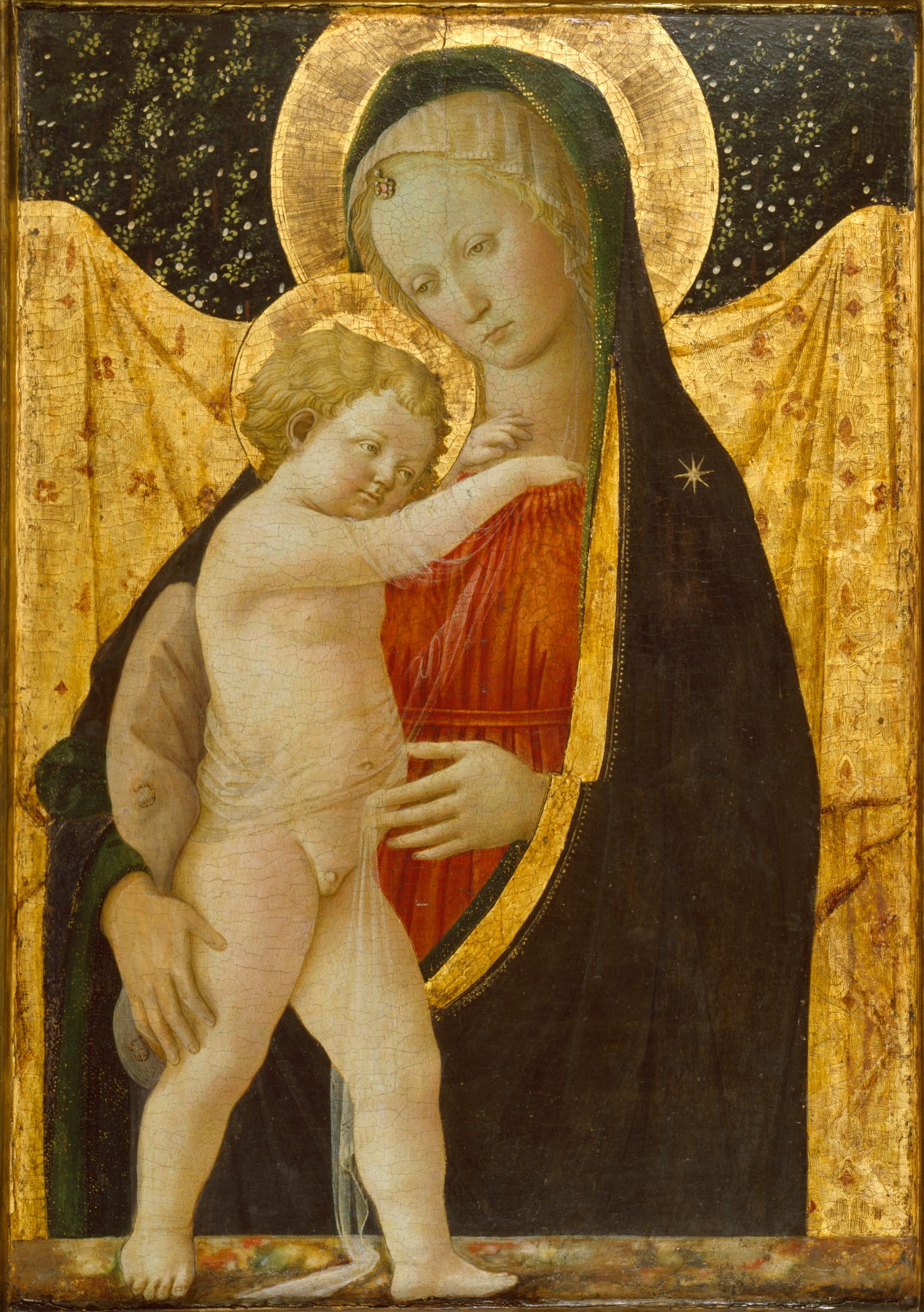
Filippo could not have picked a better place to learn. His own friary held the Brancacci Chapel, where a young painter named Masaccio was at work on frescoes that changed Florentine art.
According to Giorgio Vasari, the sixteenth century biographer, it was watching Masaccio paint there that turned Lippi toward painting. We should treat the anecdote with care, since Vasari wrote decades later.
But the influence is real and visible. His early pictures, such as the Tarquinia Madonna of 1437, lean heavily on Masaccio's solid, weighty figures. The classroom was his own home.
From weight to line
Masaccio gave Lippi a start, but Lippi did not stay in his shadow. From around 1440 his style turned in its own direction.
The heavy, sculpted bodies loosened. In their place came thin, fluttering draperies, fine brocades and a clear love of pattern. He grew known for the Virgin and Child, often in the round format called a tondo, which he was among the first painters to use widely.
The look he settled on is delicate and quiet, built on line and pale light rather than mass. It is the sweetness later painters would copy for generations.
The pirate story Vasari loved to tell
Here is the tale that made Lippi famous beyond his paintings. Vasari says the friar was seized by Barbary corsairs, carried off and held as a slave in North Africa.
The way out, so the story goes, was his pencil. He drew a portrait of his captor so well that the man freed him in wonder.
Enjoy it, but do not bank on it. Scholars call this part of the life romantically embroidered, and there is little hard evidence for it. It is one of the most colourful pages in Vasari's book, and probably closer to legend than record.
The choir at Prato and Salome's dance
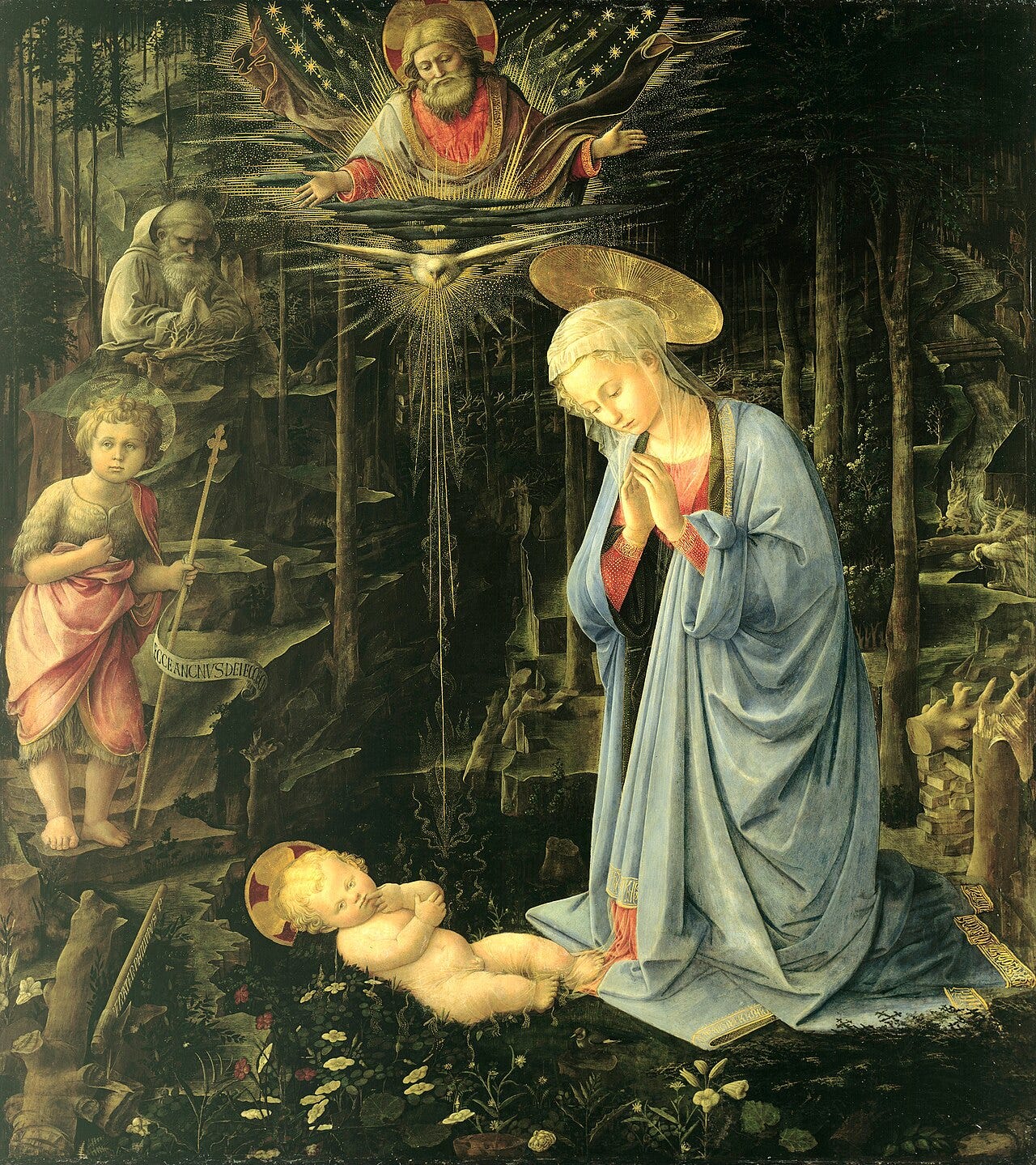
In 1452 Lippi began the largest job of his life. He took on the fresco cycle in the choir of Prato Cathedral, after Fra Angelico had turned the commission down.
He painted the lives of two saints, Stephen and John the Baptist, helped by his chief assistant Fra Diamante. The work dragged on for more than a decade, roughly 1452 to 1465.
Its most admired scene is the feast of Herod, where Salome dances before the guests and the Baptist's fate is sealed. Her figure glides across the wall with a grace that stayed with viewers. Many judge this cycle his finest work in fresco.
Lawsuits, debts and a charge of fraud
For all his steady commissions, Lippi never seemed to have money in hand. His life is dotted with quarrels over pay and unpaid debts.
At one point matters turned serious. He was accused of fraud, and was imprisoned and, by some accounts, tortured over the affair.
His powerful patrons pulled him out. The Medici, who valued his brush, came to his aid when he was in trouble with the law. So the picture is double.
A painter in constant demand, yet forever short of cash and tangled in disputes. The gift never fixed the finances.
Filippino, the son who finished the chapel
Lippi's affair with the nun Lucrezia Buti gave him a son, born around 1457, whom he named Filippino Lippi.
The boy learned the craft first from his father, then entered the workshop of Sandro Botticelli in 1472, three years after Fra Filippo died.
Filippino grew into one of the leading Florentine painters of his own generation. In a neat closing of the circle, he was chosen to finish the Brancacci Chapel frescoes that Masaccio had left incomplete in the family's old parish church.
The chapel that helped make the father was completed by the son.
The last work at Spoleto
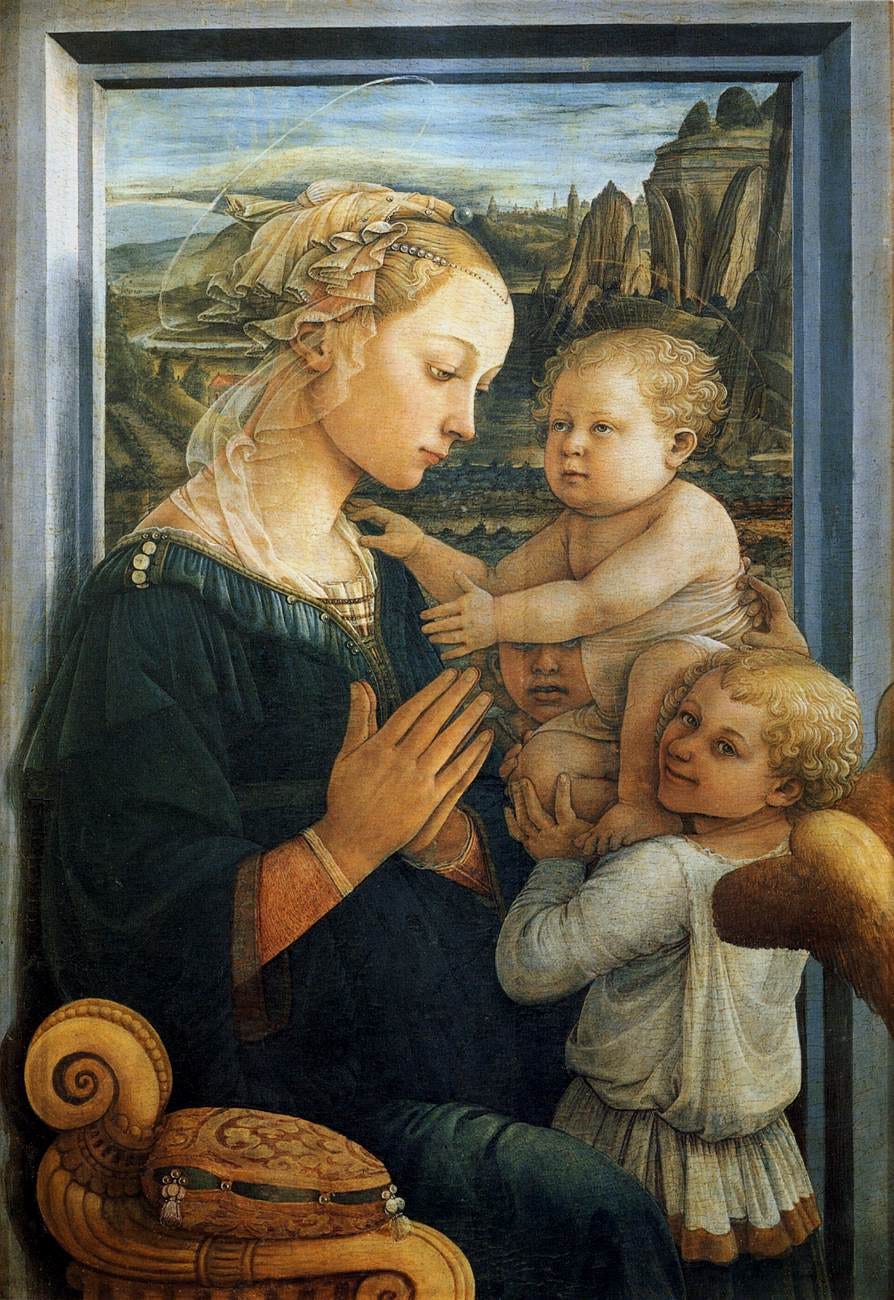
Lippi's final commission took him out of Tuscany. In 1467 he began frescoing the choir of the cathedral at Spoleto, in Umbria, once more with Fra Diamante at his side.
He did not live to finish it. He died in Spoleto in 1469, and Fra Diamante completed the work around the time of his death.
Florence wanted its painter brought home for burial. Instead he was laid to rest in Spoleto, where a monument to him stands in the cathedral.
Its inscription was written by the humanist poet Angelo Poliziano. The reluctant friar ended his days on a scaffold, brush in hand.
The Filippo Lippi questions that keep coming up
What is he known for? Tender, graceful Madonnas and being the teacher of Botticelli.
Did he really run off with a nun? Yes, with Lucrezia Buti; the Medici reportedly helped free them from their vows.
Was his son a painter? Yes, Filippino Lippi became a noted painter in his own right.
When did he die? In 1469, in Spoleto, where Lorenzo de Medici gave him a marble tomb.
Did the runaway nun pose for him? Yes. Lucrezia Buti is thought to have modelled for several of his sweetest Madonnas, so the woman at the centre of the scandal became the face of his holiest panels.
When and where was Filippo Lippi born? He was born in Florence, most likely around 1406. Museums and scholars give the year with a circa, so it is an estimate rather than a documented date. He is often called Fra Filippo Lippi because he became a Carmelite friar.
Was Filippo Lippi really captured by pirates? The story comes from Vasari, who says Lippi was seized by North African corsairs and won his freedom by drawing his captor. Historians treat it as a colourful and heavily embroidered tale with little hard evidence behind it. Enjoy it as legend, not as settled fact.
More secrets to unlock


Why his Madonnas still charm
Lippi proved that holy painting could be warm and human without losing its grace, and he passed that gift straight to Botticelli. He died in 1469 in Spoleto, mid fresco.
When Lorenzo de Medici later asked for the body back for Florence, Spoleto refused to surrender its one famous tomb, so the runaway monk still lies in Spoleto Cathedral, under a monument designed by his son.