
Tempera is paint made by mixing pigment with egg yolk, a fast drying, luminous medium and the method behind almost every great panel painting before oil took over. Andrew Wyeth revived it for Christina's World in 1948, a painting unpacked in the full meaning behind it.
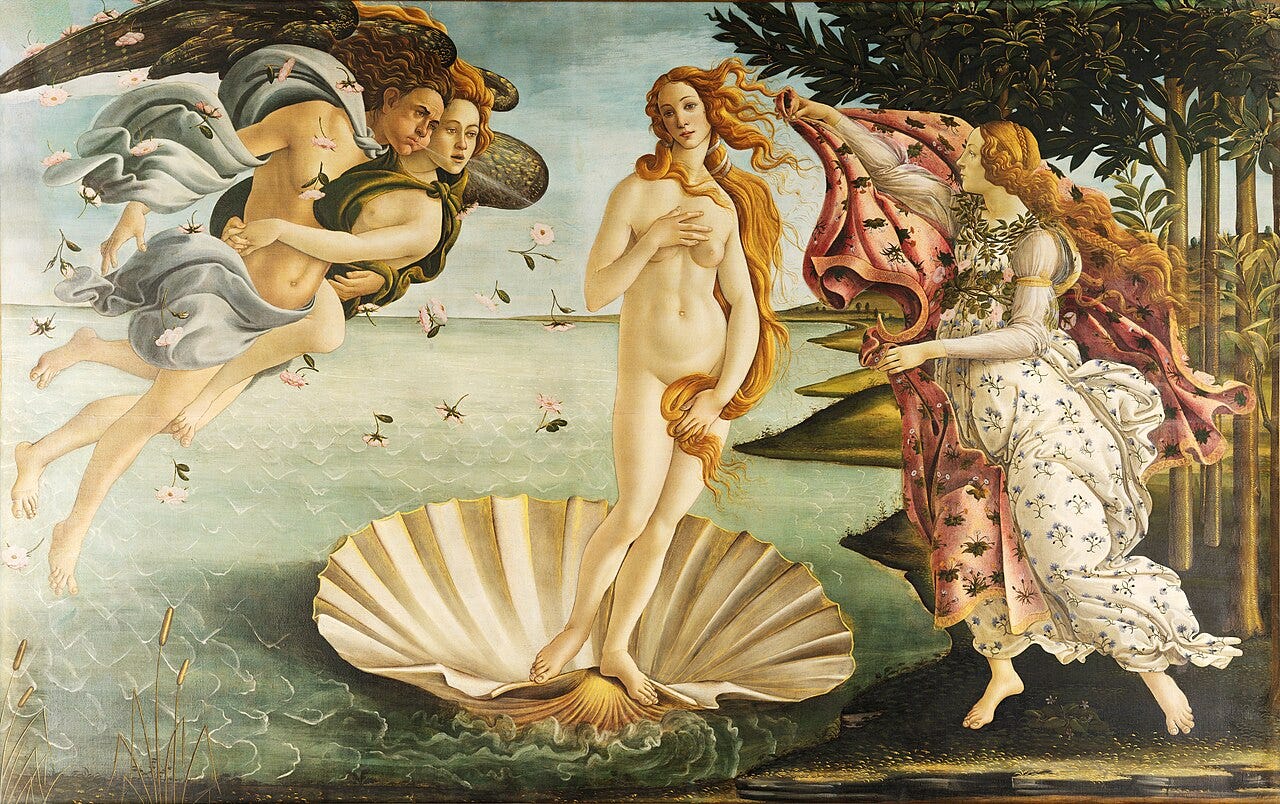
It dominated European art for centuries, and it built the early Renaissance.
Its quirk shaped everything: tempera dries in seconds, so it cannot be blended. Artists built form from thousands of fine separate strokes, which is why early Renaissance panels have that crisp, glowing, almost enamel precision.
It is not a style choice, it is the egg.
Tempera in one minute:
The recipe: powdered pigment mixed with egg yolk and water.
The surface: usually a wood panel prepared with smooth white gesso, often over gold leaf.
The feel: matte, luminous, precise, incredibly durable.
The catch: it dries instantly and cannot be blended, so artists build tone with fine strokes.
It was the king of painting until oil, championed by Jan van Eyck, took its throne.
Cool Stories About Art is a newsletter to learn art the fun way.
Join 170,000+ readers and get:
10 new art stories / month
The entire archive of content (1,000+ articles)
Comment, ask questions, and chat with other readers
Keep learning art the fun way


What does tempera actually mean?
The word comes from the Latin "temperare," to mix or combine.
That is the whole idea: pigment alone is just colored dust. To paint with it, you must temper it, bind it with something, and for over a thousand years that binder was egg yolk.
Egg yolk is a small miracle: it dries fast, holds color brilliantly, and over centuries sets almost as hard as stone. A well made tempera panel can look fresh 600 years later.
Its great rival among the pre oil techniques was fresco, which ruled walls while tempera ruled wood panels. An older rival still, encaustic, used hot pigmented wax instead of egg, and mostly faded from use once tempera and fresco took over the workshop.
How tempera painting works
The process, written down by Cennino Cennini around 1400, was slow, demanding and almost ritual.
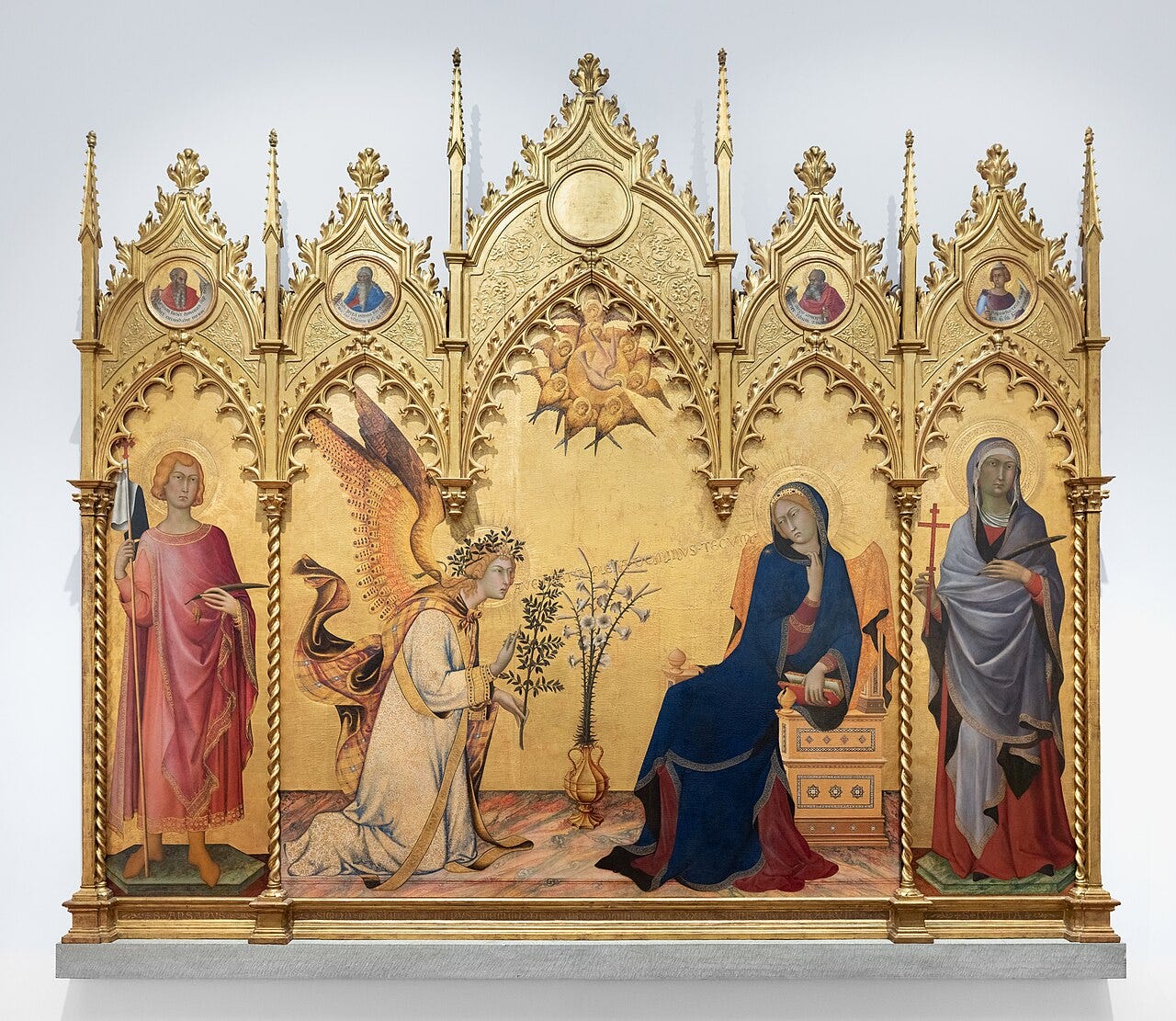
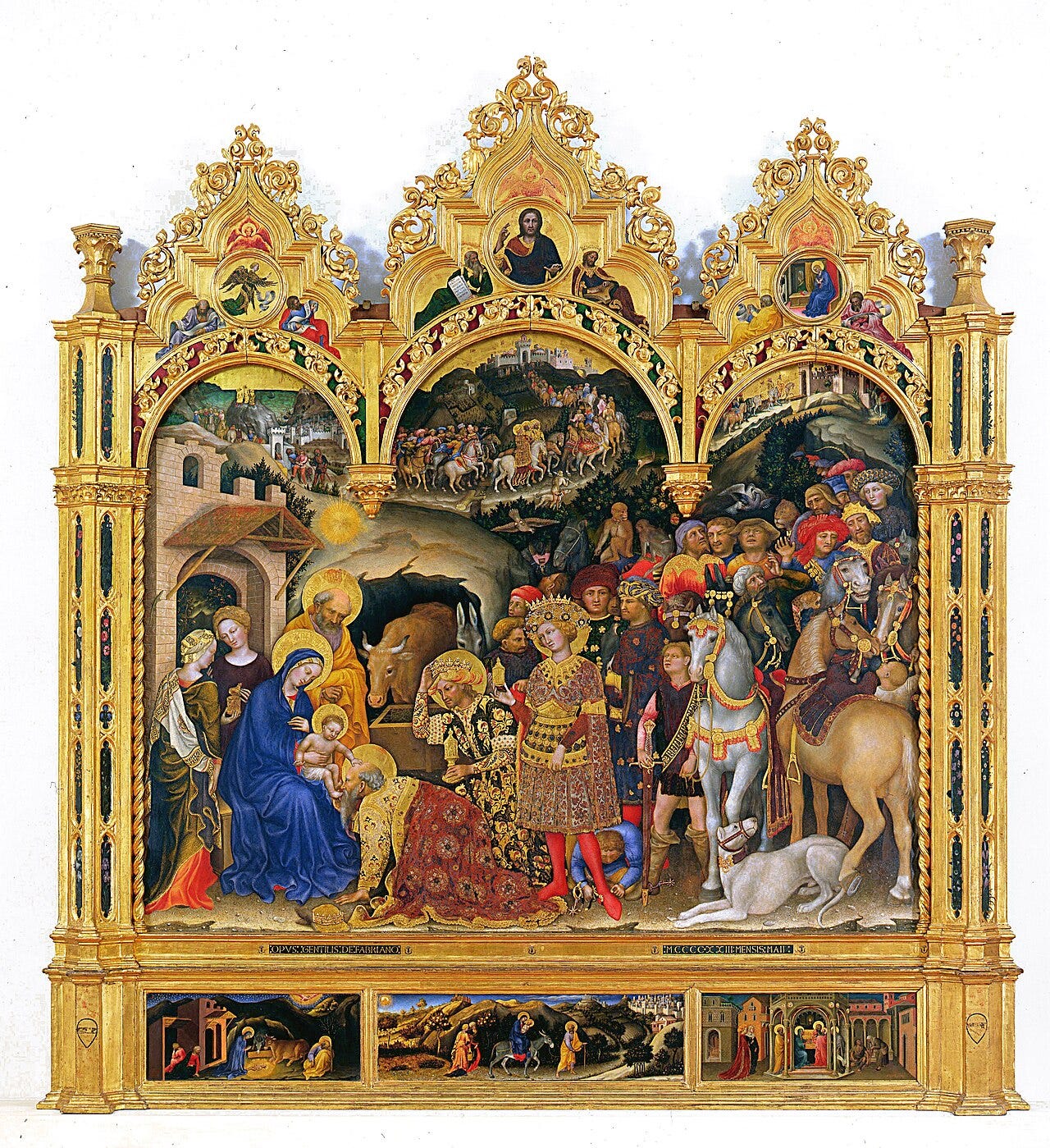
First, a wooden panel was coated with many layers of gesso (chalk and glue), sanded to a flawless ivory smoothness. Often, areas were then covered in gold leaf.
The painter ground their pigments and mixed each one, fresh, with egg yolk. Because the paint dried on contact, there was no going back and no blending.
Form was built up patiently, one fine stroke beside another, light over dark, until a face seemed to glow from within.
It rewarded planning and punished hesitation. To me that is what gives tempera its nerve: every stroke was a commitment.
Tempera vs oil: the change that remade art
The real turning point came with a new binder.
Tempera dries instantly. Precise, luminous, but no blending and no deep shadow. Perfect for crisp, glowing, decorative images.
Oil paint stays wet for days. It can be blended into soft gradients, layered into deep, glowing shadow, and reworked endlessly.
Put simply: tempera draws with paint, oil dissolves it.
When oil paint spread across Europe in the 1400s, it offered what tempera could not: realism, depth, soft skin and deep shadow. Jan van Eyck is often miscredited with inventing it; in truth he perfected it, and tempera's reign was over.
The shift from tempera to oil is the technical engine behind the whole leap to Renaissance realism, including the smoky effects of sfumato and the drama of impasto.
Duccio, Botticelli, Wyeth
Three painters show what tempera could do. Here is why each matters.
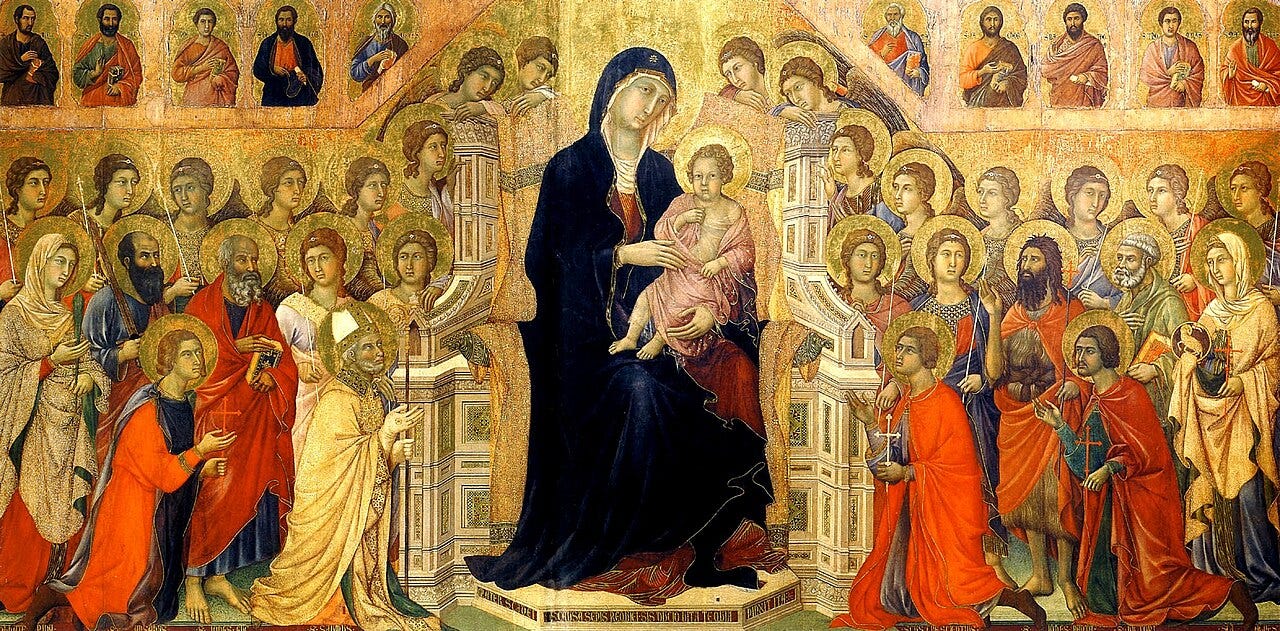
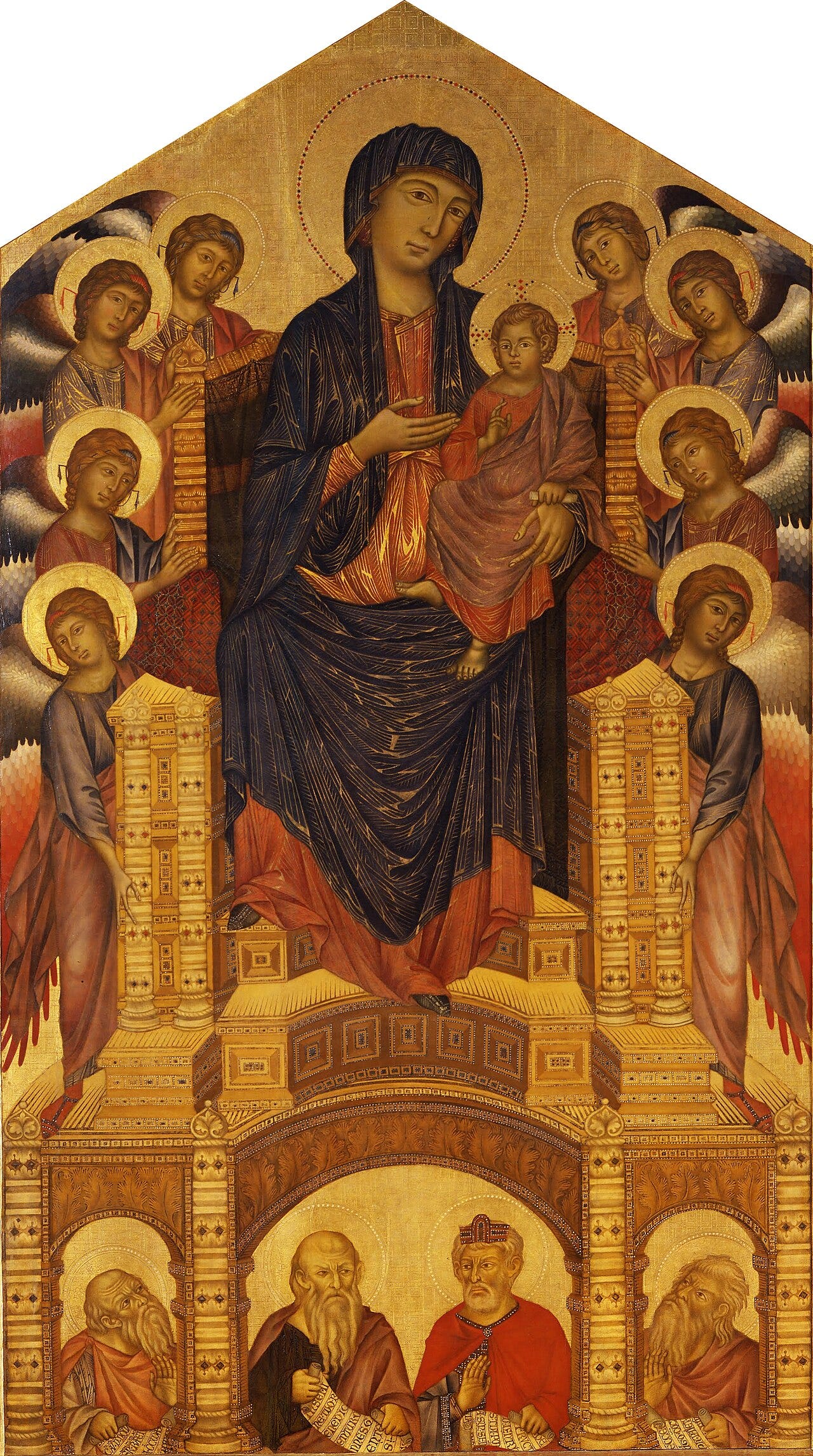
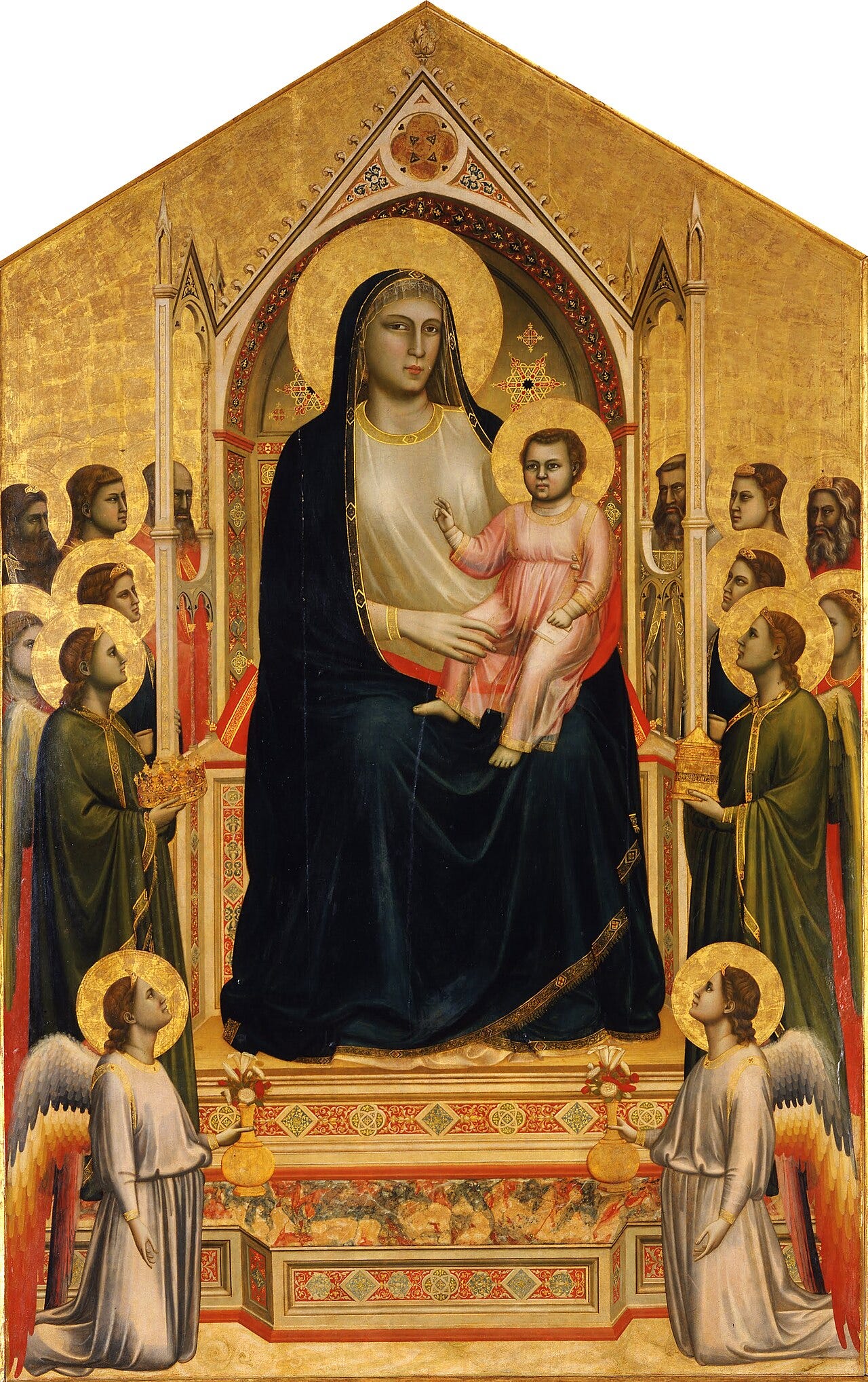
1. Duccio and the early Italians. The gold ground altarpieces of Siena and Florence are tempera at its most sacred: glowing, jewel like, halfway between Byzantine icon and Renaissance painting.
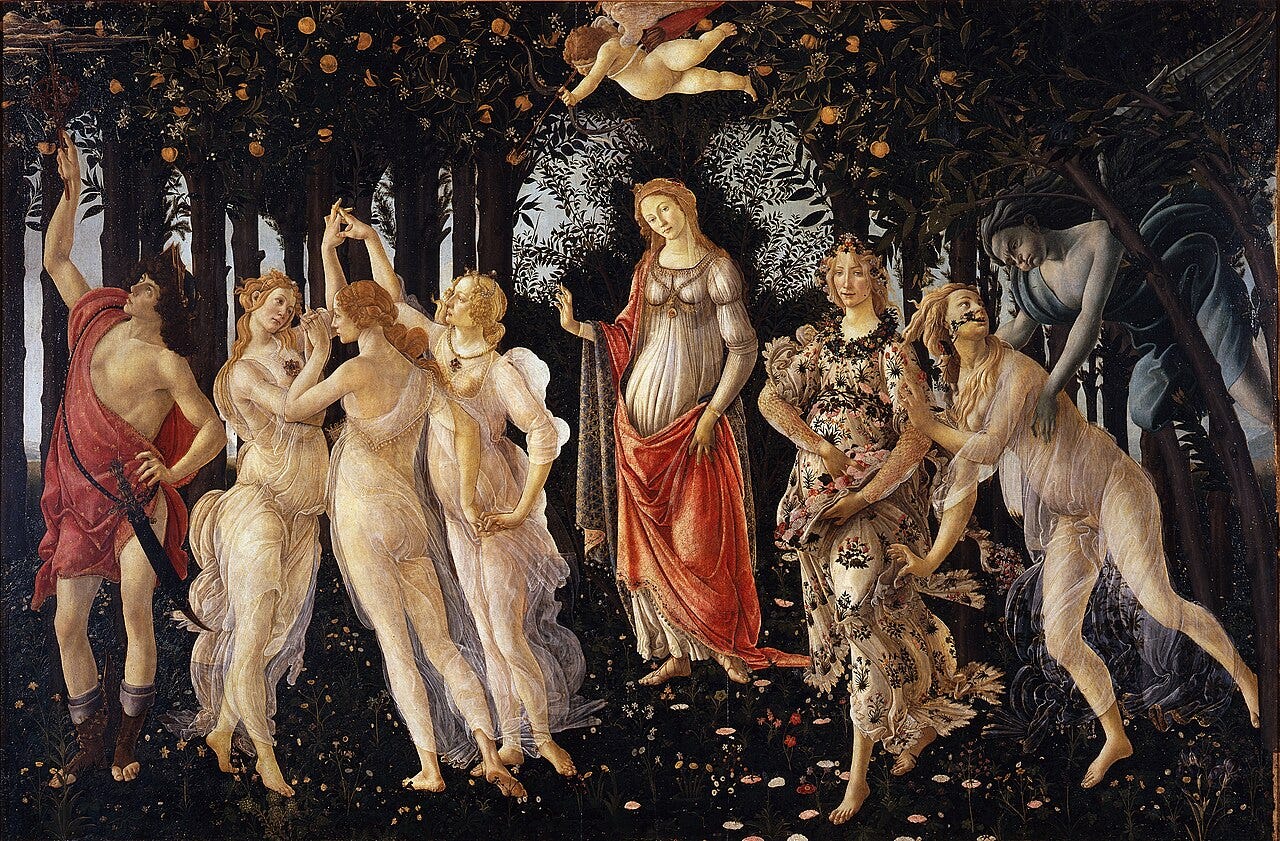
2. Sandro Botticelli. The poet of the line. Tempera's crisp, unblended edges were perfect for his flowing, linear beauty, most famously in The Birth of Venus. His strange story is here: Botticelli, the man who painted the same face for 30 years.
3. Andrew Wyeth. The modern holdout. Centuries after oil won, this 20th century American revived egg tempera for austere, hyper detailed scenes like Christina's World of 1948, proving the old technique never truly died.
Why tempera outlasted oil
That crisp, glowing, early Renaissance look is having a quiet revival.
Digital and illustration. The clean, luminous, hard edged look of tempera is everywhere in modern illustration and animation.
Egg tempera revival. A small but devoted group of painters still grind pigment and crack eggs, for that surface nothing else can match.
Conservation fame. Because tempera lasts so well, the oldest, best preserved paintings you see in museums are very often tempera.
So the technique that "lost" to oil is also the one that survived the centuries best.
Where to find tempera
Look for the gold ground panels and the early Renaissance rooms.
The Uffizi, Florence. Botticelli and the golden age of Italian tempera.
The National Gallery, London. Duccio, early Italian panels and the moment tempera meets oil.
The Met, New York. Deep holdings of medieval and early Renaissance tempera.
Siena, Italy. The home city of the most glowing tempera altarpieces ever made.
Tempera questions, cracked
What is tempera painting in simple terms? Paint made by mixing pigment with egg yolk, used on wood panels, that dries fast and lasts for centuries.
Why could tempera not be blended? It dries almost instantly, so artists built tone with many fine separate strokes instead of smooth gradients.
Why did oil paint replace tempera? Oil dries slowly, so it can be blended and layered, allowing the realism, depth and soft shadow that tempera could not achieve.
Is tempera still used today? Yes, by a small group of dedicated painters, and its crisp, luminous look influences modern illustration.
What is tempera paint made of? Pigment bound with egg yolk and thinned with water. The egg dries to a tough, matte film, which is why it is often called egg tempera.
More secrets to unlock


The medium that shapes the message
It is tempting to treat technique as a neutral tool. But tempera, more than any medium I know, proves the message is shaped by its means.
The crisp lines and glowing surfaces of early Renaissance art were what egg yolk allows. Change the binder and you change the look of an age.
So the next time you stand before a glowing gold panel, remember: that light was built one tiny, unblendable stroke at a time, by someone who could not afford a single mistake.
Botticelli's Birth of Venus, painted in tempera around 1485, still glows in the Uffizi five centuries on, proof the egg outlasted everything that replaced it.
What tempera could not do, and what oil unlocked, is set out side by side here.
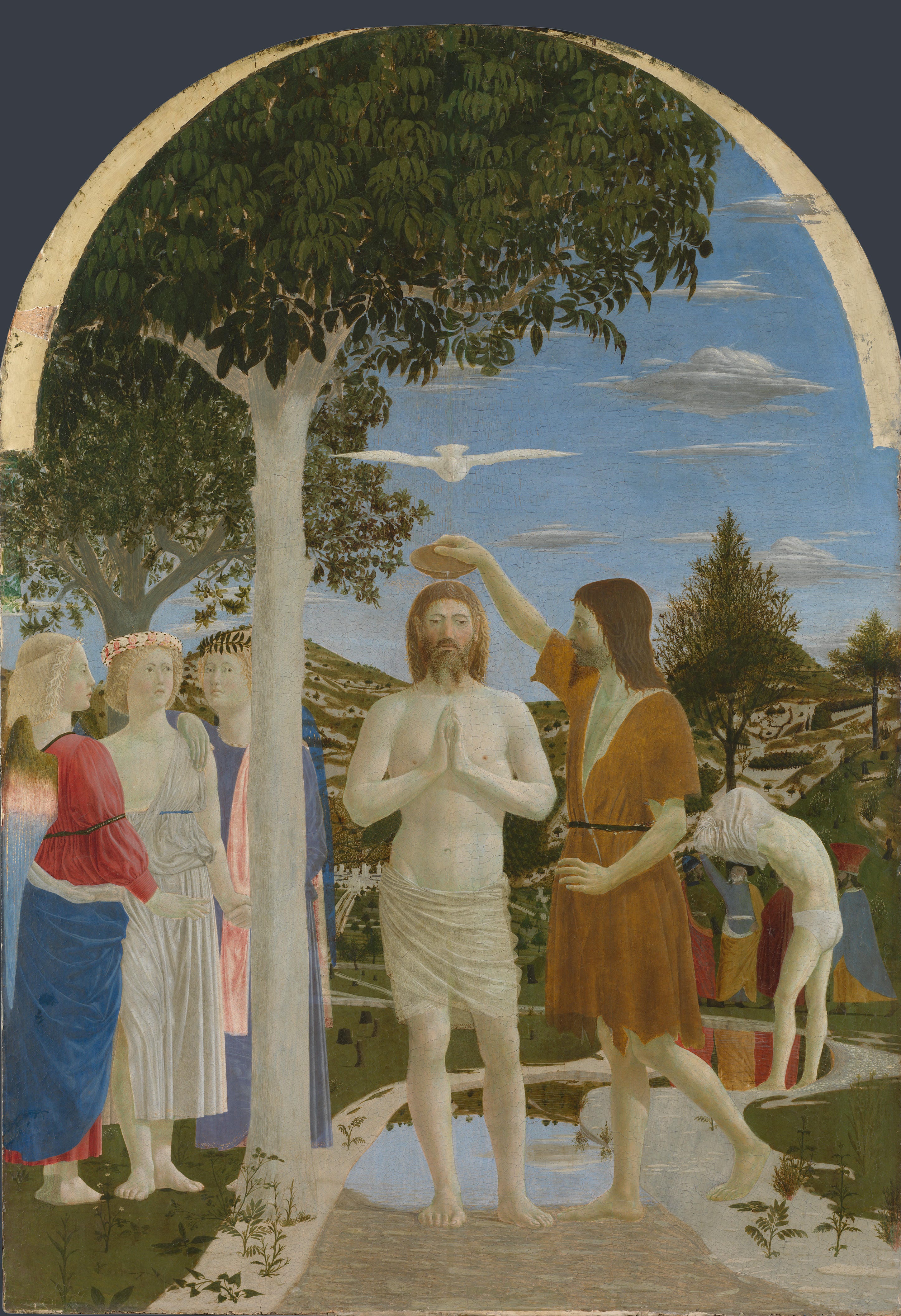
Piero della Francesca's Baptism of Christ pushes tempera's fine hatching further than Duccio's Maestà or Cimabue's altarpiece. It builds rounded limbs and modeled light from thousands of tiny parallel strokes instead of flat gold symbolism. Among the tempera panels in this piece, it comes closest to faking the gradual shading that oil would later achieve by blending wet paint.
Botticelli took the opposite route in Primavera and The Birth of Venus. He built his figures from pure outline and flat color and let tempera's inability to blend become a decorative strength. Ranked on how far each artist stretched the medium, his linear command looks like the more original solution because it works with the egg's constraints.
