
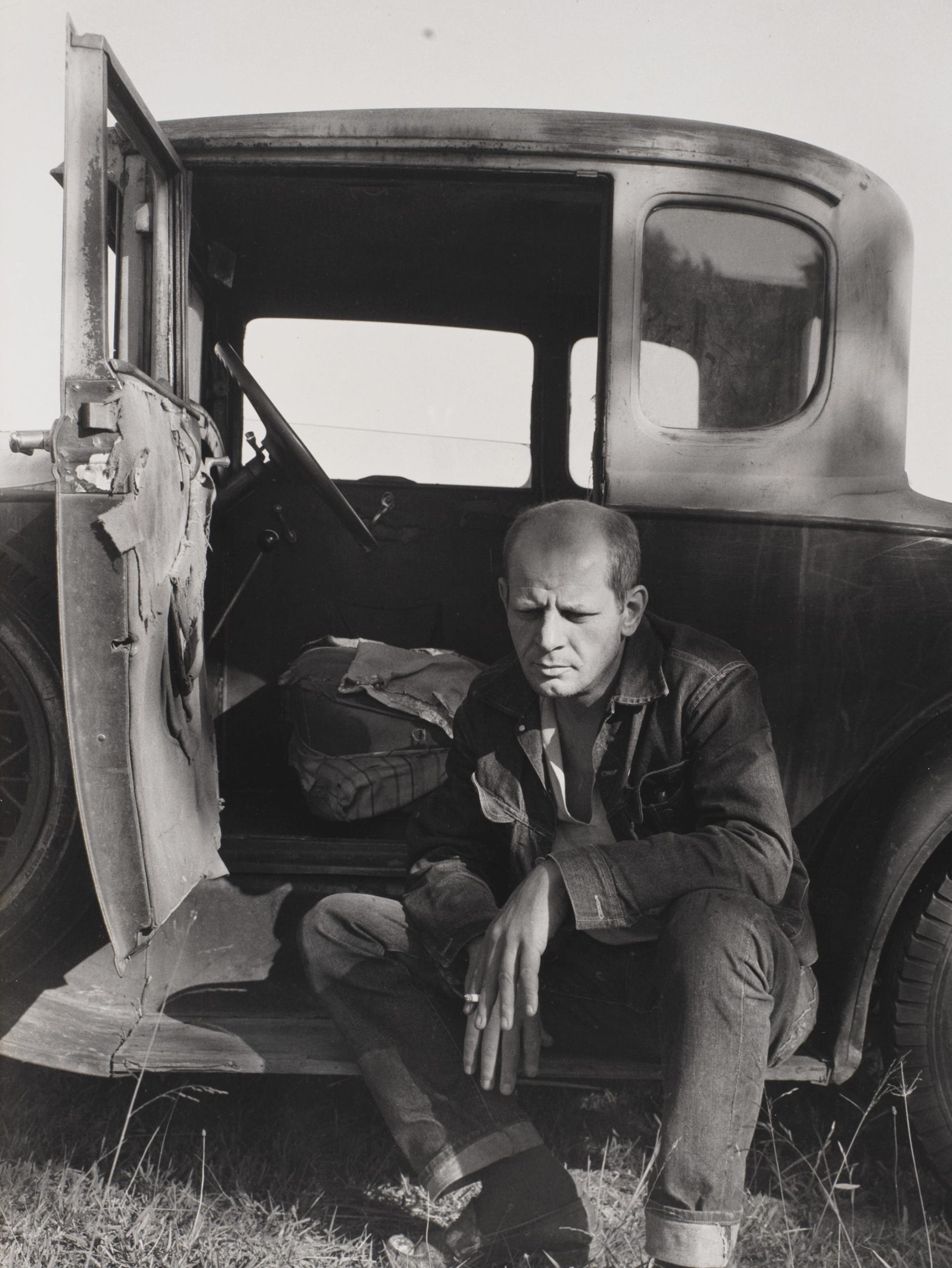
Jackson Pollock, the American painter who dripped paint onto canvases laid on the floor, died on the night of August 11, 1956, when his Oldsmobile convertible left a country road near his home in Springs, on the eastern tip of Long Island.
He was 44, he had been drinking all day, and he was at the wheel. His lover, Ruth Kligman, survived, but her friend Edith Metzger died with him. His wife, the painter Lee Krasner, was in Paris.
Cool Stories About Art is a newsletter to learn art the fun way.
Join 200,000+ readers and get:
10 new art stories / month
The entire archive of content (140+ articles)
Comment, ask questions, and chat with other readers
The crash is what everyone remembers. Far fewer people know that Pollock had once managed to get sober, after drinking hard since his youth and spending months in a hospital because of it.
From 1948 to 1950, with the help of a local doctor, he stayed off alcohol. He was "mostly on the wagon and in fine trim," as the novelist John Updike put it decades later, reviewing a Pollock retrospective.
Those two years also brought him fame. In August 1949, Life, the weekly picture magazine found in millions of American homes, asked in a headline: "Is he the greatest living painter in the United States?" Almost overnight, a painter known to a few critics became a name across the country.
The sobriety did not last, and I think the crash makes sense only in the light of its end. The drinking that killed him in 1956 began again in November 1950, at the height of his fame, and never really stopped.
The first drink in two years
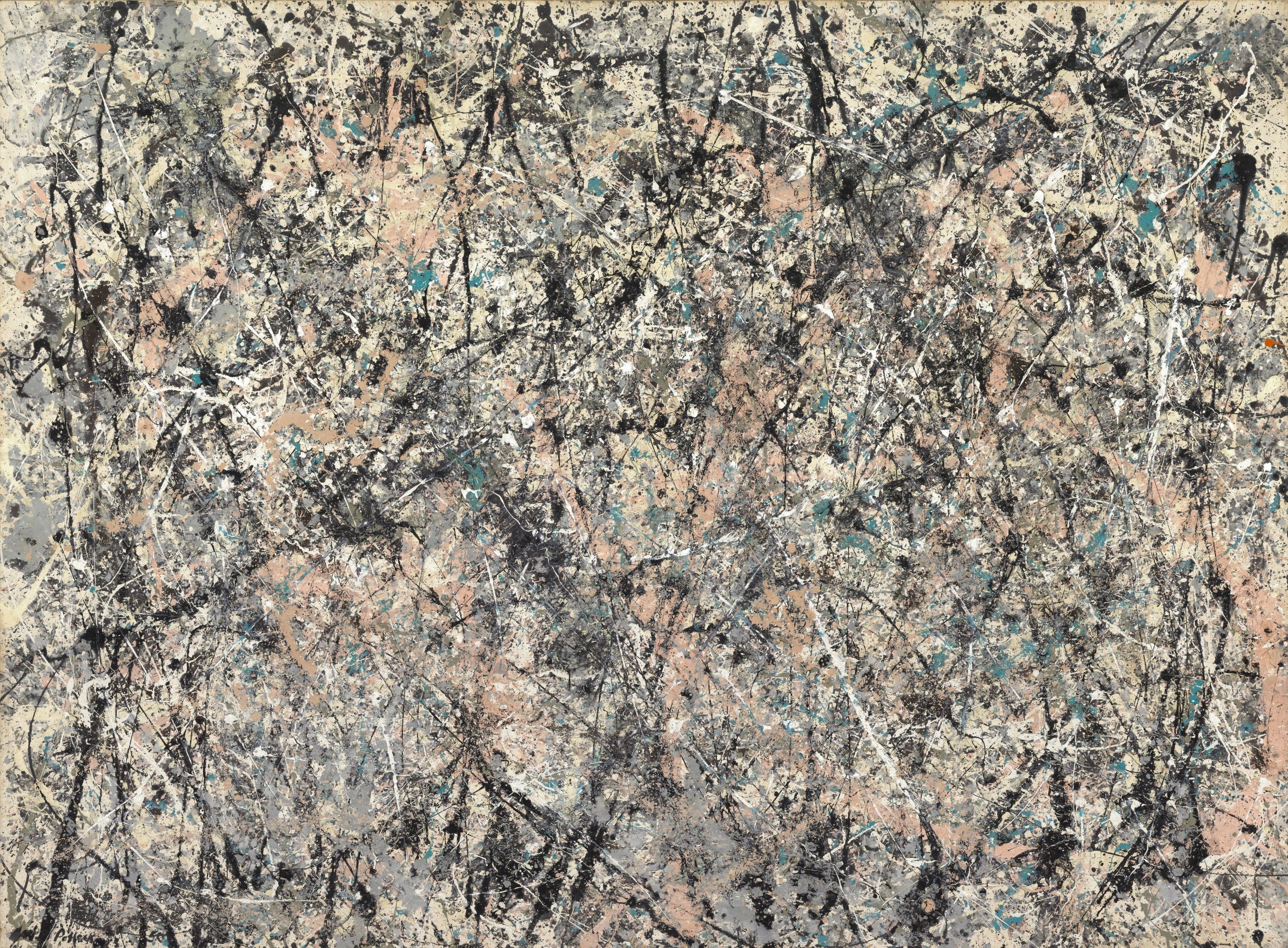
What he painted while sober shows what the drinking would cost…
What You'll Discover
Why his wife had gone to Europe that summer.
How the two women ended up in his car.
Whether the crash was really an accident.
What his first retrospective left out.