
Raphael died in Rome on the night of Good Friday, April 6, 1520, at 37, after a fever that lasted between eight and fifteen days.
Doctors sent by Pope Leo X bled him, a treatment that left him weaker still. A 2020 study of the sources concluded that the likeliest cause was pneumonia.
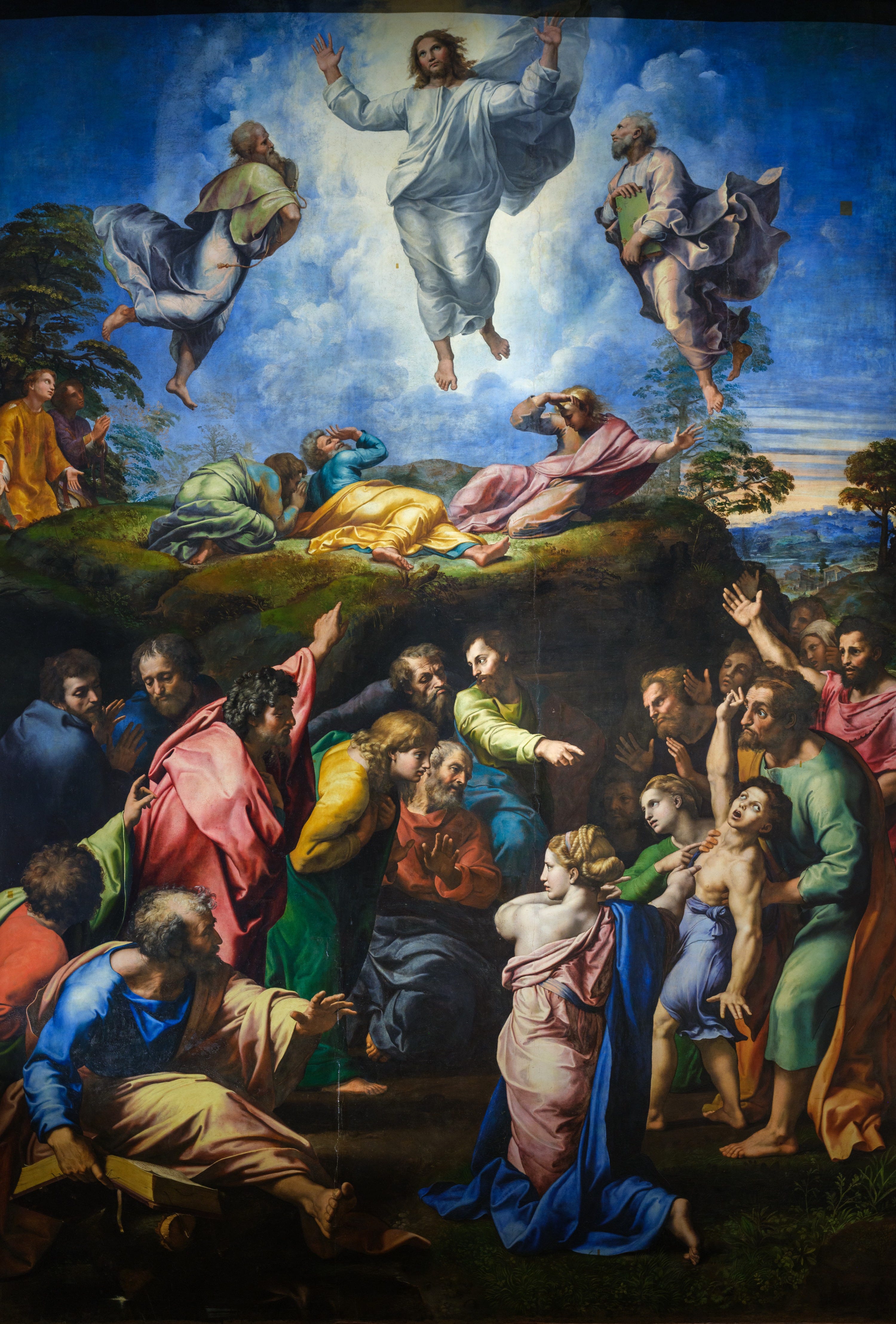
The painter, born in Urbino, had spent his last years working for that pope. Yet the cause of his death that most people know has nothing to do with doctors. It is a woman.
Cool Stories About Art is a newsletter to learn art the fun way.
Join 200,000+ readers and get:
10 new art stories / month
The entire archive of content (140+ articles)
Comment, ask questions, and chat with other readers
That version comes almost entirely from one book, Giorgio Vasari's Lives of the Artists, a collection of biographies of Italian artists first published in 1550. Told this way, the death reads like a verdict on a private life.
The same pages hold a second culprit, the doctors who bled him with a lancet, the small blade physicians used to open a vein. I think this story has been told for five centuries as a scandal when it is closer to a failed treatment, since the biographer himself records what the bleeding did to the painter.
What Vasari says about the fever
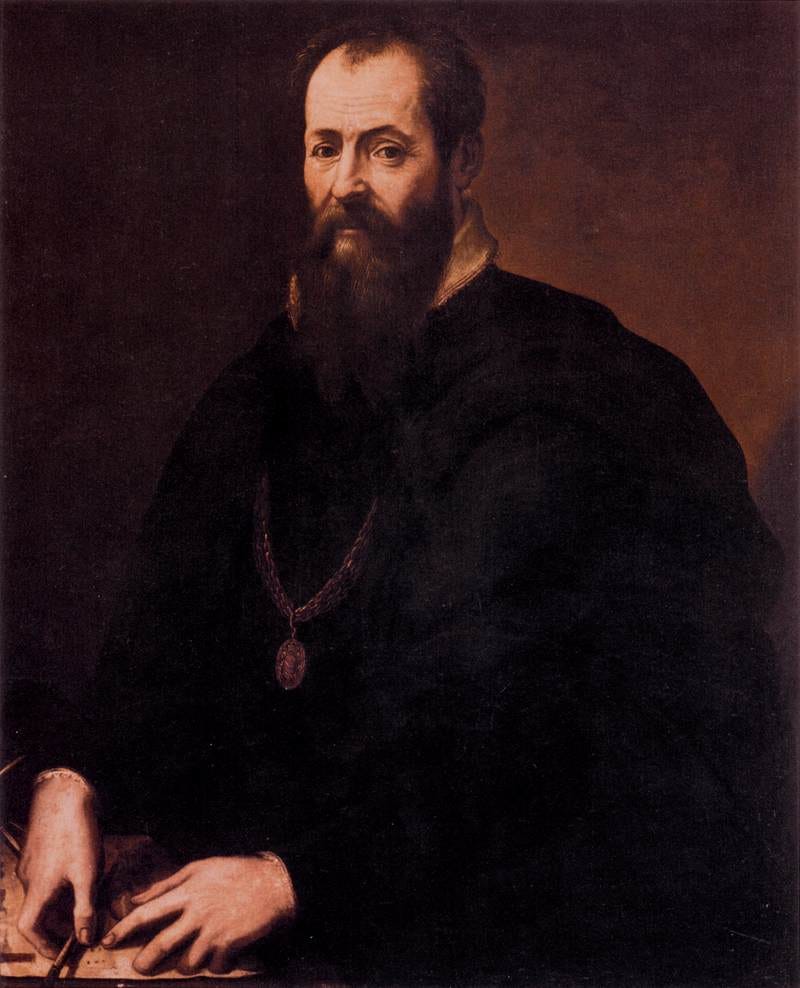
In Vasari's version, Raphael kept a lover, and his excessive amorous exertions brought on the fever. The biographer then adds what the sick man kept from his doctors, a silence that would shape everything they did next.
What You'll Discover
What the letters written that week say.
Which legend ties his death to his birthday.
Who the doctors were and what they did.
What a 2020 medical study makes of it.
What happened when his tomb was opened.