
No, Edgar Degas was not Jack the Ripper, and he was never even a suspect. The Ripper theory that involves a painter points to Walter Sickert, a British artist who idolized Degas. And even that is unproven.
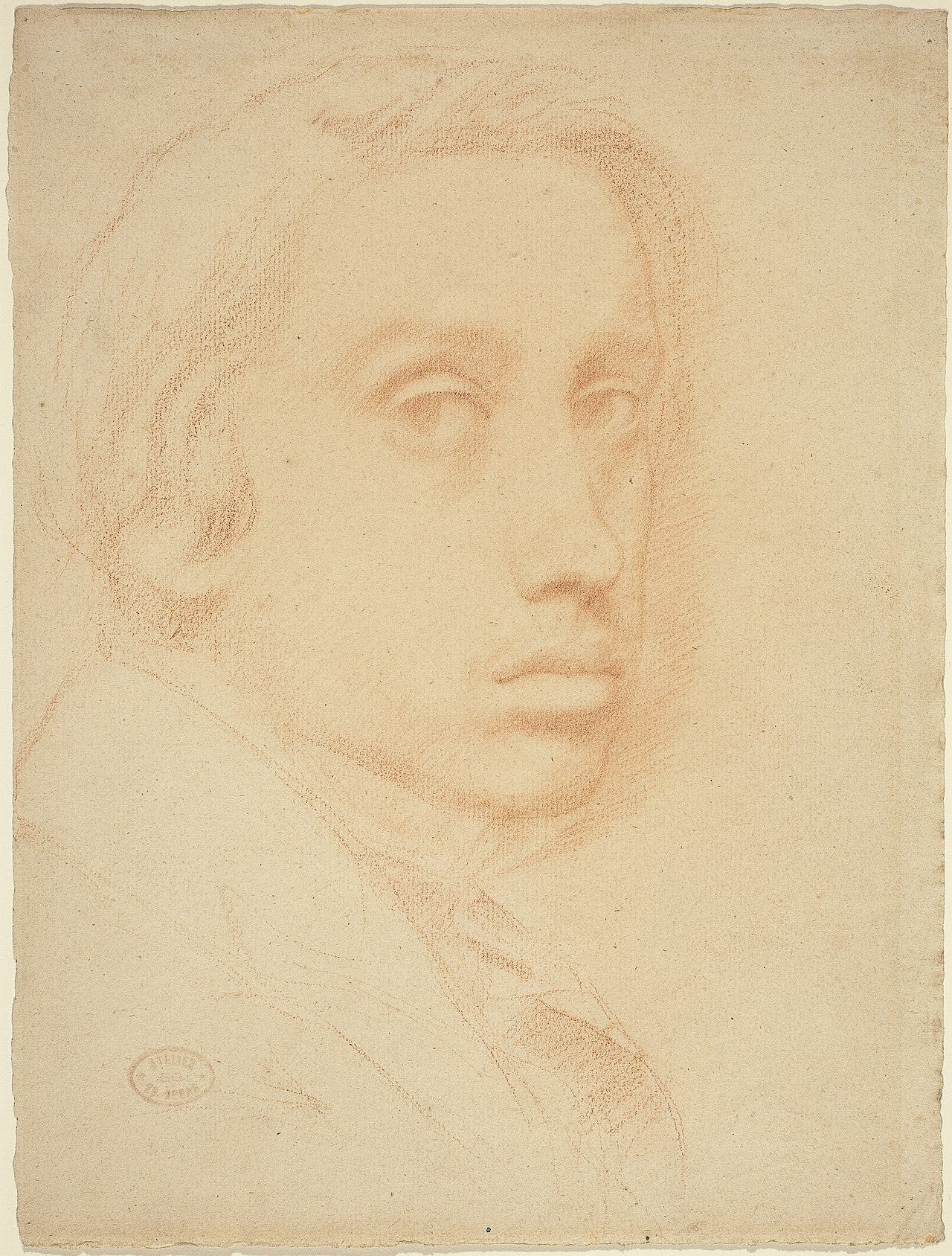
Why people connect the two names
The search links Degas to the Whitechapel murders because of mistaken identity. The artist actually named in the case is Walter Sickert, and Sickert was the most devoted follower Degas ever had.
Sickert called Degas the lighthouse of his existence. He borrowed the older man's subjects and style, the music halls, the dim interiors, the cropped modern compositions.
So when Sickert's name comes up beside Jack the Ripper, Degas gets pulled in by association.
Keep learning art the fun way


Who Walter Sickert was
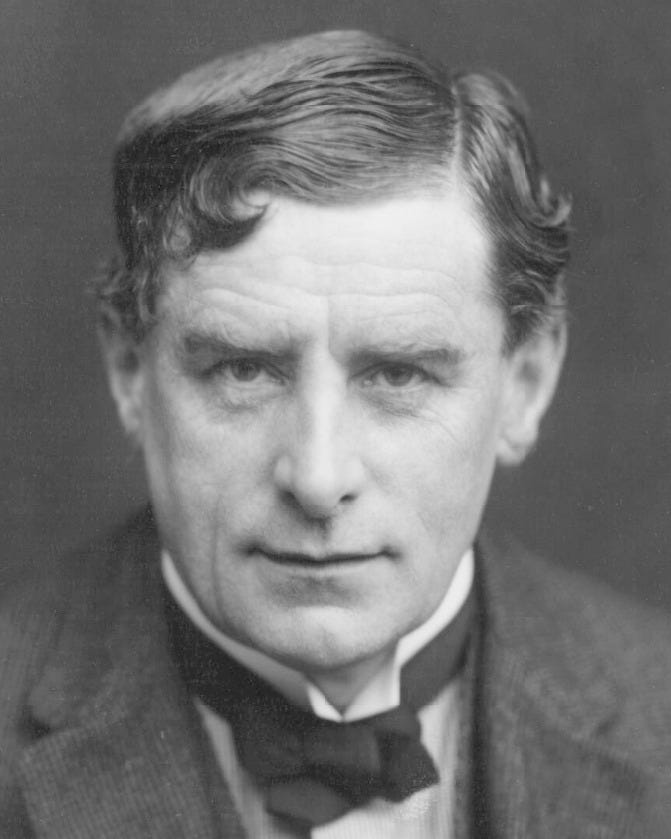
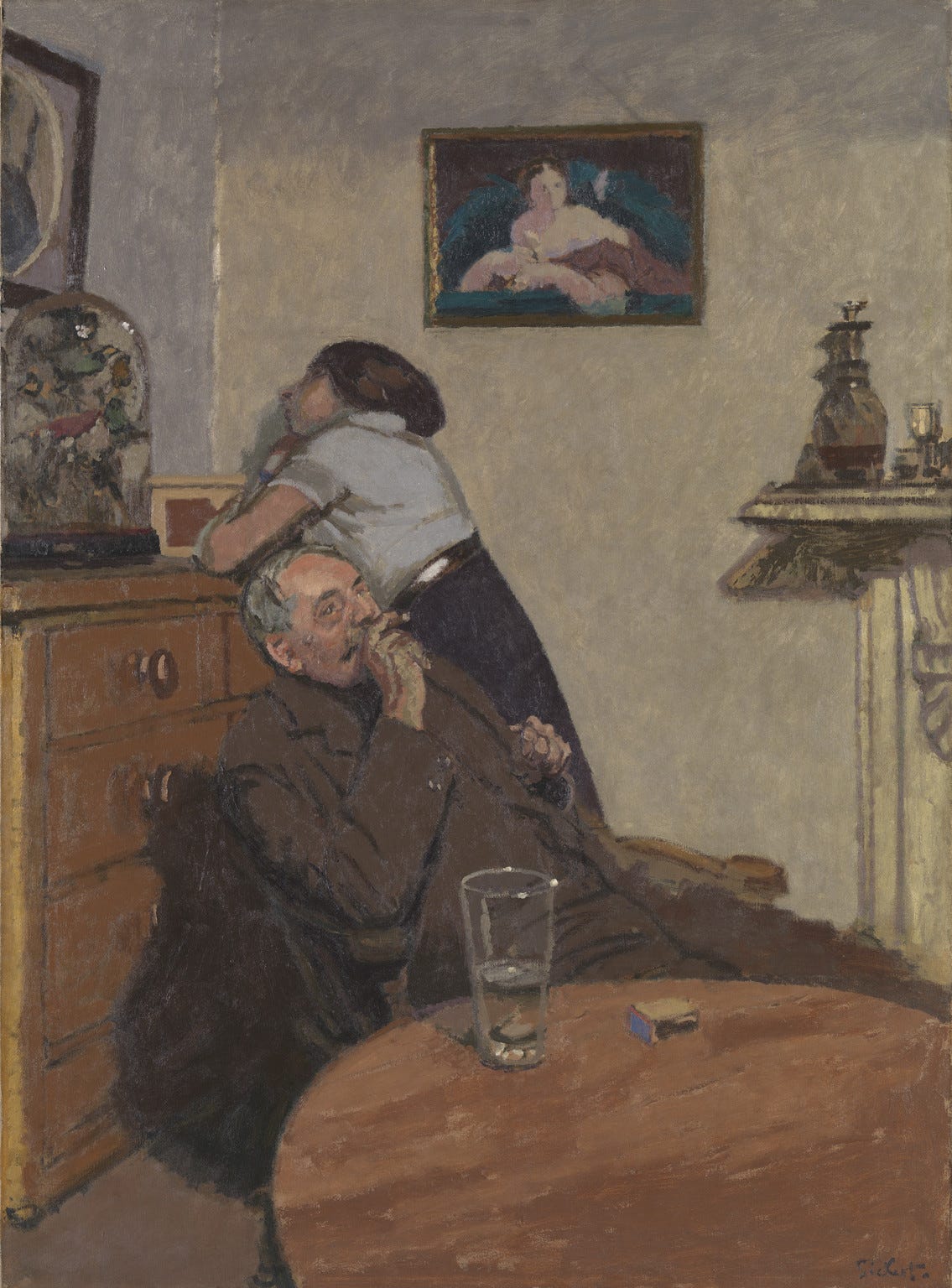
Sickert was a British painter who spent time in France, befriended Degas, and brought that French eye back to London. He painted shabby bedrooms, nightlife and unsettling scenes of ordinary life.
He was also fascinated by the press and by sensational crime. He made grim paintings tied to a real killing, sometimes grouped under the title the Camden Town Murder, which later helped cast suspicion on him.
Where the Ripper theory came from
The case against Sickert was pushed hard by the American crime writer Patricia Cornwell, who spent a fortune buying his paintings to hunt for clues and even had his letters analyzed.
The strongest claim is that paper used in some hoax letters sent to the police, supposedly from the Ripper, matches paper Sickert used. That is the high point of the evidence.
Why it does not hold up
There are big problems. Sickert appears to have been in France during much of the 1888 murder spree. The hoax letters are widely seen as fakes written by attention seekers, so matching their paper points to a hoaxer, not the killer.
No hard evidence ties Sickert to the murders, and the true identity of Jack the Ripper has never been established. For me it is a fascinating theory, not a solved case.
And Degas?
Degas has no place in any of this. He lived and worked in Paris, never crossed into the investigation, and was never named by anyone serious. The real Degas is in the complete story of Edgar Degas.
His only link to the Ripper story is that a man who copied his art later became a suspect. Influence is the whole connection. Nothing more.
Was Degas or Sickert the Ripper, straight answers
Was Degas ever a suspect? No, never.
Which artist is the suspect? Walter Sickert, a British painter and follower of Degas.
Did Sickert do it? Unproven and doubtful. He was likely in France for most of the murders, and the evidence is circumstantial.
Is the Ripper’s identity known? No. It remains one of the most famous unsolved cases in history.
More secrets to unlock


What Cornwell’s millions actually proved
Patricia Cornwell reportedly spent millions, and even cut into one Sickert painting, chasing proof that never arrived. The case against Sickert is still a guess, and Degas was never in the frame at all.
The man people half remember as a murder suspect was simply the teacher whose style the suspect admired. His real life is in the complete story of Edgar Degas.
My own read on Cornwell's hunt is that she wanted a story more than a suspect. Cutting into a real painting to test a hunch says more about the appeal of a tidy ending than it does about Sickert himself.
The paper match gets cited as the strongest piece of evidence in this case, but I find it the weakest. It only shows a hoax letter and a painter used the same common stationery, which says nothing about who committed the murders, especially once you accept the letters as fakes written to stir up the investigation.
The stronger objection is the alibi. If Sickert spent most of 1888 in France, no amount of paper analysis puts him back in Whitechapel. A theory that survives on a shared stationery brand while ignoring a location problem does not convince me.
