
Mannerism is the strange, elegant style that came right after the High Renaissance, full of elongated bodies, acid colors, impossible poses and deliberate artifice. It is the Renaissance, broken on purpose.
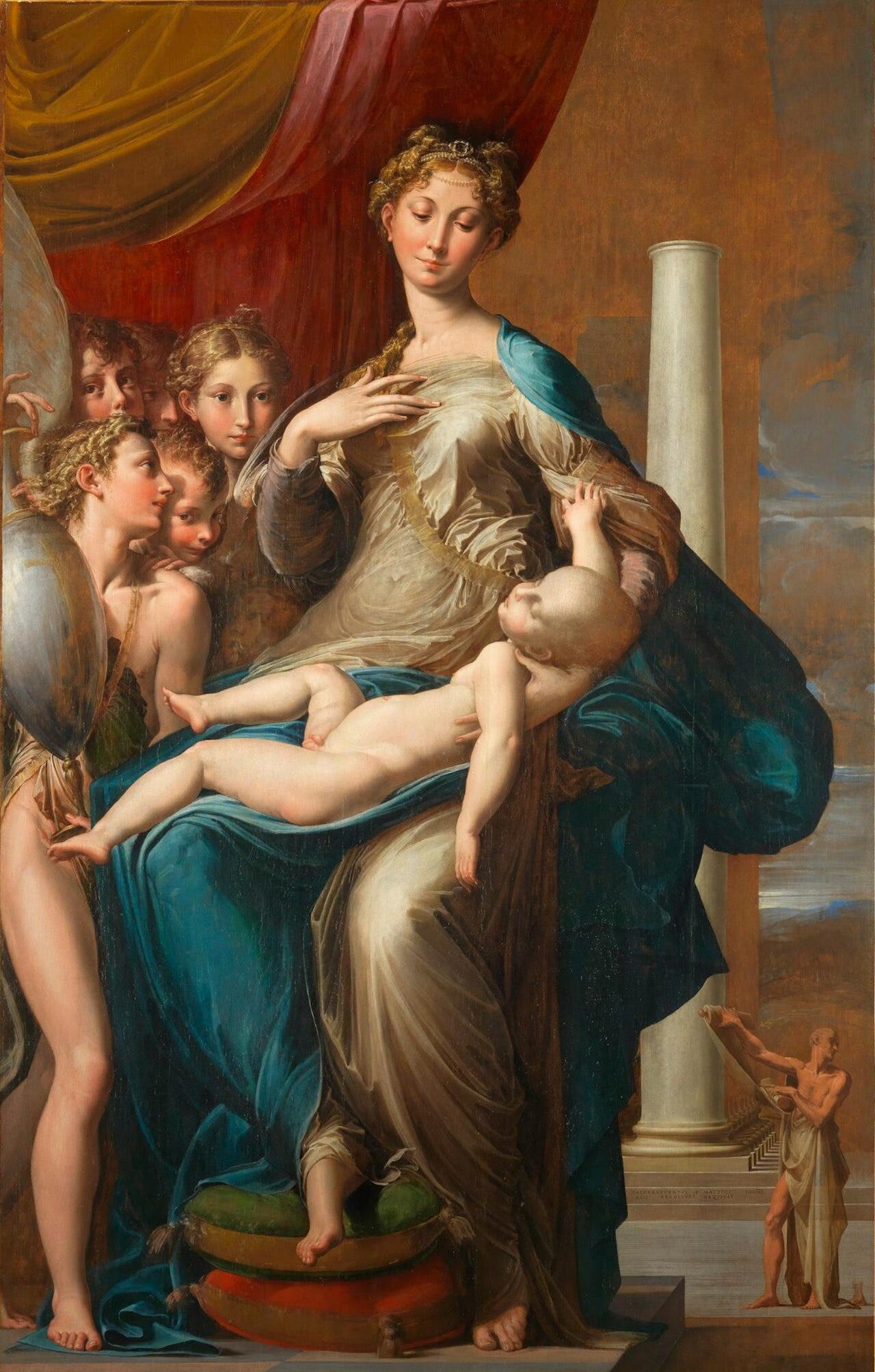
It ran from about 1520 to 1600, and it was a rebellion against perfection.
Here is the question I think every art student should sit with: what do you do after perfection?
Mannerism is what happens when artists decide perfection is boring.
By 1520, Leonardo, Raphael and Michelangelo had made art so balanced, so flawless, so complete that the next generation had nowhere left to climb.
Their answer was a provocation. They twisted it, stretching bodies, souring the colors and tangling the compositions to show off their own cleverness. They chose strangeness over harmony, on purpose.
For centuries critics called it decadent. It is now seen as the first truly self aware, knowing art.
Mannerism in one minute:
The time: about 1520 to 1600, between the High Renaissance and the Baroque.
The word: from the Italian maniera, meaning style or manner.
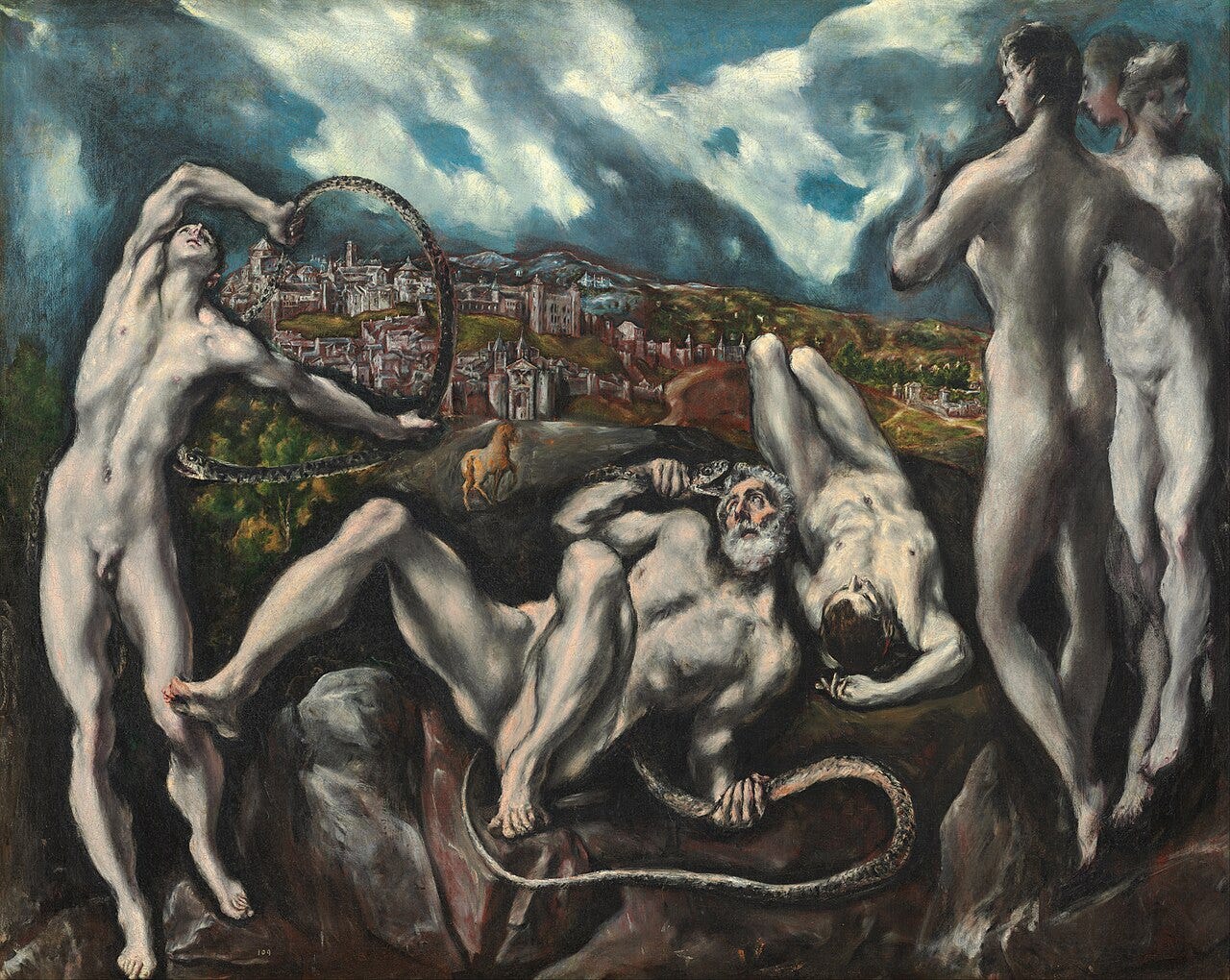
The look: elongated figures, twisting poses, strange acidic color, crowded and artificial compositions.
The attitude: sophistication, elegance and artifice over natural balance.
The stars: Pontormo, Parmigianino, Bronzino and El Greco.
Keep learning art the fun way


What does Mannerism actually mean?
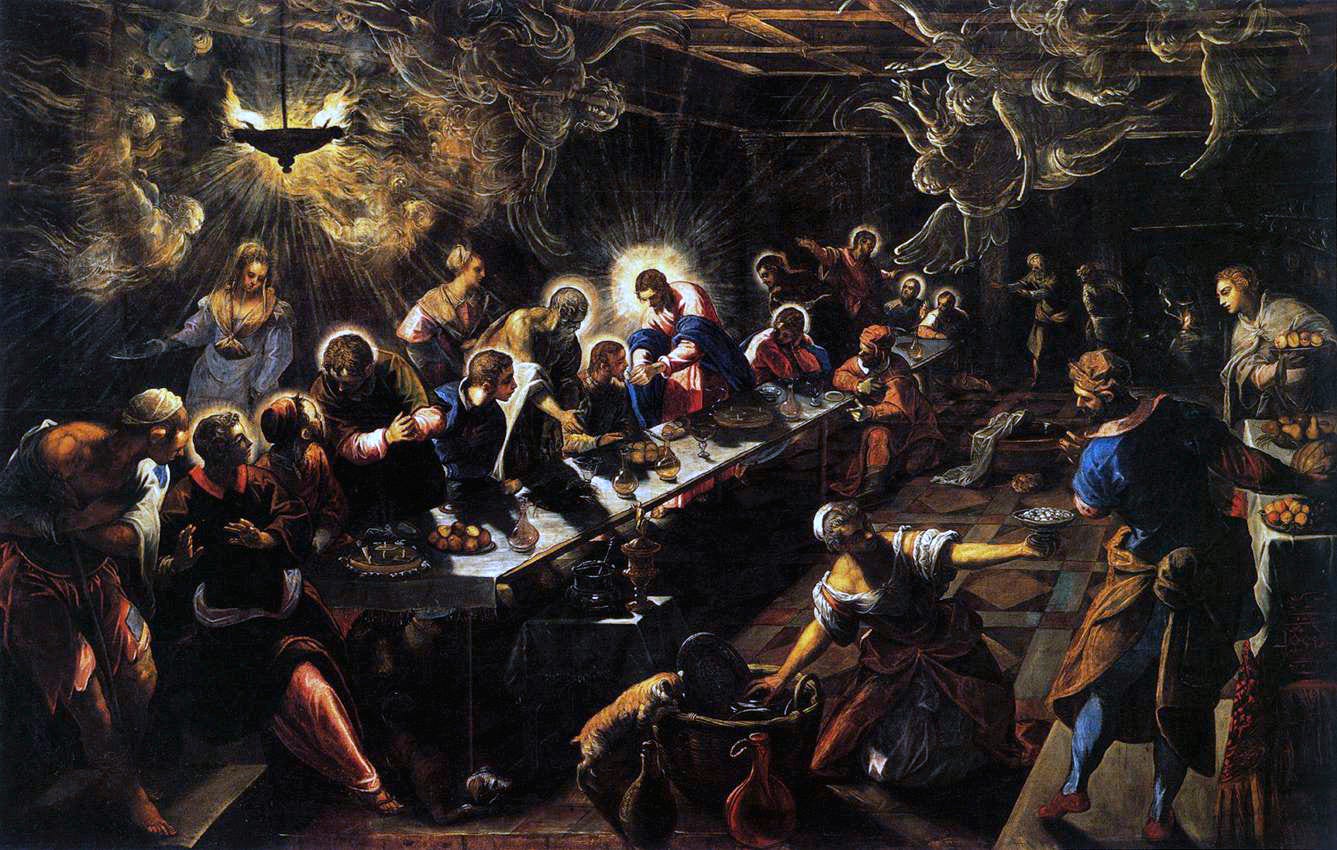
The name comes from the Italian word maniera: style, or manner.
It pointed to art made with conscious “style,” art that flaunted its own elegance and artificiality rather than hiding it. Where the High Renaissance hid its effort behind perfect natural balance, Mannerism showed off.
It is a style of artificiality, elegance and the sensuous distortion of the human figure.
That word, distortion, is the key. Mannerism takes the perfect Renaissance body and deliberately bends it out of true, for effect.
Why did Mannerism happen?
Because the previous generation had left nothing to perfect.
Think of the problem. Leonardo had achieved ultimate subtlety, Raphael ultimate harmony, Michelangelo ultimate power.
By around 1520, with Raphael dead and Michelangelo turning strange himself, young artists could not out perfect the masters.
So they stopped trying. Instead of chasing nature and balance, they chased refinement, surprise and personal style. They exaggerated what the masters had perfected: more elegance, more drama, more difficulty, more artifice.
It was the natural swing after a peak. You cannot beat perfection, so you complicate it. I have made the case for the master they could never surpass in is Raphael the greatest of all time.
And all that pent up drama and tension would soon burst into the next great style: the Baroque.
How to spot a Mannerist painting
Once you know the signs, they jump out. Look for:
Elongated bodies. Impossibly long necks, limbs and fingers, stretched for elegance, not accuracy.
Twisting poses. Figures spiral and contort in the serpentine pose the Italians called figura serpentinata.
Strange, acidic color. Sharp pinks, sour greens, shot silks that shift color, cold and artificial.
Crowded, unstable space. Compositions packed tight, with no clear, calm depth.
Cool perfection of surface. An enamel like finish that feels deliberately artificial, almost too smooth.
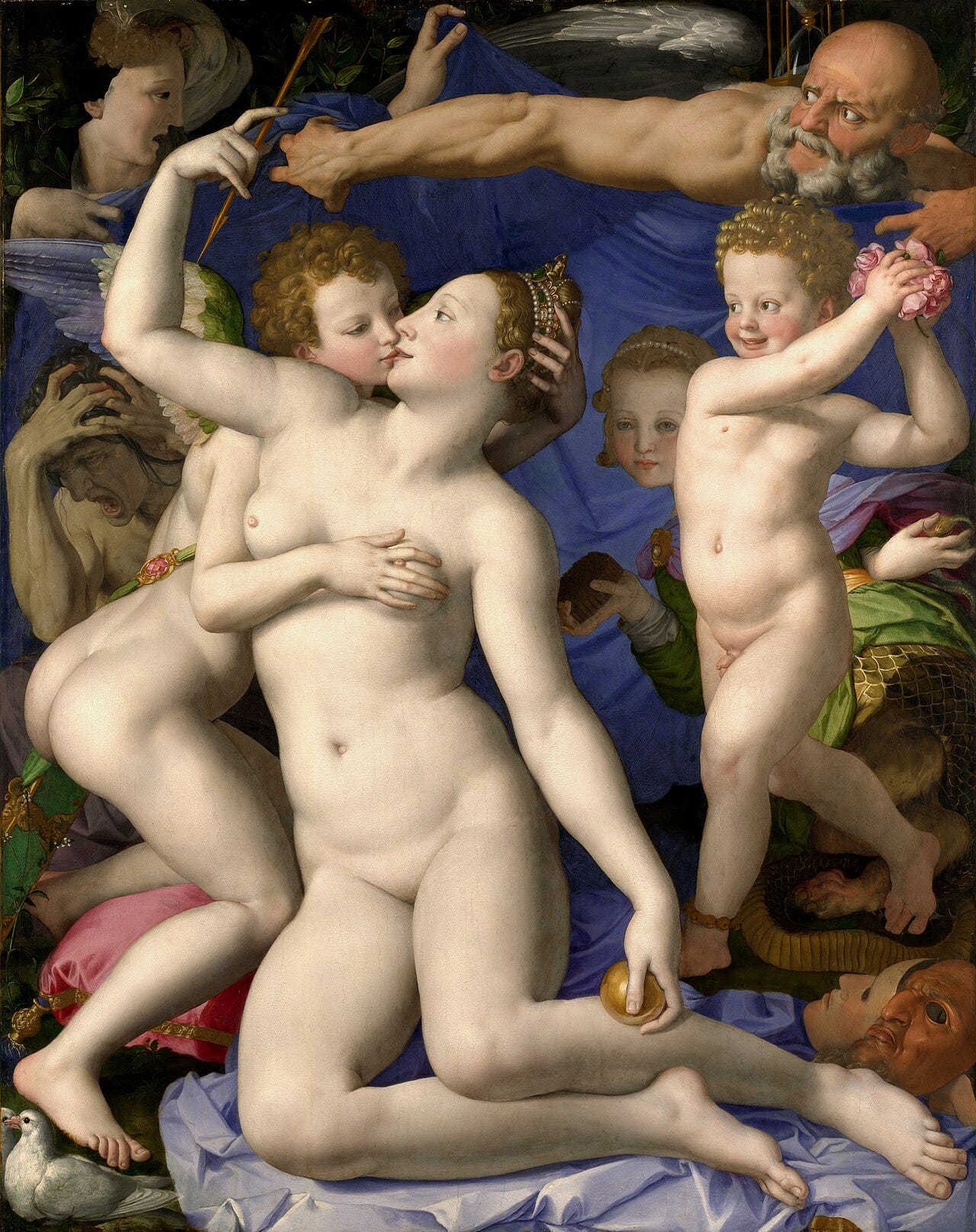
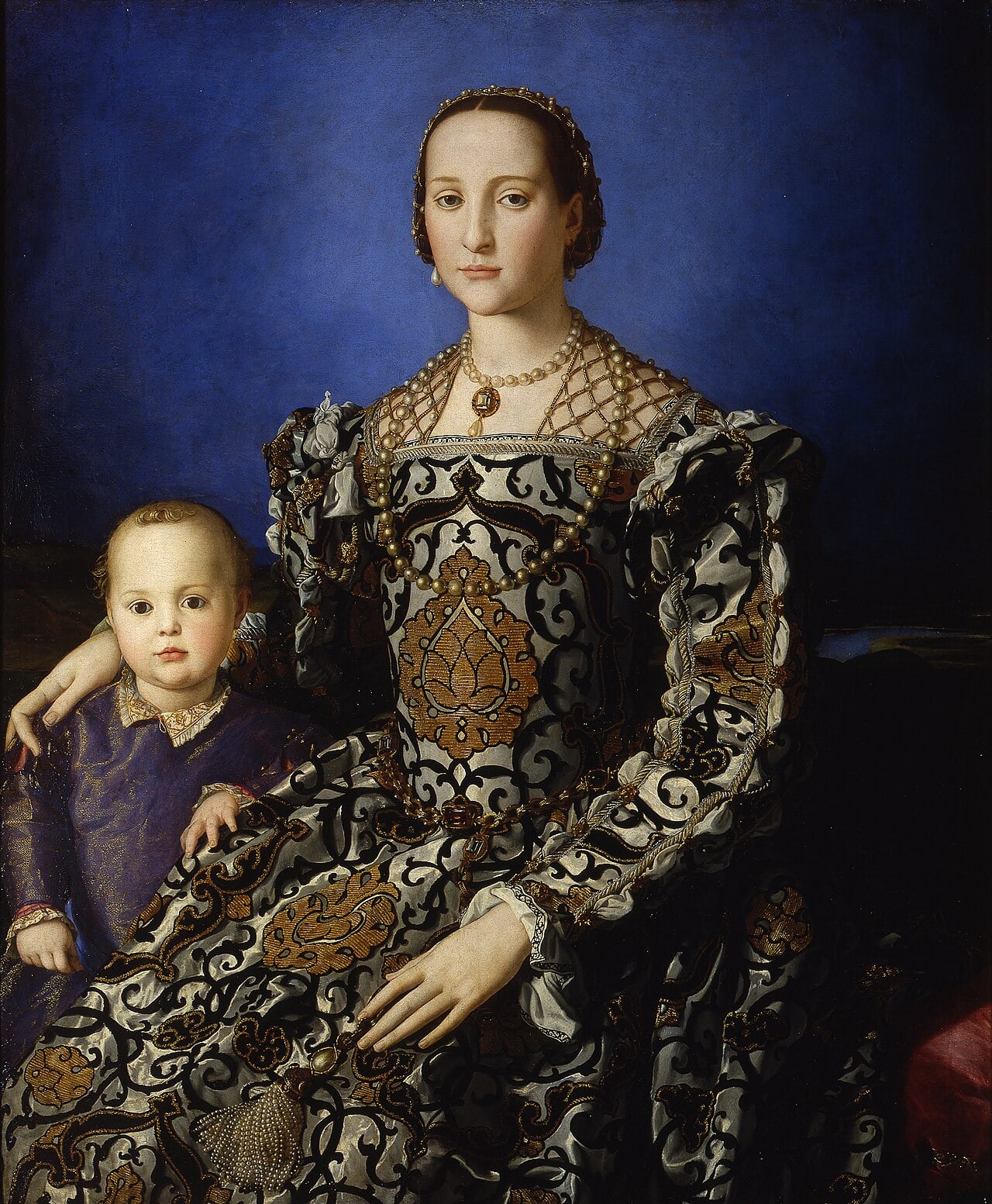
Bronzino's Allegory with Venus and Cupid is the perfect specimen, a glaze smooth tangle of cold flesh and hidden symbols you can stare at for an hour.
3 masters of Mannerism
The names are easy to list. Here are the three I would not skip, and why.
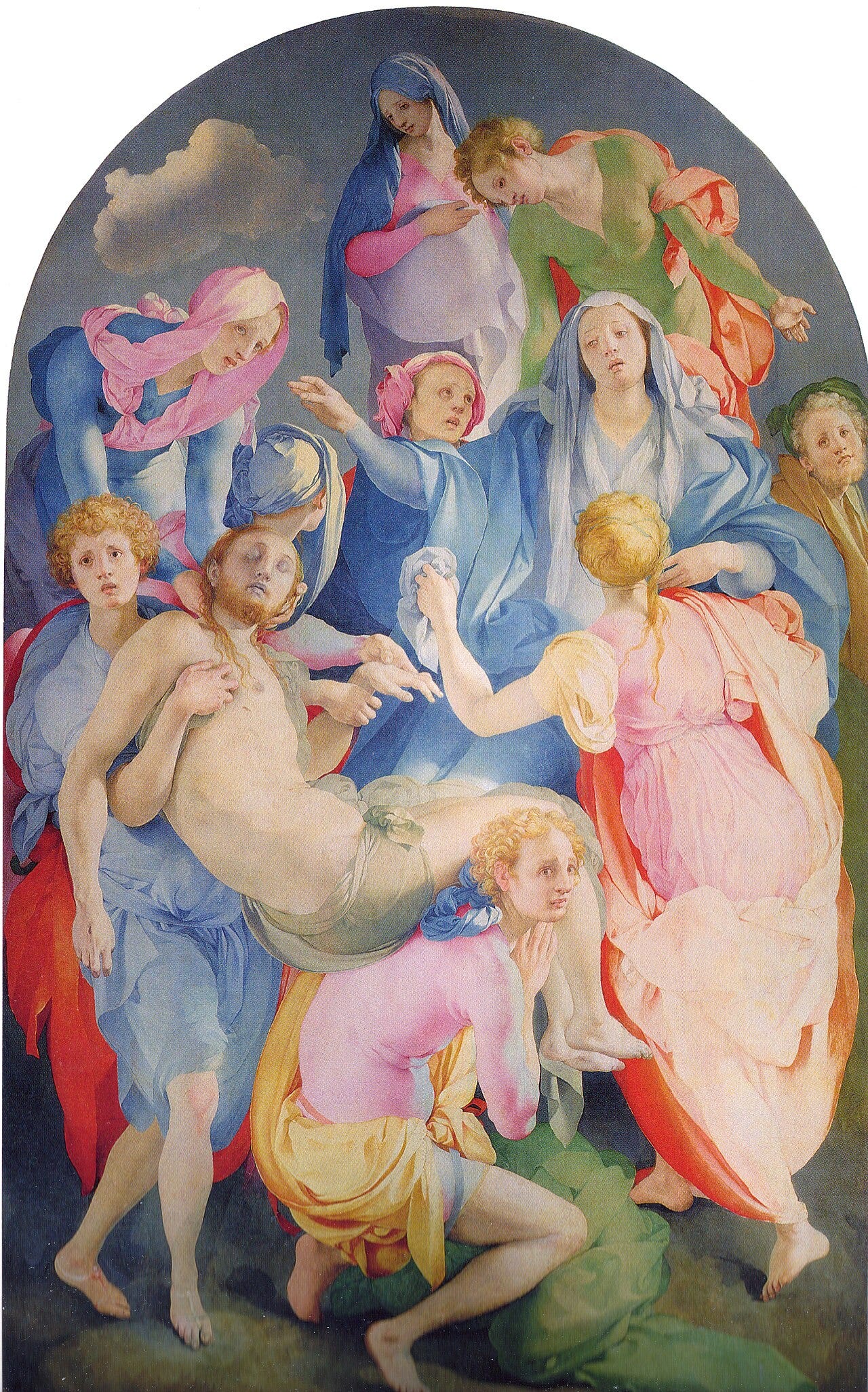
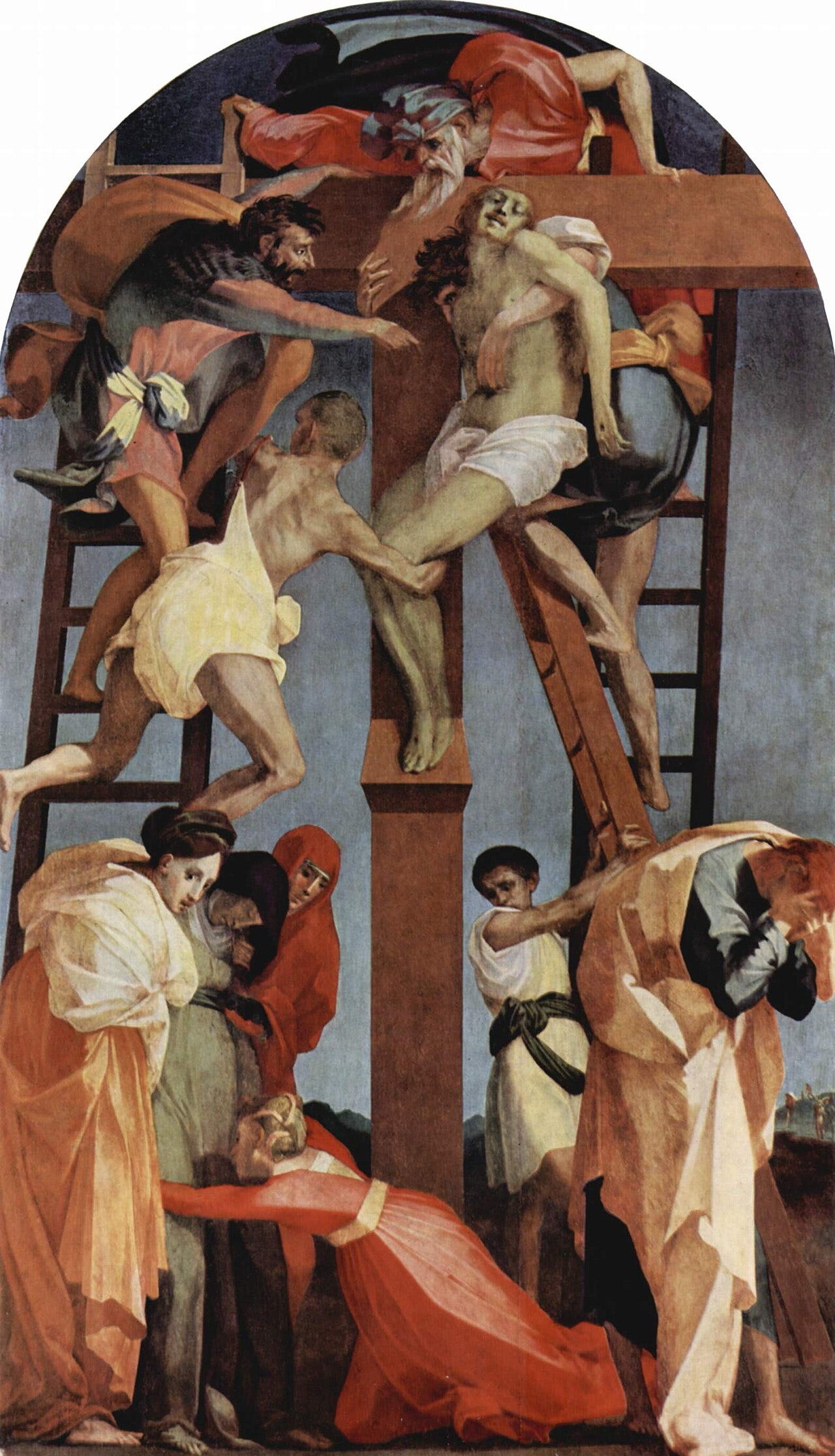
1. Pontormo. The anxious genius. His Deposition swirls with weightless, pastel colored figures floating in an airless, dreamlike space. Nothing stands on solid ground. It feels almost modern in its unease.
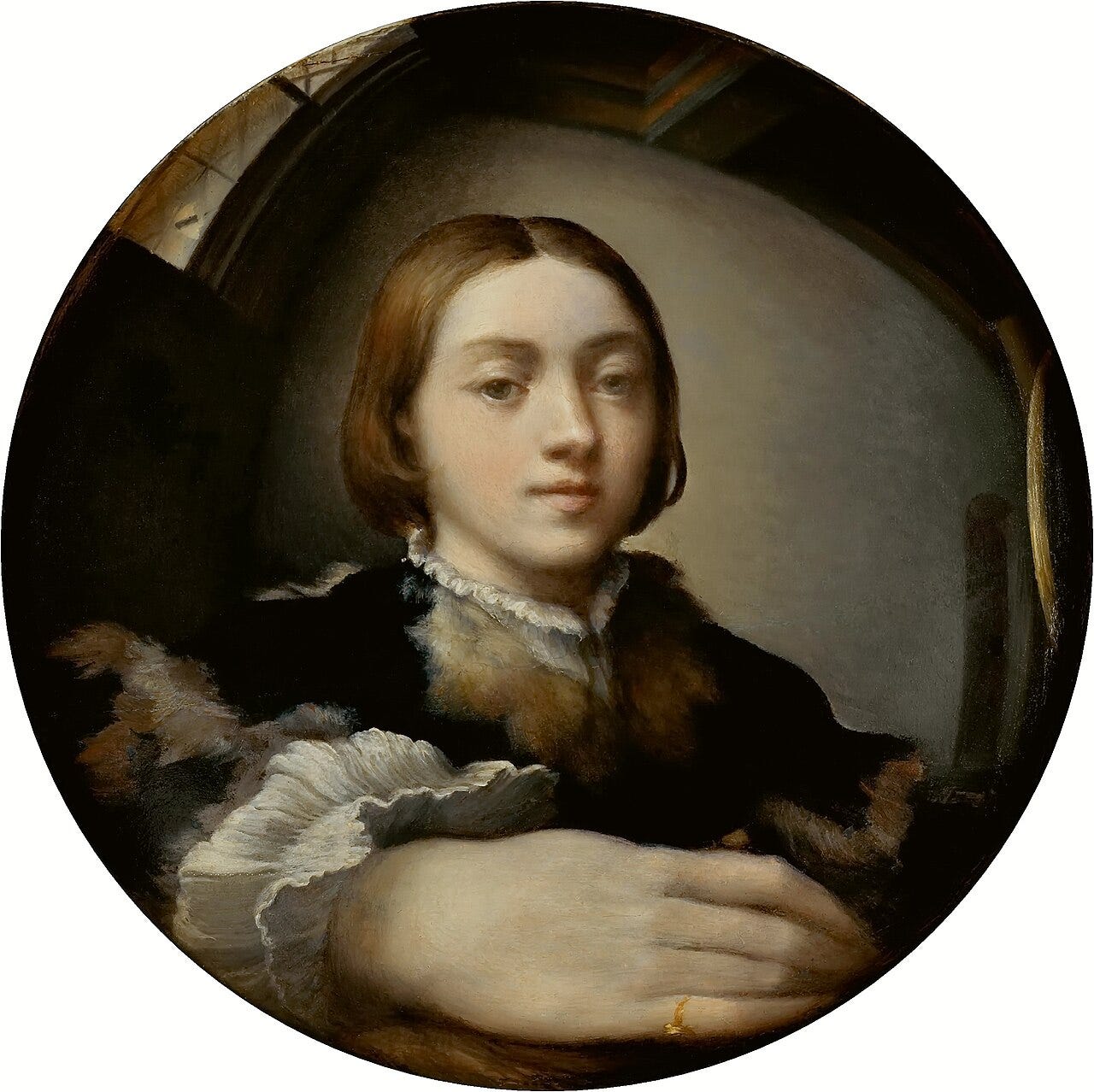
2. Parmigianino. The elegant one. His Madonna with the Long Neck is the movement’s emblem: a Madonna stretched into impossible, swan like grace, beauty pushed past nature into pure style.
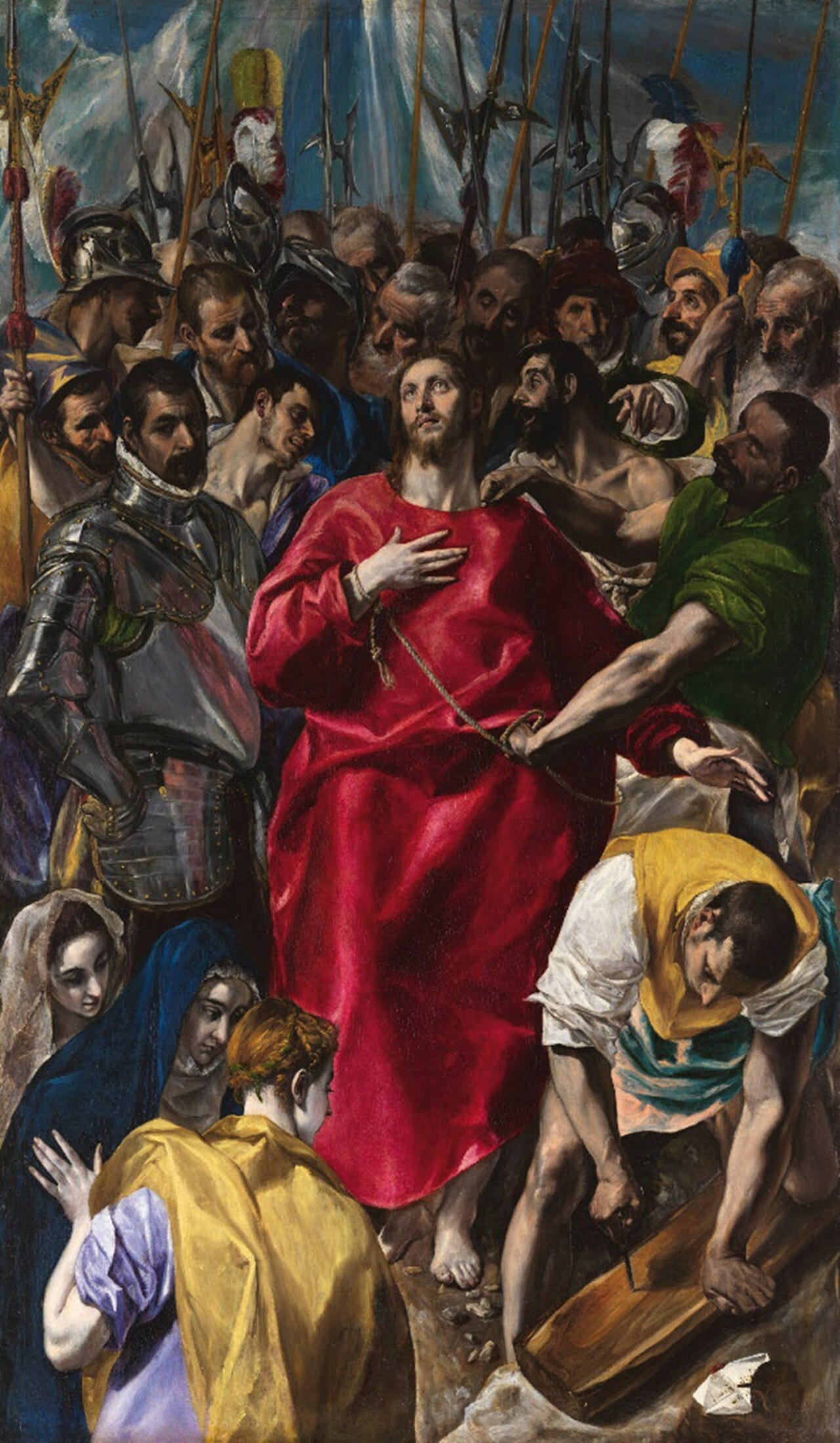
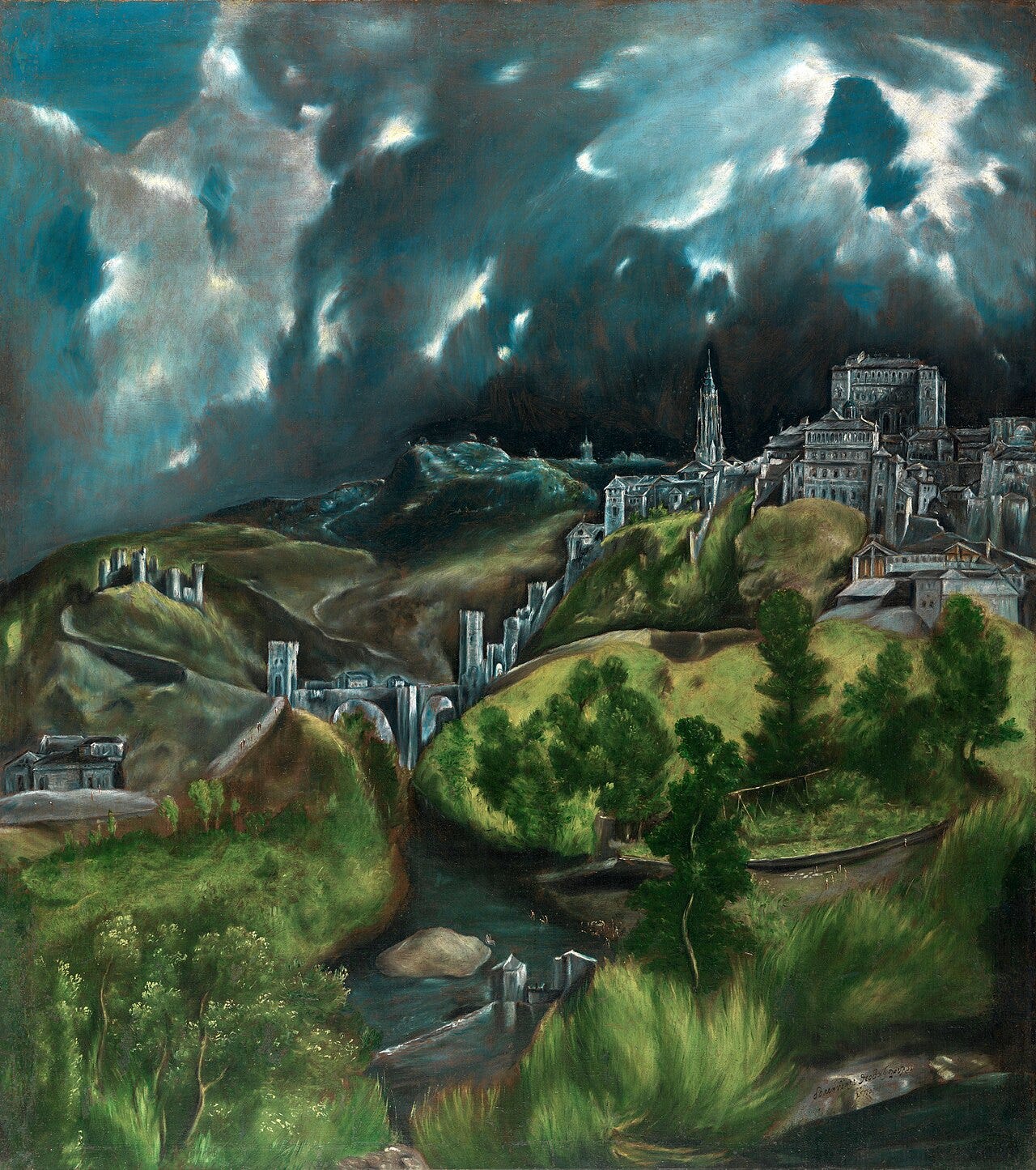
3. El Greco. The visionary outsider, and the one I find hardest to forget. Working in Spain, he stretched his saints into flickering flames of bodies, lit by an unearthly light. Ignored for centuries, he was rediscovered as a hero by modern painters.
Why Mannerism matters more than people think
Mannerism was the first knowing, self aware art, centuries before the modern taste for it caught up.
Anytime art is deliberately stylized, exaggerated and aware of its own artifice, that is the Mannerist instinct.
Fashion photography. Elongated bodies, impossible poses, cool artificial beauty. Pure Mannerism with a camera.
High fashion and editorial styling. Elegance pushed past nature into pure, knowing style.
Stylized film and music videos. Worlds that flaunt their own artificiality rather than hiding it.
So when an image is beautiful in a deliberately strange, stretched, artificial way, that is a 1520s idea at work.
Where to find the Mannerists today
These works are scattered, but worth the hunt.
The Uffizi, Florence. Pontormo, Bronzino and Parmigianino, the Italian heart of the movement.
The National Gallery, London. Bronzino's dense, disturbing Allegory.
Santo Tome and the Prado, Spain. El Greco's flaming, visionary figures.
The Capodimonte, Naples. Parmigianino and the strange beauty of late Mannerism.
Mannerism, the questions it twists
What is Mannerism in simple terms? An art style from about 1520 to 1600 that came after the High Renaissance, marked by elongated figures, strange colors and deliberate artifice.
What does the word Mannerism mean? It comes from the Italian maniera, meaning style or manner, pointing to art that flaunts its own elegance.
What comes between the Renaissance and the Baroque? Mannerism. It bridges the calm perfection of the High Renaissance and the drama of the Baroque.
Who are the most famous Mannerist artists? Pontormo, Parmigianino, Bronzino and El Greco.
What movement came after Mannerism? The Baroque, from around 1600. Where Mannerism twisted figures and space for effect, the Baroque brought back drama, movement and powerful light.
More secrets to unlock


The first art that knew it was art
Mannerism gets taught as a decline, and for a long time I believed it: the awkward phase after the Renaissance peak, too strange, not as good as Raphael.
But the bind those artists faced was real. They inherited a perfection they could never surpass, so instead of copying it forever, they made art about art, flaunting style and turning painting into a knowing performance.
That self awareness arrived 400 years before it became the reflex of modern art.
El Greco, the strangest of them, was ignored for 300 years and rediscovered around 1900, when his stretched, flame like figures fed straight into Picasso’s Demoiselles d’Avignon.
