
It is a portrait lighting pattern where one side of the face is lit and the other falls into shadow, except for a small triangle of light glowing on the shadowed cheek, just under the eye.
Photographers named it after Rembrandt because he painted faces lit exactly this way, three centuries before the camera existed.
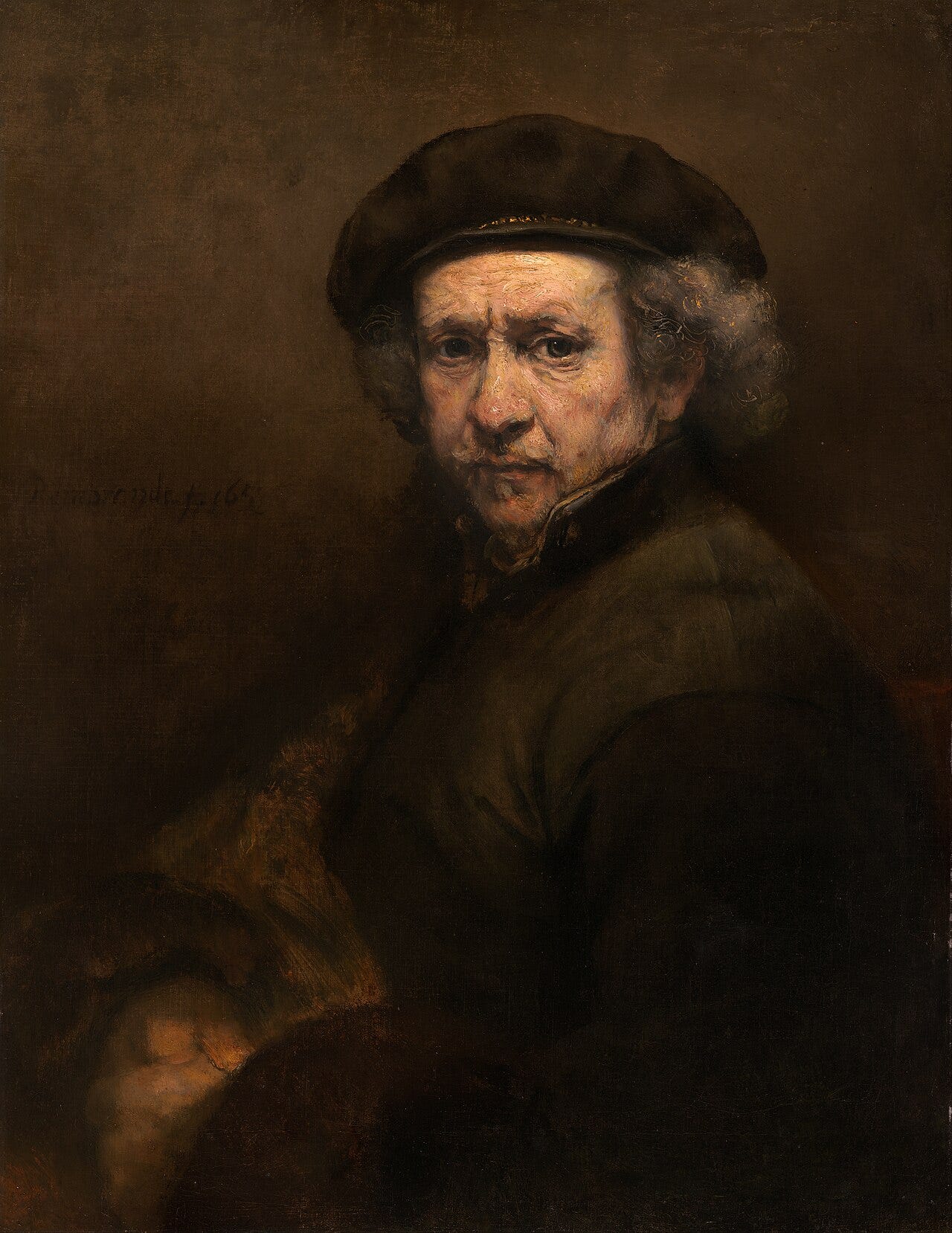
You have seen it a thousand times without knowing its name. Once you spot the little triangle, you cannot unsee it.
The whole thing comes down to one small triangle of light, and a painter who never asked for the credit.
Where the light actually falls
The whole effect lives in one small shape.
A single light hits the face from one side and from slightly above. Most of the far cheek drops into shadow, but a little light spills past the nose and lands beneath the eye, forming a bright triangle on the dark side.
That triangle is the signature. No triangle, no Rembrandt lighting.
Photographers even set a rule for it: the triangle should be no wider than the eye and no longer than the nose. Bigger than that and the light has simply slid round to the front.
Keep learning art the fun way


The rule photographers borrowed from a painter
Walk into any portrait studio and someone will mention it.
Rembrandt lighting is one of the first patterns every photographer and cinematographer learns, because it is flattering and dramatic at once.
It carves cheekbones, hides a weak jaw, and gives a face weight and mood without a single extra lamp. Film noir runs on it. So do most serious headshots.
The irony is that a man who worked by daylight and candlelight, with no light meter and no softbox, set the template the whole industry still copies.
He never called it that
Here is the part people get wrong.
Rembrandt did not invent a rule or teach a method called Rembrandt lighting. He simply painted people the way he saw them in a dim studio, one window, deep shadow, a face surfacing out of the dark.
The name came much later, from photographers and Hollywood lighting crews who noticed his portraits did exactly what they were trying to do.
In other words, we named the technique after the result, not the recipe. It grew out of his obsession with light and shade, the same family of effects behind chiaroscuro.
How to spot it, and how to shoot it
You can test it on your own phone tonight.
To find it in a painting or a photo, look at the darker side of the face and hunt for that small bright triangle under the eye. To create it, put one light at roughly 45 degrees to the side and a little above the face, then turn the head slightly toward the light until the triangle appears.
That is the entire trick.
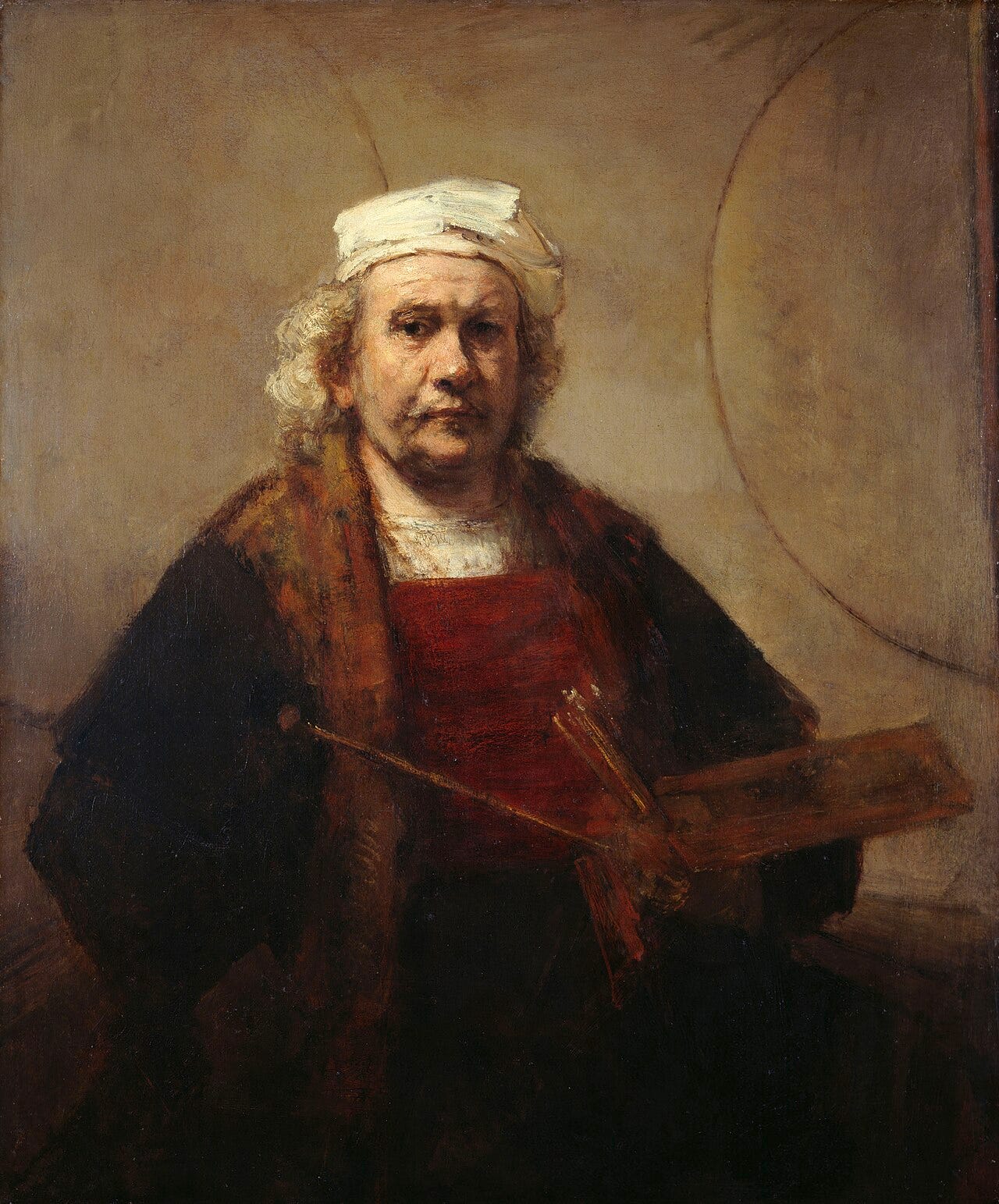
Rembrandt’s own self portraits are the best textbook ever made for it. He lit his aging face this way for forty years.
What people get wrong about it
Two ideas need correcting. Rembrandt lighting is not just a dark photo. The shadow has to break in exactly one place, that triangle, or it is something else entirely.
And it was not handed down by Rembrandt as a technique. He left paintings, not lighting diagrams. The pattern was reverse engineered from his canvases long after he was gone.
And here is the part the studios never mention: Rembrandt broke this pattern constantly. Plenty of his sitters are lit flat, or straight from the front, or barely at all.
The neat rule with its measured triangle is the photographers’ tidy version of a man who did whatever each face needed. To me that is the honest read: no one pushed light and shadow on a face further than he did, which is why his name, not another, ended up on the switch.
You can see it at full strength in Rembrandt's Night Watch and in his self portraits at the Rijksmuseum.
FAQ about Rembrandt lighting
What is Rembrandt lighting in one line? A portrait with one lit side and a small triangle of light on the shadowed cheek.
How do you set it up? One light about 45 degrees to the side and slightly above, head turned a little toward it.
How big should the triangle be? No wider than the eye, no longer than the nose.
Did Rembrandt invent it? No. Photographers named it after him because his portraits looked exactly like this.
Why use it? It is flattering and dramatic at once, and needs only a single light source.
More secrets to unlock


The painter who became a lighting switch
Walk onto a film set today and a gaffer may call for “Rembrandt” without thinking twice about the man.
A miller’s son from Leiden, dead and bankrupt for over three centuries, is now a verb in every studio on earth, shorthand for a face half in shadow with one small flame of light on the cheek.
The full life behind that obsession with light is here: Rembrandt: The Complete Story.
Three centuries on, an American painter built an entire brand on that same obsession with light. Thomas Kinkade trademarked himself as the Painter of Light, with a glowing window in almost every cottage he sold.
