
A portrait painting is a picture of a specific real person, made to capture both their likeness and something of who they are. For most of history it was also a tool of power, a way the rich and royal fixed their face and status onto a wall.
A face, held and studied, made to outlast the person who sat for it.
Portrait painting is among the oldest jobs in art, and the most loaded, caught forever between flattery and truth.
Portrait painting, the basics
What it is: a painted likeness of a particular person.
The double job: catch the face, and hint at the character.
The old purpose: broadcast wealth, power and lineage.
The big shift: the move from strict profile to the three quarter view.
The disruptor: photography, from 1839, changed what portraits were for.
Keep learning art the fun way


More than a face: the status machine
For centuries a portrait was a show of power.
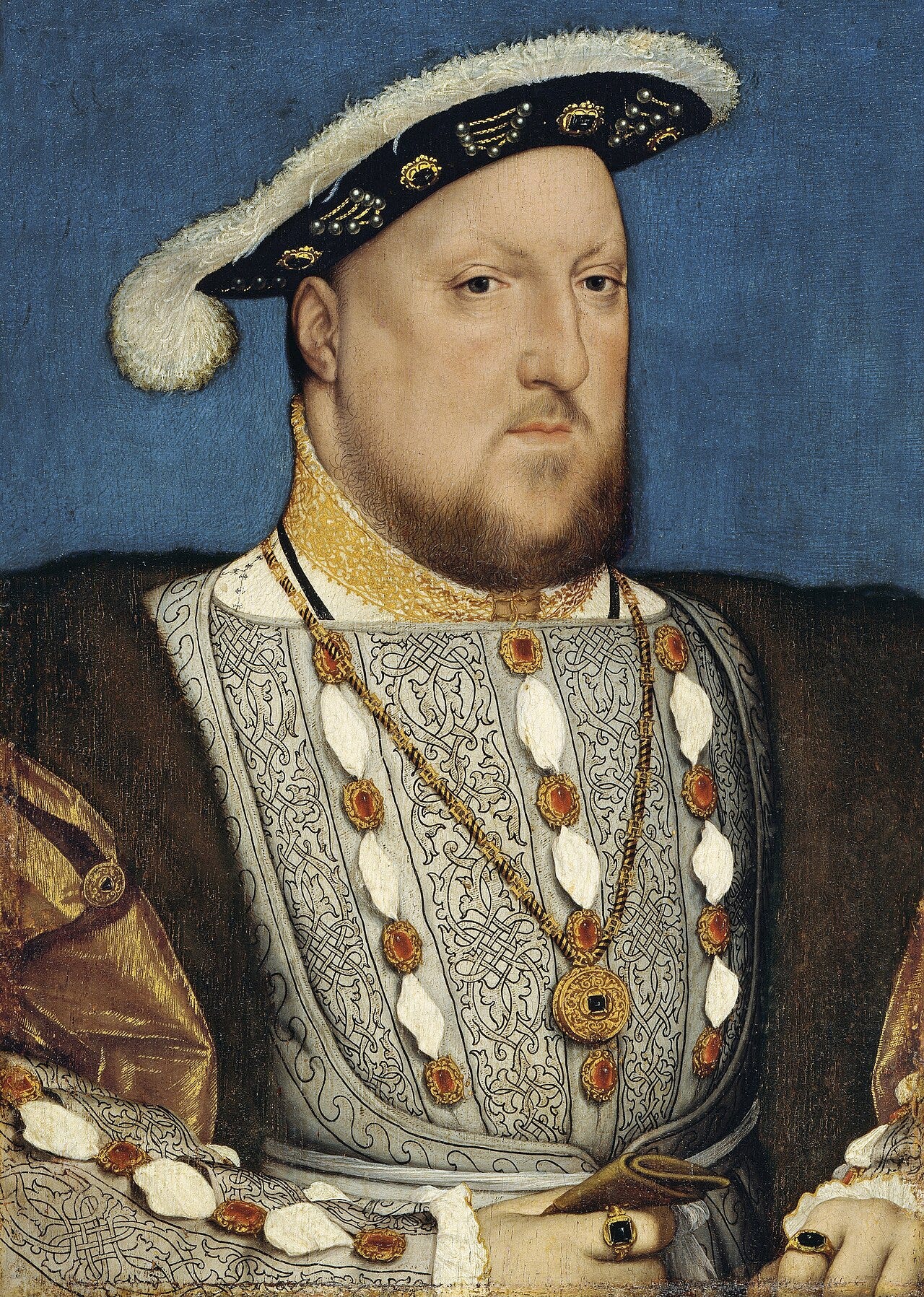
Kings, popes and merchants paid to have their wealth and lineage fixed in paint. Holbein's Henry VIII, feet planted, shoulders squared, reads less like a man than a brand.
The clothes, the jewels and the stance shout status before you even reach the face.
Unlike a landscape or a still life, a portrait looks back at you. That is its power, and the reason the powerful wanted one.
From coin profile to three quarter view
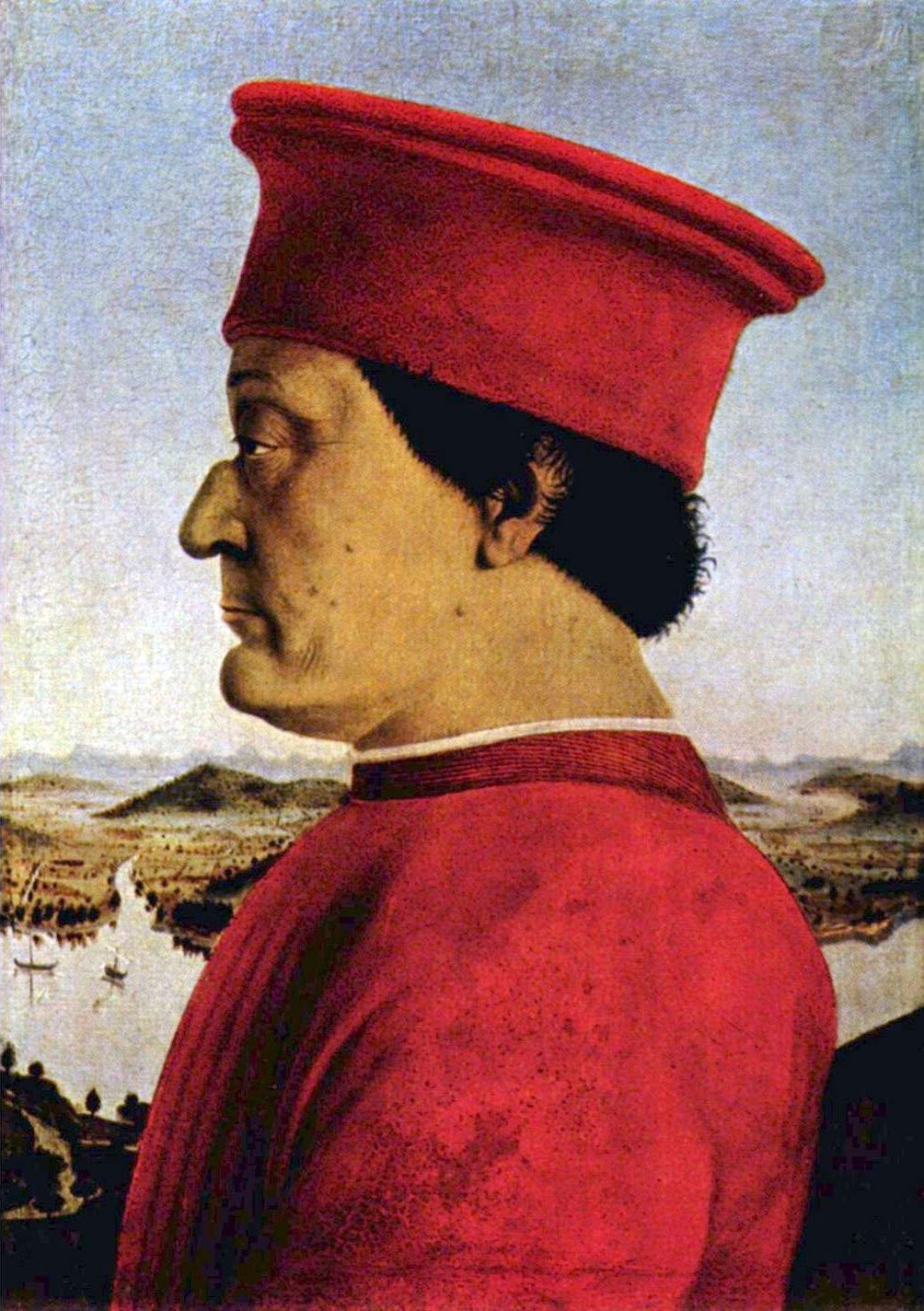
Early Renaissance portraits were strict profiles, heads turned sideways like a face on a coin. Dignified, distant and a little lifeless.
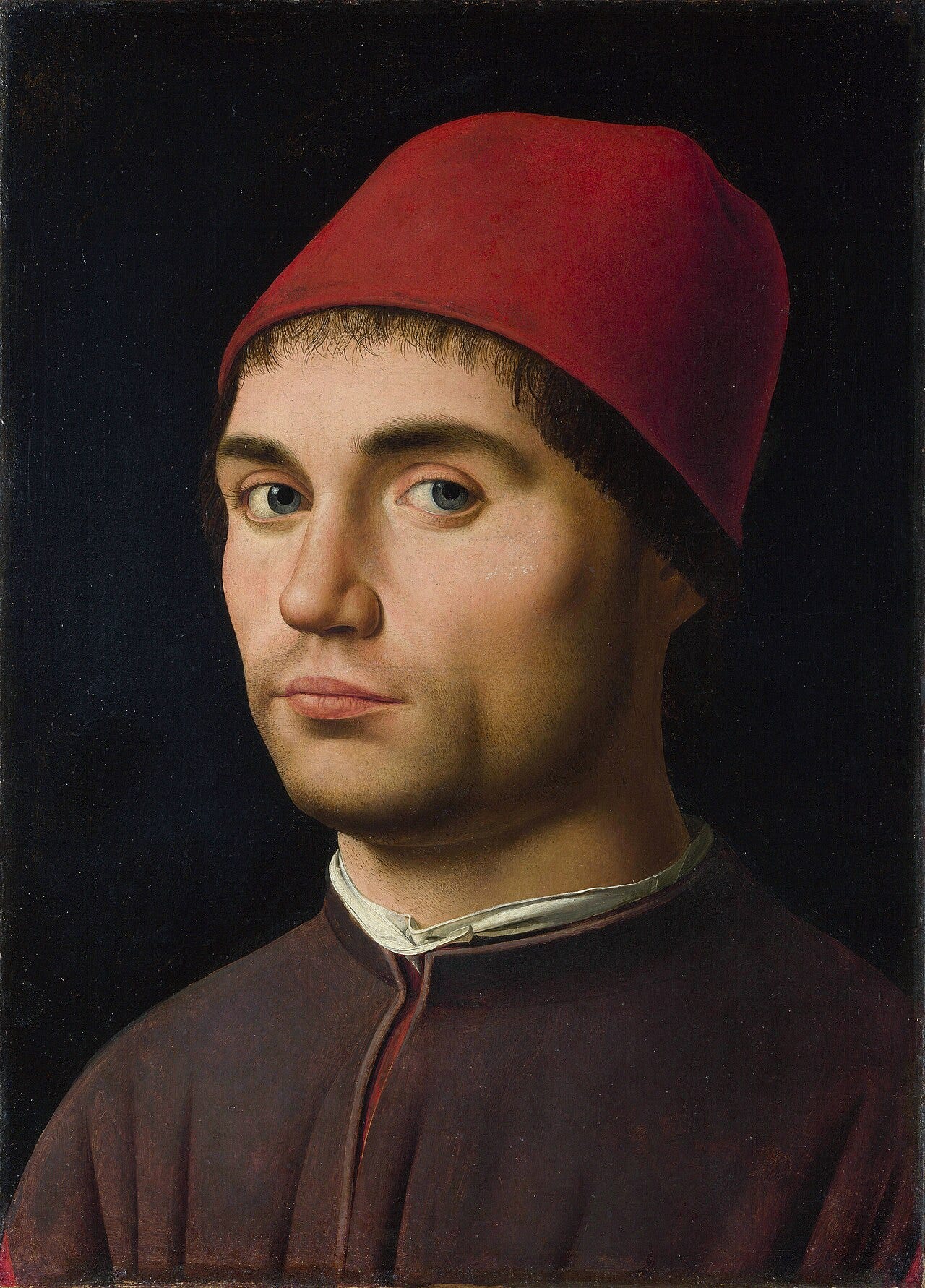
Then, under the influence of Netherlandish painters, Italians took up the three quarter view: the sitter turning toward you, one side of the face catching the light.
All at once there was a person there, with a near side and a far side, able to almost meet your eye.
That small turn of the head changed everything. The portrait stopped being a profile on a medal and became a meeting.
When a portrait holds a crowd
A portrait need not show a single face. The group portrait packed whole guilds and families into one frame, each member paying for their spot in it.
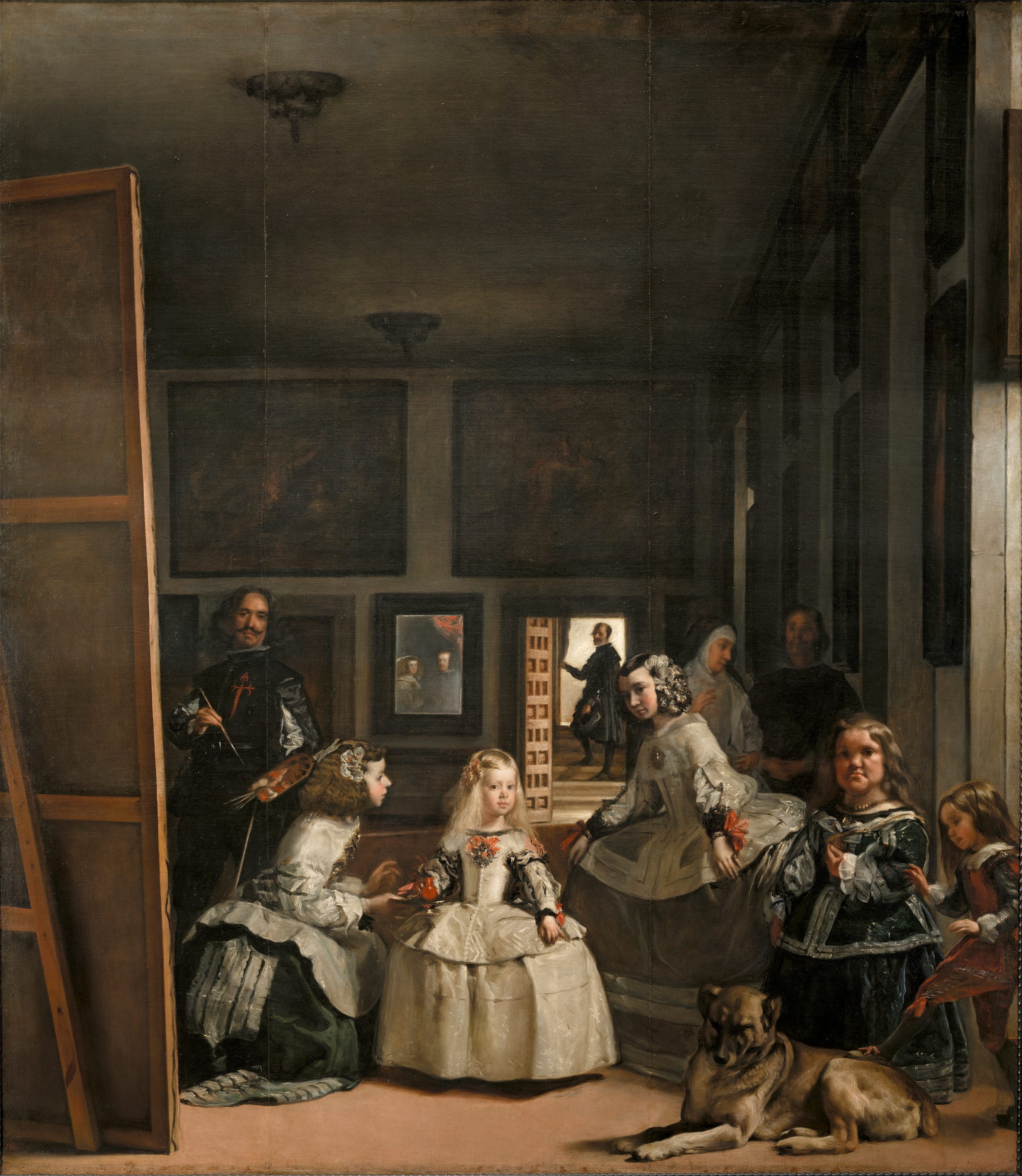
Rembrandt's Night Watch of 1642 turned a city militia into theatre, and Velazquez's Las Meninas of 1656 folded the painter, the little princess and the king's reflection into one room. To my mind it is the cleverest portrait ever painted.
Painting yourself
The branch that fascinates me most turns the lens inward: the artist painting the artist.
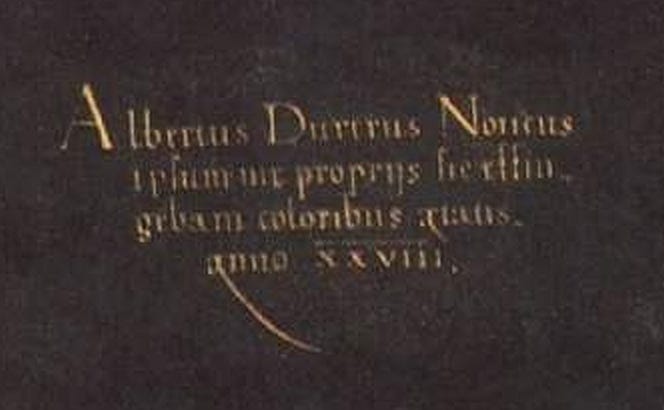
Albrecht Durer set the tone in 1500, painting himself face on in a pose normally kept for images of Christ.
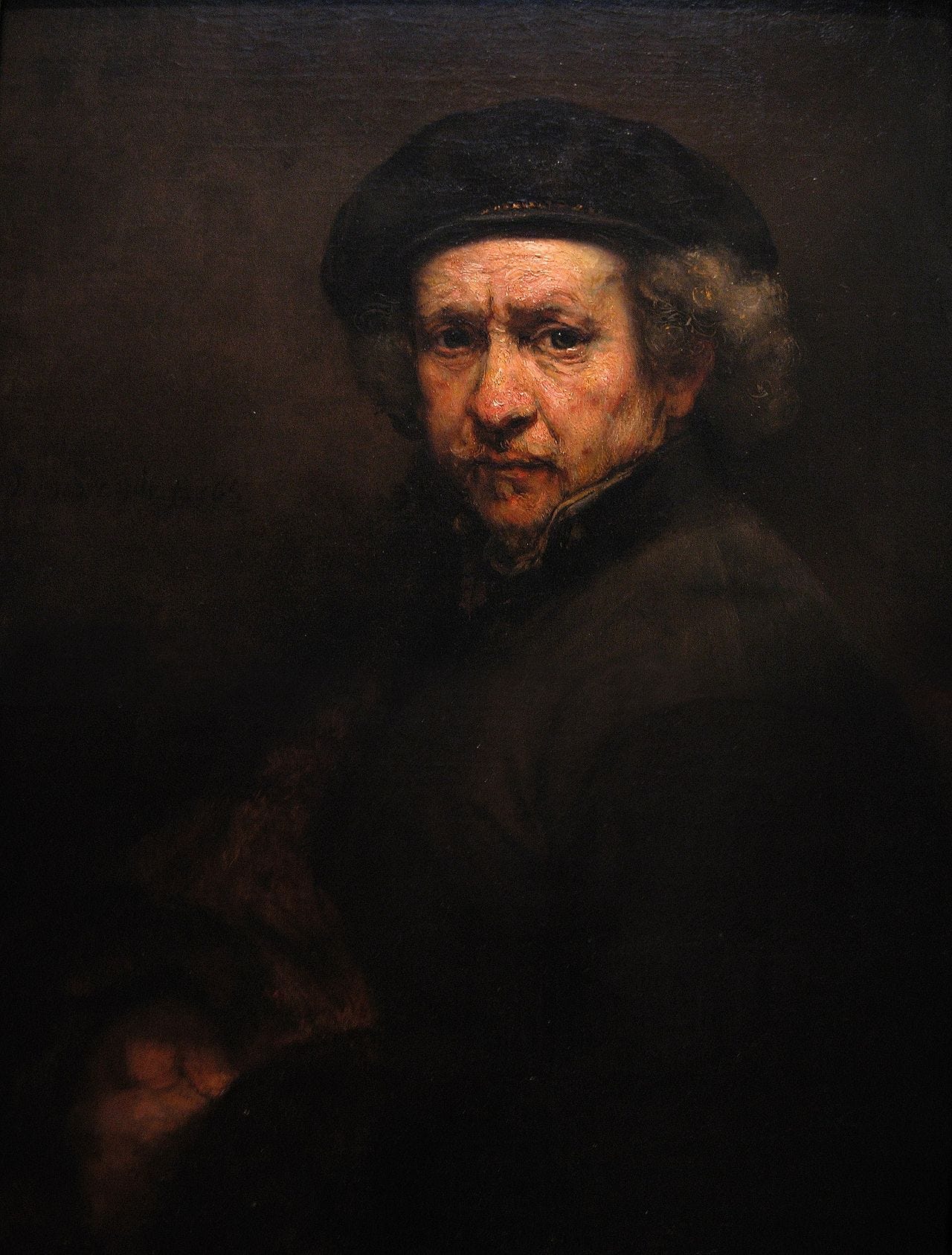
Rembrandt went further, painting himself around eighty times across a lifetime, young and sure, then old and ruined. That branch has its own page, the self portrait, and the full Rembrandt story sits behind it.
Flattery versus truth
Every portrait is a negotiation. The sitter wants to look good. The painter wants to catch what is really there. Somewhere between vanity and honesty sits the finished face.
Most portraits lean toward flattery, because flattery paid the bills. Court painters slimmed waists, brightened skin and straightened noses without being asked.
Now and then a painter returns to one face again and again, as Manet did across eleven portraits of Berthe Morisot, each a different reading of the same person.
After the camera
In 1839 photography arrived, and it could fix a likeness in minutes for a fraction of the cost.
It is often said photography killed portrait painting. The opposite is true: it set the form free. Once the camera owned plain likeness, painters chased what it could not reach, mood, character, distortion, the life behind the eyes.
Portraiture turned from record into interpretation.
The power portrait came back too. In 2018 Kehinde Wiley painted Barack Obama seated among living leaves, handing the grand tradition of the state portrait to a man it had spent centuries leaving out.
One of the most famous portraits in the world hangs at the Met: John Singer Sargent's Madame X. Sargent's portrait sits alongside Holbein's Henry the Eighth and Van Gogh's Dr Gachet in this walk through the faces that made portrait history.
Portraits, your quick questions
What is a portrait painting? A painted image of a specific person, capturing their likeness and character.
What is a self portrait? A portrait of the artist made by the artist. Rembrandt painted around eighty of them.
What is the three quarter view? A pose where the sitter turns partway toward the viewer, more lifelike than a flat profile.
Why were portraits so important? They displayed wealth, power and lineage, and preserved a face for the future.
Did photography end portrait painting? No. It pushed it away from plain likeness toward mood and interpretation.
More secrets to unlock


A face that outlasts the sitter
The sitters fade, but the faces stay.
Klimt's portrait of Adele Bloch Bauer sold for 135 million dollars in 2006, proof that a single painted face can outvalue almost everything its subject ever owned.
