
Romanticism is the movement that put emotion, imagination and the raw power of nature above cold reason, painting feeling at its most intense. Storms, ruins, awe and terror.
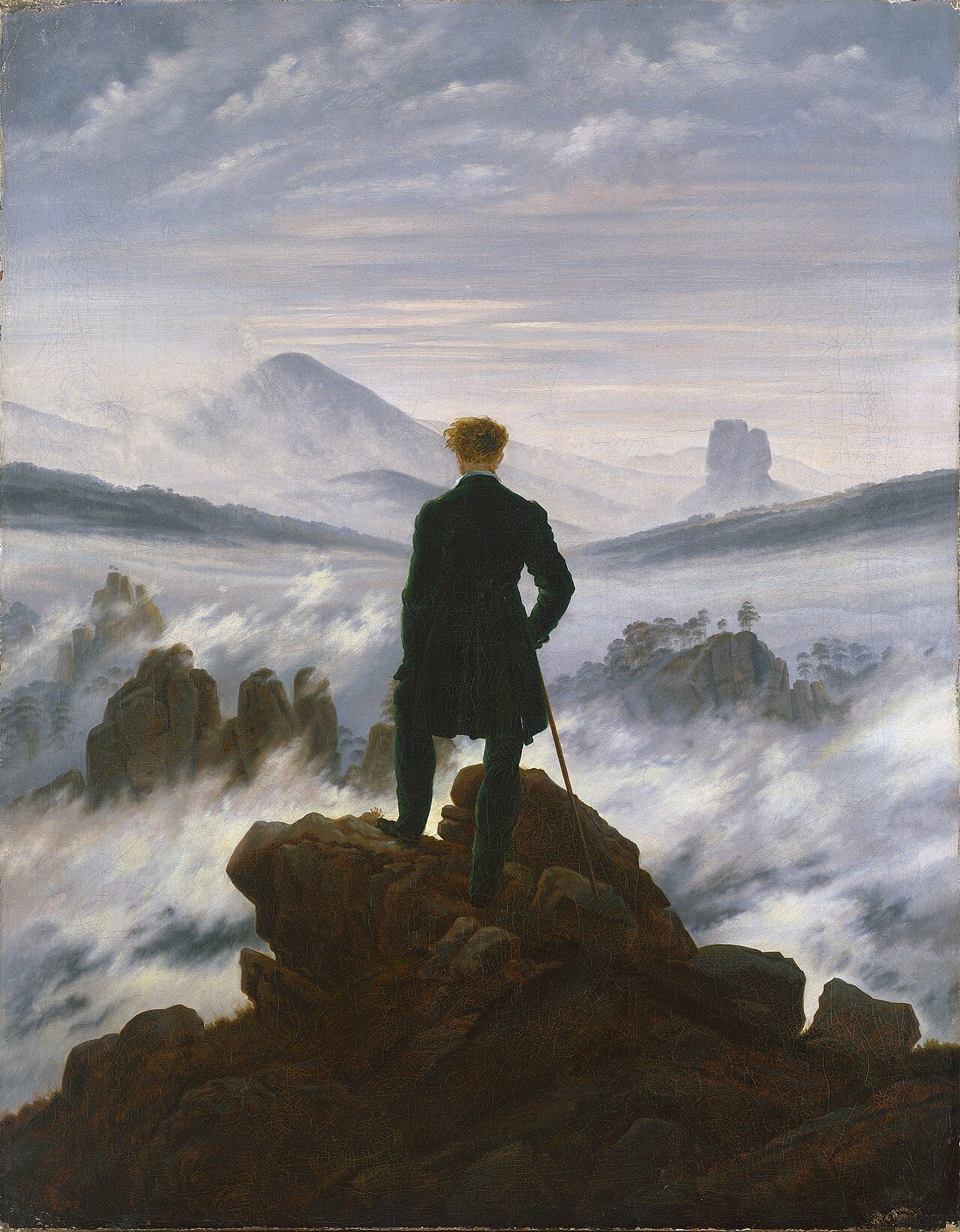
It swept Europe from the late 1700s to the mid 1800s, in open revolt against logic and order.
The first thing I tell people: Romanticism was a rebellion, not a mood.
It rose against the Enlightenment, the age that worshipped reason, science and tidy rules. The Romantics said: that is not what it feels like to be alive.
Real life is passion, fear, wonder, grief and the overwhelming force of nature. So they painted the storm instead of the equation.
The word “romantic” here has nothing to do with love. It means wild, emotional, sublime.
Romanticism in one minute:
The idea: emotion, imagination and nature over reason and order.
The time: roughly 1780 to 1850, across Europe.
The mood: awe, terror, longing, the power of the natural world.
The key word: the sublime, beauty mixed with fear.
It pushed back hard against the calm order of the Renaissance ideal and Neoclassicism.
Keep learning art the fun way


What does Romanticism actually mean?
Forget the modern sense of the word. Romantic here does not mean roses and candlelight.
It comes from “romance,” the old adventure tales of heroism, passion and the marvelous. Romanticism was about big feeling and wild imagination, the opposite of cool, rational calm.
Romanticism was marked by a new interest in human psychology, the expression of personal feeling, and a fascination with the natural world.
The movement valued the individual, the emotional and the untamed. It loved ruins, storms, distant lands, sleepless nights and the vast indifference of nature. Where the Enlightenment trusted the head, Romanticism trusted the heart, and the gut.
The big idea: the sublime
If I could hand you one idea to unlock Romantic art, it would be this.
The Romantics were obsessed with the sublime: the overwhelming feeling you get facing something vast and powerful enough to destroy you. A towering mountain. A raging sea. An endless sky.
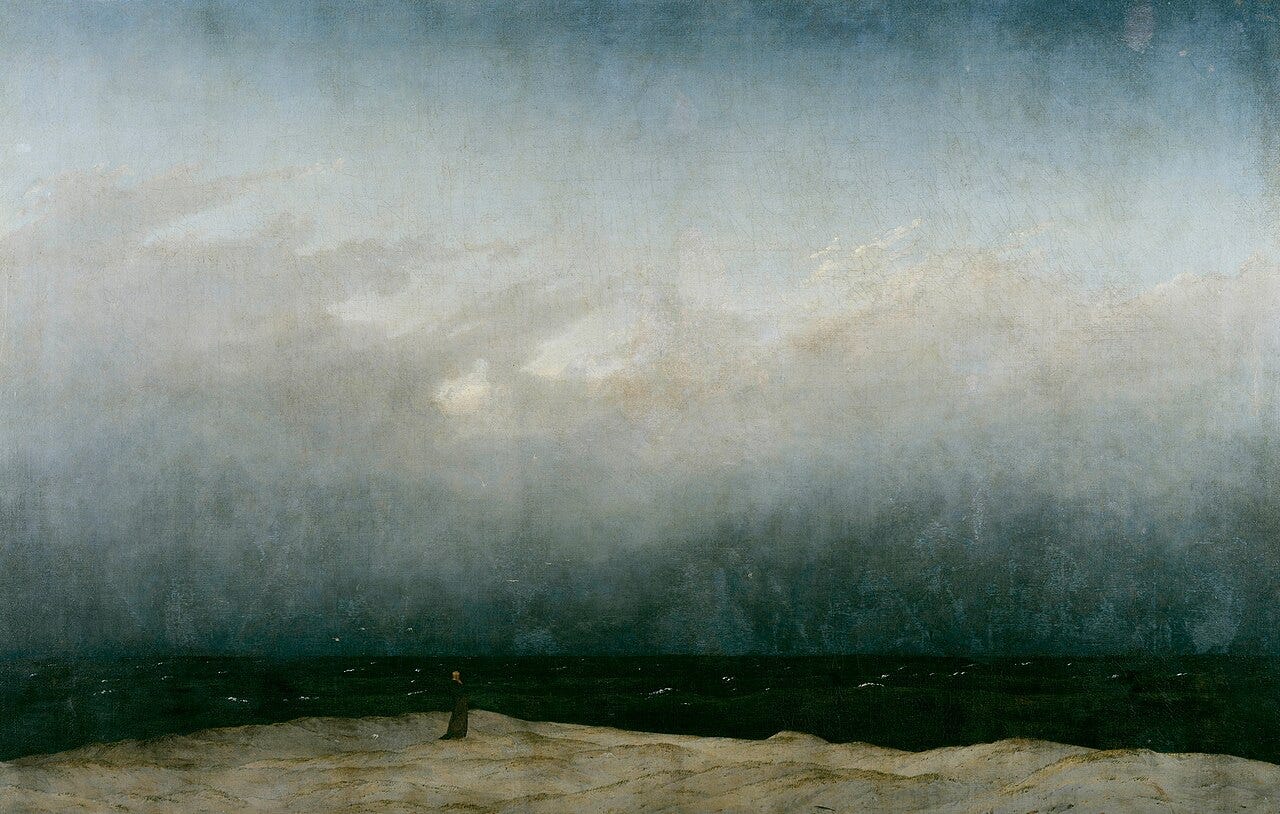
It is beauty mixed with fear. You stand at the edge of a cliff, terrified and thrilled at once. That cocktail, awe plus dread, is the sublime, and the Romantics chased it above all else.
That is why so many Romantic paintings shrink the human figure to a tiny speck against an enormous, indifferent nature. The point is to make you feel small.
Romanticism vs Neoclassicism: the clean difference
These two fought each other directly. Here is the split.
Neoclassicism is reason. Calm, balanced, orderly, inspired by ancient Greece and Rome. Cool heads, clean lines, civic virtue.
Romanticism is emotion. Turbulent, dramatic, personal, inspired by nature and feeling. Hot hearts, wild brushwork, inner storms.
The sentence to keep: Neoclassicism paints what the mind should think, Romanticism paints what the body actually feels.
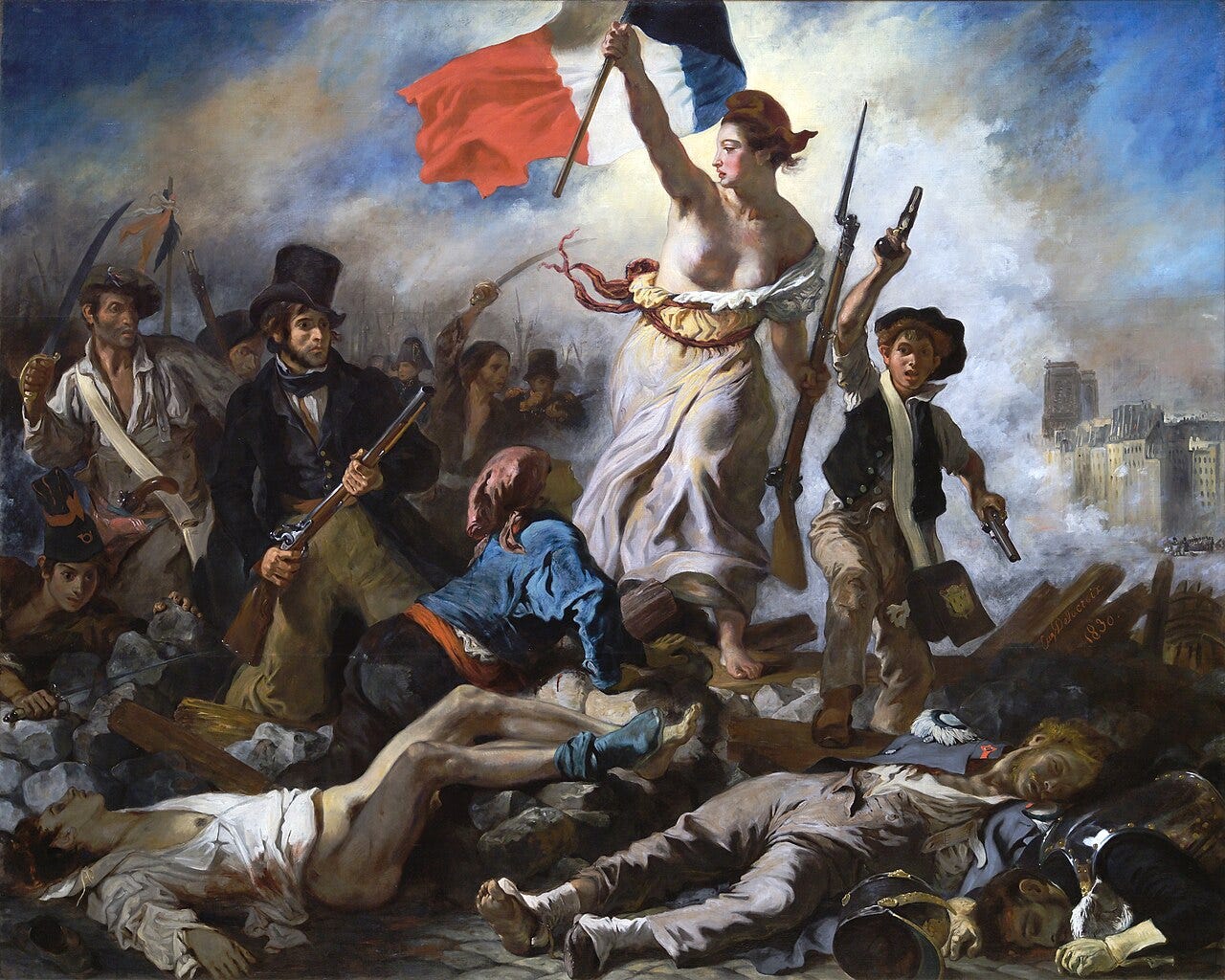
Turner, Friedrich, Delacroix, Goya
The movement runs from glowing light to pure darkness, and the four I would not skip sit across that whole range.
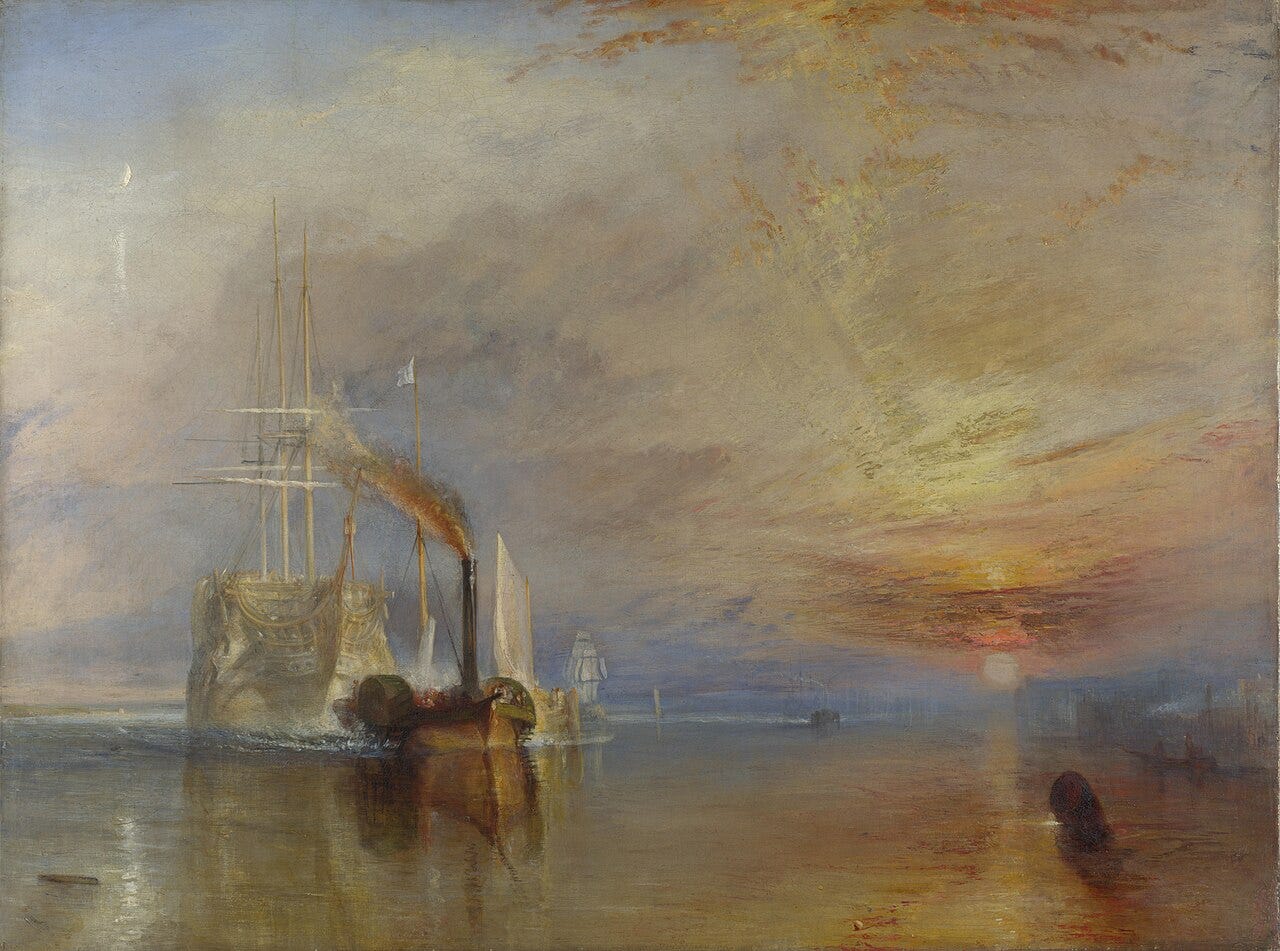
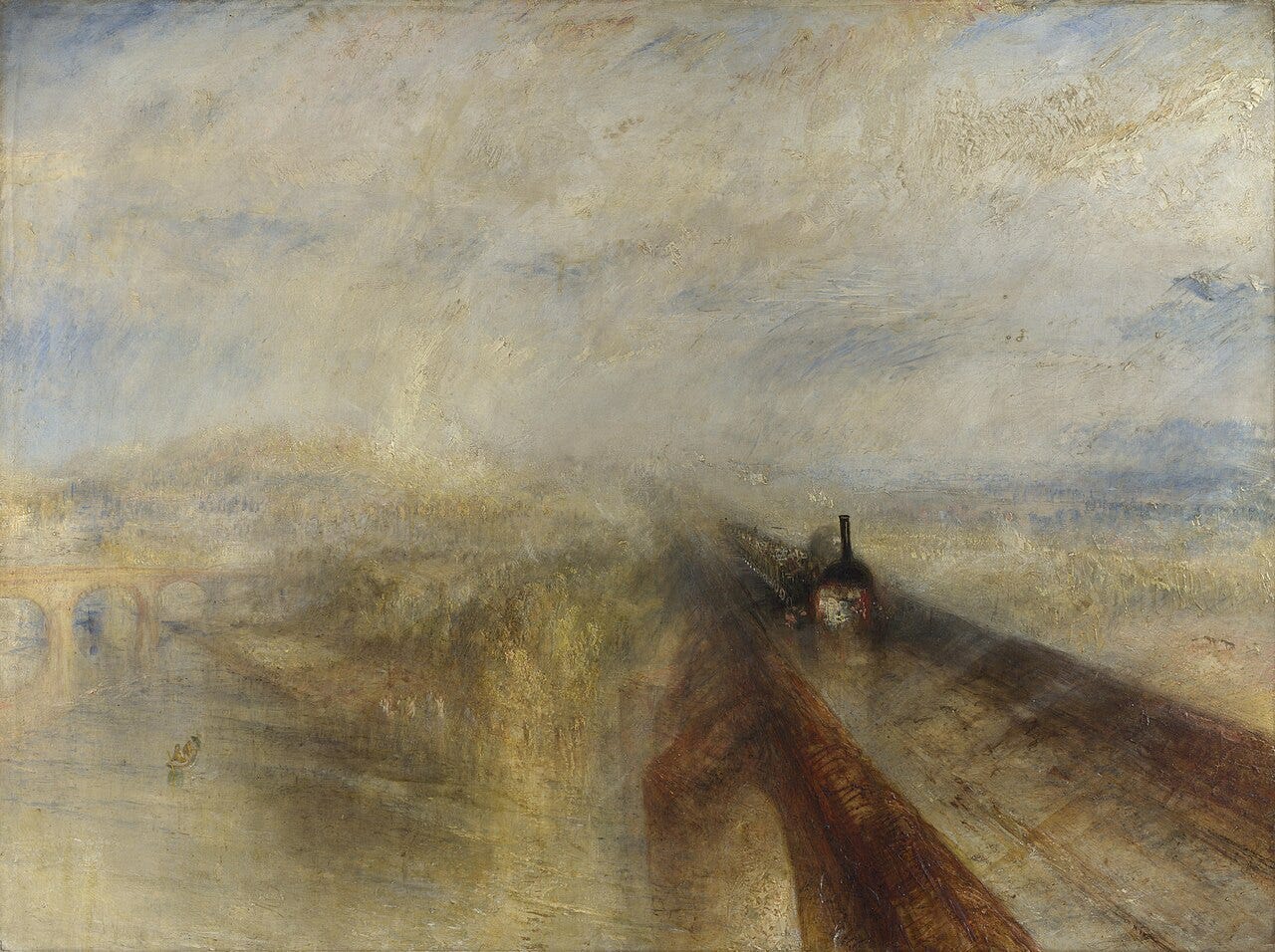
J. M. W. Turner. The painter of light. His storms, sunsets and shipwrecks dissolve into pure glowing color, so far ahead that they look almost abstract a century early. The National Gallery holds many of his finest paintings.
Caspar David Friedrich. The German master of solitude and the sublime. His lone figures gaze into fog, ruins and moonlit seas. Nobody painted loneliness against nature better.
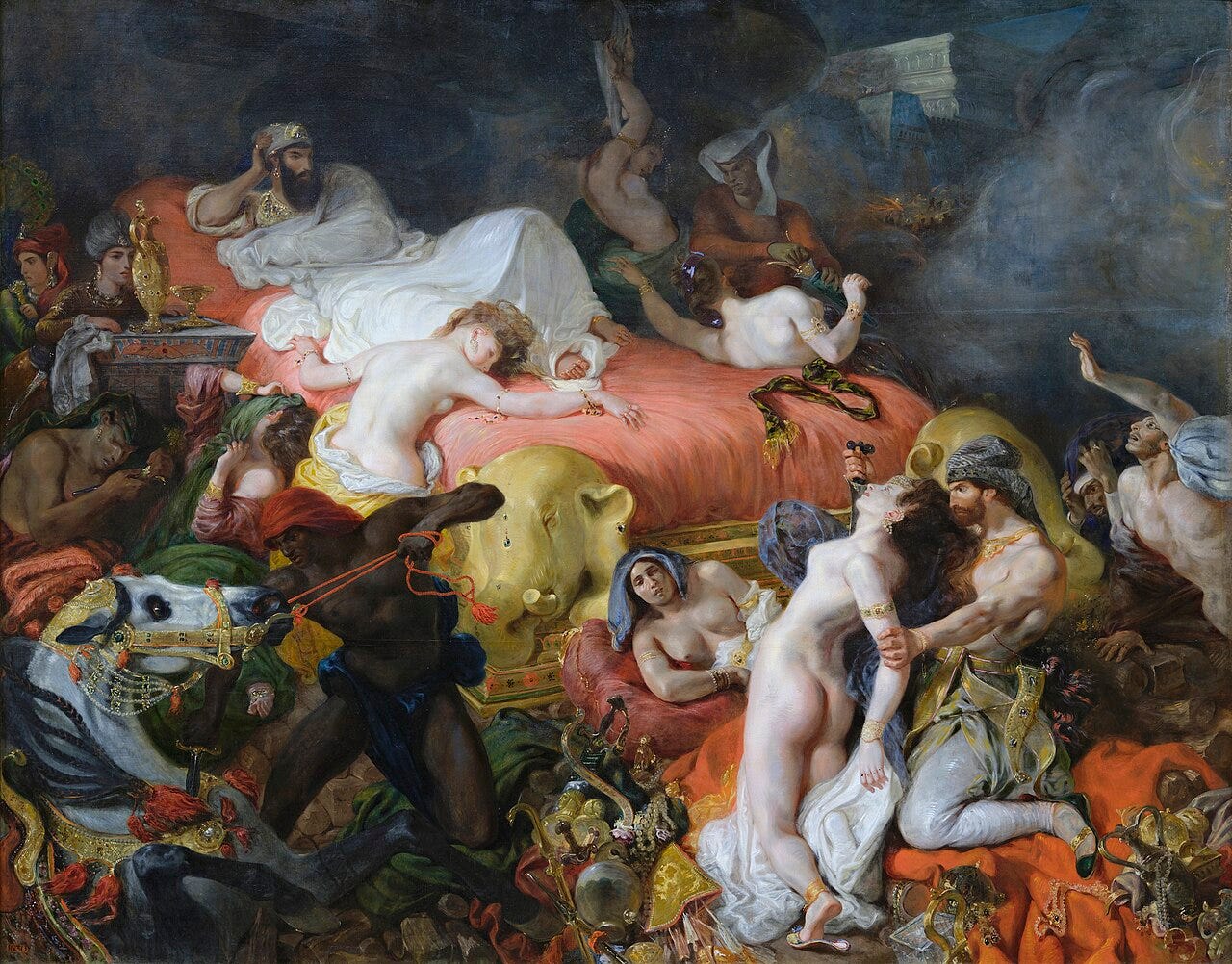
Eugene Delacroix. The French firebrand of color and motion, all charging horses, battles and passion, exploding off the canvas.
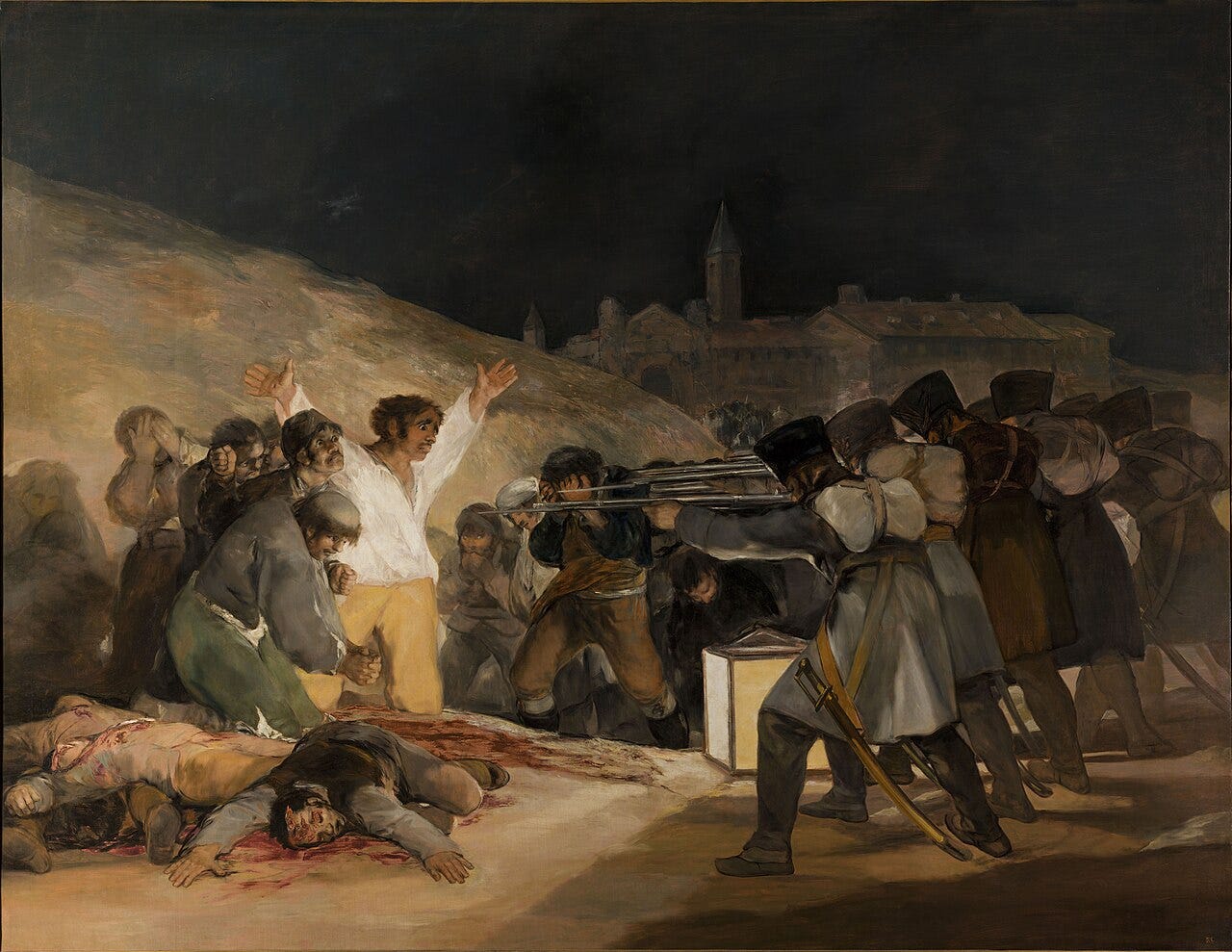
Francisco Goya. The darkest of them all.
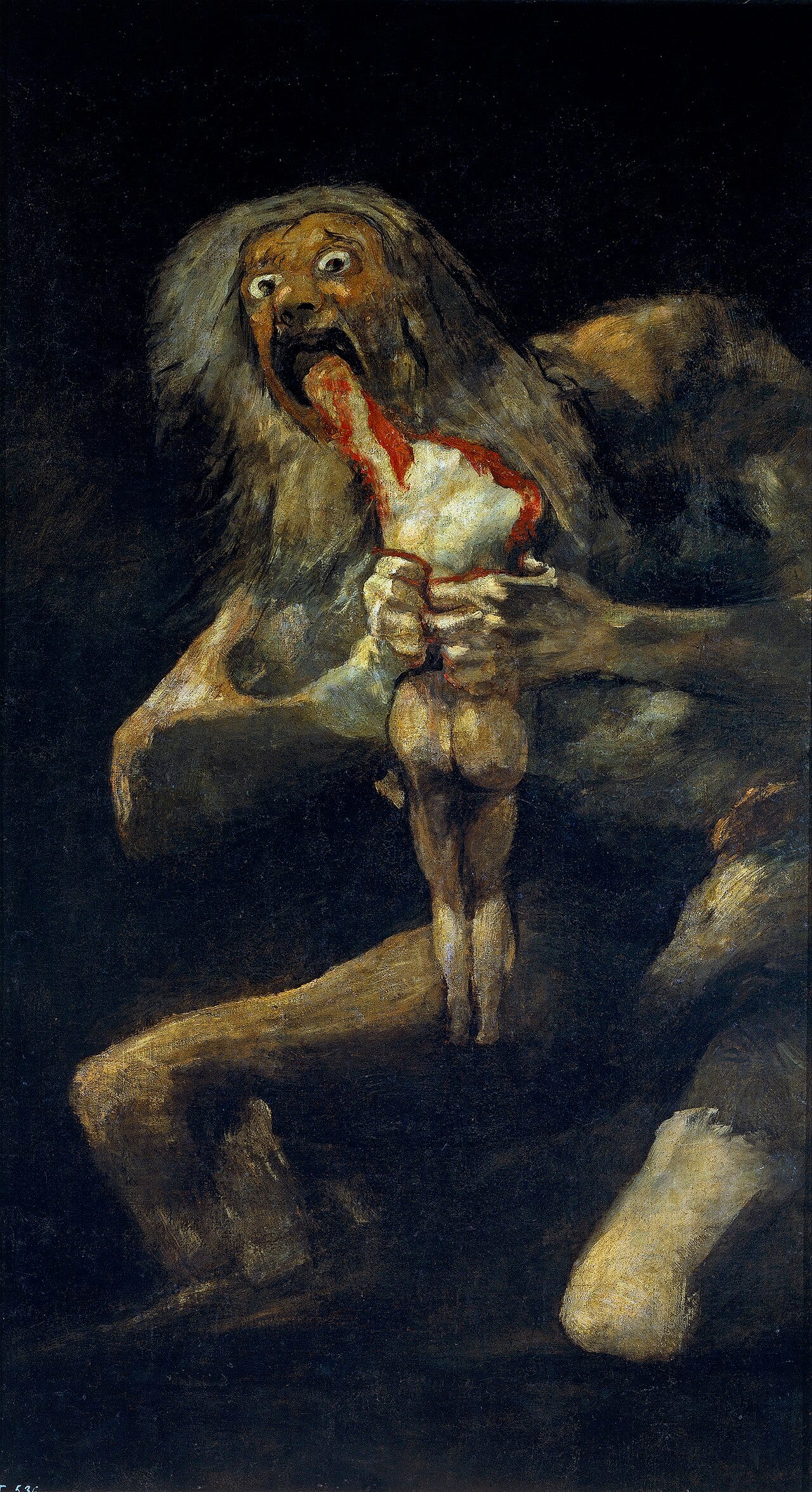
His late black paintings and his horrors of war drag Romanticism into nightmare. He is the bridge between feeling and pure dread. Whether Goya is the greatest painter of all time is a case worth making.
Where Romanticism came from (and where it went)
Romanticism did not appear from nowhere.
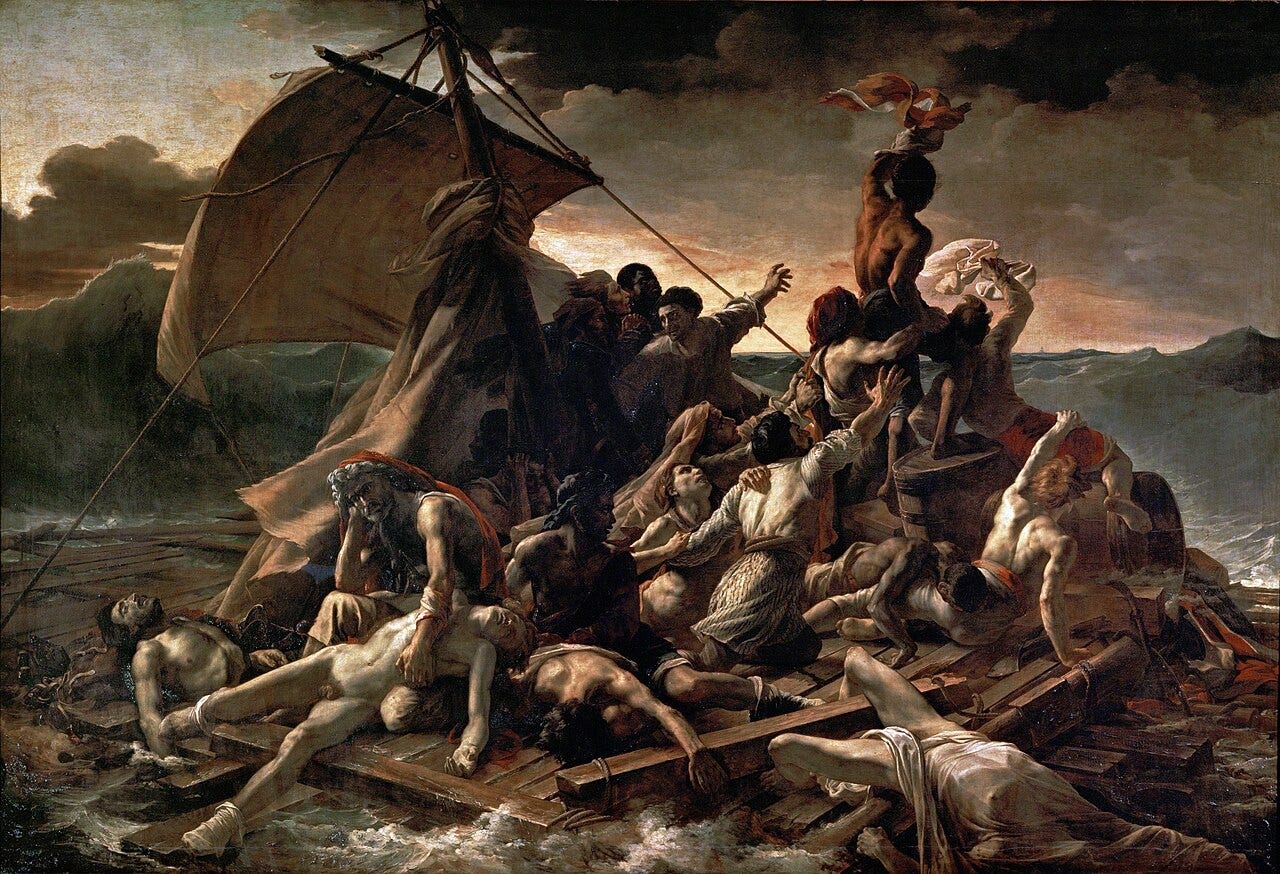
Romanticism inherited the raw drama of the Baroque, all that movement and emotion, and aimed it at nature and the self instead of the church.
And it did not really die. Its obsession with feeling, dreams and the irrational fed straight into the next century, into the dream worlds of Symbolism and beyond.
Romanticism was the moment art decided that how something feels matters more than how correct it is.
Why every epic film owes Romanticism
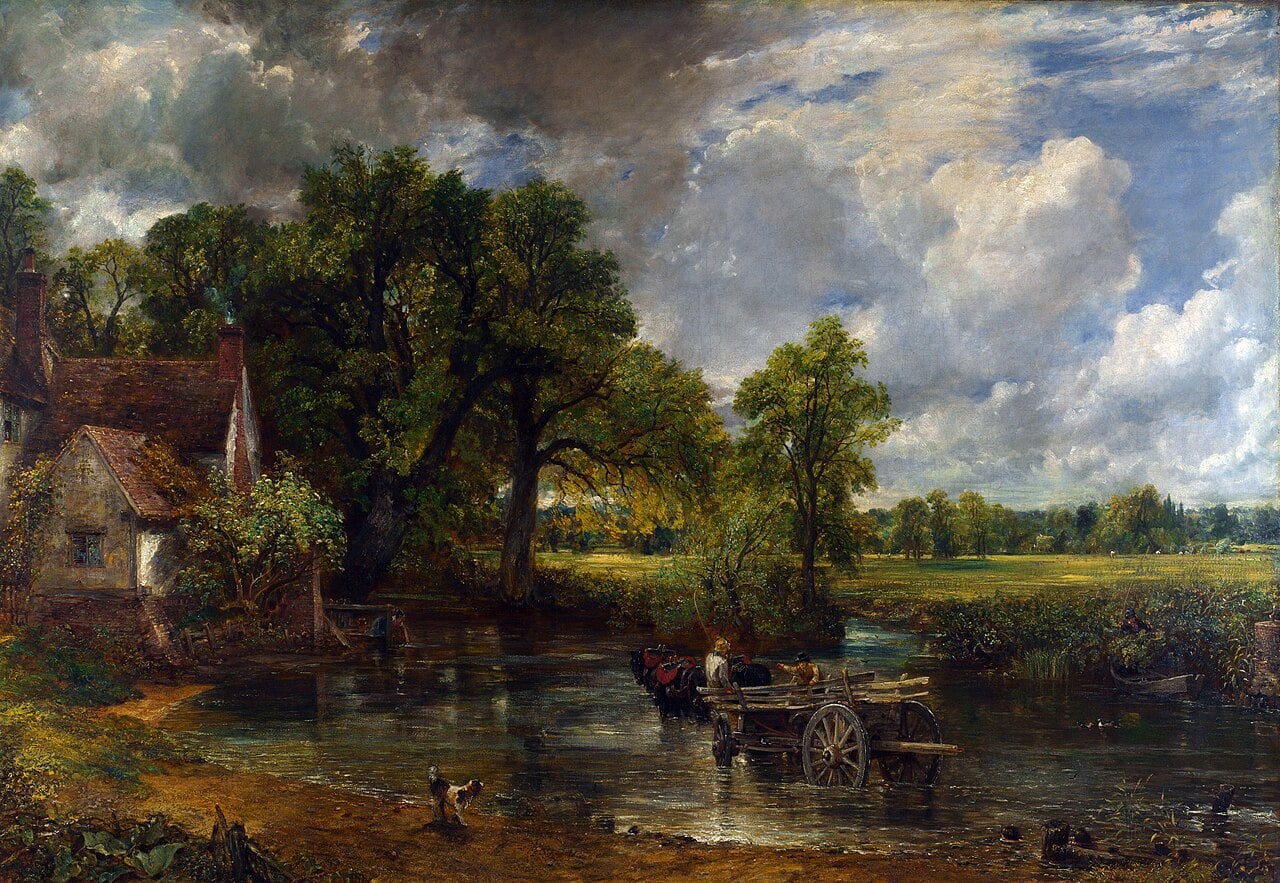
Romanticism basically built the modern emotional imagination.
Anytime nature is used to overwhelm you with awe, that is the Romantic sublime at work.
Film scores and epic cinema. The swelling music over a vast landscape in any blockbuster is pure Romanticism.
Fantasy and nature photography. Lone figures against giant mountains, dramatic skies, the sublime repackaged for the feed.
The gothic aesthetic. Ruins, storms, moody melancholy, all straight from the Romantic playbook.
Climate and nature worship. The modern awe of wild, untamed nature is a Romantic inheritance.
So when a movie makes you feel tiny under a huge sky, that is Friedrich and Turner, still working.
Romanticism, the questions it stirs
What is Romanticism in art in simple terms? A movement from about 1780 to 1850 that valued emotion, imagination and the power of nature over reason and order.
What does the sublime mean? The overwhelming mix of awe and fear felt before something vast and powerful, like a mountain or a storm. It was central to Romantic art.
What is the difference between Romanticism and Neoclassicism? Neoclassicism values reason, calm and order. Romanticism values emotion, drama and nature.
Who are the most famous Romantic painters? Turner, Caspar David Friedrich, Delacroix and Goya are among the greatest.
What is the opposite of Romanticism? Neoclassicism. It valued reason, restraint and classical order, the very rules Romantic painters broke in favor of emotion and drama.
More secrets to unlock


Art for what reason cannot reach
The Enlightenment said people are rational creatures, that the way to truth is the clear, calm head. And it was not wrong, exactly.
But the Romantics noticed what it left out. The shiver at the edge of a cliff. The grief that has no logic. The strange joy of a storm. The feeling of being tiny under an endless sky. None of that fits in an equation, and all of it is true.
So they made an art for the part of being human that reason cannot reach. That is why a Turner sunset or a Friedrich fog still stops you, centuries later.
Turner believed in it to the end, leaving almost 300 paintings and 30,000 works on paper to the British nation, the Turner Bequest now at Tate Britain.
Two centuries on, those storms still feel like weather, which is exactly what Romanticism set out to do.
