
Symbolism in art is the use of objects, colors and figures to carry a hidden meaning beyond what they literally show. A skull is not just a skull. It is death, placed there on purpose.
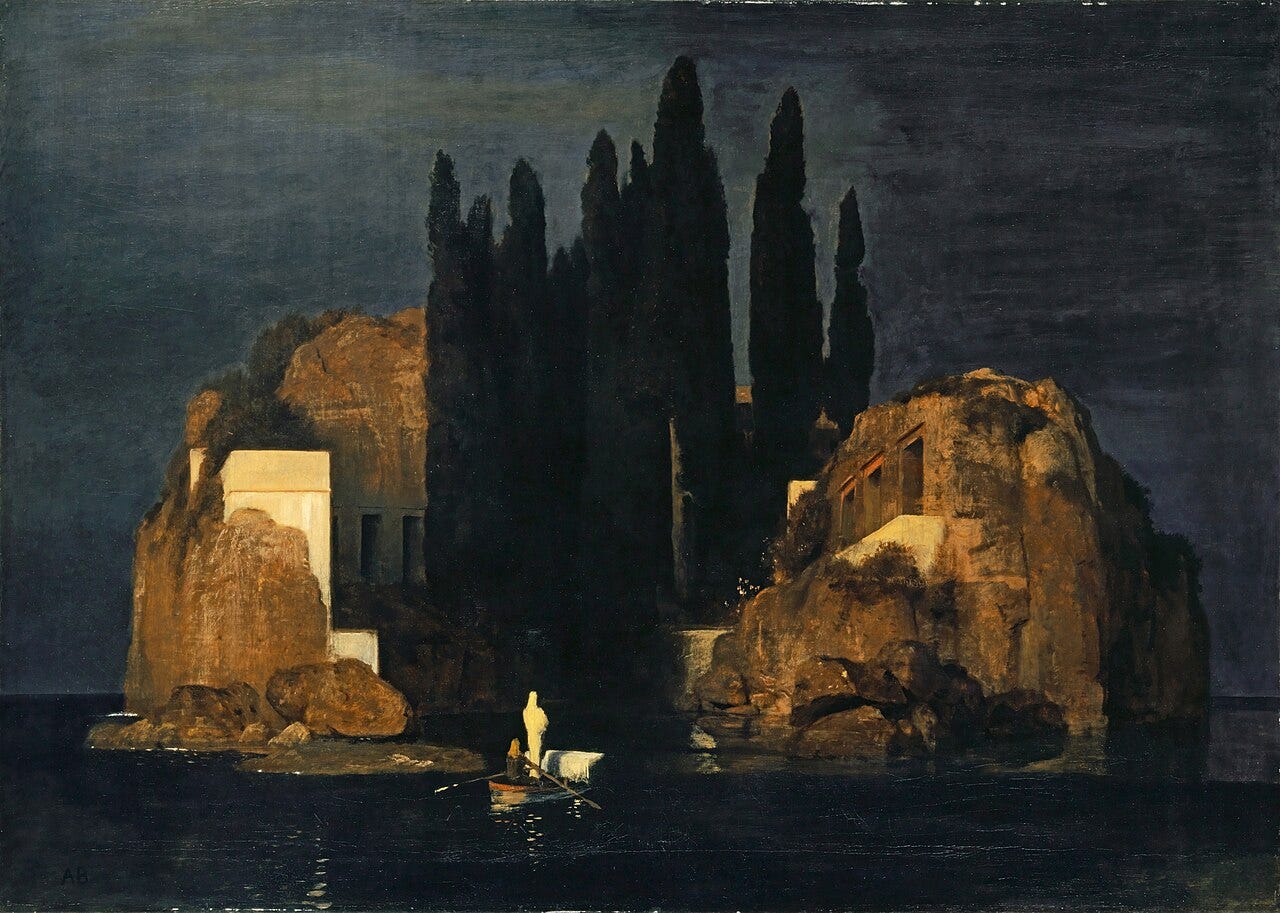
It works on two levels: the secret symbols hidden inside paintings for centuries, and a whole art movement that made those symbols the entire point.
For most of art history, a painting was a puzzle. That is the part I love about this subject.
Patrons and painters shared a visual code. A dog meant loyalty. A lily meant purity. A burning candle meant the shortness of life. The viewer was expected to read these clues like words. The language has simply been forgotten.
Once you learn it, paintings start talking.
No lectures, just stories


What is a symbol in art, really?
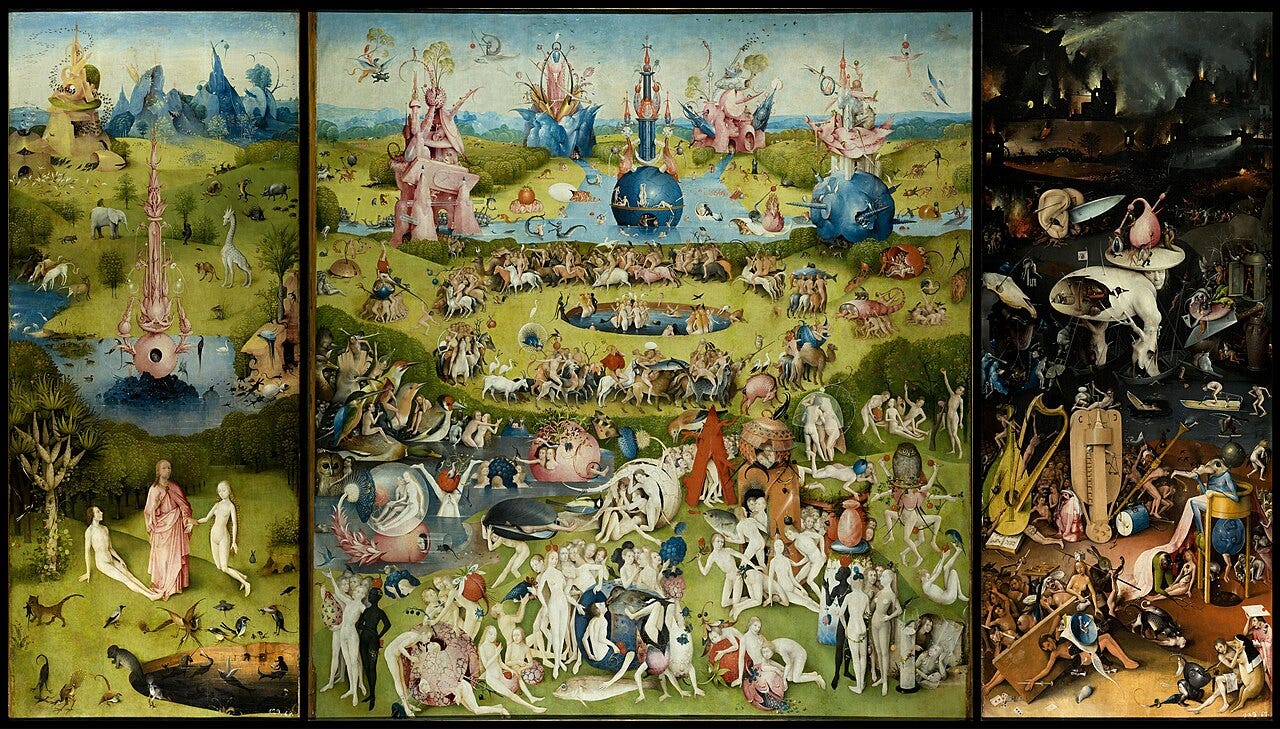
A symbol is an object doing a second job.
On the surface, it is just a thing in the picture: a flower, a mirror, a piece of fruit. Underneath, it carries a meaning everyone in that time understood.
This hidden layer of meaning has a proper name: iconography, the study of what images mean.
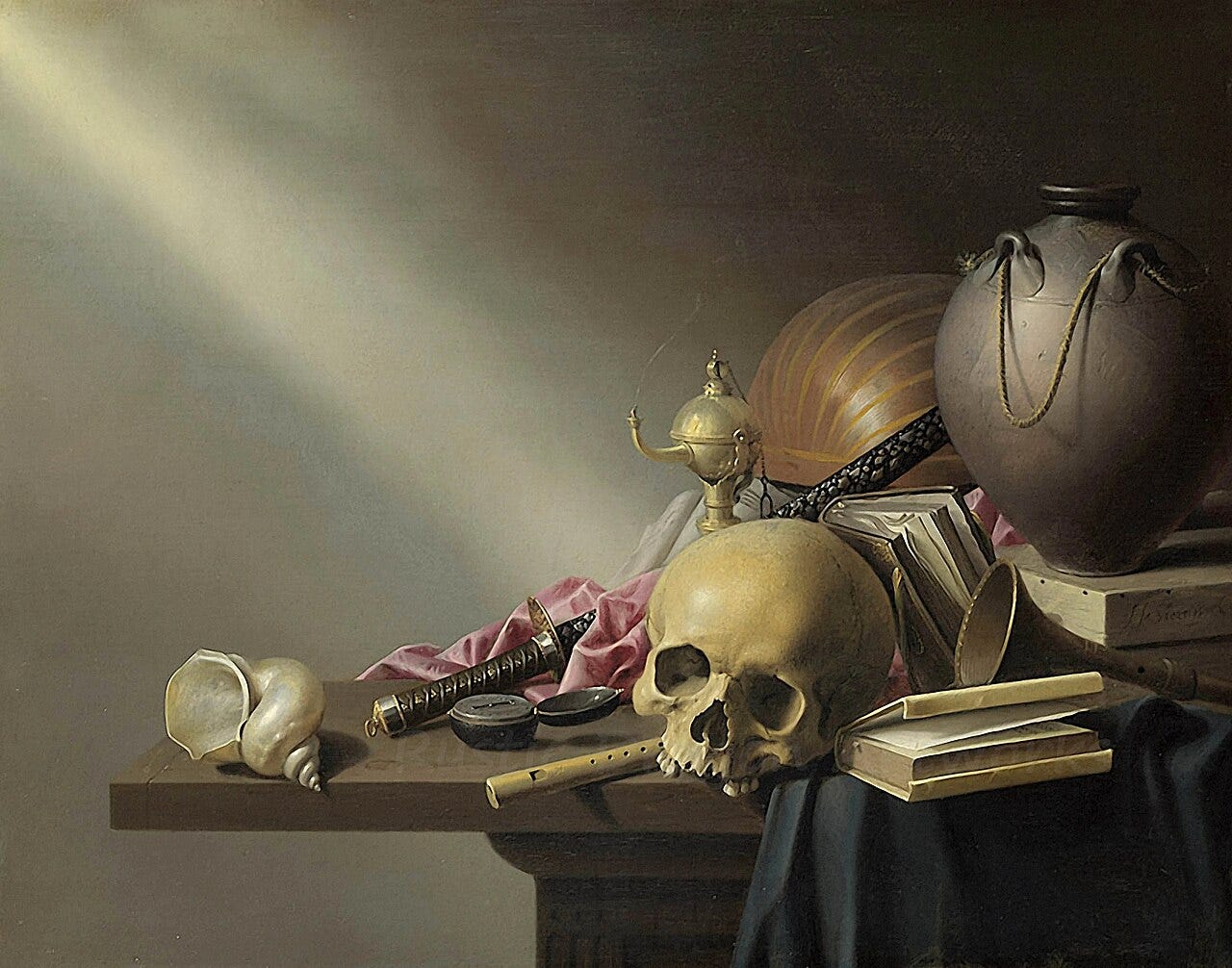
So when you learn that in old painting a skull means death, an hourglass means time running out, and a snuffed candle means a life ending, a quiet still life suddenly becomes a loud sermon about mortality.
The objects were never random. They were a message.
How to read symbols: a quick decoder
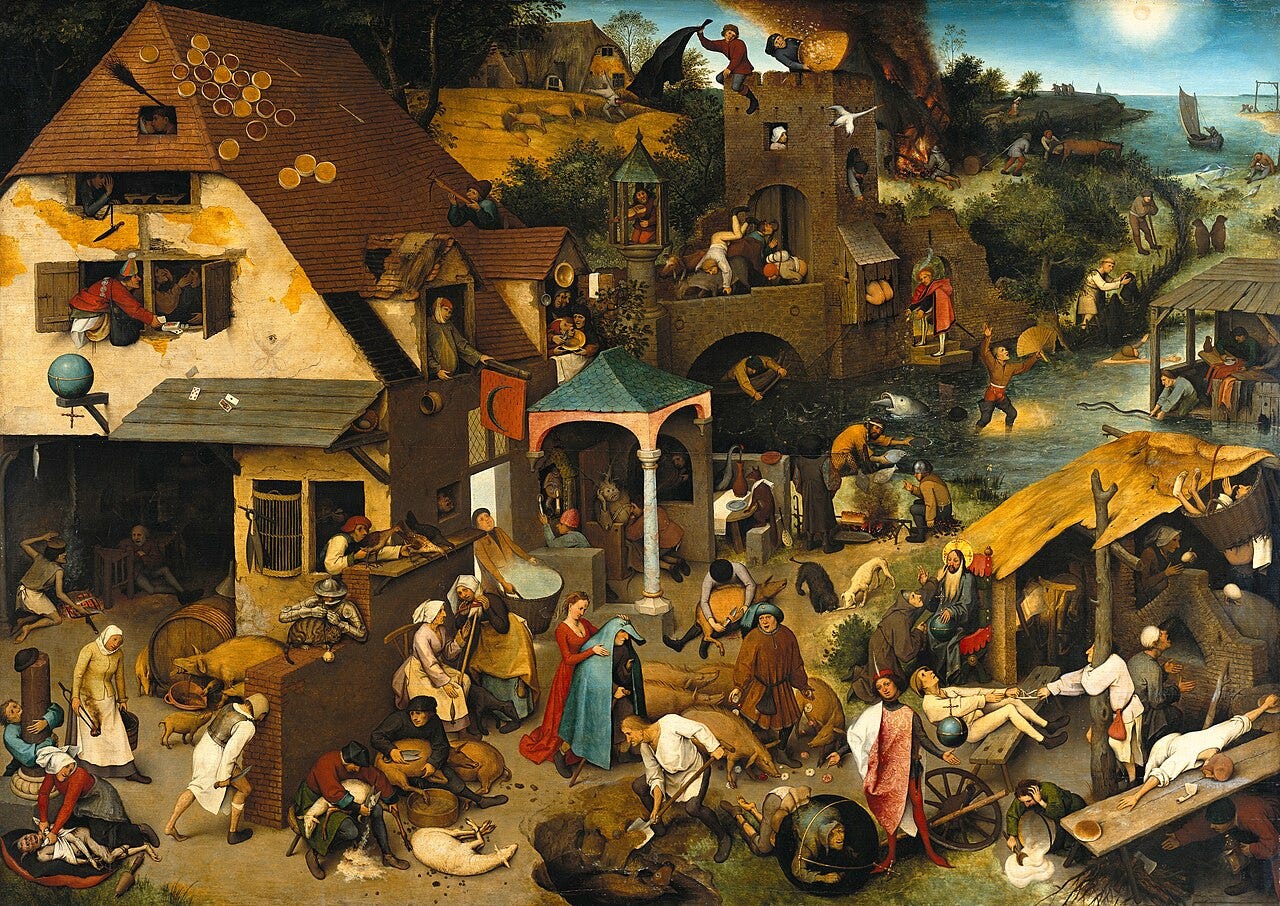
Here is a starter key to the most common symbols in Western art.
Skull: death, and the shortness of life (called memento mori, “remember you must die”).
Burning or snuffed candle: time passing, a life ending.
Lily: purity, often linked to the Virgin Mary.
Dog: loyalty and faithfulness (often in marriage portraits).
Mirror: vanity, truth, or self knowledge.
Fruit, especially rotting fruit: abundance, but also decay and temptation.
Hourglass or wilting flowers: the same warning, your time is finite.
Learn these seven and you can already read half of old European art.
The most famous hidden symbol in art
If you want one painting that proves the whole idea, it is this one.
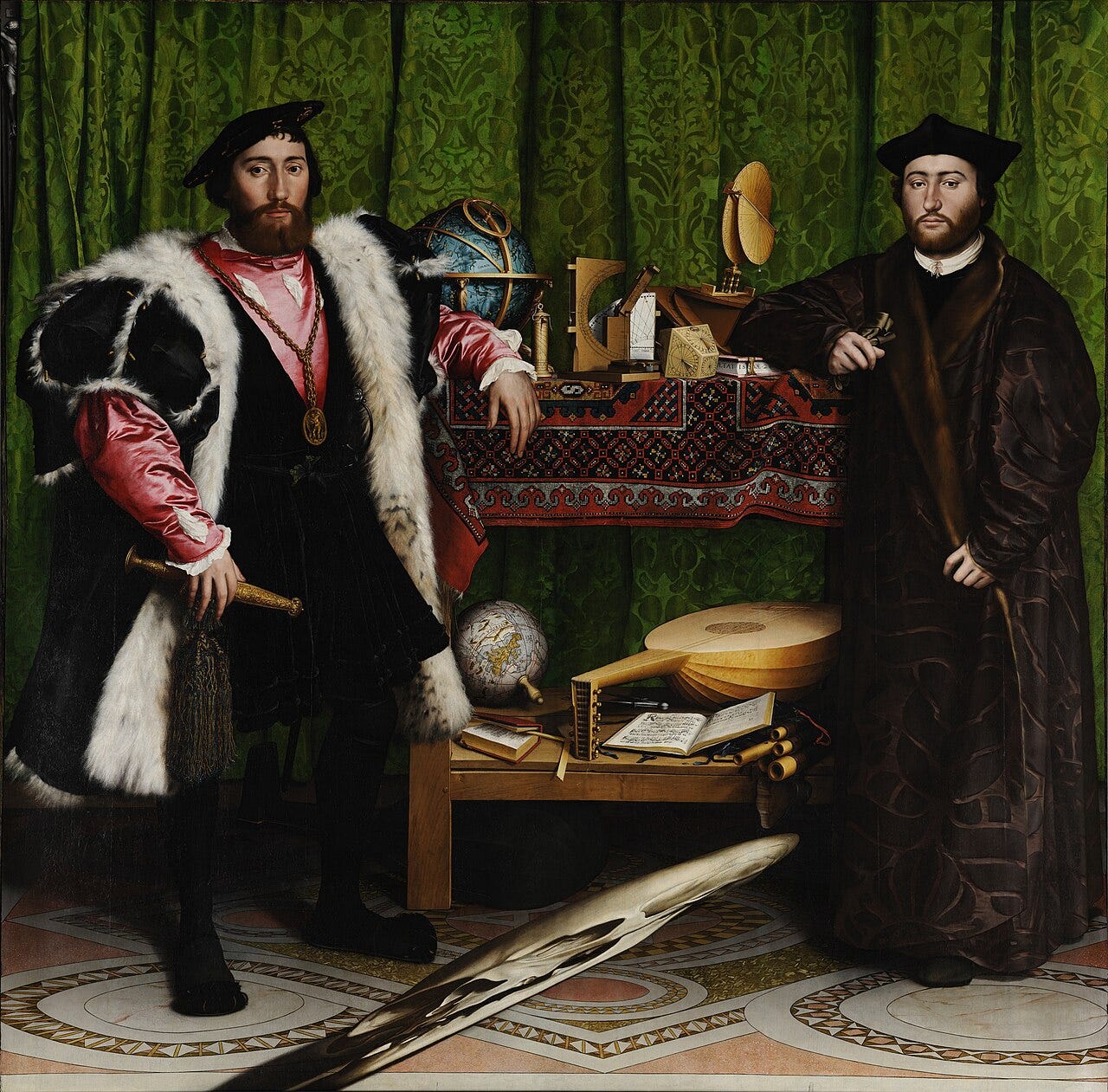
Hans Holbein’s The Ambassadors (1533) shows two confident, wealthy men surrounded by symbols of learning and power. But across the bottom floats a strange, stretched, unreadable smear.
Stand to the side, look from the correct sharp angle, and the smear snaps into focus: a human skull.
That trick has a name, anamorphosis: the image only resolves from the right angle. The painting hangs at the National Gallery in London, and its message is brutal: all this wealth and learning, and death is still in the room with you.
Then symbolism became the whole point: the movement
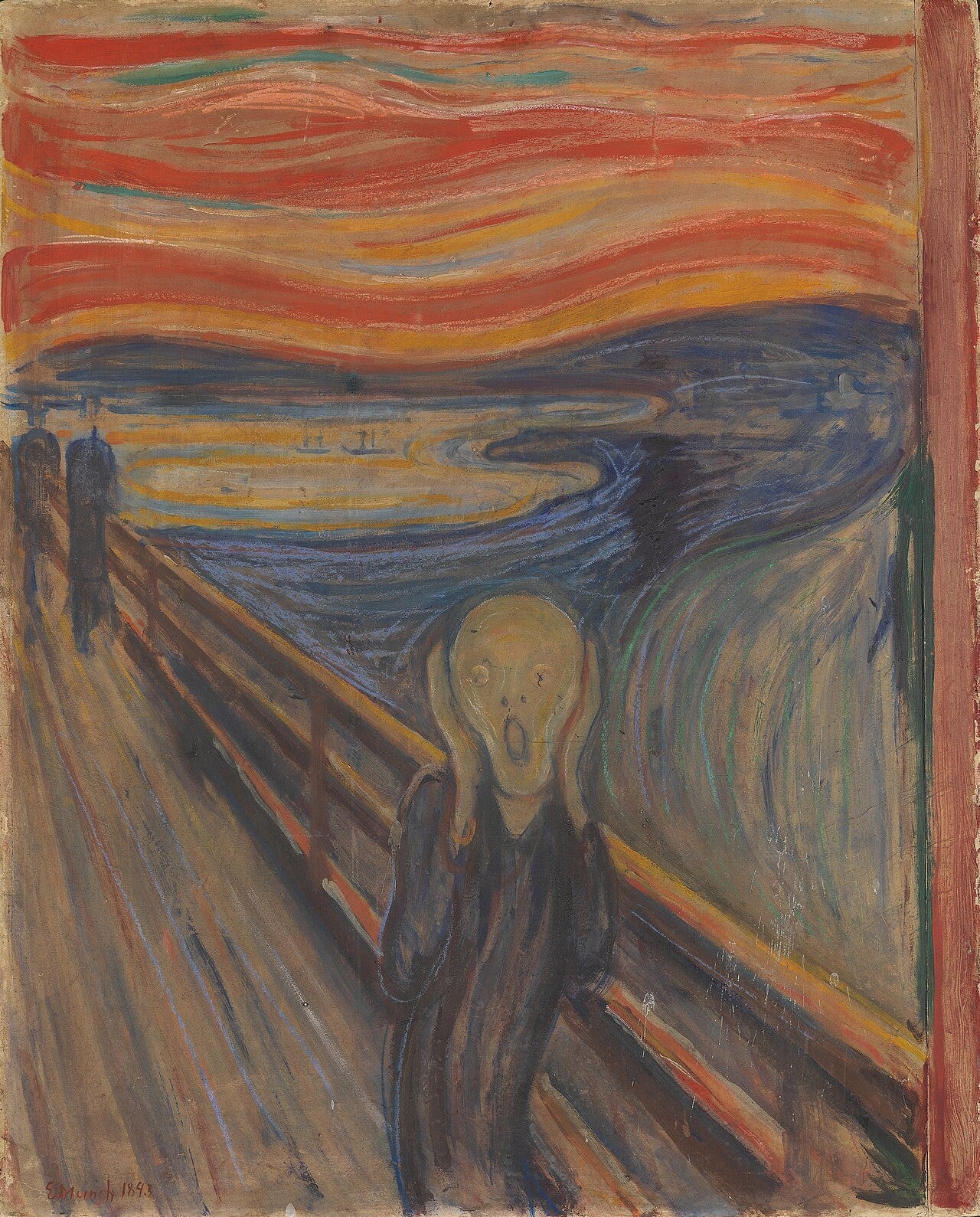
Here is where it gets confusing. The distinction matters.
“Symbolism” is also the name of a specific art movement, in the late 1800s, and it is different from hidden symbols in old paintings.
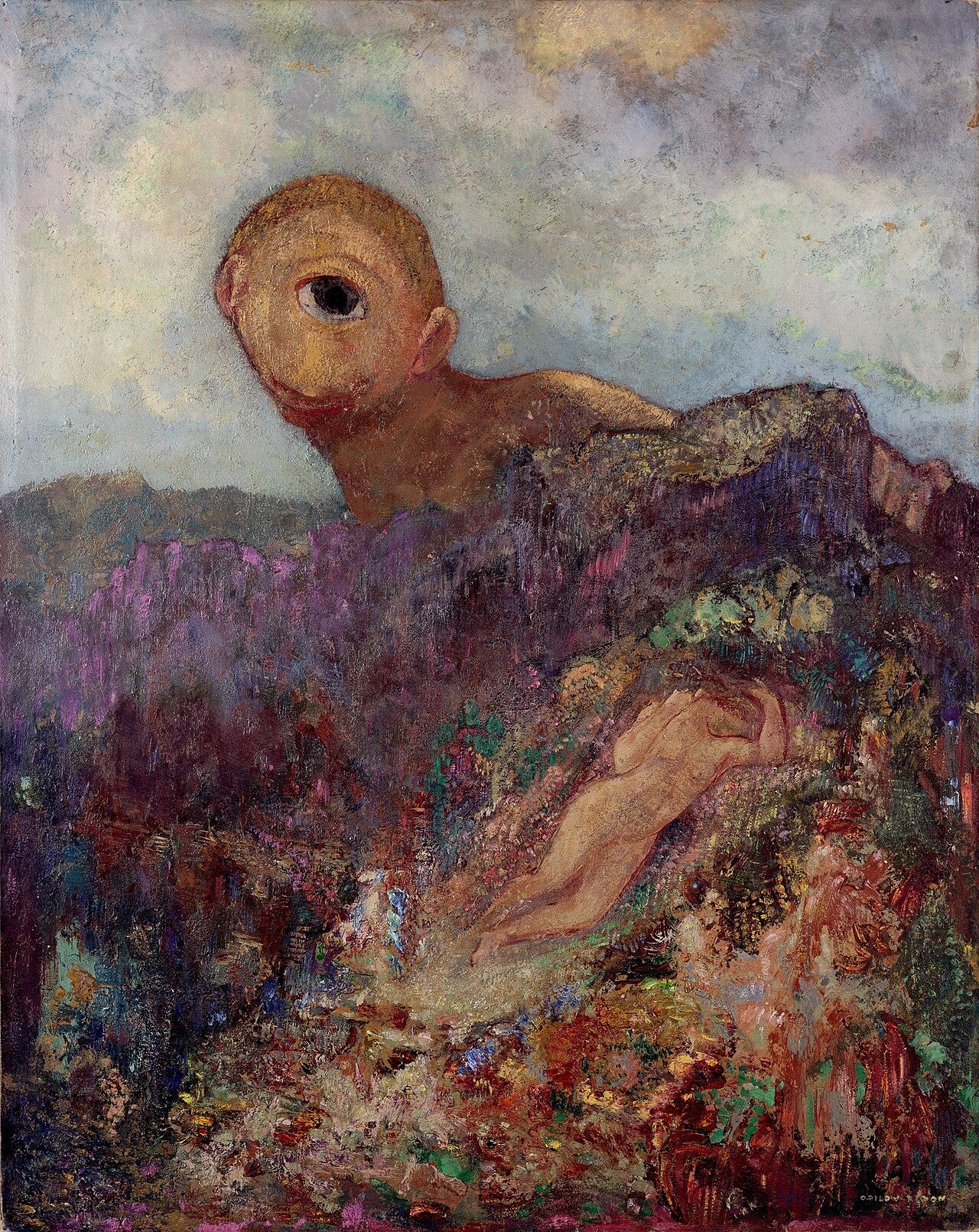
The Symbolism movement was a late nineteenth century reaction against realism, in favor of expressing an idea, a dream or an emotion. The critic Jean Moreas coined the term in 1886. It ran alongside Art Nouveau, another movement from the same decades.
Tired of painters simply copying the real world, the Symbolists turned inward. They painted dreams, myths, fears, desire and death.
Artists like Gustave Moreau, Odilon Redon and Paul Gauguin filled their canvases with mysterious, unreal, mystical scenes.
So there are two symbolisms: the hidden code inside centuries of art, and the movement that dragged that code into the spotlight and made mystery the only subject.
Van Eyck, the Dutch, Caravaggio, Redon
Four painters use meaning best, to my eye, across both kinds of symbolism. Here is why.
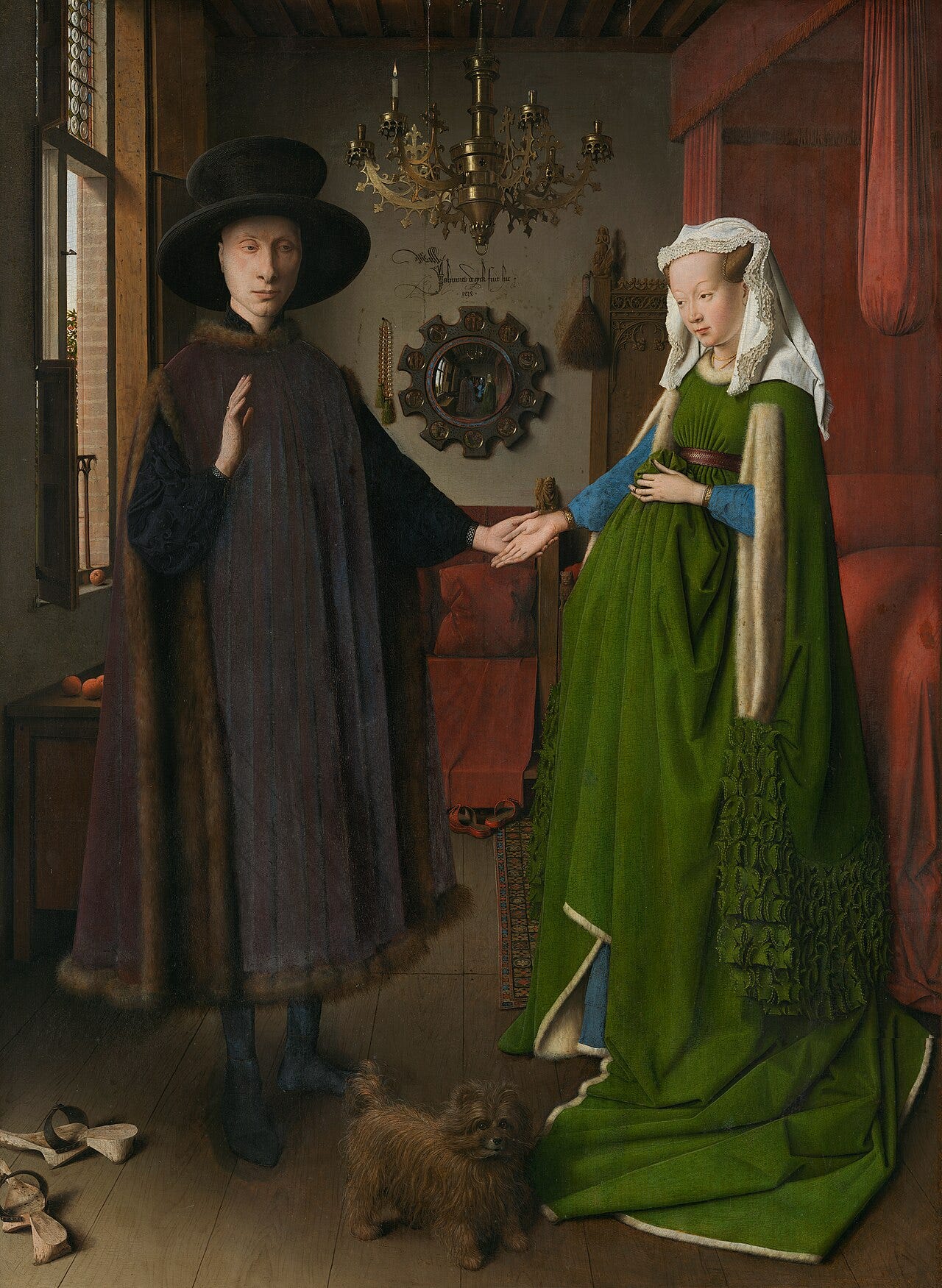
1. Jan van Eyck. The master of the hidden code. His Arnolfini Portrait is a marriage contract written in objects: a little dog for loyalty, a single lit candle, shoes removed as if on holy ground.
2. The Dutch still life painters. A whole genre, called vanitas, built on symbols. A gorgeous table of fruit, gold and flowers, with a skull tucked in, all whispering: this will all rot, including you.
3. Caravaggio. He hid meaning, and even his own signature in blood, inside his paintings, inviting the viewer to find it.
4. Odilon Redon. The Symbolist movement at its purest. Floating eyes, strange flowers, dream creatures. Pure imagination, no real world required.
Symbolism, the questions behind the symbols
What is symbolism in art in simple terms? Using objects, colors or figures to represent deeper ideas. For example, a skull stands for death, a candle for the passing of time.
What is the difference between symbolism and iconography? Iconography is the general study of hidden meanings in images. Symbolism can mean those hidden meanings, or the specific late 1800s art movement.
What does a skull symbolize in art? Death and the shortness of life, a theme known as memento mori, “remember you must die.”
What was the Symbolism movement? A late nineteenth century movement that rejected realism to paint dreams, myths and emotions instead.
How is Symbolism different from Impressionism? Impressionism paints the visible world and its light. Symbolism turns inward, using dreamlike images and myth to suggest emotion, mystery and ideas that cannot be seen.
There is more where this came from


Learning to read the room
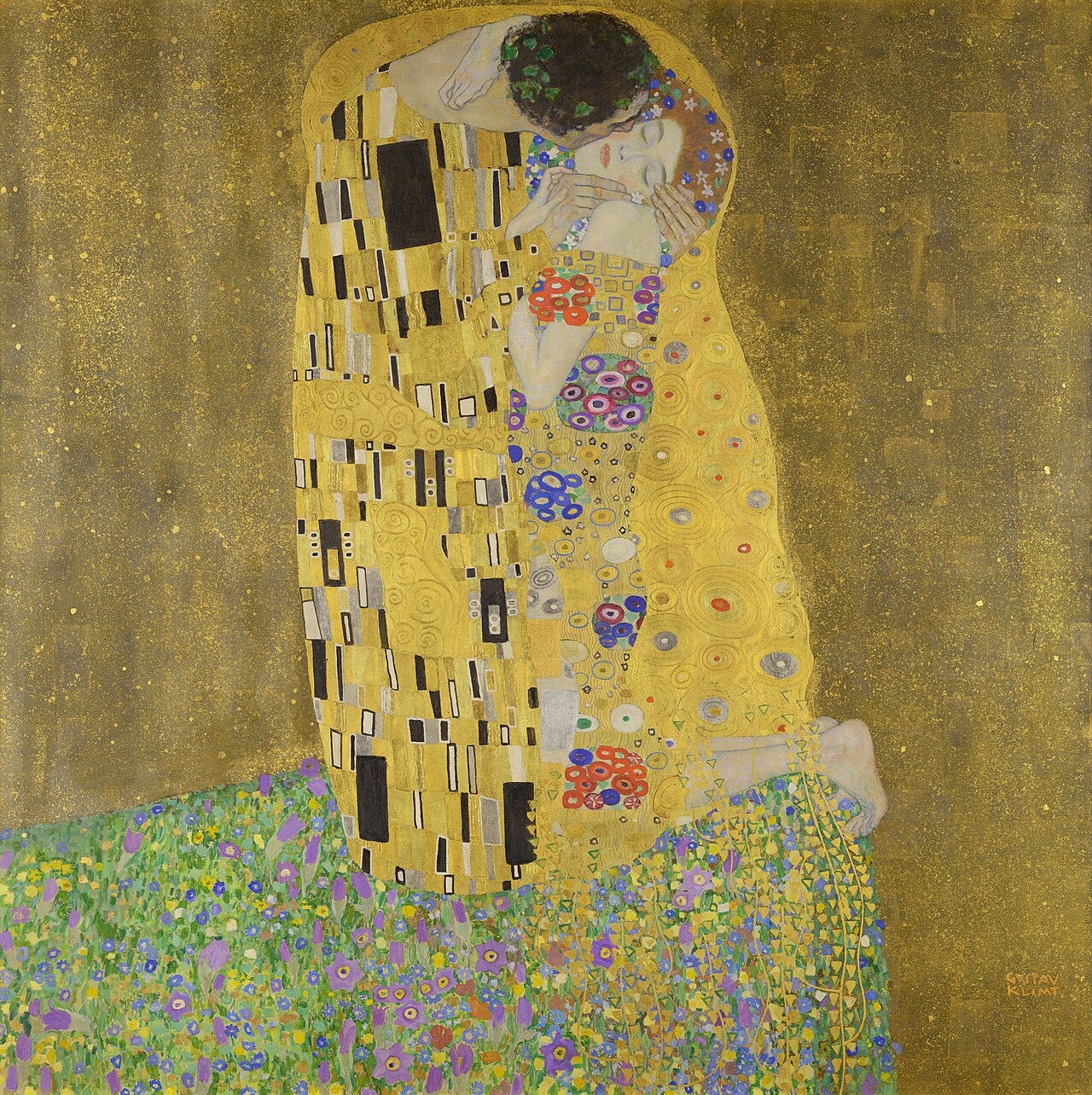
It is easy to walk through a museum reading labels, names, dates, and to think you have seen the painting. I did that for years.
But the old masters were not just showing a scene. They were hiding a message in plain sight, trusting that the viewer knew how to read it. The skull at your feet. The candle going out. The single dog at the bride's hem.
When you learn the code, the gallery changes. The paintings stop being pretty surfaces and start being arguments, warnings, jokes and prayers.
Van Eyck understood this better than anyone. On the back wall of his Arnolfini Portrait, in careful Latin, he wrote Johannes de Eyck fuit hic, Jan van Eyck was here, in 1434, signing the picture like a witness to a contract.
