
Because he fell under the spell of Savonarola, the doomsday friar who ruled Florence and staged the bonfire of the vanities. Caught up in the friar’s apocalyptic religion, Botticelli is said to have thrown some of his own profane, pagan pictures onto the fire, and for the rest of his life his art turned dark, crowded and grim. Botticelli was not even his real name, a family nickname meaning little barrel that stuck for life.
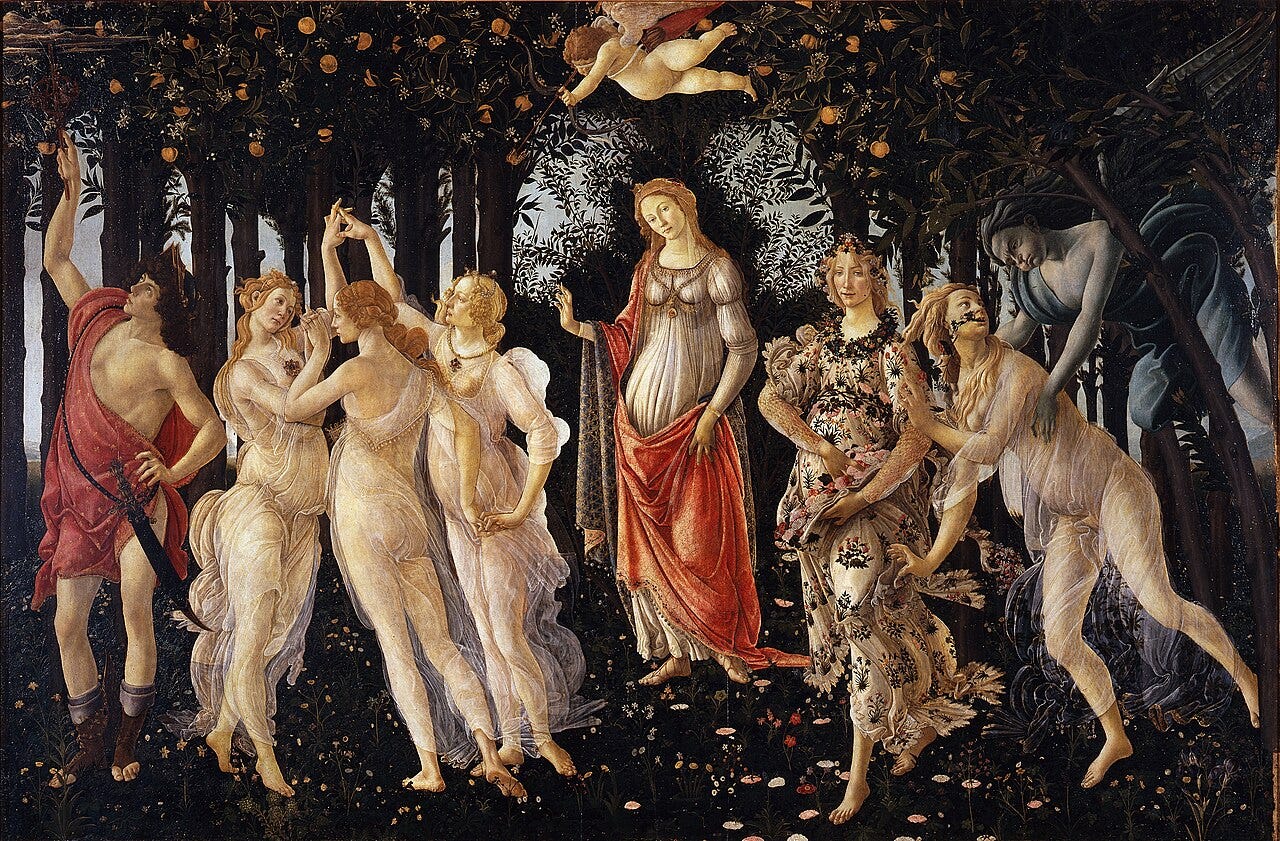
The man who painted Venus helped feed a fire built to destroy paintings like her.
This is how the painter of spring ended up on the side of the flames.
The bonfire of the vanities
In February 1497, in the main square of Florence, his followers built a pyramid of objects and set it alight.
Onto it went mirrors, cosmetics, fine dresses, playing cards, musical instruments, books of poetry, and works of art judged sinful or vain.
It was called the bonfire of the vanities, meant to purge the city of everything that distracted the soul from God. Beautiful, worldly things, exactly Botticelli's stock in trade, were the fuel.
The friar who lit it
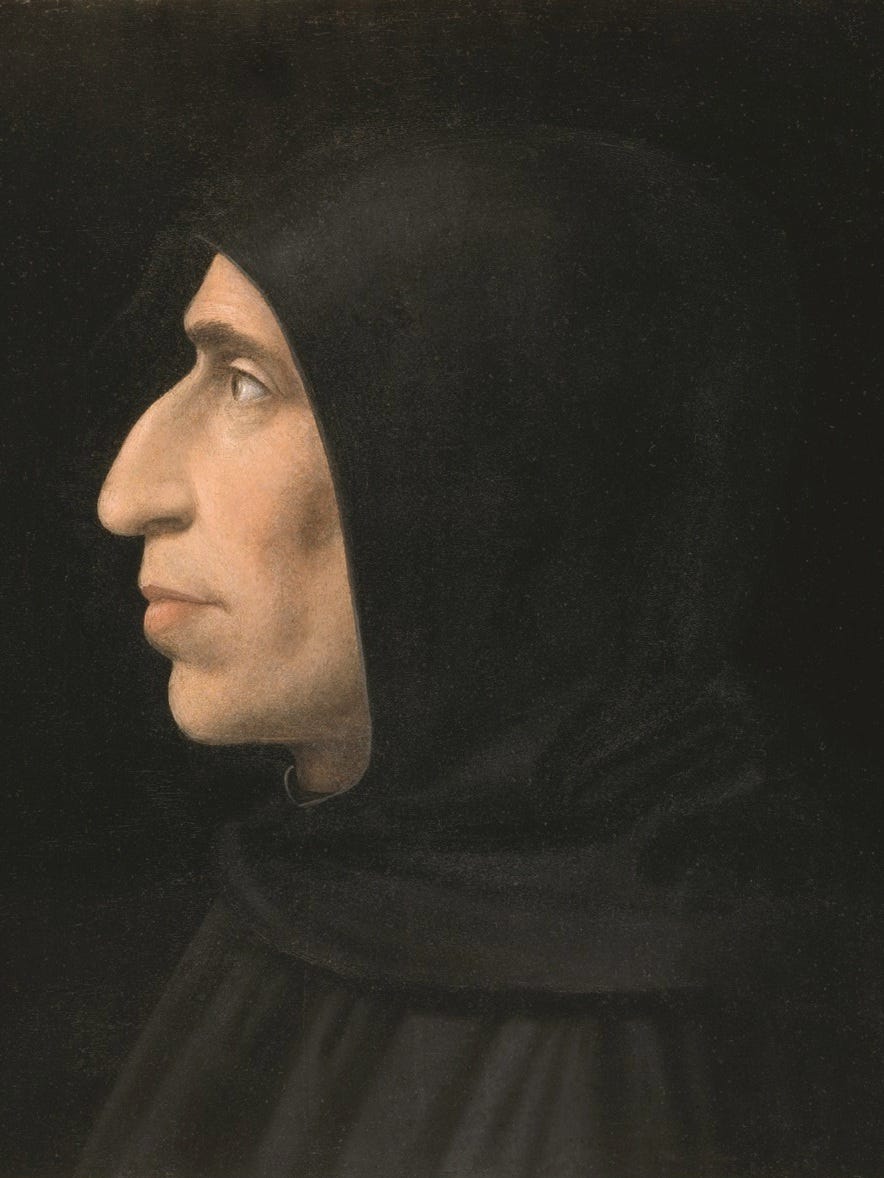
Girolamo Savonarola was a Dominican friar with a gift for terror and a vision of doom.
He preached that Florence was rotten with luxury and sin, that judgment was coming, and that the city had to strip itself bare to be saved.
His sermons were so powerful that he drove out the Medici, the very family that had paid Botticelli for his goddesses, and set up a strict religious republic in their place.
For a few years, the most cultured city in Europe ran on fear and repentance.
Botticelli the believer
Botticelli, by the accounts of his own century, was swept up in it.
The painter and writer Giorgio Vasari describes him as a follower of Savonarola, one of the weepers, as the friar’s devotees were nicknamed.
His own brother was a committed believer. There is every sign that Botticelli shared the friar’s horror at a sinful world, and that it reached deep into his art.
What he actually burned
Here the legend needs trimming.
The dramatic image of Botticelli flinging the Birth of Venus onto the fire is almost certainly false. His great pagan works belonged to the Medici and hung safely in their houses, far from the square.
What he is likely to have given up were his own profane drawings and lesser works, the kind of thing the friar's followers were urged to destroy.
How much he truly burned will never be known. What we can see is the change in everything he painted afterward.
The darkness that followed
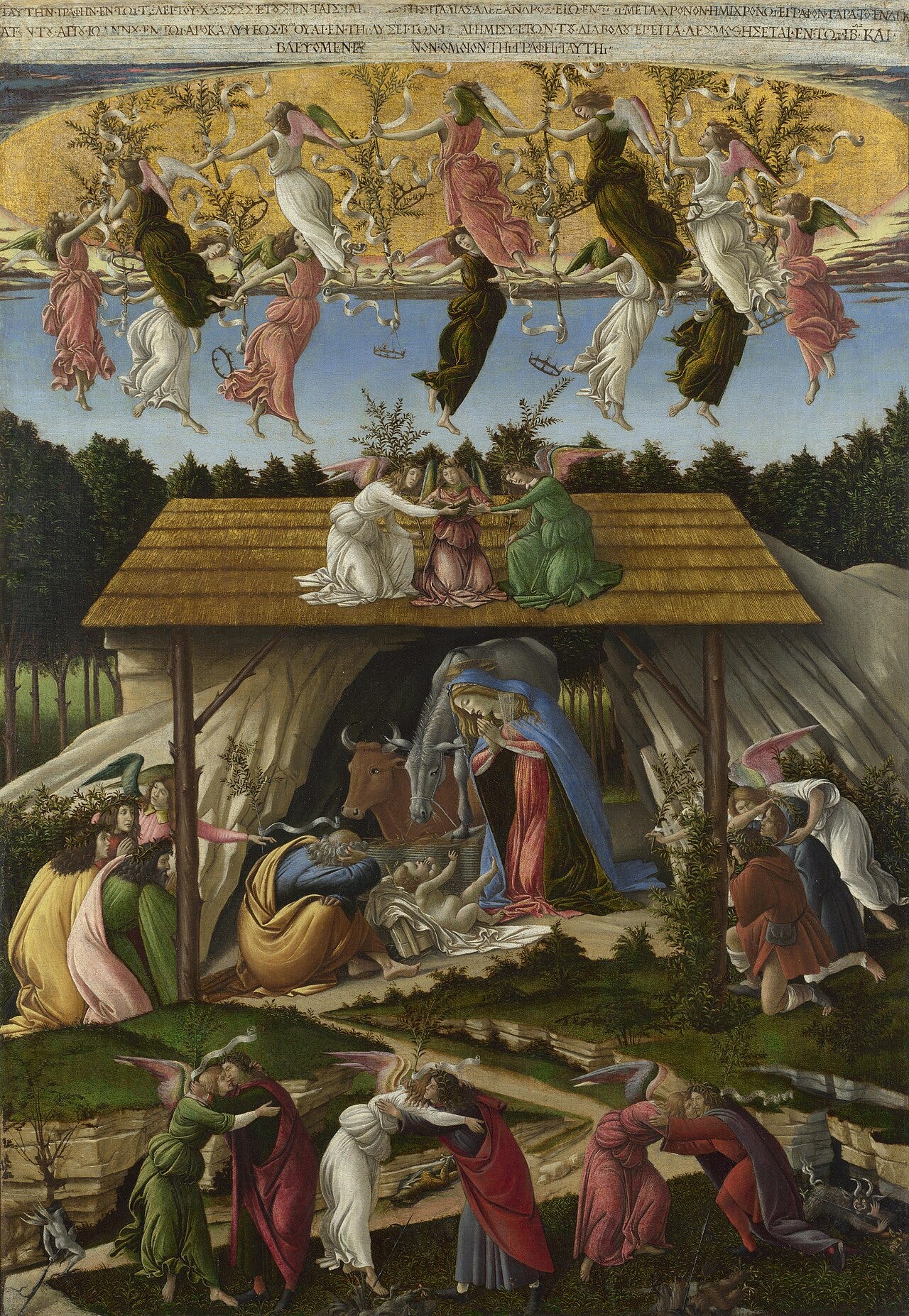
Compare the serene Venus to his Mystic Nativity of around 1500 and you are looking at two different men.
The late picture is small, jammed with figures, feverish. Angels and humans embrace below a golden heaven, while little devils flee into cracks in the ground.
Across the top runs a Greek inscription about the troubles of Italy and the devil loosed upon the earth, a near echo of Savonarola's terror. The painter of flowers had become a painter of the end times.
The burner gets burned
The friar’s reign did not last.
In 1498, Savonarola fell from power, was tortured, condemned, and then hanged and burned in the same square where his bonfire had stood.
The man who set Florence alight with fear ended as ashes on its stones. Botticelli outlived him by twelve years, but never returned to his golden goddesses.
Where the legend outruns the facts
Myth: Botticelli burned his famous paintings. Record: the great pagan works survived, safe with the Medici.
Likely: he gave up some of his own profane drawings and minor works to the fire.
Certain: after Savonarola, his art turned dark, religious and anxious for good.
Keep learning art the fun way


More secrets to unlock


What people still ask about the bonfire
Did Botticelli burn his own paintings? He likely gave some profane works to Savonarola’s bonfire, though his famous paintings survived.
What was the bonfire of the vanities? A 1497 burning of art, books, mirrors and luxuries in Florence, led by the friar Savonarola.
Who was Savonarola? A Dominican friar who ruled Florence and preached against sin and luxury, before being executed in 1498.
How did it change Botticelli’s art? His late work became dark, crowded and religious, like the Mystic Nativity.
Did the Birth of Venus survive? Yes. It belonged to the Medici and was never on the fire.
Botticelli, who gave the world its most beautiful goddess and then helped feed the flames, lived out his last decade painting grief instead of grace.
I trace the whole rise and fall, from the Birth of Venus and Primavera to the bonfire, in Botticelli: The Complete Story.
I tell the love story behind his faces in Botticelli's impossible love.
