
What Is Fresco Painting? The Art Lover's Guide
Fresco is the technique of painting onto wet plaster, so that the color soaks in and becomes part of the wall itself as it dries. It is the method behind the Sistine Chapel.
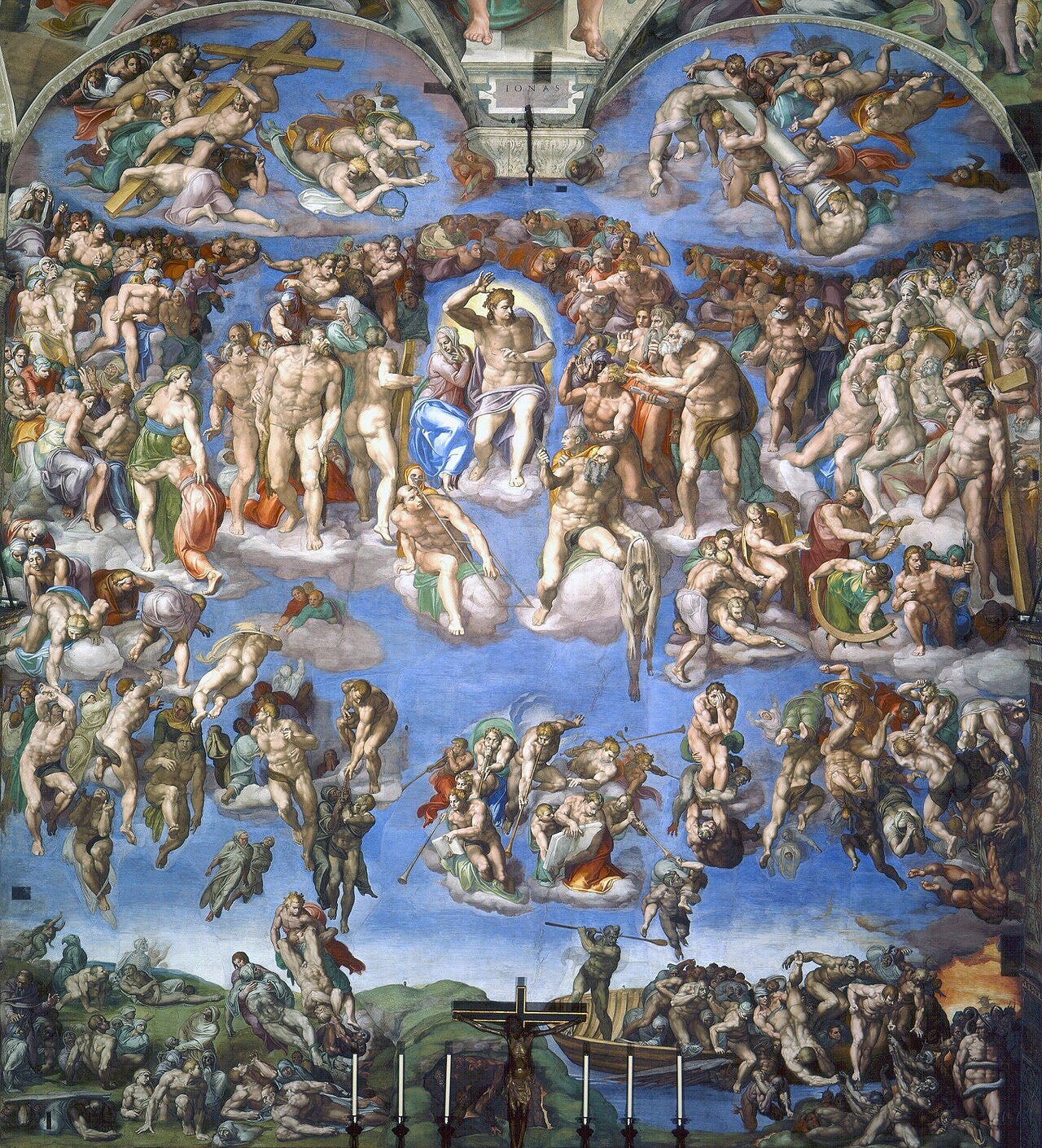
The word comes from the Italian for “fresh,” because you must paint while the plaster is still fresh and damp.
What I find wild about fresco is that the painting and the wall end up being the same object.
The wall itself turns into the painting.
The pigment sinks into the wet lime, and as the plaster dries it locks the color inside through a chemical reaction. That is why a 500 year old fresco can still glow while an oil painting of the same age has cracked and darkened.
Fresco is the closest painting ever came to permanence.
Fresco in one minute:
The word comes from the Italian affresco, “fresh,” because you paint on fresh wet plaster.
The look: matte, chalky, luminous color, usually huge, usually on a wall or ceiling.
The catch: you have to work fast, in sections, and you cannot fix mistakes.
The peak: the Italian Renaissance, above all the Sistine Chapel.
Its calmer rival in durability is oil paint, which is flexible but far less permanent on a wall.
If you want the version with the names
Three that take a single painting apart, properly:
The Last Supper, detail by detail, the detail hiding at that table
Lady with an Ermine, detail by detail, why she is holding that animal
Six women, one monster, what Picasso did to the women who loved him
How does fresco actually work?
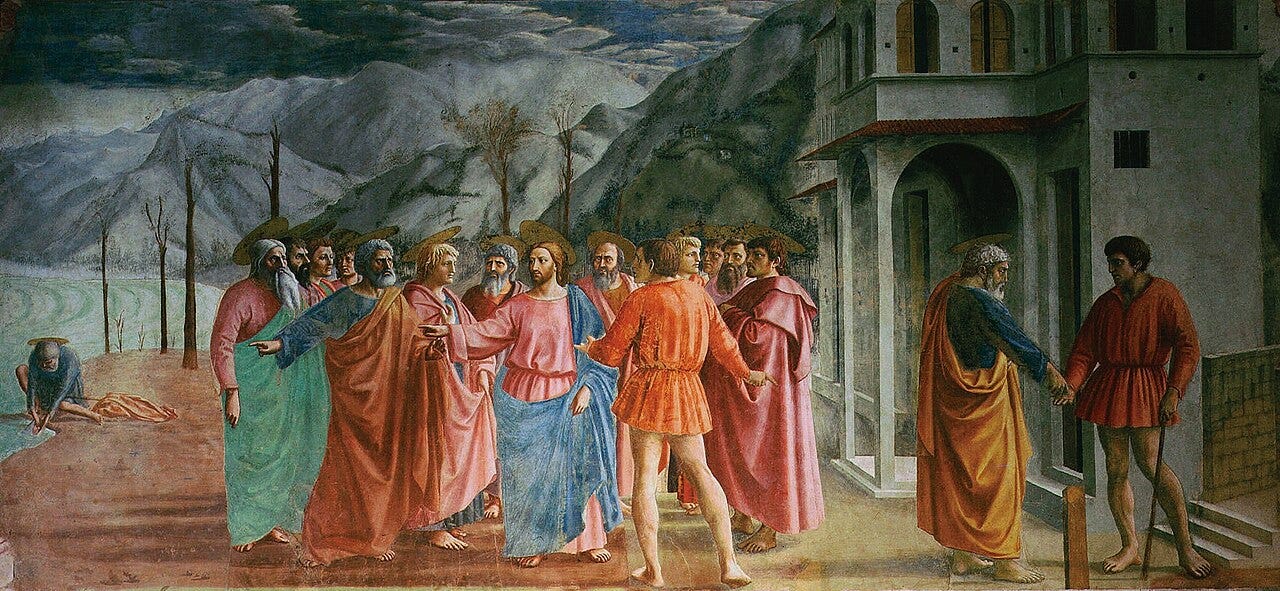
This is where it gets brutal, and beautiful.
In true fresco, called buon fresco, the painter spreads a fresh layer of wet lime plaster over a section of wall. Then they paint directly into that wet surface with pigments mixed in water.
As the plaster dries, it goes through a chemical change that traps the color permanently inside, so the paint becomes part of the wall itself.
Here is the catch that makes fresco terrifying.
You only have a few hours before the plaster dries. So the artist plasters only as much wall as they can paint in one day. That single day’s patch even has a name: a giornata, Italian for “a day’s work.”
And there is no undo. Paint a mistake, and your only option is to chip the dried plaster off the wall and start that section again.
Buon fresco vs fresco secco: the key difference
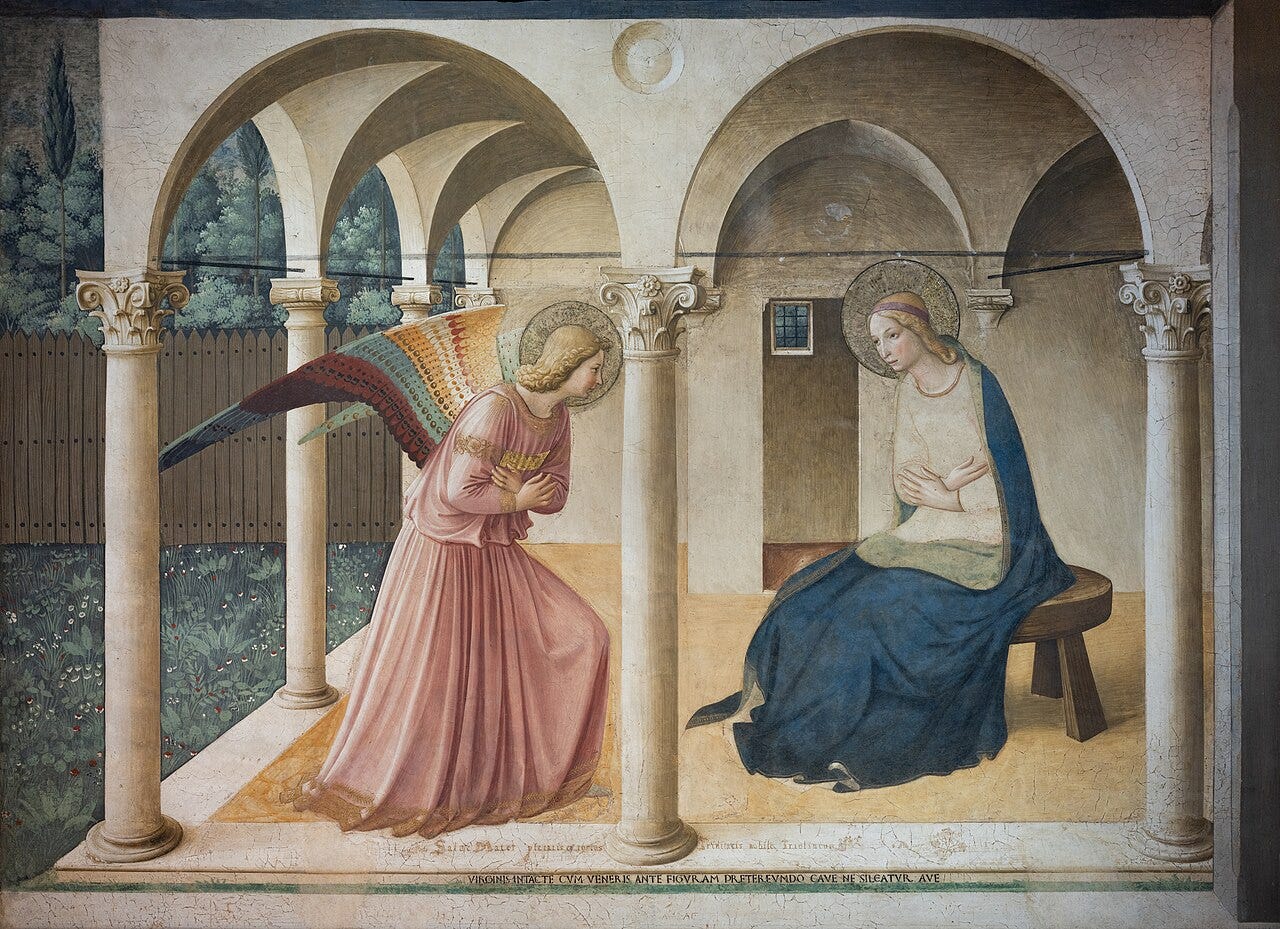
Two methods, very different fates.
Buon fresco (”true fresh”) is painted on wet plaster. The color bonds into the wall and lasts for centuries.
Fresco secco (”dry fresh”) is painted on dry plaster, with pigment in a binder on top. Faster and easier, but it sits on the surface and flakes off over time.
The sentence to keep: buon fresco lasts because the wall drinks the paint. Fresco secco fails because the paint just sits on top.
And this difference explains one of the most famous disasters in art history.
Why Leonardo’s Last Supper is falling apart
But the most famous wall painting of all hides a twist.
Leonardo da Vinci’s Last Supper is one of the most famous wall paintings on earth. But it is not a true fresco.
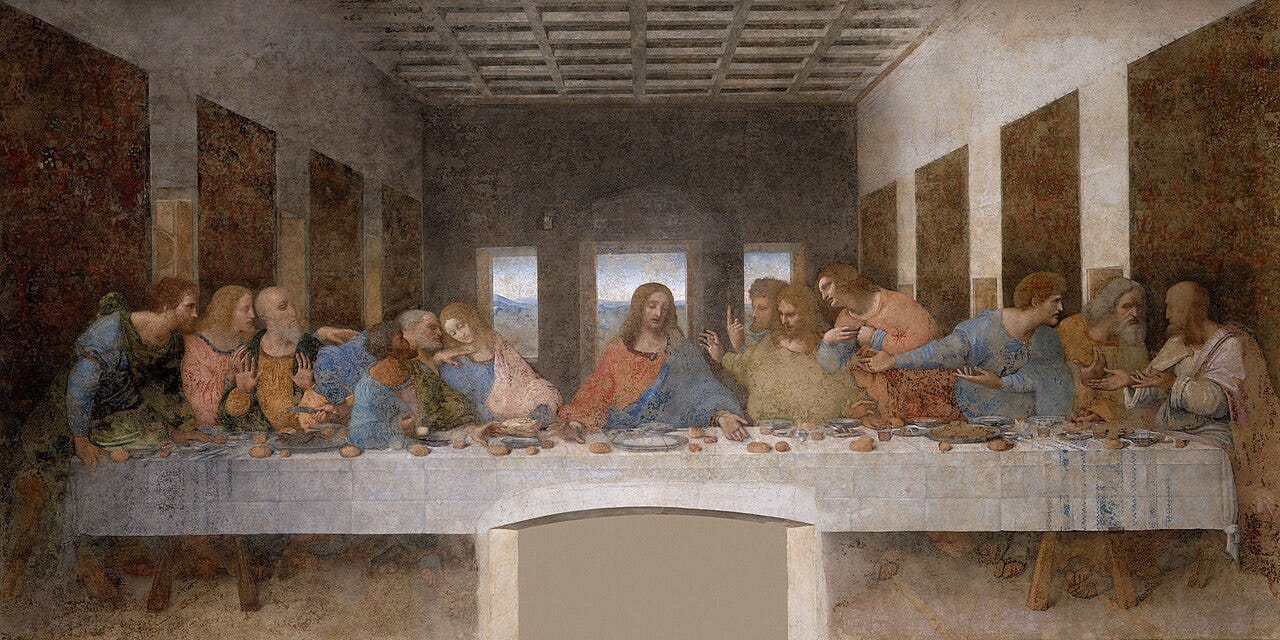
Leonardo hated the speed that buon fresco demanded. He was a slow perfectionist who wanted to rework details endlessly, and wet plaster does not wait.
So he experimented: he painted The Last Supper on dry plaster, using a mix closer to tempera and oil.
It let him take his time. It also doomed the painting.
Within his own lifetime, the surface began to flake. It has been fragile and fading for 500 years. A true fresco would have survived far better.
I dug into its hidden design in the Last Supper: Leonardo's Secret, and the soft, smoky sfumato he loved instead of fresco has a guide of its own.
A short history of fresco
Fresco is far older than the Renaissance.
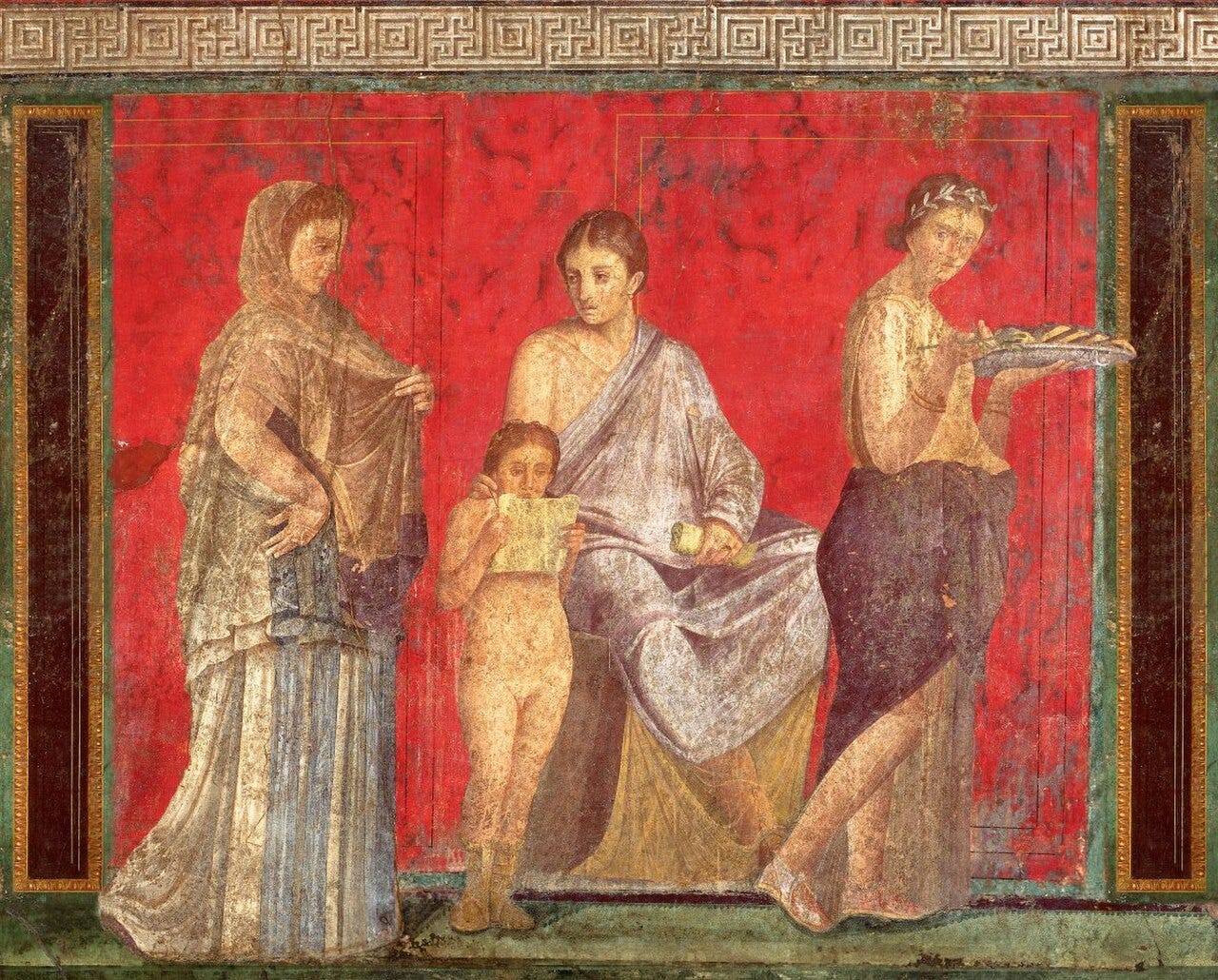
The Minoans of Crete were painting frescoes over 3,000 years ago. The Romans covered the walls of Pompeii with them, which is why visitors can still walk into a 2,000 year old Roman room and see its color.
But fresco reached its absolute peak in Italy, developed from around the 1200s and perfected in the Renaissance. Giotto, Masaccio, Fra Angelico, Raphael and Michelangelo all made their greatest statements on plaster.
Even Botticelli painted frescoes on the Sistine walls, years before Michelangelo touched the ceiling, a chapter in the wider story of Botticelli.
3 frescoes that changed everything
Three frescoes rewired art. Here are my picks, and why.
1. Michelangelo, the Sistine Chapel ceiling. The impossible one.
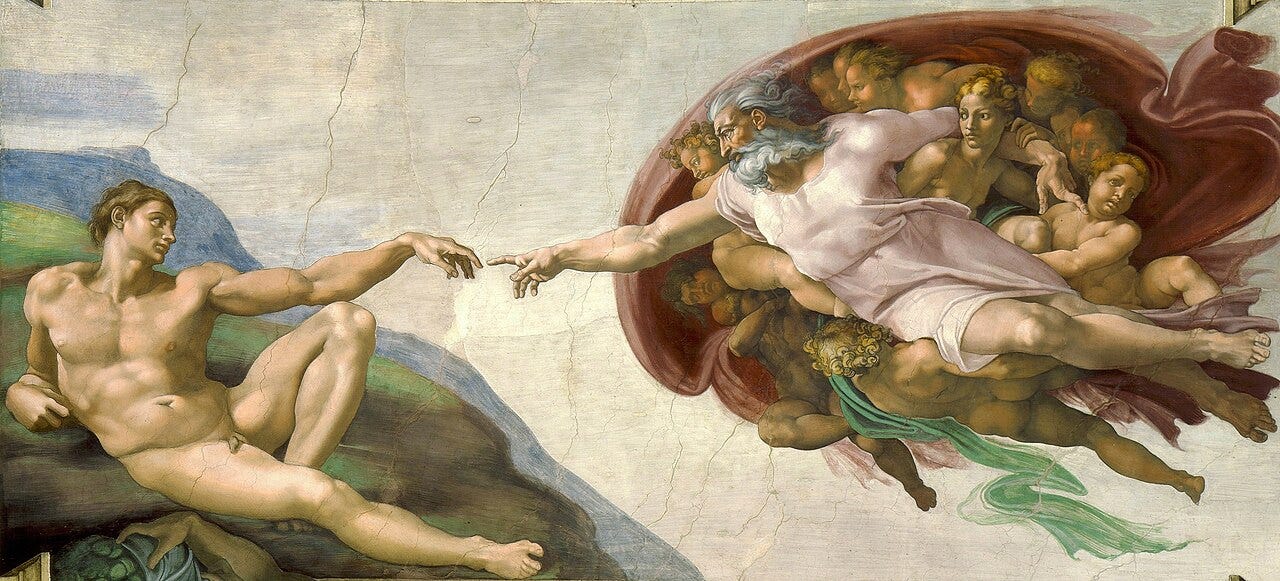
He spent four years, from 1508 to 1512, on scaffolding, craning backward and painting over 300 figures across the ceiling.
And no, he did not lie flat on his back to do it. That is a myth. He designed a standing platform and worked upright, head tipped back, until his neck and eyes were wrecked.
He considered himself a sculptor, not a painter, and complained bitterly the whole time. He still produced the most famous ceiling in human history.
2. Raphael, The School of Athens. The perfect one.
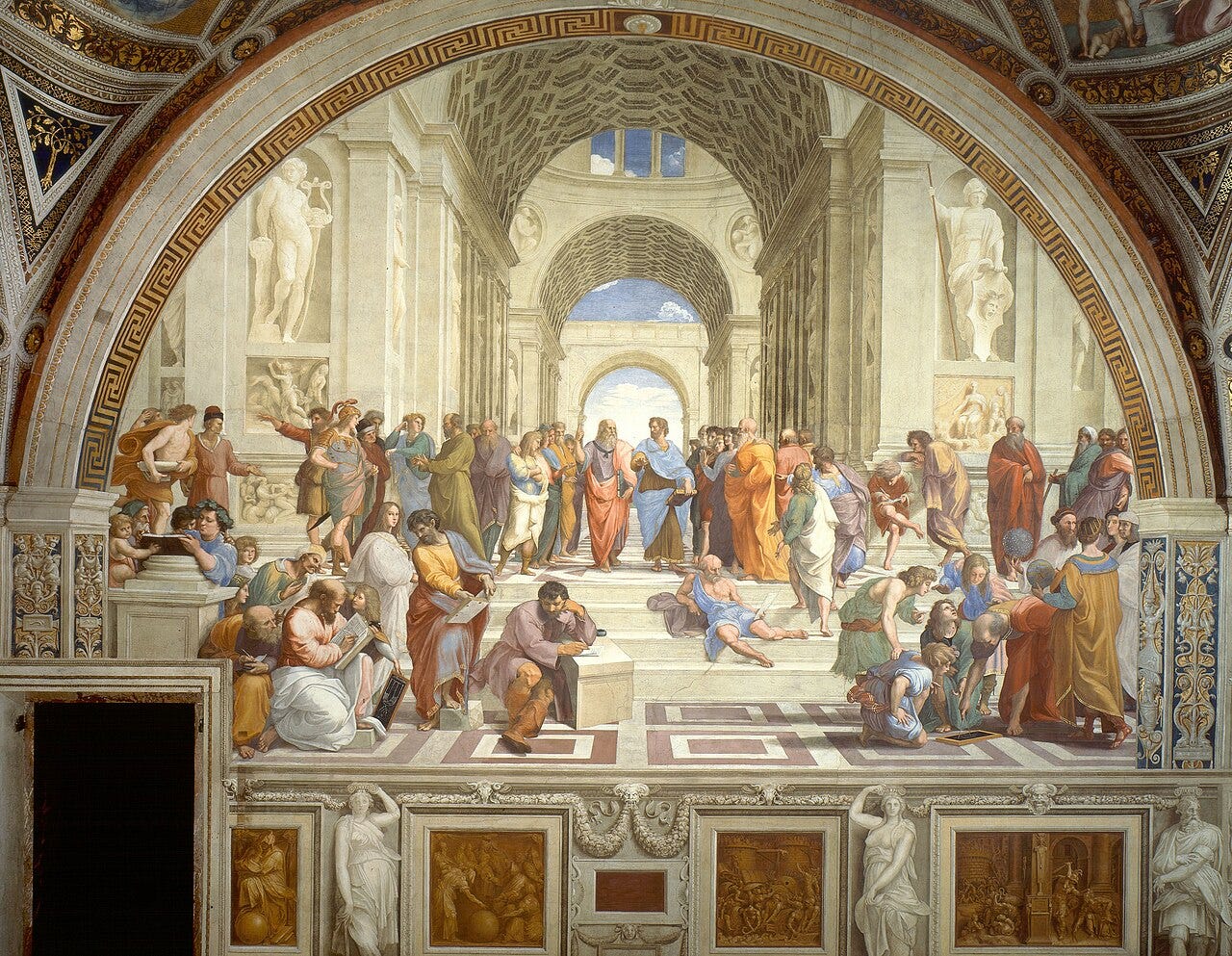
Painted in the Vatican at the same time Michelangelo was on the ceiling next door. It gathers every great philosopher of antiquity into one calm, balanced, perfectly staged room. It is the Renaissance summing itself up.
3. Giotto, the Scrovegni Chapel. The first one.
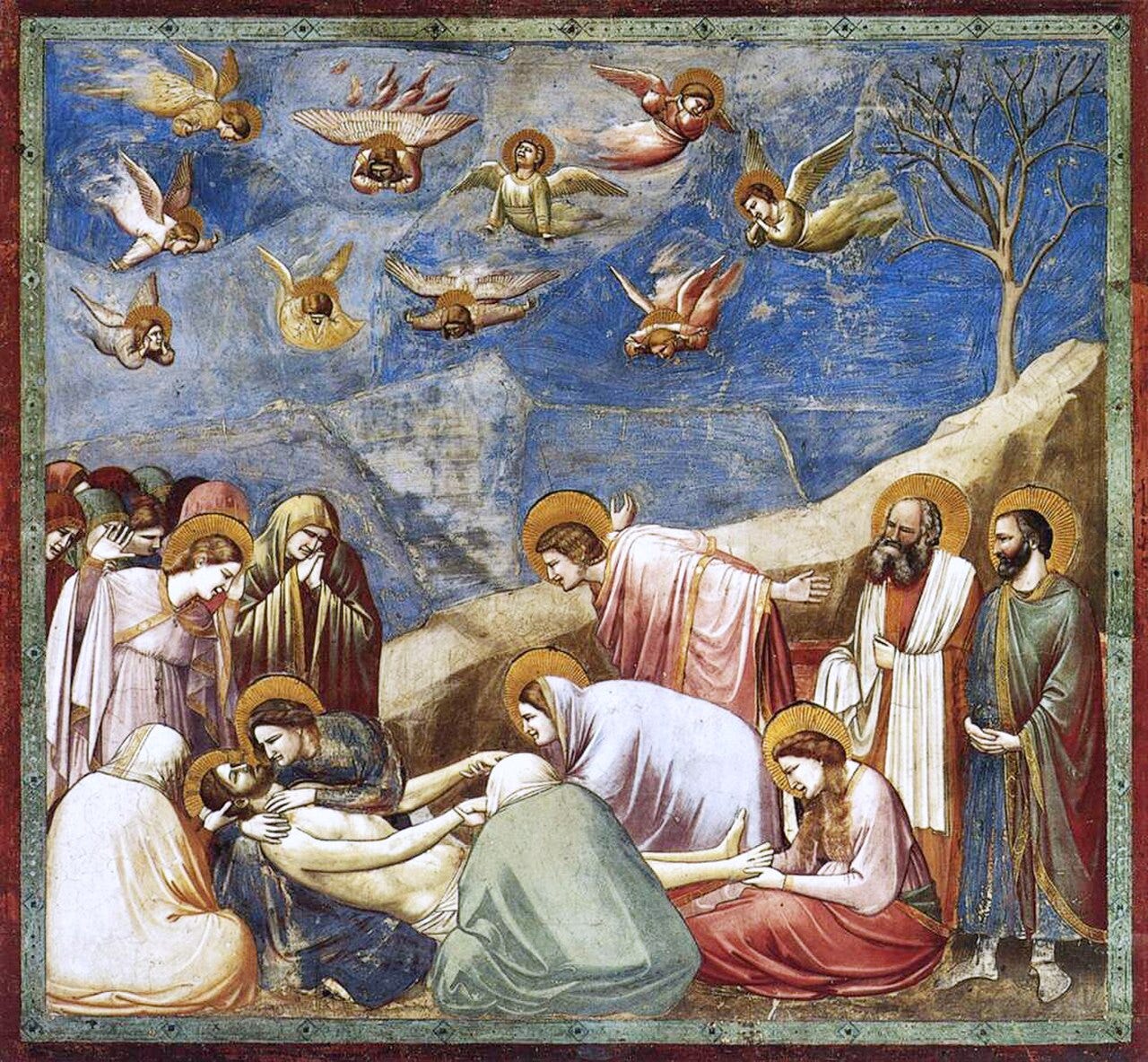
Two hundred years earlier, in Padua, Giotto gave his figures real weight, real emotion and real space. People stopped looking like flat symbols and started looking human. Western painting basically begins here.
Where to see fresco today
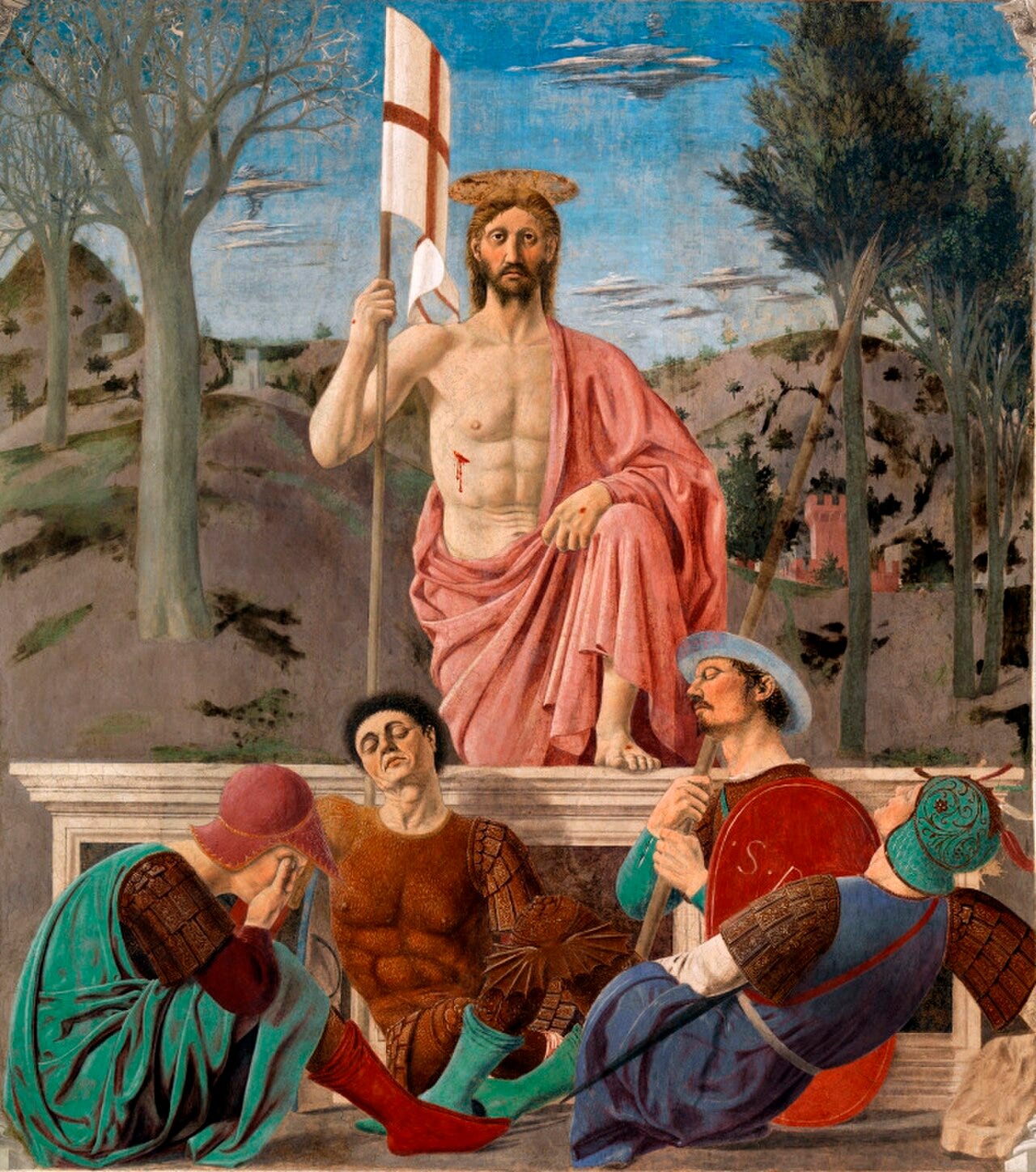
Next time you travel, here is where the real thing lives.
The Sistine Chapel, Vatican City. Michelangelo’s ceiling and Last Judgment. Look up until your neck hurts.
The Scrovegni Chapel, Padua. Giotto’s deep blue cycle, the birth of modern painting.
Pompeii, near Naples. Roman frescoes still on the walls of houses buried in 79 AD.
The convent of San Marco, Florence. Fra Angelico painted a quiet fresco in each monk’s cell. One of the most peaceful places in all of art.
Fresco, the common questions
What is fresco painting in simple terms? Painting with water based color onto wet plaster, so the color soaks in and becomes part of the wall as it dries.
Why do frescoes last so long? In true fresco, a chemical reaction during drying locks the pigment inside the plaster, making it part of the wall rather than a layer on top.
What is the most famous fresco? Michelangelo’s Sistine Chapel ceiling, painted between 1508 and 1512.
Is the Last Supper a fresco? No. Leonardo painted it on dry plaster with an experimental mix, which is why it began deteriorating within his lifetime.
What is the difference between buon fresco and fresco secco? Buon fresco is painted onto wet plaster, so the color binds into the wall and lasts for centuries. Fresco secco is painted on dry plaster and flakes off far more easily.
The medium that forbids mistakes
Fresco offers no undo. The plaster dries under the brush within hours, so every line is final and every giornata is a patch that cannot be reopened.
That is why the great frescoes still command respect. The painter had to settle the whole design before a brush ever touched the wall.
Michelangelo painted the Sistine ceiling this way between 1508 and 1512, more than 5,000 square feet of plaster, with no second chance on any section he had laid that morning.
