
Henri de Toulouse-Lautrec, the painter of the cabarets of Montmartre, the hilltop nightlife district of Paris, died on September 9, 1901. He was 36. He died at Malromé, his mother's château in the Bordeaux wine country, and the accepted cause is the combined damage of alcoholism and syphilis, which ended in a stroke.
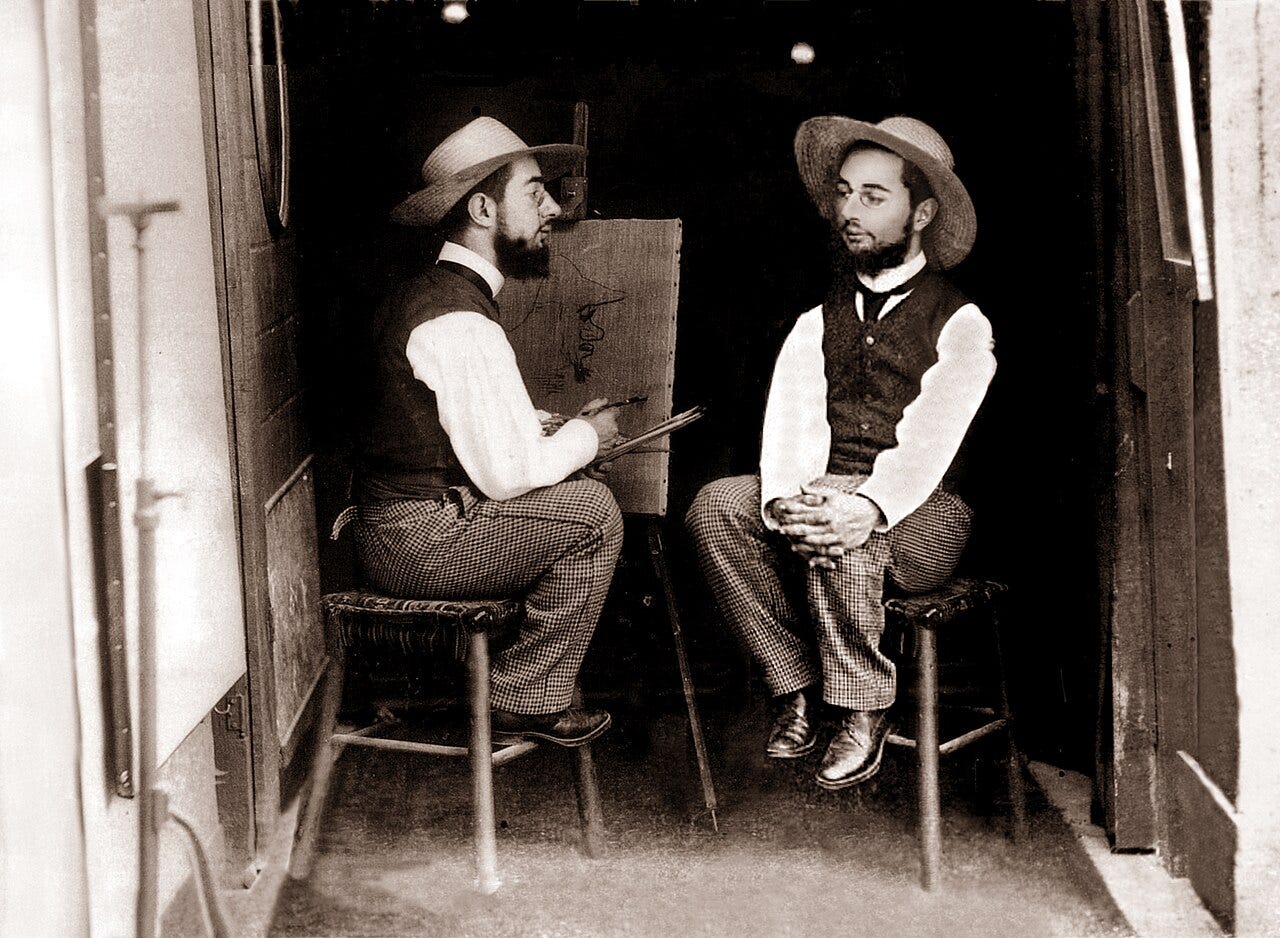
His last months were a slow collapse. A stroke in the spring of 1901 paralyzed his legs, and another, that summer, paralyzed one side of his body. His mother, Countess Adèle, brought him to Malromé, the house where he had stayed regularly for fifteen years, and he died there.
Cool Stories About Art is a newsletter to learn art the fun way.
Join 200,000+ readers and get:
10 new art stories / month
The entire archive of content (140+ articles)
Comment, ask questions, and chat with other readers
His father, Count Alphonse de Toulouse-Lautrec, came to the bedside. The family was old nobility from the south of France, and the count was a passionate hunter and a famous eccentric. Two versions of the last words his son spoke to him are still told, and they contradict each other.
In the English-language retelling, the count stood over the bed swatting at a fly, and the dying painter's last words, aimed at his father, were Le vieux con ! “The old fool!”
The French tradition gives a hunter's line instead: Je savais, papa, que vous ne manqueriez pas l'hallali. “I knew, Papa, that you wouldn't miss the kill.” The hallali is the cry of the hunt when the stag is cornered. The son casts himself as the stag, and his father as the hunter who comes for the end.
Either way, the count comes off badly, as a fool or a cold hunter. Neither version names a single witness, so neither can be checked.
A letter written on the day he died
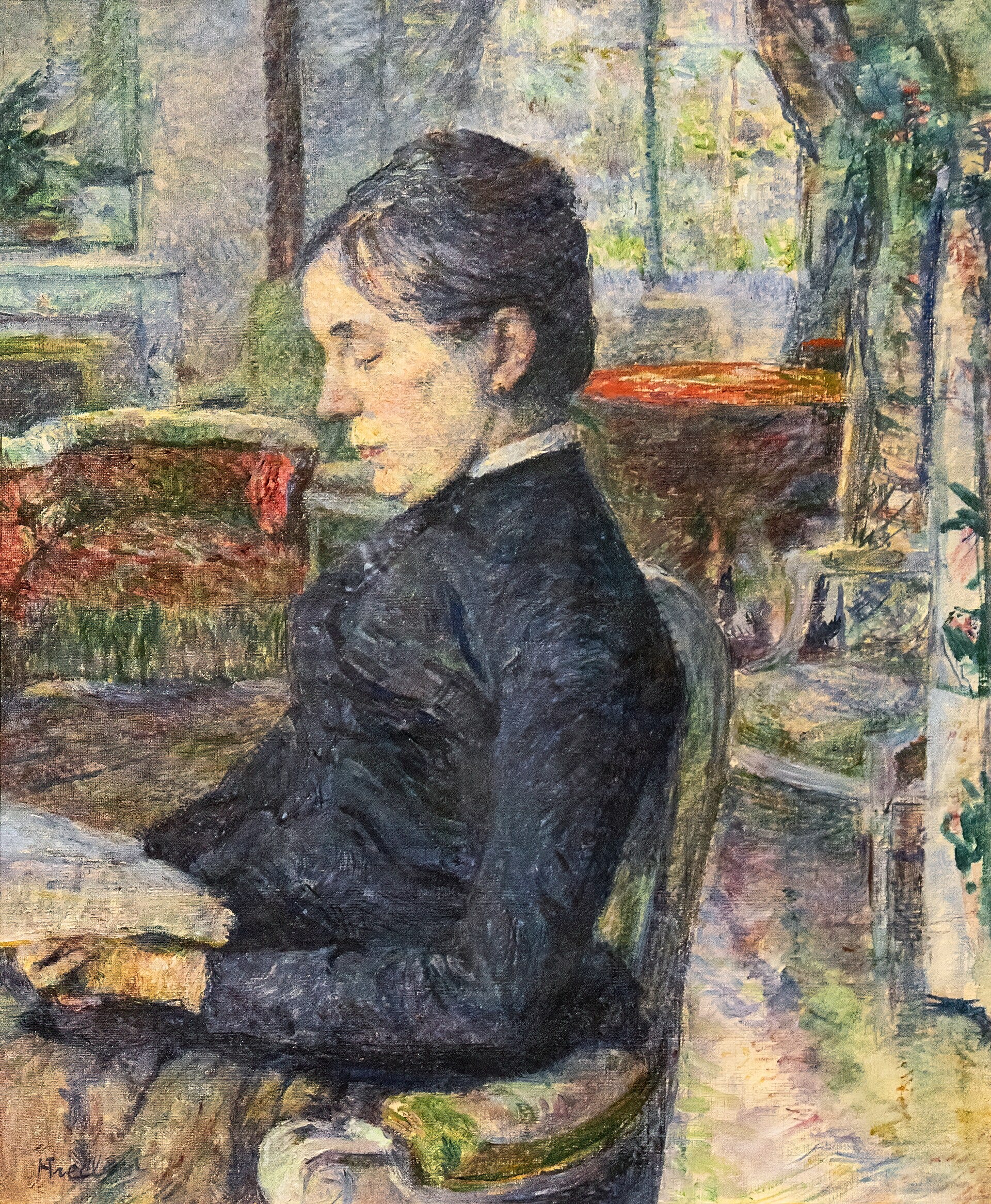
Against these stories stands one real document, a letter the count wrote at Malromé on September 9, 1901…
What You'll Discover
Why his mother had him locked in a clinic.
How firm the syphilis diagnosis is.
What he kept inside his cane.
Why he does not lie where he was buried.