
Toulouse Lautrec syndrome is the popular nickname for pycnodysostosis, a rare inherited bone disease that makes bones dense yet brittle and keeps the body short. It is the condition most doctors believe the painter had.
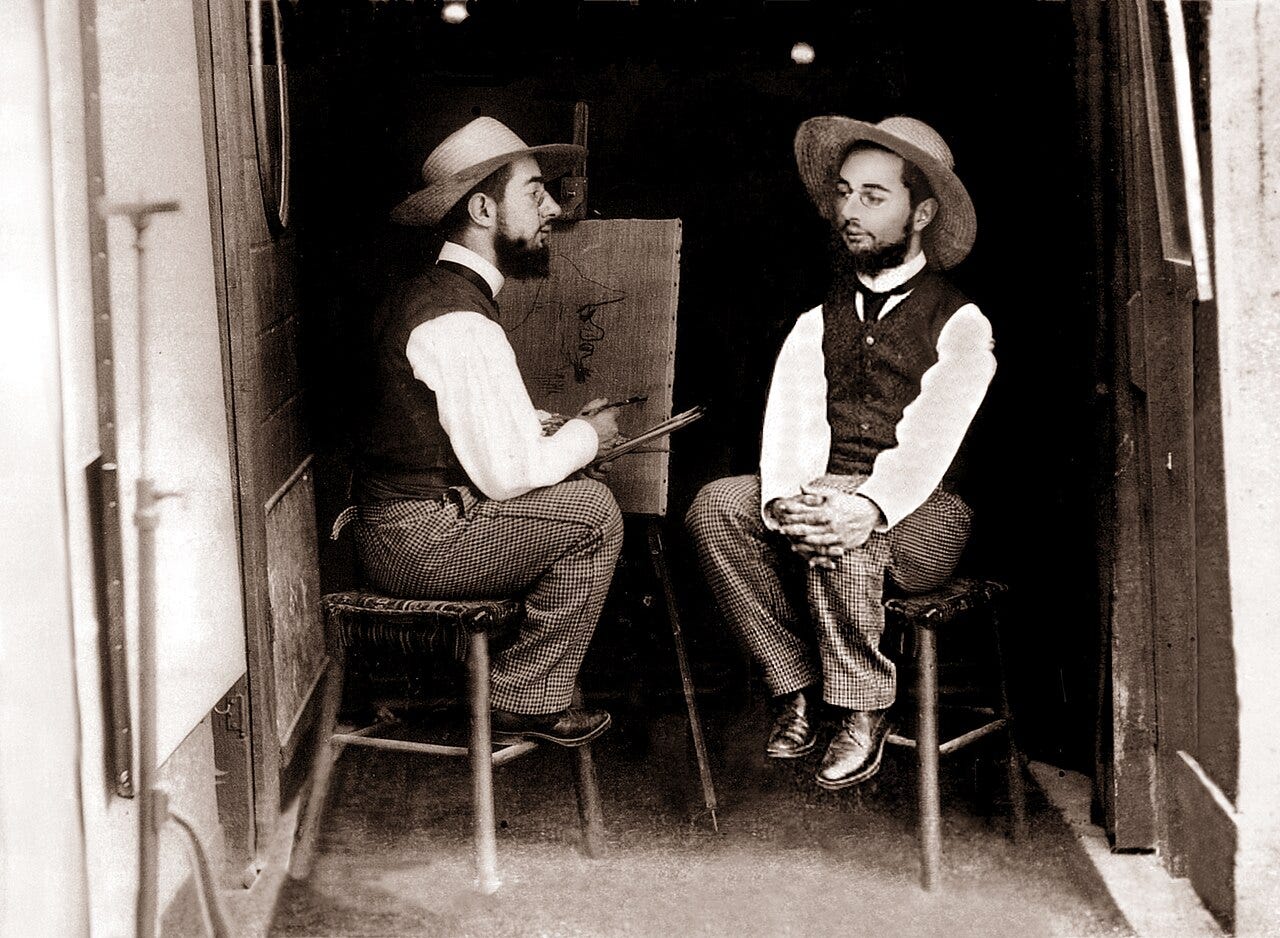
Lautrec did not name a disease, a disease borrowed his name
There is no illness officially called Toulouse Lautrec syndrome in medicine. The real name is pycnodysostosis, described in 1962 by two French doctors, Pierre Maroteaux and Maurice Lamy.
When they laid out the symptoms, they pointed to a famous patient who seemed to fit: the painter Henri de Toulouse Lautrec. The nickname stuck, even though he died decades before anyone could test him.
Keep learning art the fun way


What the disease actually does
The cruel twist is in the name. Pycnodysostosis makes bones unusually dense, which sounds like strength. In fact those bones snap easily.
The usual signs include:
Short stature, with adults often under five feet.
Bones that fracture from minor knocks.
Short, stubby fingers and fragile nails.
A soft skull that stays open late in childhood, a heavy brow and a small receding chin.
Crowded, poorly formed teeth.
It comes from a fault in a single gene that controls an enzyme called cathepsin K, the tool the body uses to recycle old bone. Without it working right, bone piles up dense and disorganized.
How it built the body we know from photographs
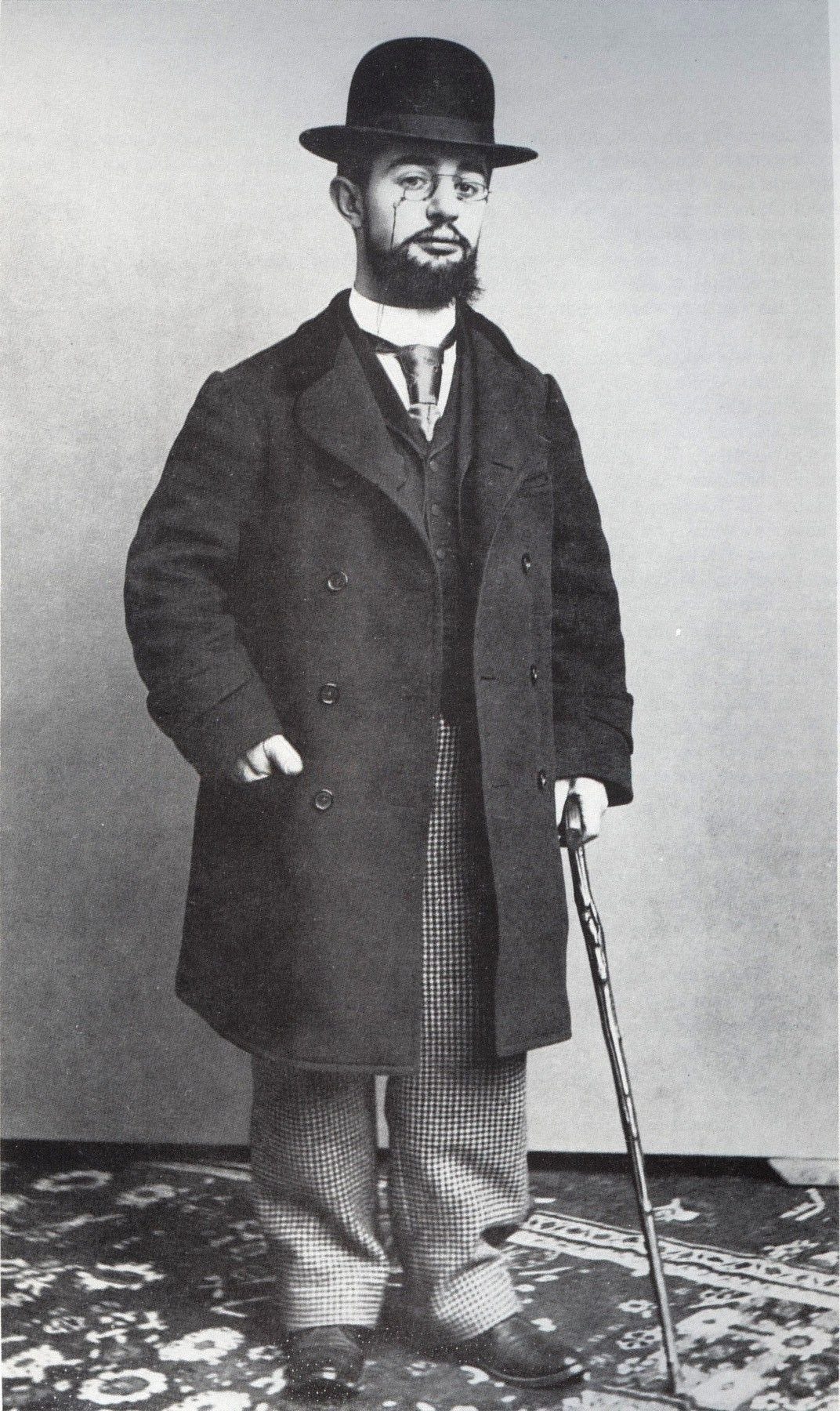
Lautrec grew a normal head and torso on top of legs that stopped early. He stood around five feet tall. At 13 and 14 he broke both thigh bones in falls that should have left an ordinary boy bruised, and the breaks never set properly.
That pattern, normal trunk plus short limbs plus easy fractures, is exactly what pycnodysostosis produces.
The illness that may have made him a painter
His birthright was horses, hunting and the open country of the family estates. His body shut all of that out.
Stuck indoors and often bedridden while his legs healed, he filled the hours with pencils and sketchbooks. The disease that closed off his world as an aristocrat opened the one where he became great.
Was it really pycnodysostosis?
The case is strong but not closed. His parents, Alphonse and Adele, were first cousins, and pycnodysostosis is recessive, so it shows up far more often when both parents share the same rare gene.
The inbreeding in his family fits the diagnosis almost too well.
A few historians have floated other bone conditions. With no DNA to test, the honest answer is that pycnodysostosis is the best fit, not a proven verdict. For me we are diagnosing a portrait, not a patient, and that gap is worth keeping in mind.
His paintings are gathered at the Musee Toulouse Lautrec in Albi, including the famous Moulin Rouge, La Goulue.
Questions about the syndrome
Is it the same as dwarfism? It is one of the many conditions that cause short stature, but it is specific: dense brittle bones plus the other features above, not a catch all term.
How tall did it make him? About five feet, roughly 1.52 meters, with the shortness concentrated in his legs.
Was it inherited? Yes. It is passed down recessively, which is why his first cousin parents raised his odds of having it.
Did the disease kill him? No. He died at 36 from the effects of alcohol and syphilis after a stroke, not from the bone disease itself. The details are in how Toulouse Lautrec died.
Is Toulouse Lautrec syndrome the same as dwarfism? It is one specific cause of short stature. The condition, pycnodysostosis, makes bones dense but brittle and stunts growth, which differs from the more common forms of dwarfism.
More secrets to unlock


The footnote history loves
The gene behind pycnodysostosis was not pinned down until 1996, almost a century after Lautrec's death. By then the world had spent decades calling the disease by the name of a man who was never diagnosed with it.
The rest of his short, loud life, from Montmartre to the Moulin Rouge and the brothels, sits in the complete story of Toulouse Lautrec.
