
Abstract art is painting that does not try to depict the visible world. Instead of people, places or things, it uses pure color, shape, line and form to create its effect. It is art freed from the job of copying reality.
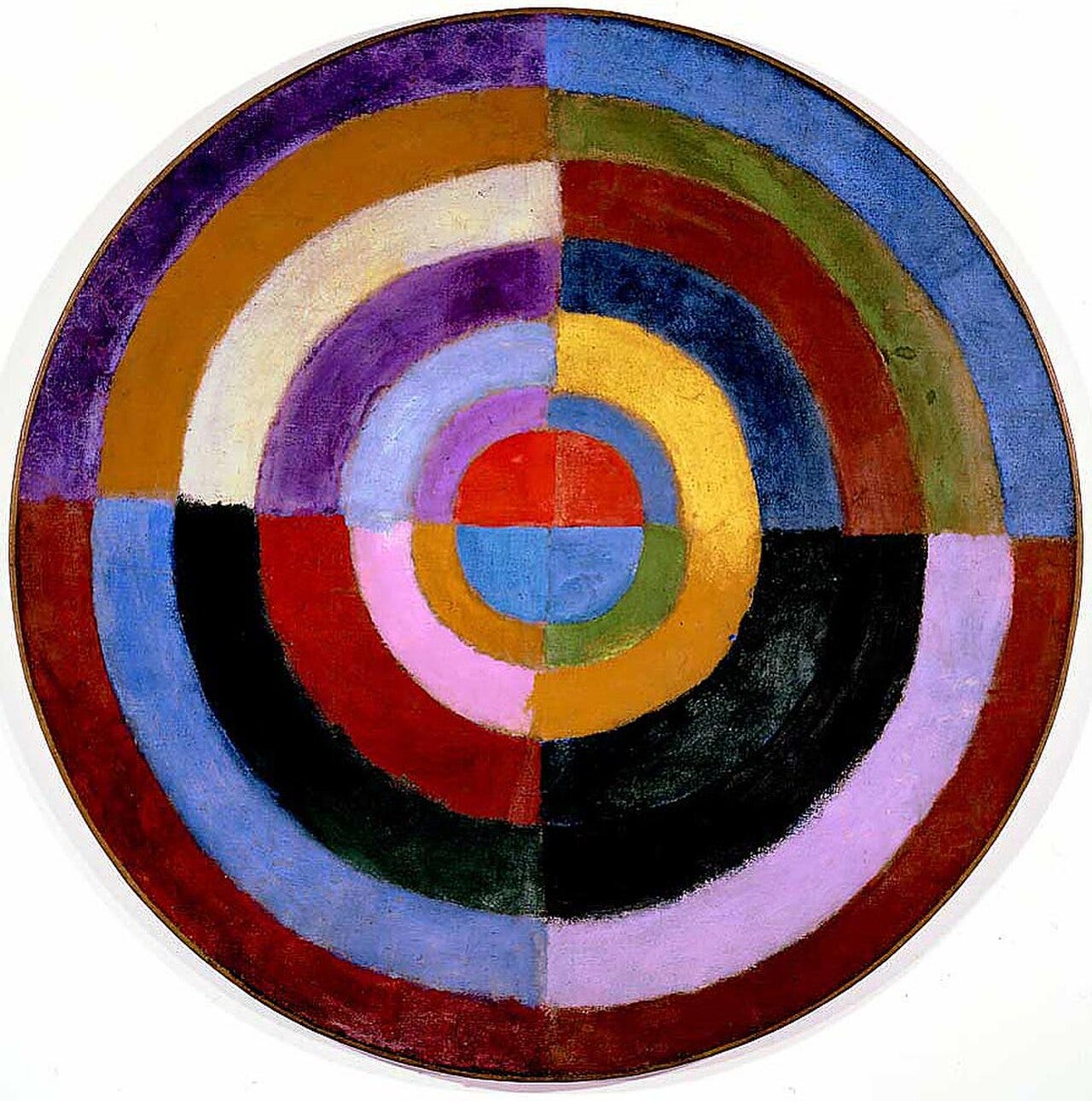
It was one of the most extreme leaps in the history of painting, and it still makes people uneasy.
The objection I hear most is that abstract art is a con, that anyone could do it.
Abstract art is not a failure to draw. It is a deliberate refusal to.
The usual reaction is “my kid could do that.” But the first abstract painters could all draw beautifully.
They chose to stop depicting things on purpose, because they believed color and shape alone, like music, could move you directly, with no picture in the way.
A piece of music does not depict anything either, and it can break your heart. Abstract art is that same bet, made with paint.
Keep learning art the fun way


Where did abstract art come from?
It did not appear from nowhere. It was the end of a long unraveling.
For decades, painting had been pulling away from strict realism. The Impressionists loosened the brushwork. The Fauvists freed color from reality, a face could be green.
Cubism shattered objects into fragments and angles. Each step cared less about copying the world and more about the painting itself.
Around 1910, a few artists took the final step and removed the recognizable subject altogether, making art that no longer tries to represent external reality at all. The link to the visible world was cut.
The two families of abstraction
Almost all abstract art falls into two opposite temperaments. This is the key to reading it.
Geometric abstraction. Cool, controlled, ruled. Straight lines, flat color, clean shapes. Mondrian’s grids, Malevich’s squares. Order and purity.
Gestural or expressive abstraction. Hot, emotional, free. Sweeping marks, drips, energy you can feel. Kandinsky’s storms of color, later the Abstract Expressionists.
The sentence to keep: geometric abstraction is built, gestural abstraction is felt.
The pioneers who jumped first
Three names usually get the credit, and they earned it. Here are my picks, and why.
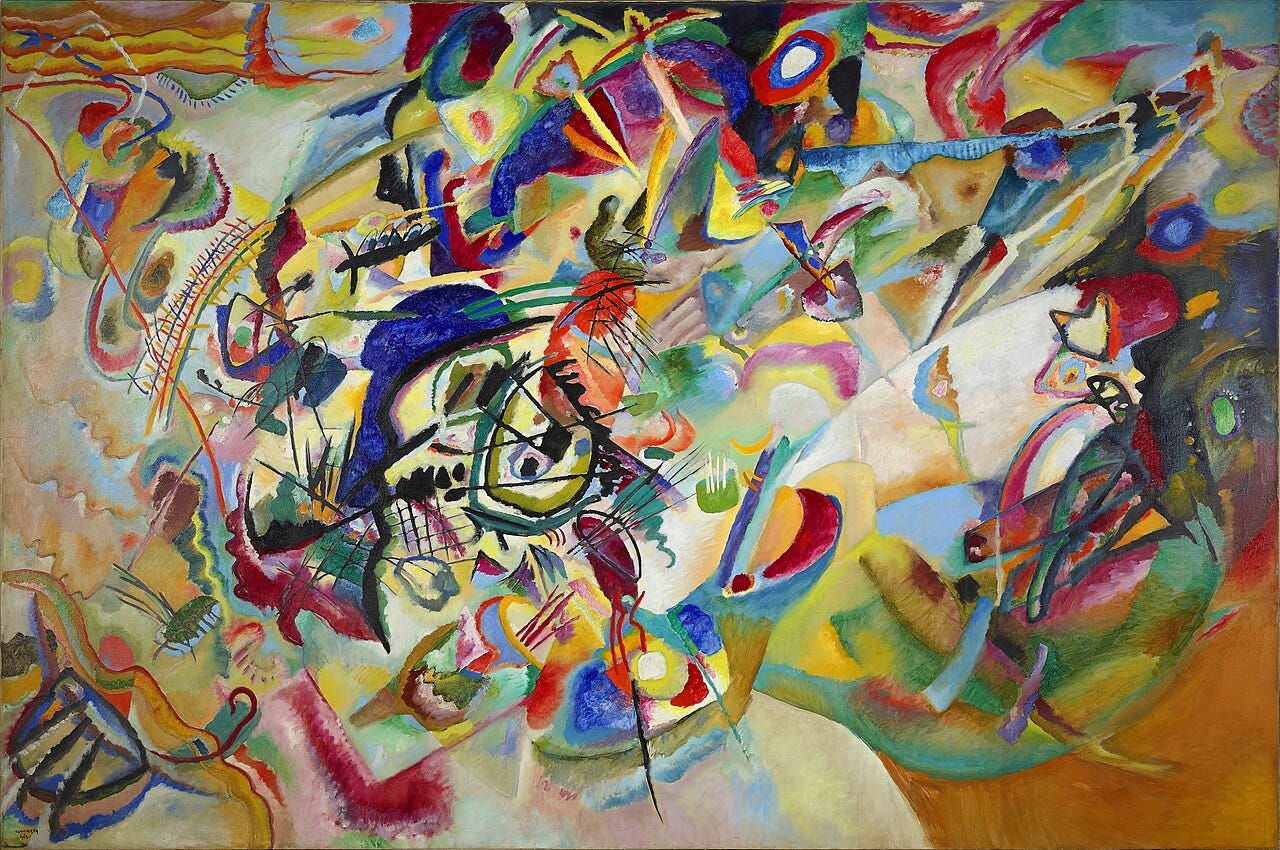
1. Wassily Kandinsky. Usually called the father of abstraction. A deeply musical man, he believed color could sound like an orchestra, and around 1910 he let go of the subject entirely to paint pure feeling. He had given up a law career at thirty to get there, a decision his complete story covers alongside his Blue Rider years and his later flight from the Nazis to Paris.
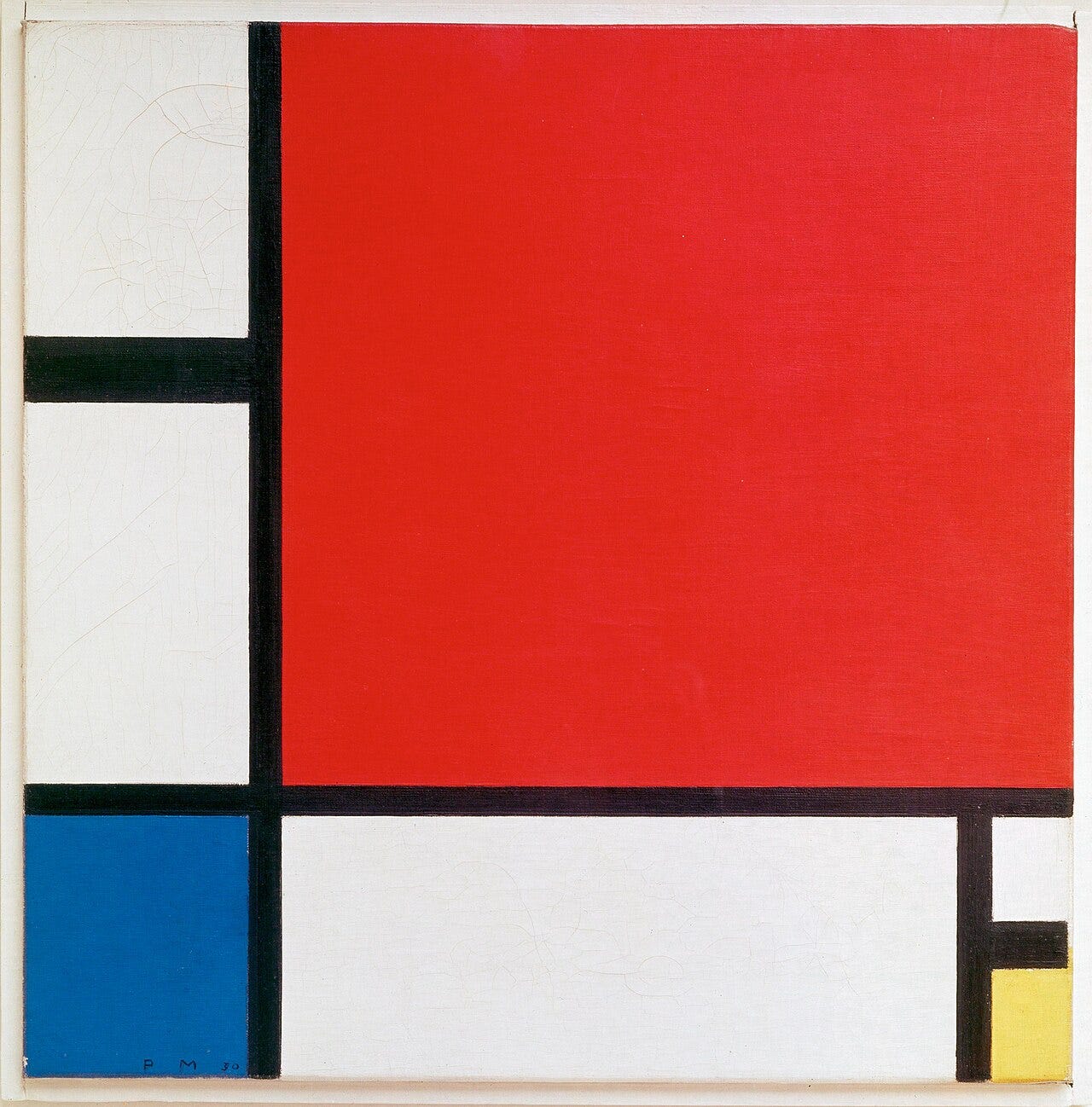
2. Piet Mondrian. The purist. He boiled painting down to black grids and three primary colors, searching for a perfect, universal harmony beneath the messy surface of the world.
3. Kazimir Malevich. The radical. His Black Square, a black square on white, was meant as a “zero point” of painting, the most extreme reset art had ever attempted.
The woman who got there first
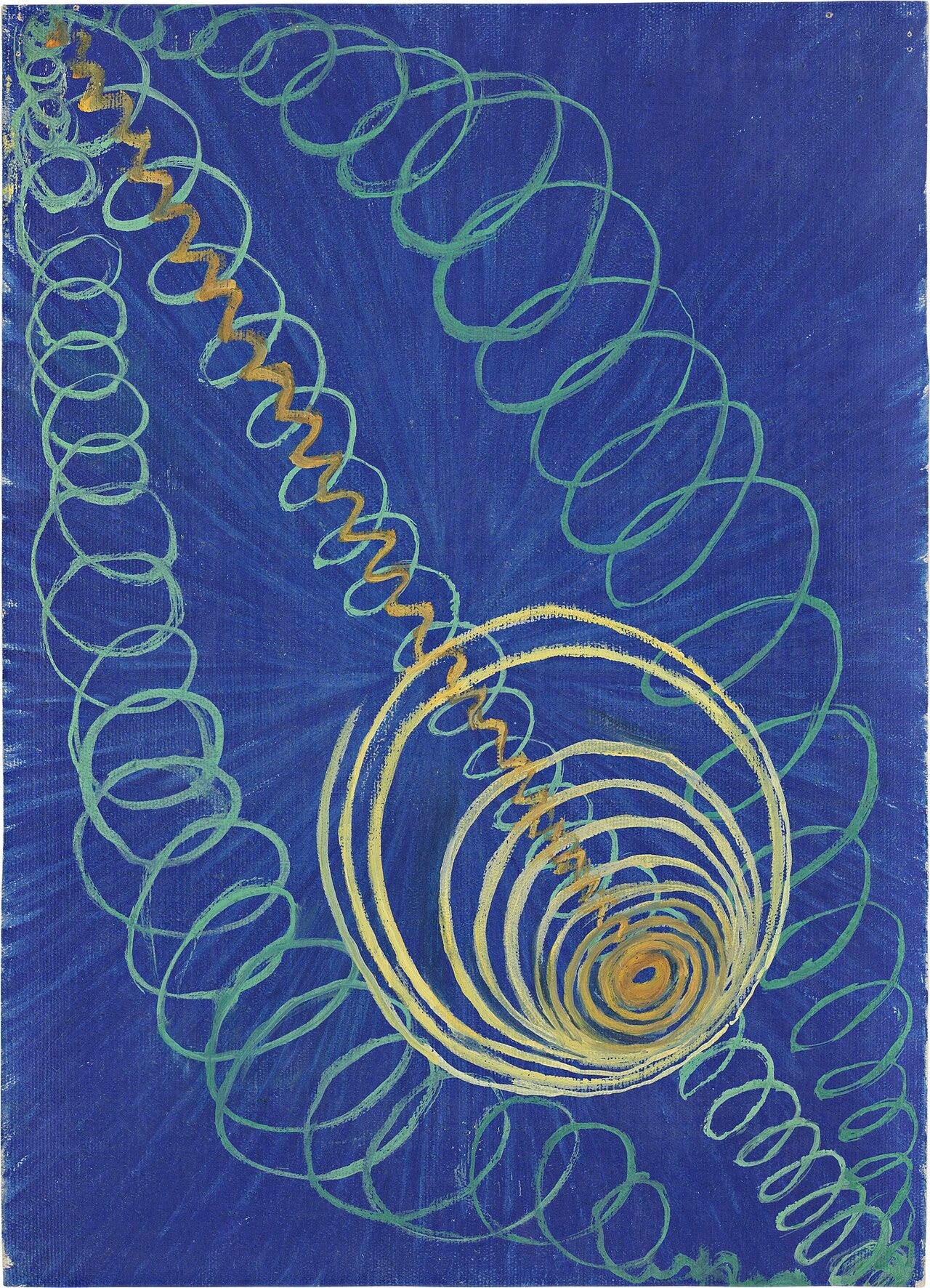
The tidy story has a complication: the first purely abstract paintings may not be Kandinsky's at all.
The Swedish painter Hilma af Klint was making large, glowing abstractions by 1906, years before the men usually credited. She kept them secret and ruled that they stay hidden until 20 years after her death.
The art world only caught up this century, when her work drew record crowds to the Guggenheim.
How abstraction spread and exploded
Abstraction did not stay a quiet experiment.
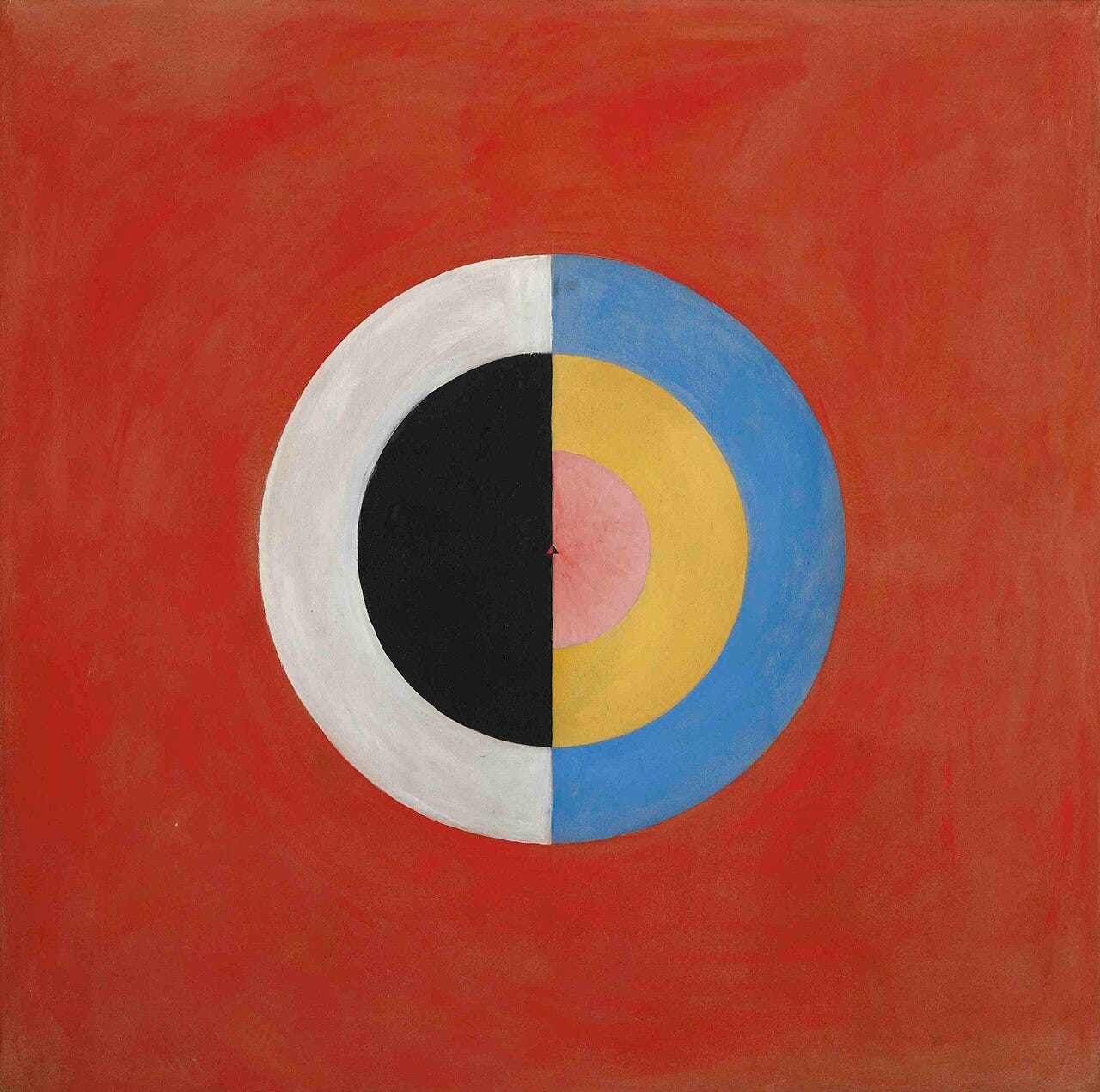
After those first pioneers, it became one of the dominant forces in modern art.
In 1950s America it hit its loudest peak with Abstract Expressionism: huge canvases of pure gesture and color by Jackson Pollock, who poured and dripped paint straight onto the floor, and Mark Rothko, whose vast glowing rectangles were meant to bring viewers to tears.
In Italy, Lucio Fontana pushed the idea further still, founding Spatialism and slashing the canvas open with a blade, so the work became a hole in space rather than a picture of one.
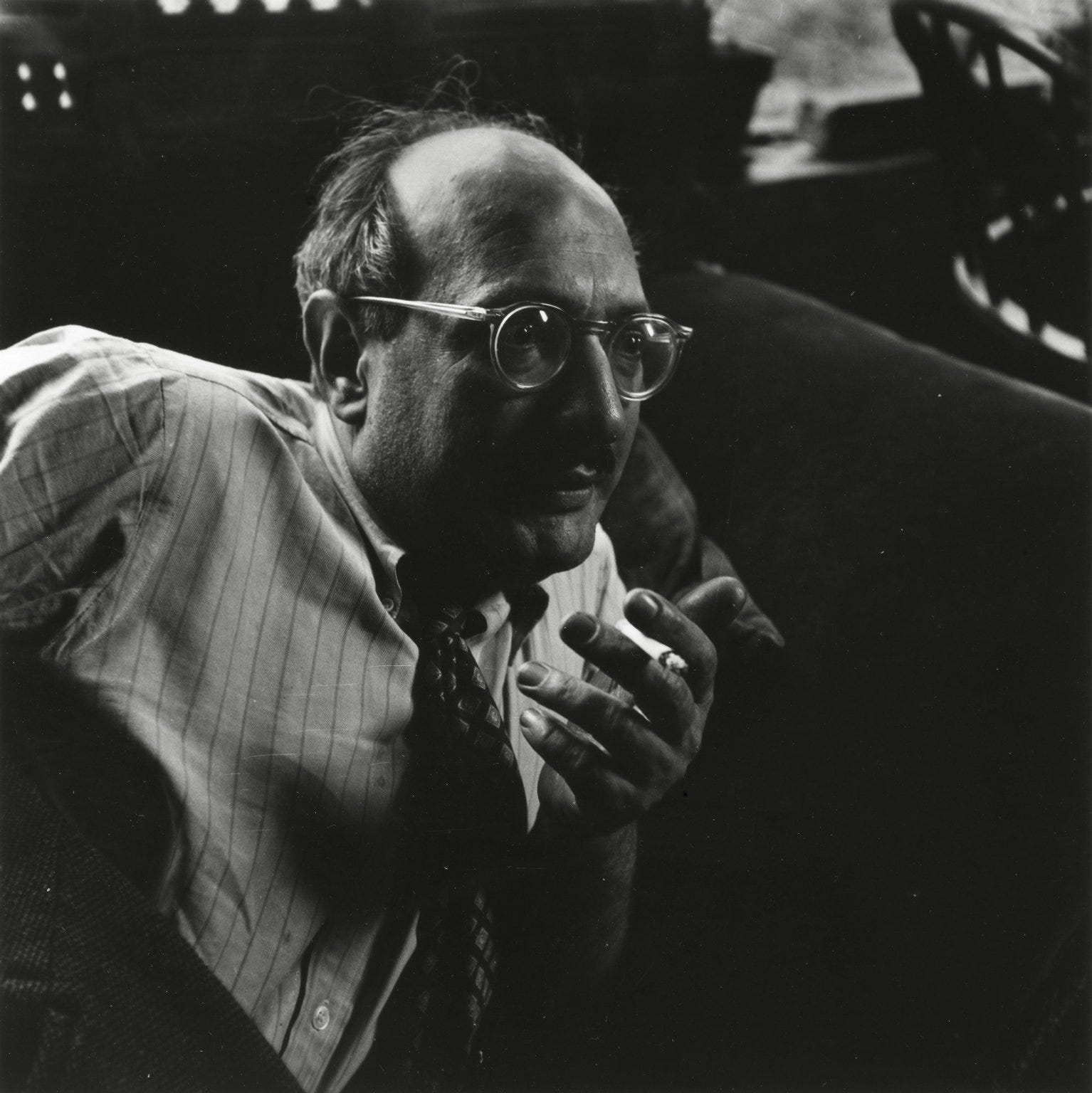
By then, abstraction was not a fringe experiment. It was the mainstream of serious painting, the very thing the next generation, Pop art, would rebel against for being too serious.
How to actually look at abstract art
This is the question I get asked most, so here is the honest answer.
Stop hunting for “what it is.” There is no hidden picture to decode. Instead, let it work on you the way music does. Ask: what does this color do to my mood?
Does the composition feel calm or violent, balanced or about to fall? Where do my eyes move, and how fast?
A red feels different from a blue. A jagged line feels different from a soft curve. That direct, wordless reaction is the whole point of abstract art.
Abstraction is all around you
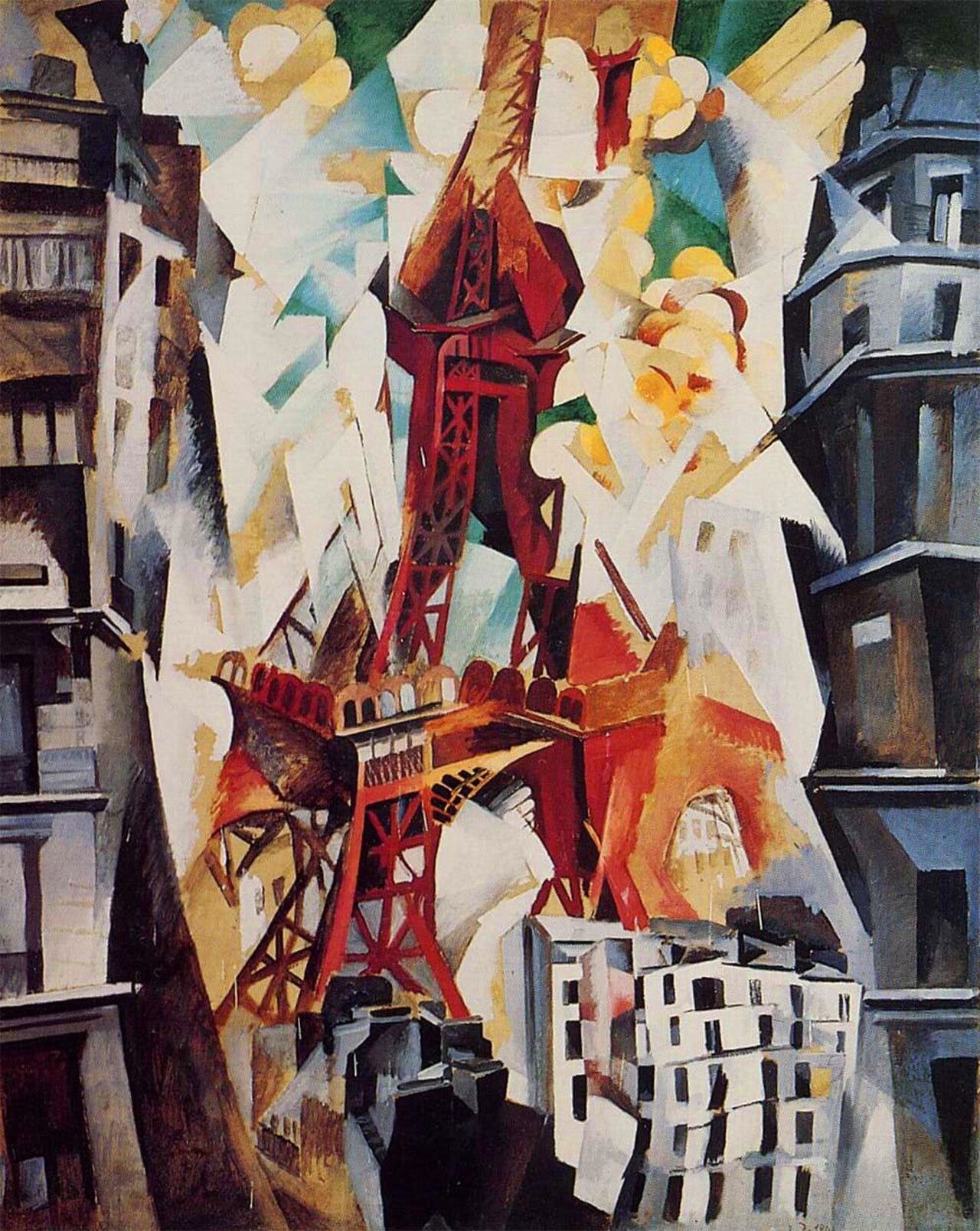
Abstract art quietly won the design world.
Branding and logos. Pure shape and color standing for an idea is abstraction at work.
Interiors and fashion. The strong patterns and color fields on walls and clothes are pure abstract language.
Screens and motion graphics. Shifting color and form with no subject, the visual wallpaper of modern life, is abstraction in motion.
So the style people still call “a load of squiggles” became the basic grammar of modern visual design.
Where I would go to stand in front of it
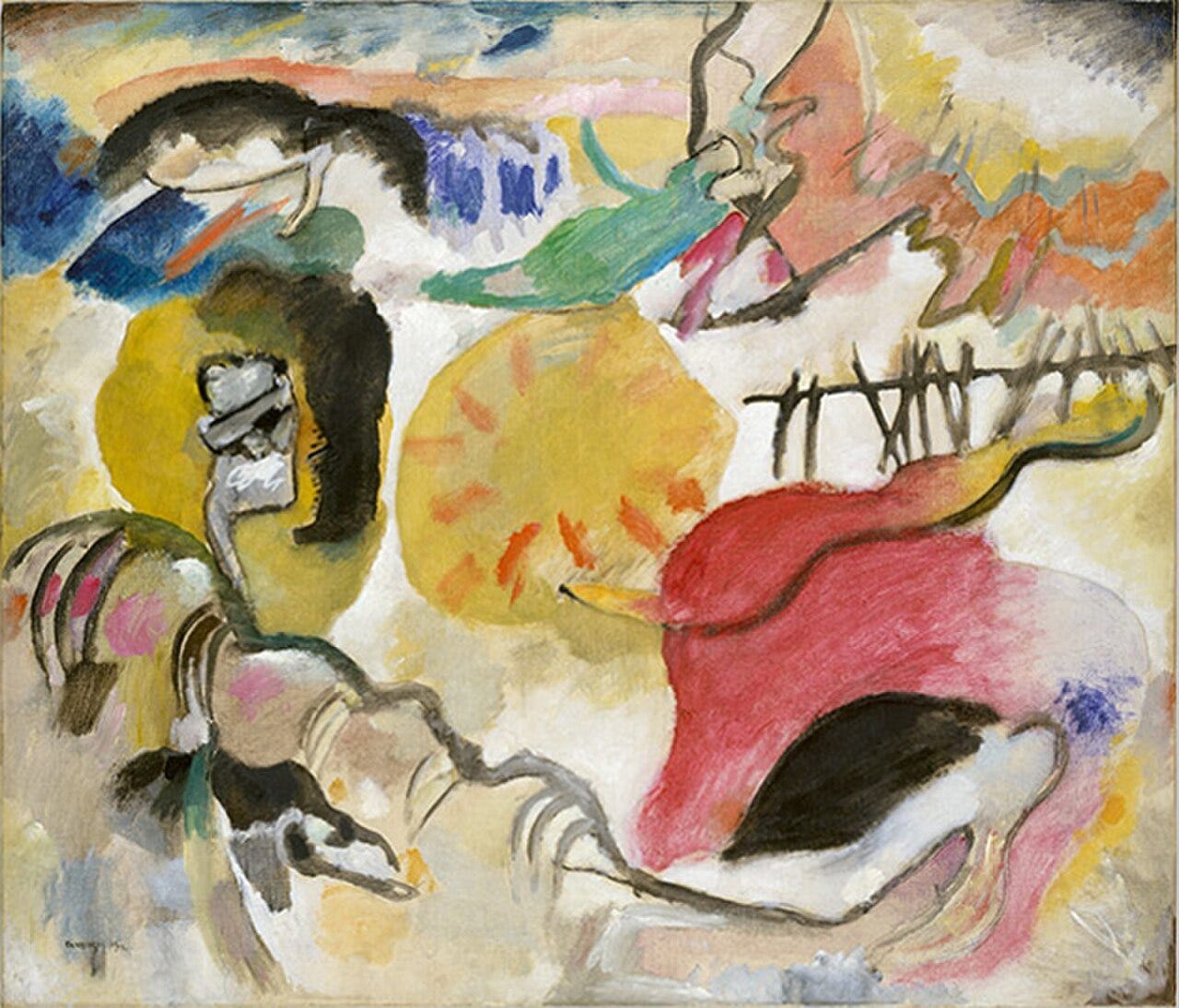
Stand in front of a big one. Scale changes everything.
Tate Modern, London. Kandinsky, Mondrian, Rothko and a whole floor of abstraction.
The Museum of Modern Art, New York. The deepest collection of abstract and Abstract Expressionist painting.
The Guggenheim, New York. Built around Kandinsky and non objective art.
The Stedelijk, Amsterdam. Mondrian and Malevich in depth.
Abstract art, the questions people ask
What is abstract art in simple terms? Art that does not depict recognizable objects, using color, shape and line to create its effect, much like music uses sound.
Who invented abstract art? It emerged around 1910 with pioneers like Wassily Kandinsky, Piet Mondrian and Kazimir Malevich.
What are the main types of abstract art? Geometric abstraction, cool and ruled, like Mondrian, and gestural abstraction, free and emotional, like Kandinsky and Pollock.
How do you understand abstract art? Do not look for a hidden picture. Notice how the colors, shapes and composition make you feel.
Is abstract art the same as modern art? No. Modern art is a broad period, roughly the 1860s to the 1960s, that holds many styles. Abstract art is one strand inside it, the one that drops recognizable subjects for pure color and shape.
More secrets to unlock


The wager behind the squiggles
For thousands of years, painting had one basic job: to show us something, a god, a king, a bowl of fruit, the world. Abstract art asked a question so simple it was shocking. What if a painting did not need to be of anything at all?
What if color, shape and line could speak on their own, the way melody and rhythm do, reaching straight past your reasoning mind into your feelings?
That was the wager. It meant trusting that beauty and emotion do not depend on recognizing things, that they live in the visual elements themselves.
It is a kind of faith in the raw power of seeing. And every time a color stops you in your tracks for no reason you can name, abstract art has won its argument.
Malevich knew the stakes. When he first showed his Black Square in 1915, he hung it high across the corner of the room, the spot a Russian home keeps for a holy icon. A painting of nothing, treated as the most sacred thing on the wall.
Jean Dubuffet took the argument somewhere rougher. A wine merchant who only committed to painting at forty one, he coined the term Art Brut in 1945 to champion work made outside any school or academy, and his own complete story explains why.
