
Cubism is the radical style that shattered objects into geometric facets and showed them from many viewpoints at once, all flattened onto a single surface. It broke 500 years of how art shows the world. Picasso pushed the idea furthest of anyone, and his twelve most important paintings are gathered in one place.
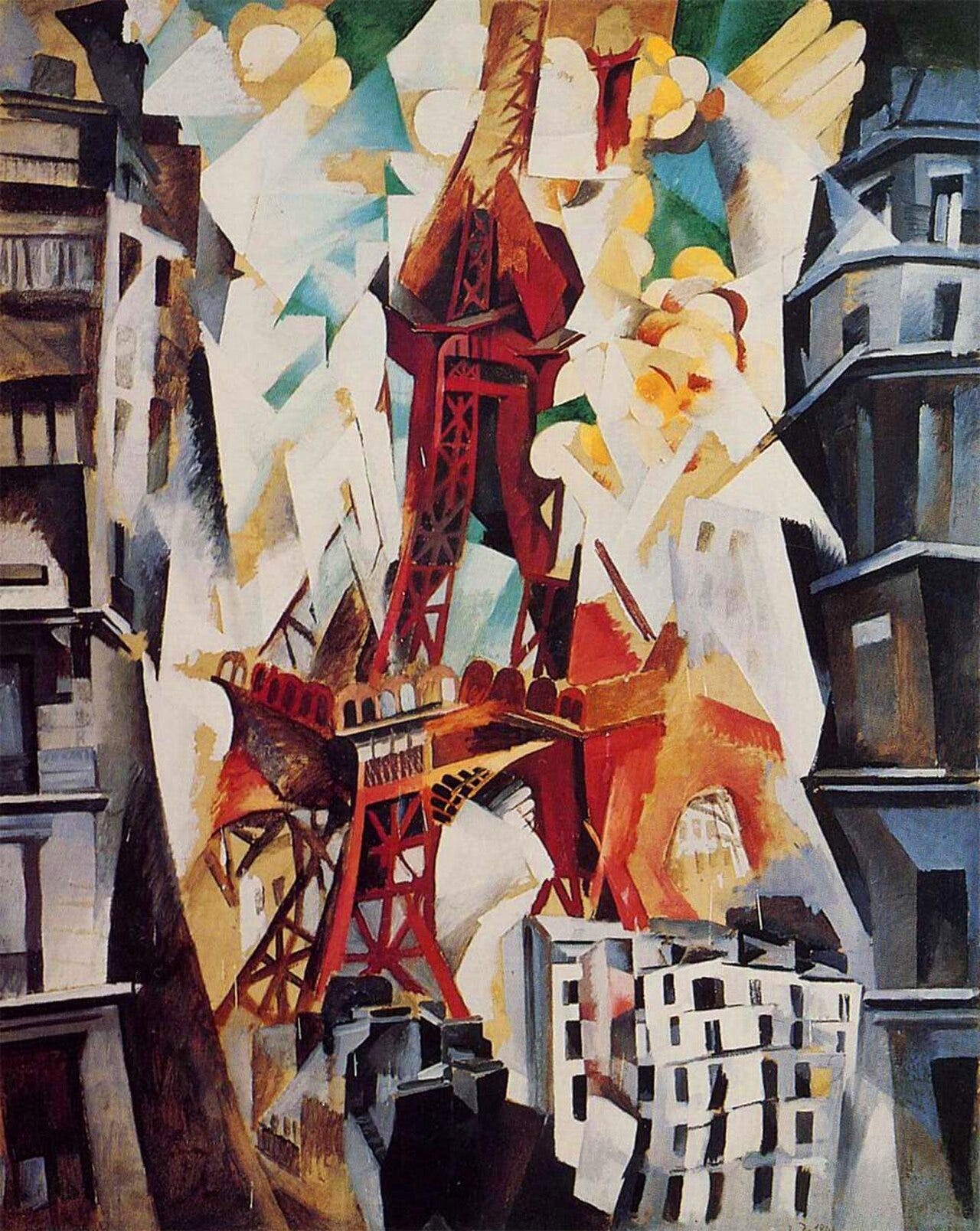
Picasso and Braque invented it around 1907, and nothing in art looked the same again.
Cubism is not abstract for the sake of it. It is a new theory of seeing.
In real life, you never see all of an object at once. You walk around it, glance at it, build it in your mind from many angles over time.
Cubism tried to put all of that onto one canvas: the front, the side, the top, the moment before and after, fused into a single fractured image.
It was the deepest break in Western art since the Renaissance invented perspective, and it deliberately smashed that very perspective.
Cubism in one minute:
The idea: show an object from several viewpoints at once, broken into geometric planes.
The inventors: Pablo Picasso and Georges Braque, around 1907 to 1908.
The roots: the geometry of Cezanne and the raw power of African masks.
Two phases: Analytic Cubism (fractured, brown and grey) then Synthetic Cubism (collage, brighter).
It demolished the single viewpoint perspective that had ruled since the Renaissance.
Keep learning art the fun way


What does Cubism actually do?
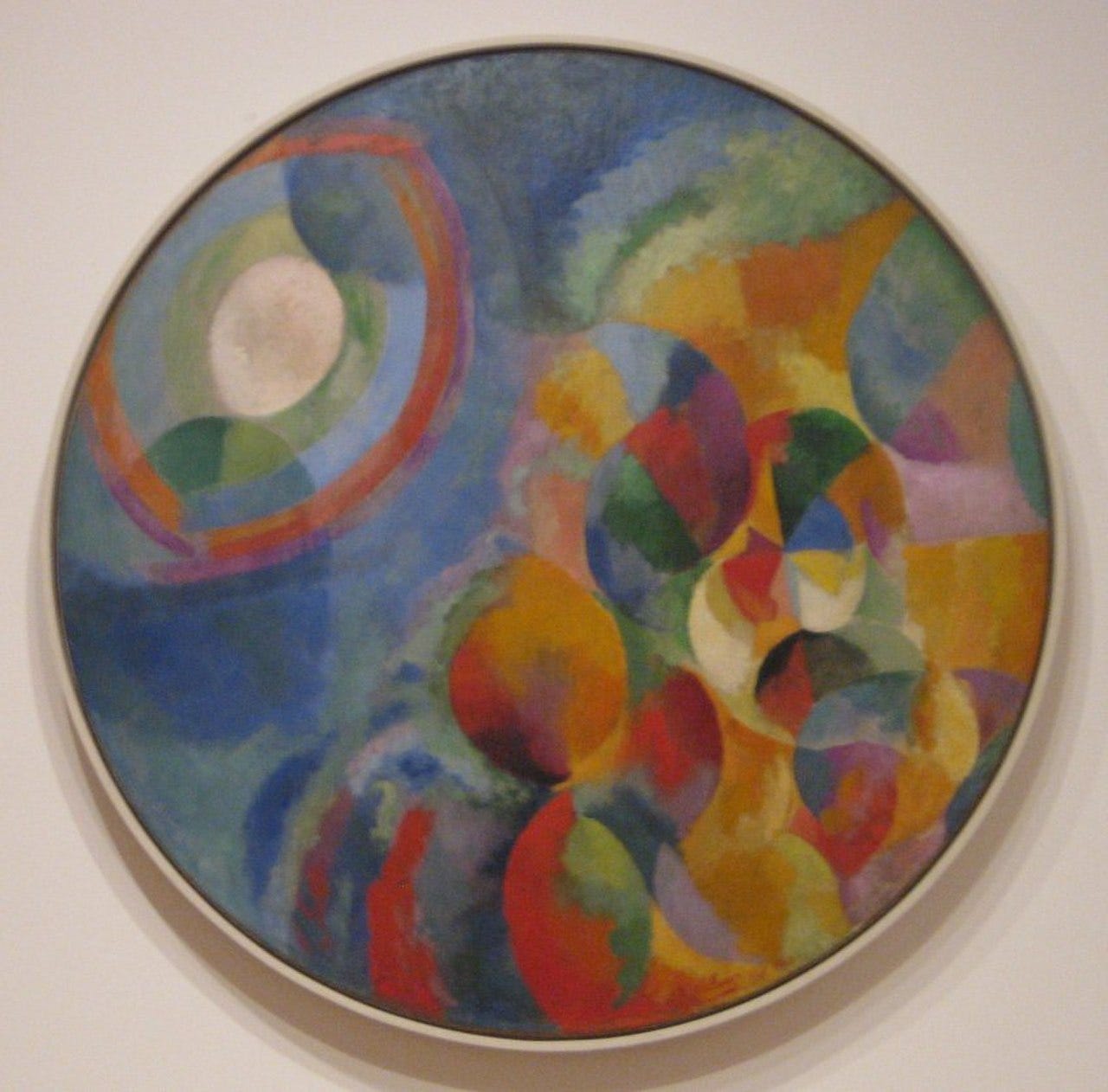
It refuses the single, frozen viewpoint.
Since the Renaissance, a painting showed a scene from one fixed spot, one moment, through one imaginary window. Around 1907 Cubism set out to be a radical new approach to representing reality.
Cubism threw out that single window. Instead of painting a face from one angle, Picasso might give you the nose in profile and both eyes facing front, all at once.
The object is taken apart and reassembled as the mind knows it, not as the eye sees it from one chair.
That is why a Cubist painting looks “wrong” at first. It is showing you more than a single glance ever could.
Where did Cubism come from?
From one dead painter and a room full of masks.
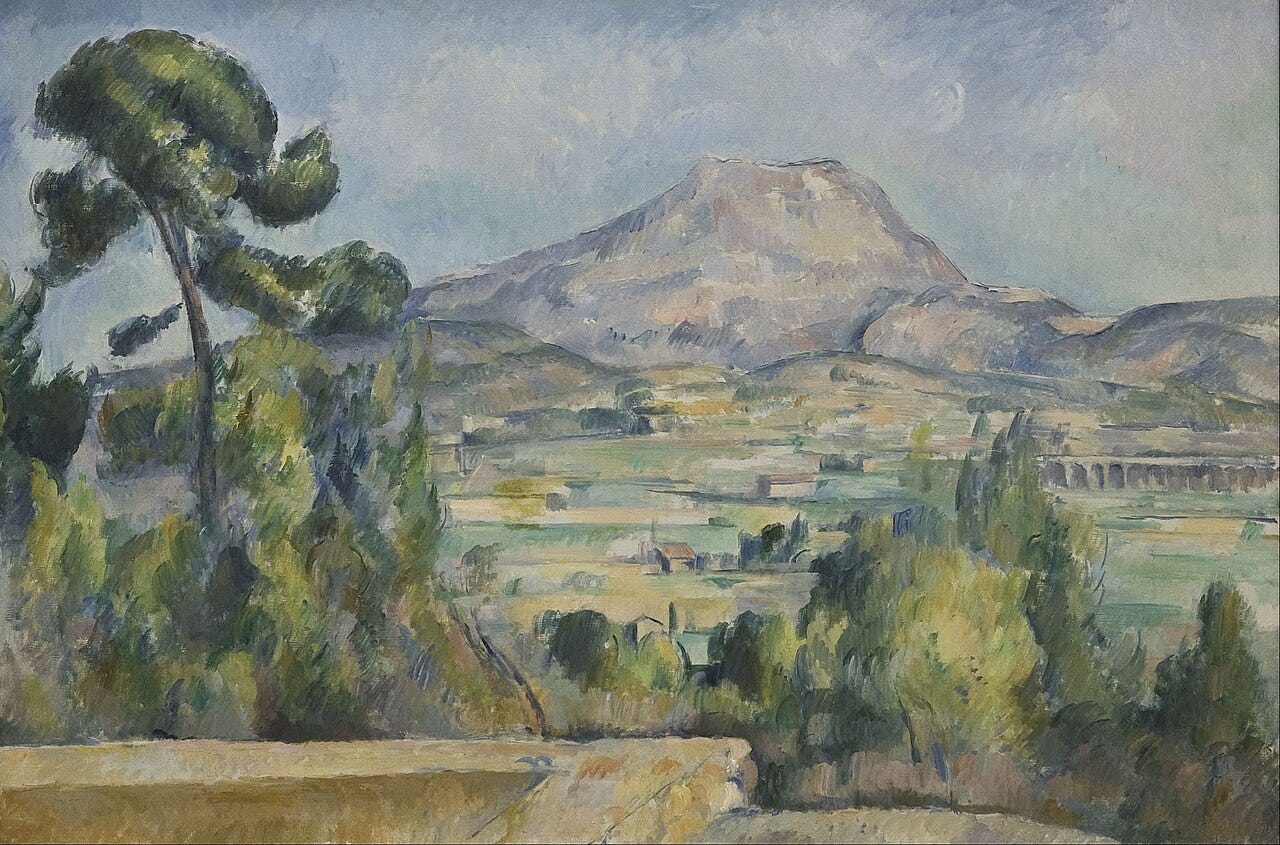
The first seed was Paul Cezanne, who late in life began breaking landscapes and still lifes into simplified geometric blocks, treating nature as cylinders, spheres and cones.
Picasso called him the father of us all, and I have argued his genius in full in is Cezanne the greatest painter of all time.
The second seed was non Western art. Picasso was electrified by African and Iberian masks, with their stark, abstract, geometric power. He fused Cezanne’s geometry with that raw energy.
The explosion was Les Demoiselles d’Avignon (1907), five angular women with mask like faces, the painting that lit the fuse.
The two phases of Cubism
Most people do not know there are two. Here they are.
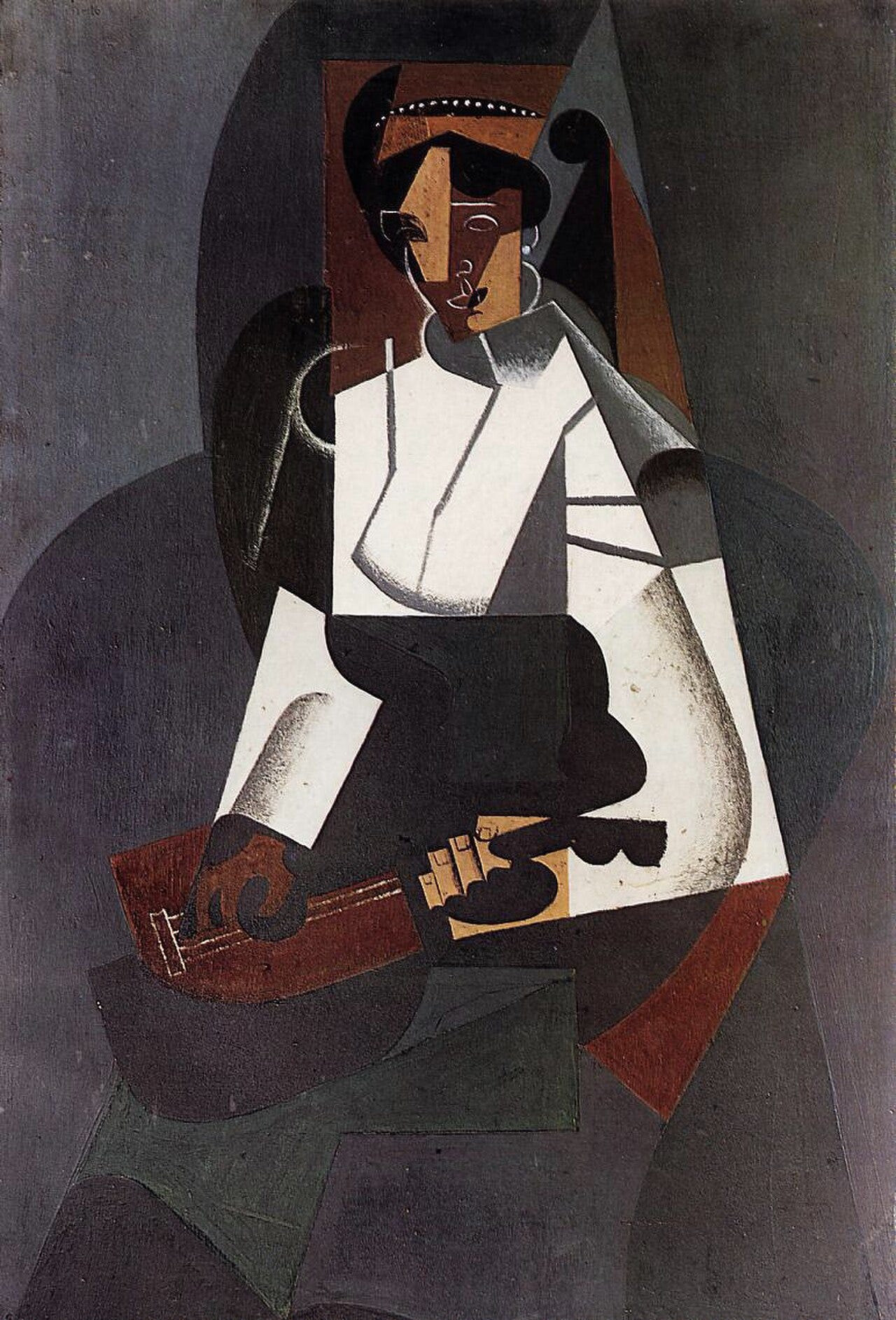
Analytic Cubism (about 1909 to 1912). Objects analyzed, broken into dense, overlapping facets. Almost monochrome, all browns and greys, so fractured the subject nearly disappears.
Synthetic Cubism (from about 1912). The artists built images back up, simpler and brighter, and started gluing real materials, newspaper, wallpaper, onto the canvas. This invented collage.
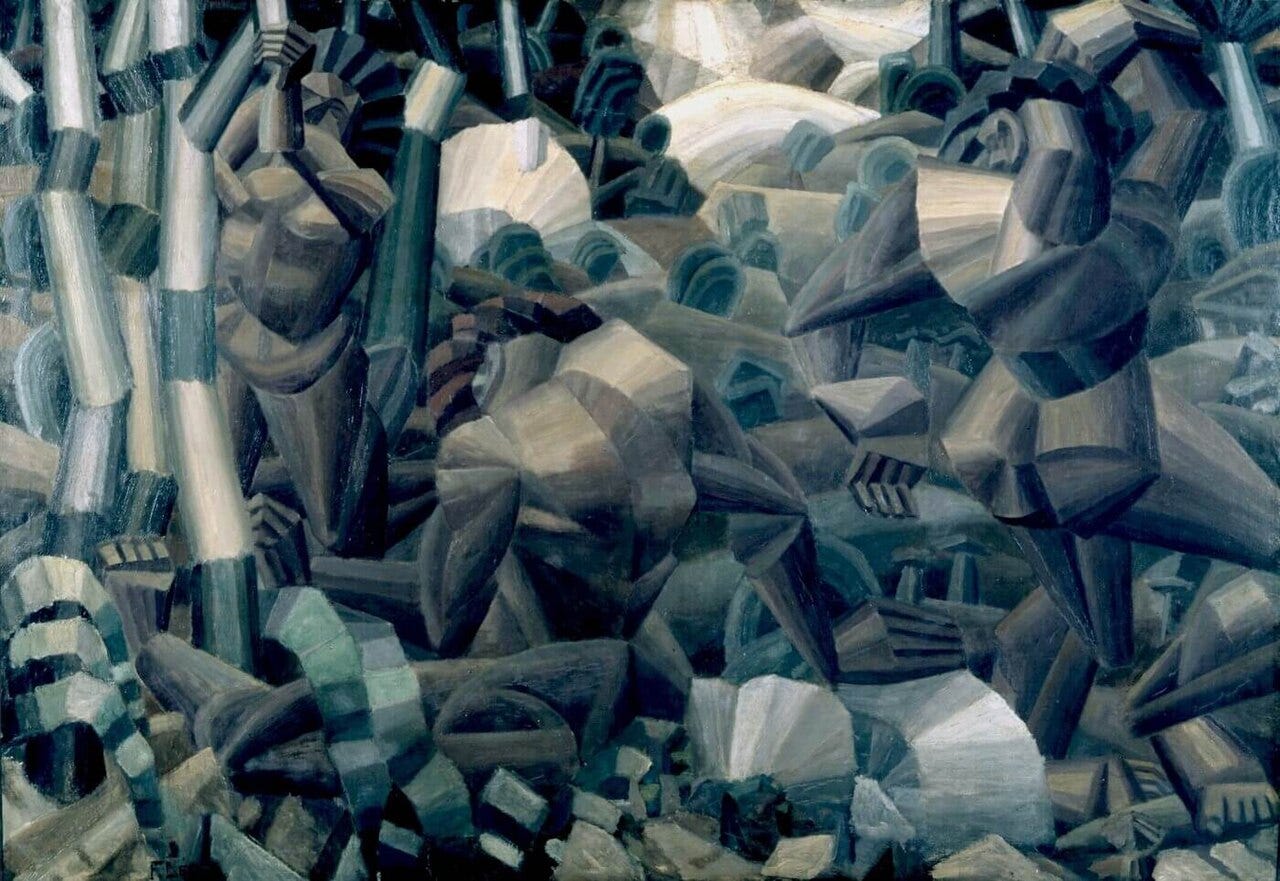
The sentence to keep: Analytic Cubism takes the world apart, Synthetic Cubism builds a new one from the pieces.
Who invented Cubism?
Two men, working so closely they said it was like being “roped together on a mountain.”
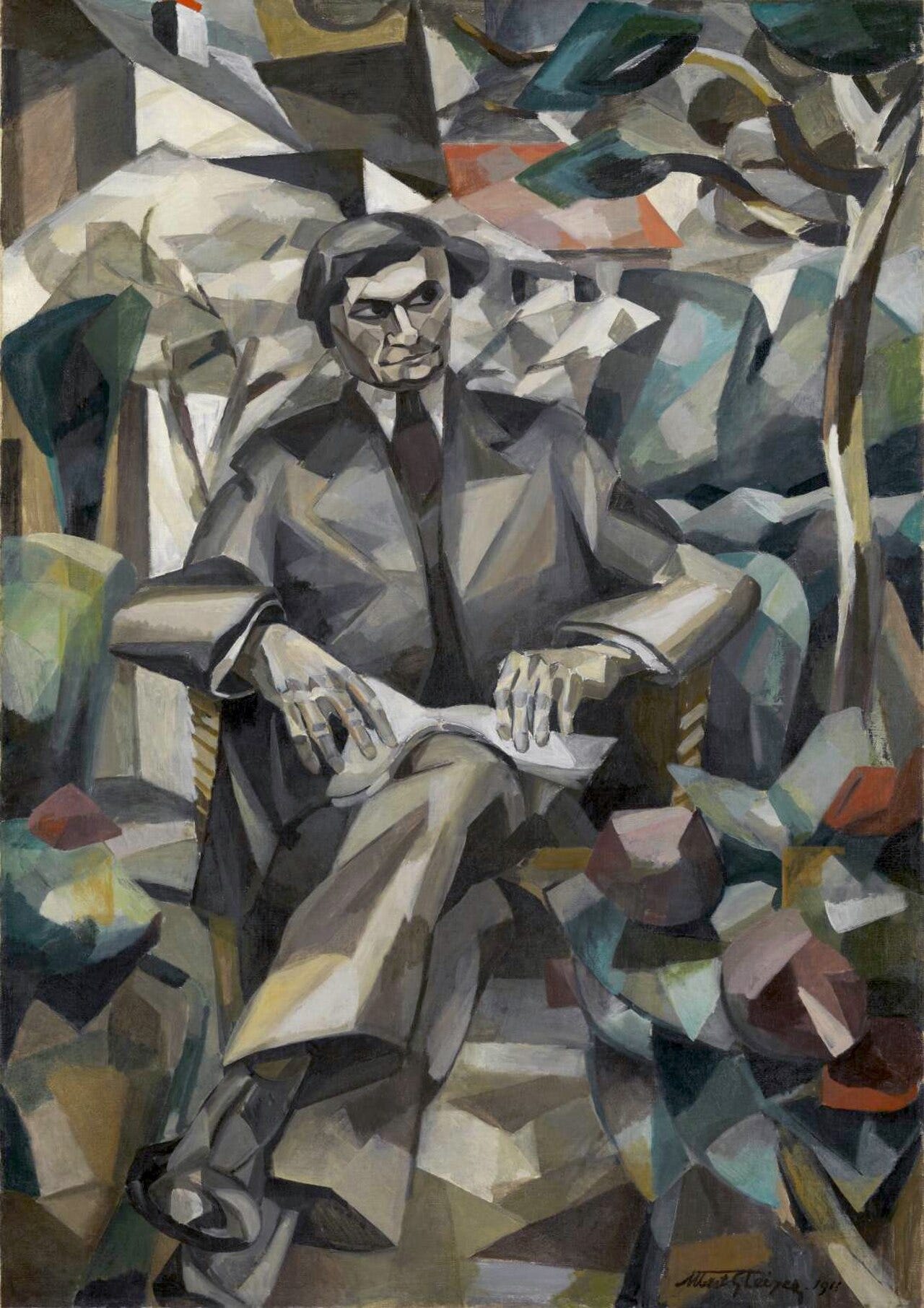
Pablo Picasso was the force of nature, restless and ferocious, who could not stop reinventing. His private life was as fractured as his canvases. Spain shaped him well before Cubism: the Andalusian town where he was born still keeps his childhood house open to visitors.
Georges Braque was the quieter partner, the one who actually came from Fauvism and brought a painter’s patience to the experiment.
For a few years the two were almost a single mind, and even signed work reluctantly because they could barely tell their hands apart.
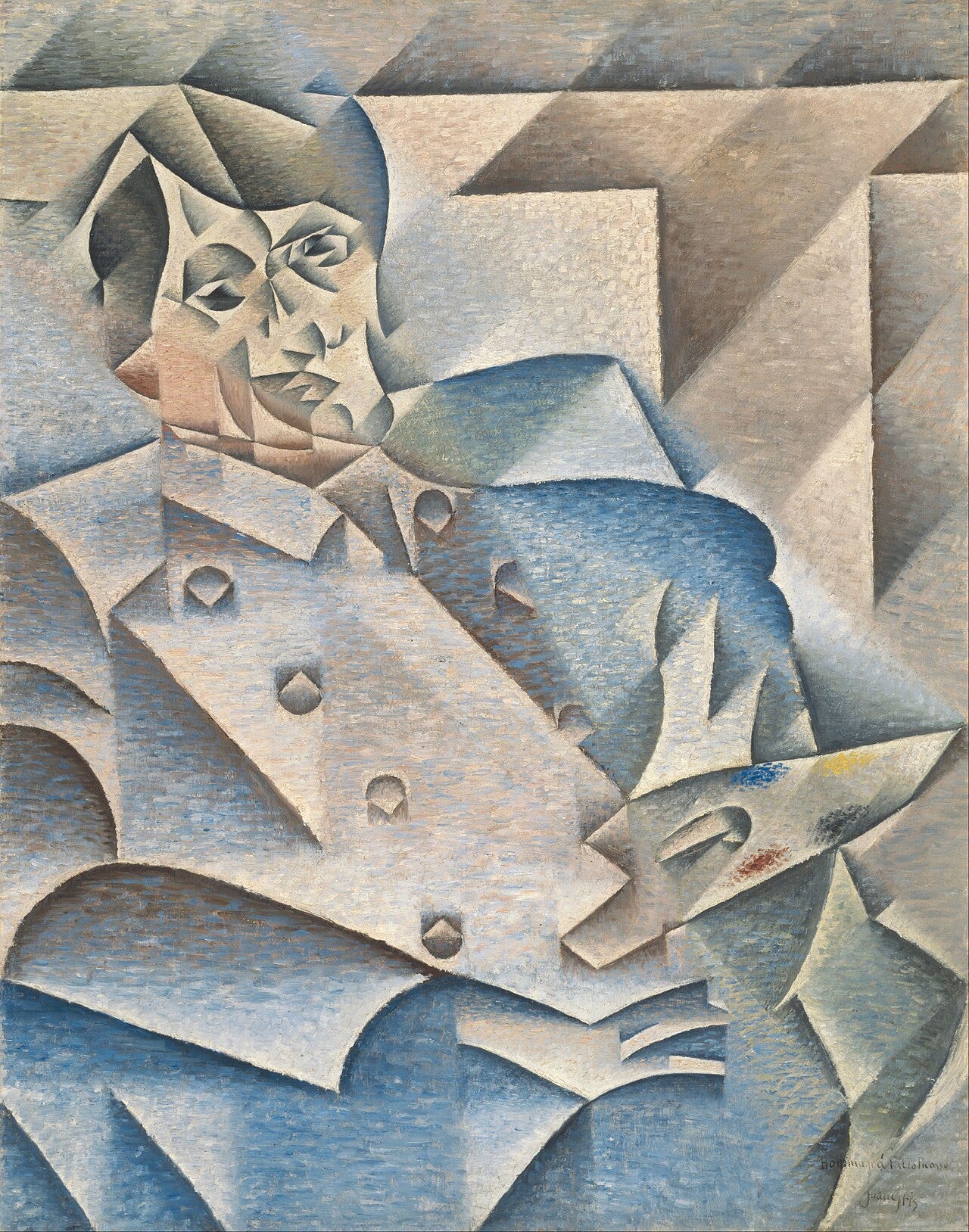
Later, Juan Gris gave Cubism a cleaner, more elegant, almost architectural beauty.
Why modern design runs on Cubism
Cubism rewired the visual language of the modern world.
Once art could break and reassemble reality, everything became possible.
Graphic design and logos. Fractured, geometric, multi angle imagery is everywhere in branding.
Animation and film. Anytime a scene fragments and shows many views at once, that is Cubist thinking.
All abstract art. Cubism opened the door. Without it, there is no path to pure abstraction.
Collage, from punk zines to digital art. Picasso and Braque invented gluing the real world onto the picture.
So when an image shows you something from impossible angles at once, that is a 1907 idea still at work.
Where to go decode it
These paintings reward slow, patient looking. Go decode them.
The Museum of Modern Art, New York. Les Demoiselles d’Avignon, the painting that started it all.
The Centre Pompidou, Paris. One of the deepest Cubist collections, Braque and Picasso side by side.
The Musee Picasso, Paris. The full arc of Picasso’s restless mind.
The Metropolitan Museum of Art, New York. Strong holdings across both phases of Cubism.
Cubism, the questions it raises
What is Cubism in simple terms? A style that breaks objects into geometric shapes and shows them from several viewpoints at the same time on a flat surface.
Who invented Cubism? Pablo Picasso and Georges Braque, working closely together in Paris around 1907 to 1908.
What are the two types of Cubism? Analytic Cubism, which fragments objects into dense facets, and Synthetic Cubism, which rebuilds them more simply and introduces collage.
What inspired Cubism? The geometric late work of Paul Cezanne and the raw abstraction of African and Iberian masks.
What is the difference between Analytic and Synthetic Cubism? Analytic Cubism, around 1909 to 1912, breaks objects into fractured, near colorless facets. Synthetic Cubism, which followed, builds images back up from flat shapes, brighter color and collage.
More secrets to unlock


Painting the act of looking
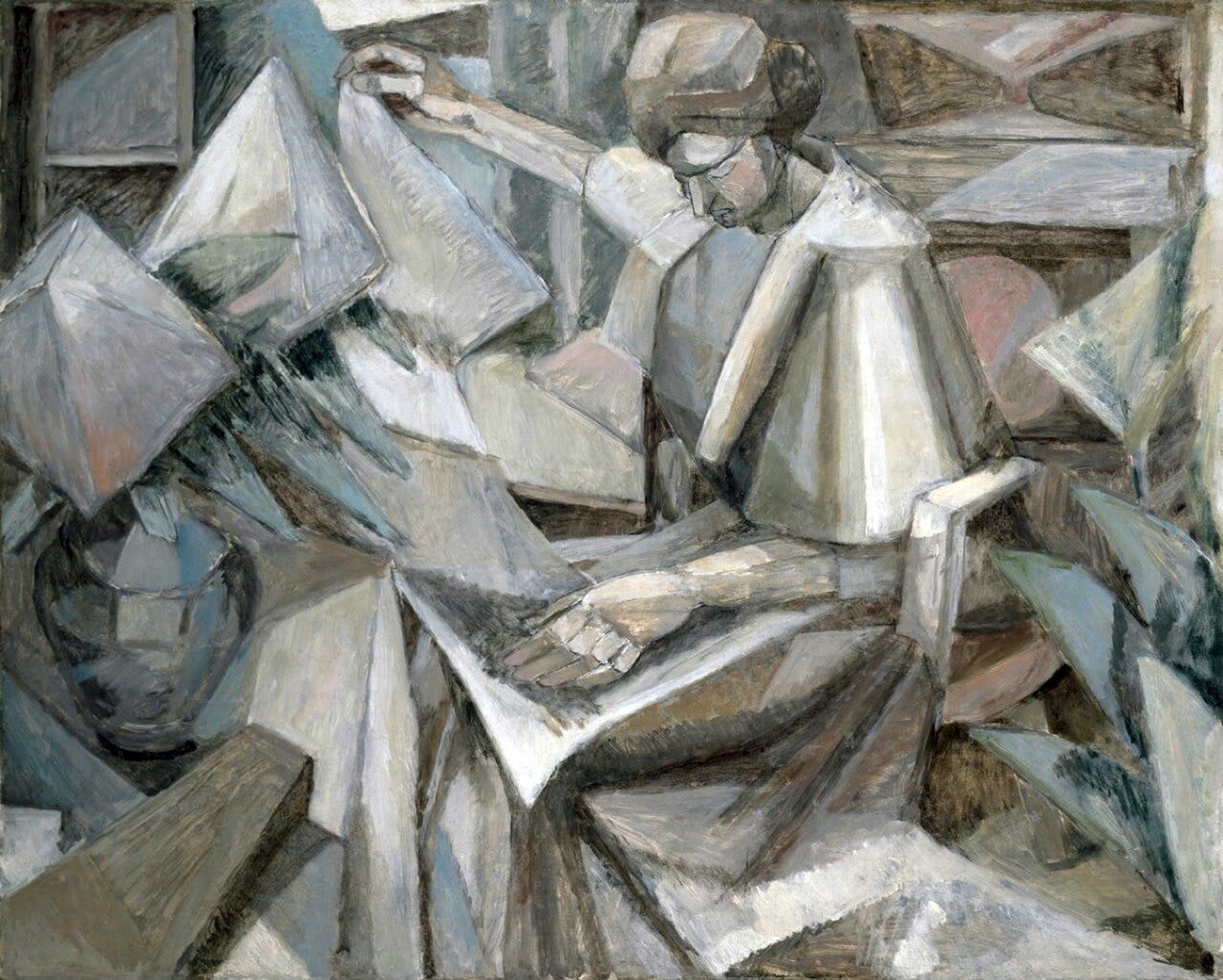
For 500 years, Western painting agreed on a polite fiction: that you stand in one spot, at one moment, and see the world through a single frozen window. Perspective made that fiction feel like truth.
Cubism called the bluff. It pointed out that real seeing is nothing like that. The eye moves, glances, remembers, assembles.
Experience of a thing is layered, fractured, built up from a hundred angles over time.
So Picasso and Braque painted that messier, truer way of knowing. It looks broken only because honesty, here, looks broken.
That makes Picasso and Braque two of the most fearless painters of the modern age.
If I had to point to the exact moment Western art broke open, it would be one canvas Picasso kept rolled up in his studio, half afraid of it.
Les Demoiselles d'Avignon, 1907. It cracked the single viewpoint that had ruled since the Renaissance, and nothing in art has stood still since.
Cezanne once told a young painter to treat nature by the cylinder, the sphere and the cone, a line that pushed Cubism toward pure form.
