
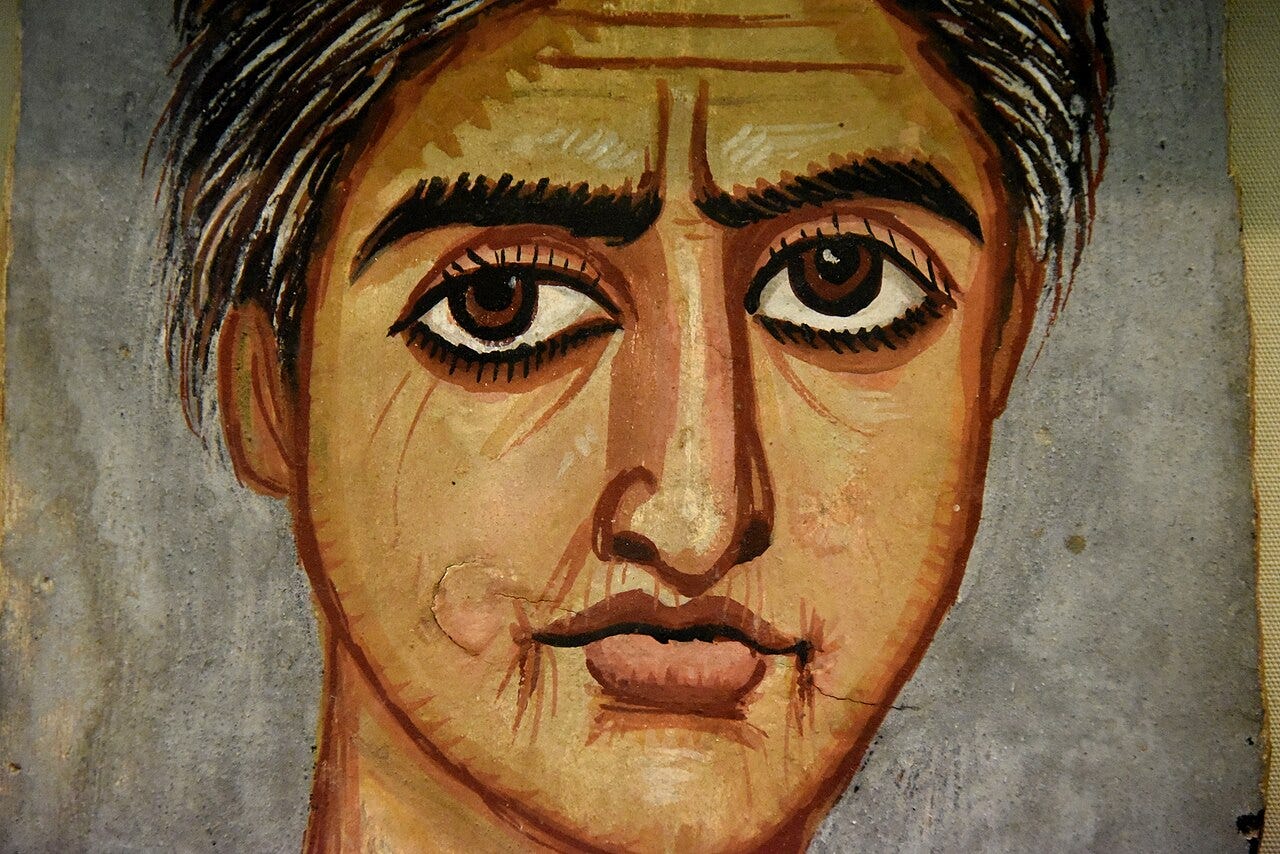
Encaustic is paint made by mixing pigment into hot, molten beeswax, then fusing it to the surface with heat. The name comes from the Greek for burned in. It is one of the oldest painting methods, and one of the most durable ever found.
Mix your pigment into hot beeswax, brush it on while it is still molten, and the color sets hard the instant it cools.
It looks like rich oil paint, yet it predates oil by more than a thousand years.
Encaustic, the essentials
What it is: pigment mixed into heated beeswax.
The name: from the Greek enkaustikos, burned in.
The method: keep the wax molten, paint fast, then fuse it with heat.
The high point: the Fayum mummy portraits of Roman Egypt.
The superpower: it barely ages.
Keep learning art the fun way


Painting with hot wax
Most paint is pigment held in a liquid binder. Encaustic uses wax.
The painter melts beeswax, stirs in pigment, and works while it is hot and fluid, because it stiffens the moment it cools. A heated tool then fuses each layer so the surface becomes one solid skin of colored wax.
Where tempera binds pigment in egg and gouache binds it in gum, encaustic binds it in wax. That single choice is why it lasts.
The faces that beat time
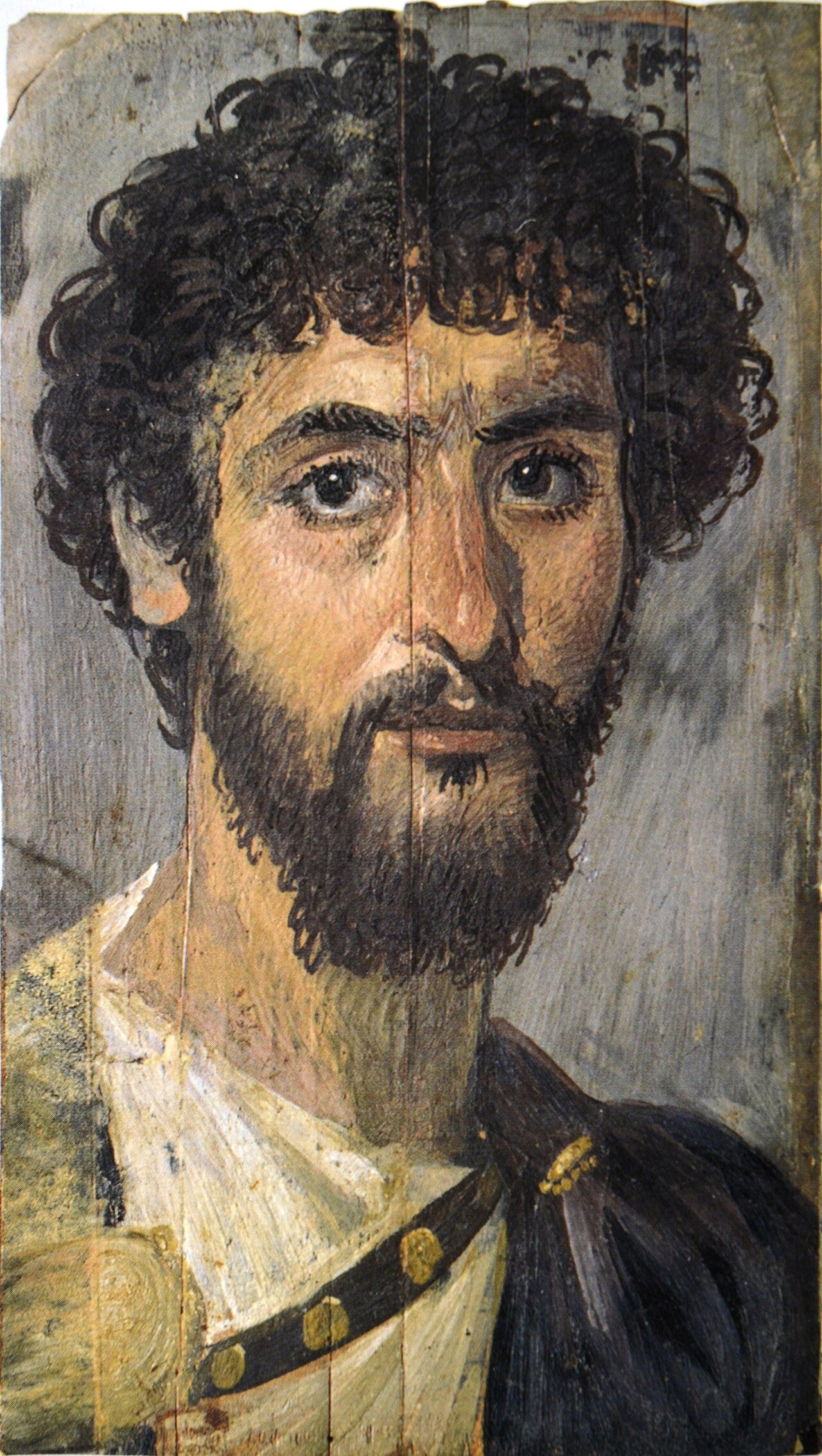
The greatest encaustic paintings are also among the oldest portraits on earth.
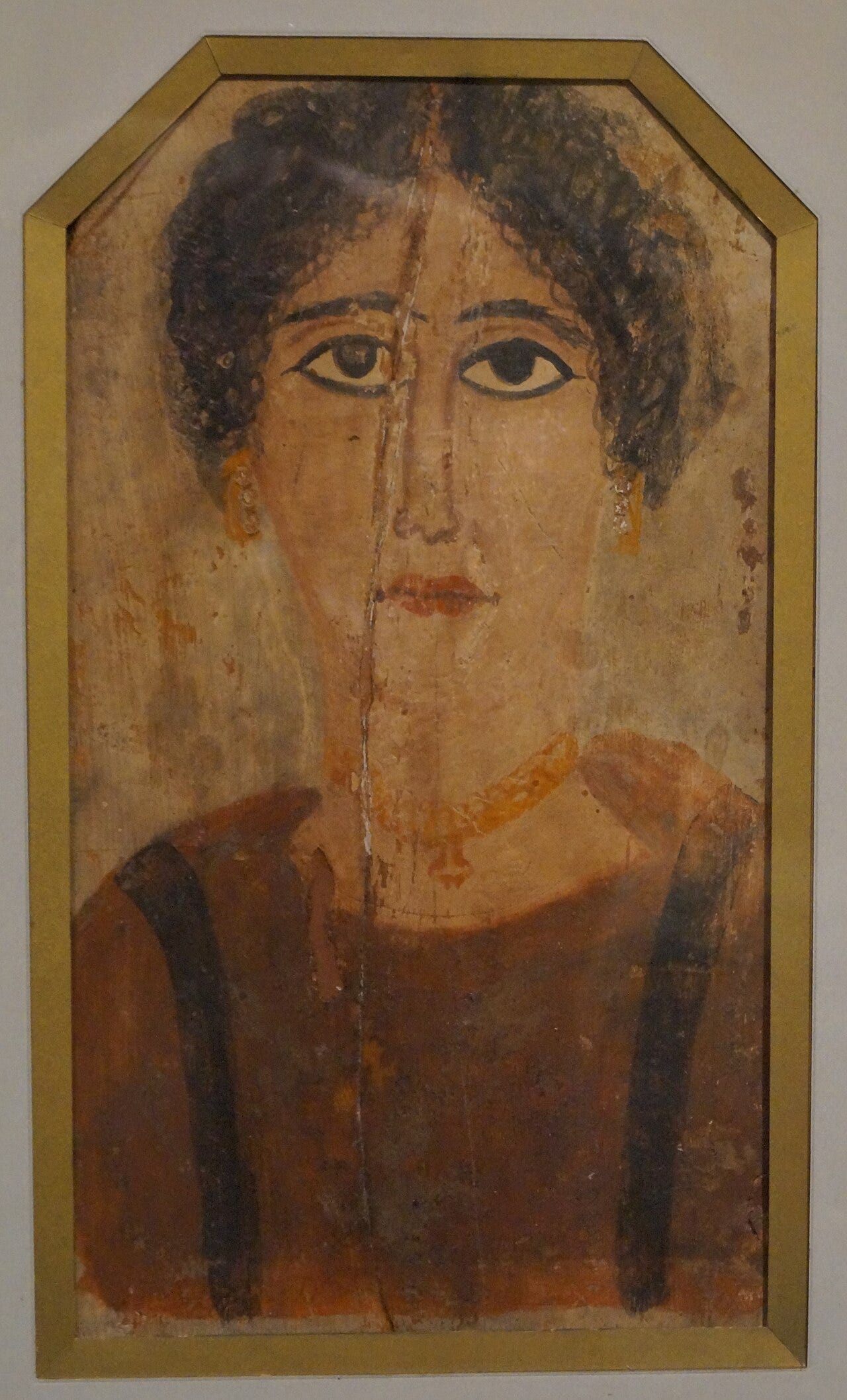
In Roman Egypt, between roughly the 1st and 3rd centuries, painters made startlingly lifelike portraits of the dead in encaustic on thin wooden panels. The panel was then bound into the mummy wrappings over the person's face.
They are known as the Fayum portraits, after the region where many were found. They look out at the viewer with wet eyes and soft skin, individual people, not types, across nearly two thousand years.
Why wax lasts
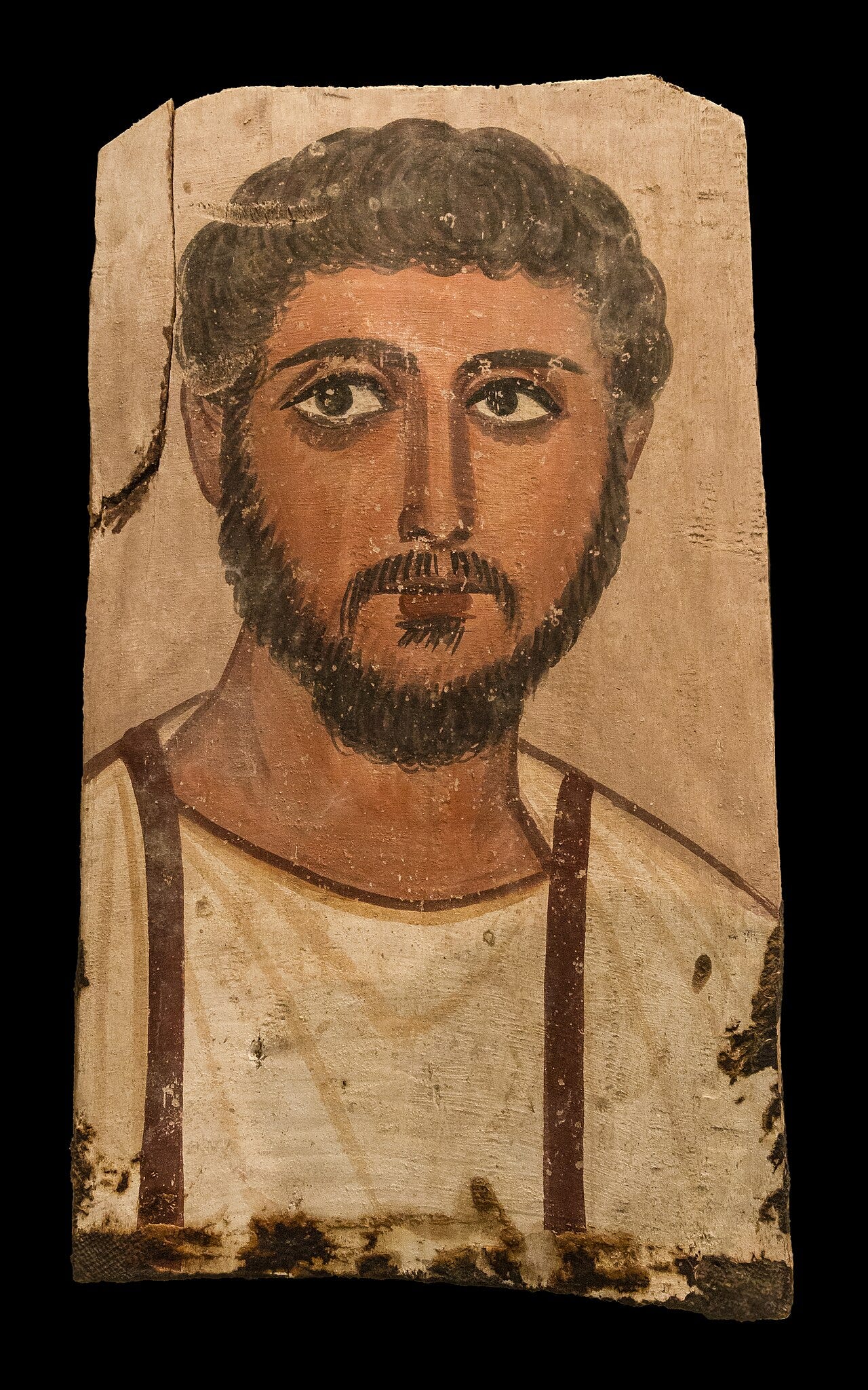
The Fayum faces look fresh because wax is almost indestructible.
Beeswax does not yellow the way oil does, and it does not crack and flake like many later paints. It shrugs off water and resists time.
Sealed in the dry Egyptian sand, those panels kept their color while painting on every other surface darkened or rotted.
It is the strangest fact I know in art history: some of the freshest faces in any museum are also the oldest.
Lost and found again
For all its strengths, encaustic almost disappeared.
It is slow and demanding. You need heat at every step, and the wax sets in seconds, so there is no leisurely blending. As tempera and then oil arrived, easier to handle and easier to blend, the wax method fell out of use for centuries.
It came back with a jolt in the 1950s, when Jasper Johns painted his Flag in encaustic, building it from strips of newspaper soaked in pigmented wax that set the instant they cooled.
The slow, stubborn method was suddenly modern again, and I love that its comeback owed nothing to nostalgia.
Encaustic, the questions I hear
What is encaustic painting? Paint made by mixing pigment into hot beeswax and fusing it with heat.
What does encaustic mean? It comes from the Greek enkaustikos, meaning burned in.
What are the Fayum portraits? Lifelike mummy portraits painted in encaustic in Roman Egypt, around the 1st to 3rd centuries.
Why does encaustic last so long? Beeswax does not yellow or crack and resists water, so the color stays fresh.
Is encaustic still used? Yes. Modern artists revived it for its texture and durability.
More secrets to unlock


The faces that outlived an empire
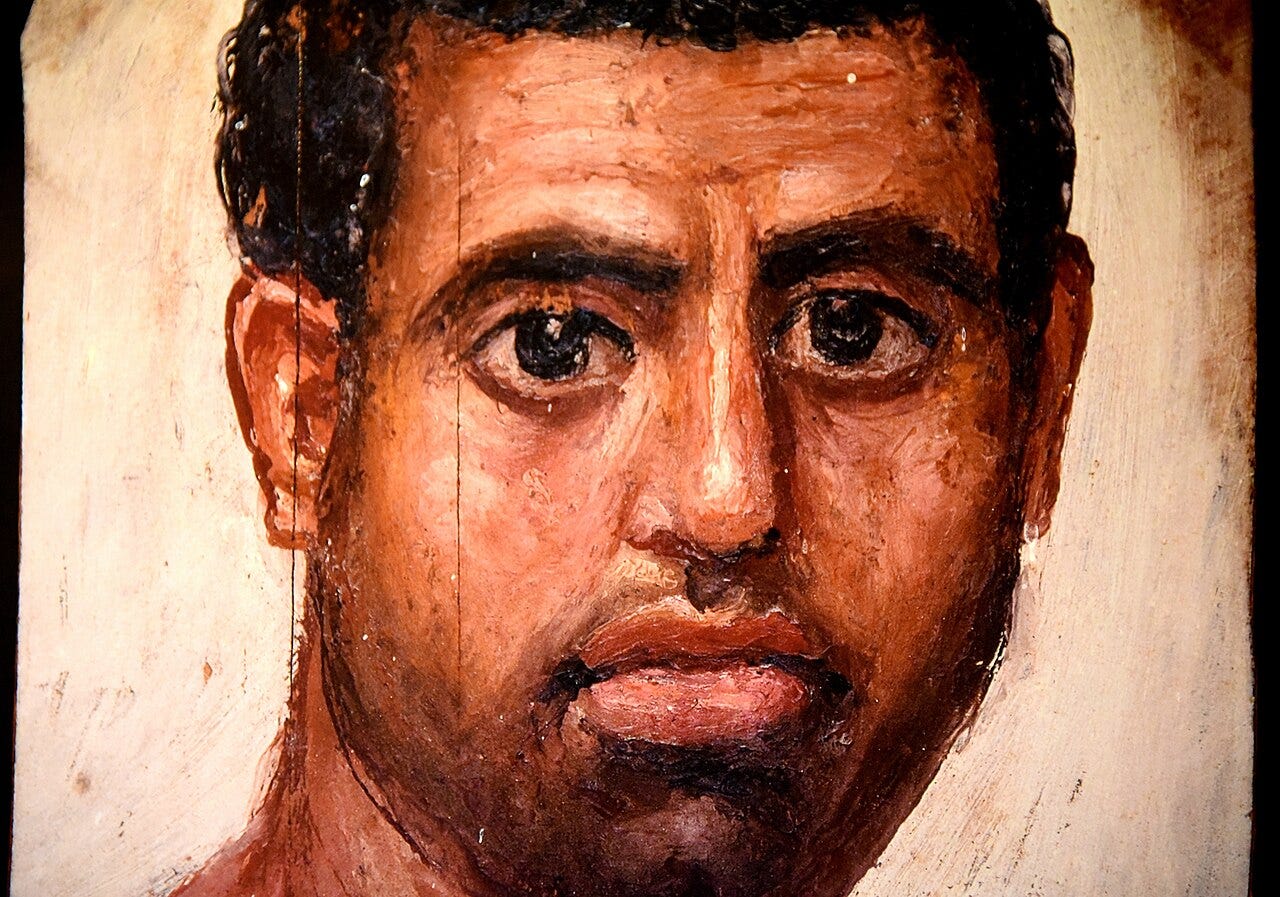
Stand in front of a Fayum portrait and the thing that stops me is not the age. It is the eye contact: a real person from Roman Egypt, looking back as if you had interrupted them.
Wax is why that is still possible. It does not yellow or crack the way other binders do, so the oldest recipe in painting turned out to be the toughest.
