
Realism is the mid 1800s movement that painted ordinary people and everyday life exactly as they were, with no flattery and no idealizing, treating a peasant or a laborer as worthy of a serious painting.
It is art that finally looked at the real world.
It rose in France around the 1840s, and it caused a scandal.
What I find bracing about Realism is that it was a political act disguised as a painting style.
It does not sound radical to paint a farmer or a road worker. But for centuries, serious painting was reserved for gods, kings, saints and heroes, the noble subjects.
When Realist painters gave a poor laborer the same huge canvas and dignity once reserved for emperors, they were making an argument: ordinary people matter.
To the comfortable middle class audience of the time, that felt like a threat.
Realism in one minute:
The time: mid 1800s, born in France around the 1840s.
The subject: ordinary working people and everyday modern life.
The rule: paint only what you can actually see, with no idealizing.
The enemy: the drama of Romanticism and the fantasy of academic art.
The leader: Gustave Courbet.
Cool Stories About Art is a newsletter to learn art the fun way.
Join 170,000+ readers and get:
10 new art stories / month
The entire archive of content (1,000+ articles)
Comment, ask questions, and chat with other readers
Keep learning art the fun way


What was Realism reacting against?
To understand it, you need to know what filled the galleries before.
Two things dominated. There was grand academic History painting, idealized scenes of myth and antiquity, all noble poses and perfect bodies.
And there was Romanticism, full of exotic drama, shipwrecks and high emotion. Both, in their way, escaped from ordinary life.
Realism said: enough. It turned, deliberately, toward everyday life painted plainly, the gritty real subject matter that shocked the polite audience for art.
It went hand in hand with naturalism, the drive to paint things closer to the way they actually look.
Gustave Courbet put it bluntly: show me an angel and I will paint one. Until then, only the visible, real world.
How to spot a Realist painting
Once you know the markers, it is clear. Look for:
Ordinary people. Peasants, workers, the urban poor, not gods or aristocrats.
Everyday settings. Fields, streets, cafes, third class train cars.
No idealizing. Real bodies, real tiredness, real dirt under the fingernails.
A sober, honest mood. Quiet dignity rather than drama or sentimentality.
Sometimes a huge scale. Courbet painted humble subjects at the size once reserved for history, on purpose.
Realism vs Romanticism
These two movements ran almost side by side, and they were opposites.
Romanticism escapes into emotion, the exotic, the dramatic and the imagined.
Realism stays put, in the ordinary, the local, the observed and the true.
The sentence to keep: Romanticism dreams, Realism looks. One paints the storm at sea, the other paints the man breaking stones by the road.
Courbet, Millet, Daumier
Three painters define Realism. Here are the three I would send you to first.
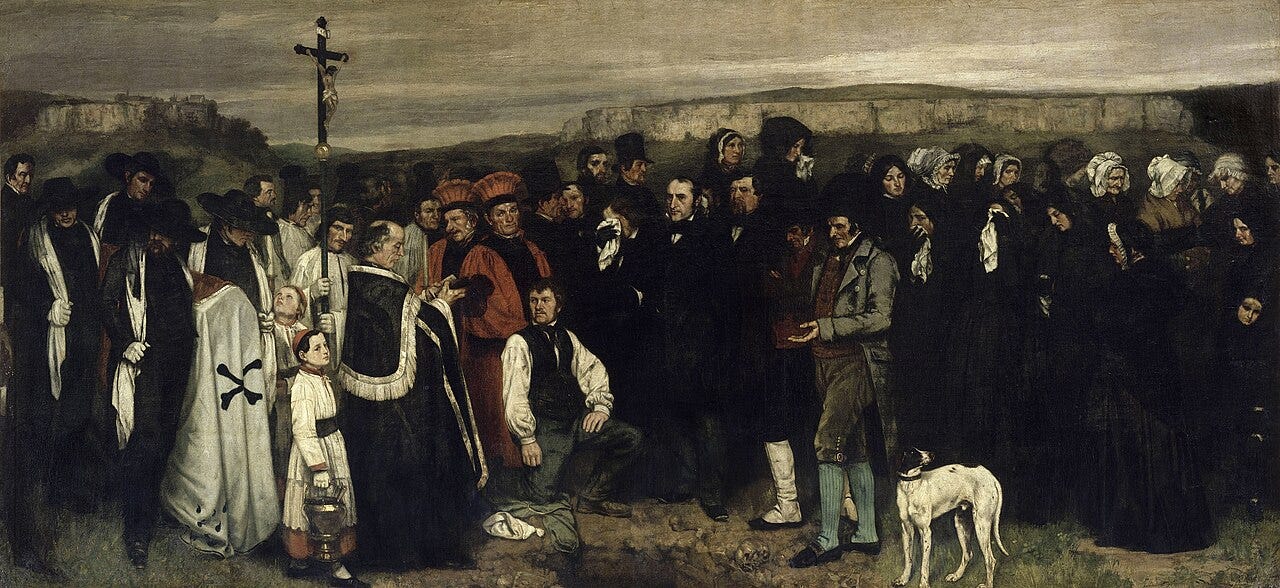
1. Gustave Courbet. The founder and the firebrand. His Burial at Ornans showed an ordinary village funeral on a canvas the size of a royal coronation, and Paris was outraged.
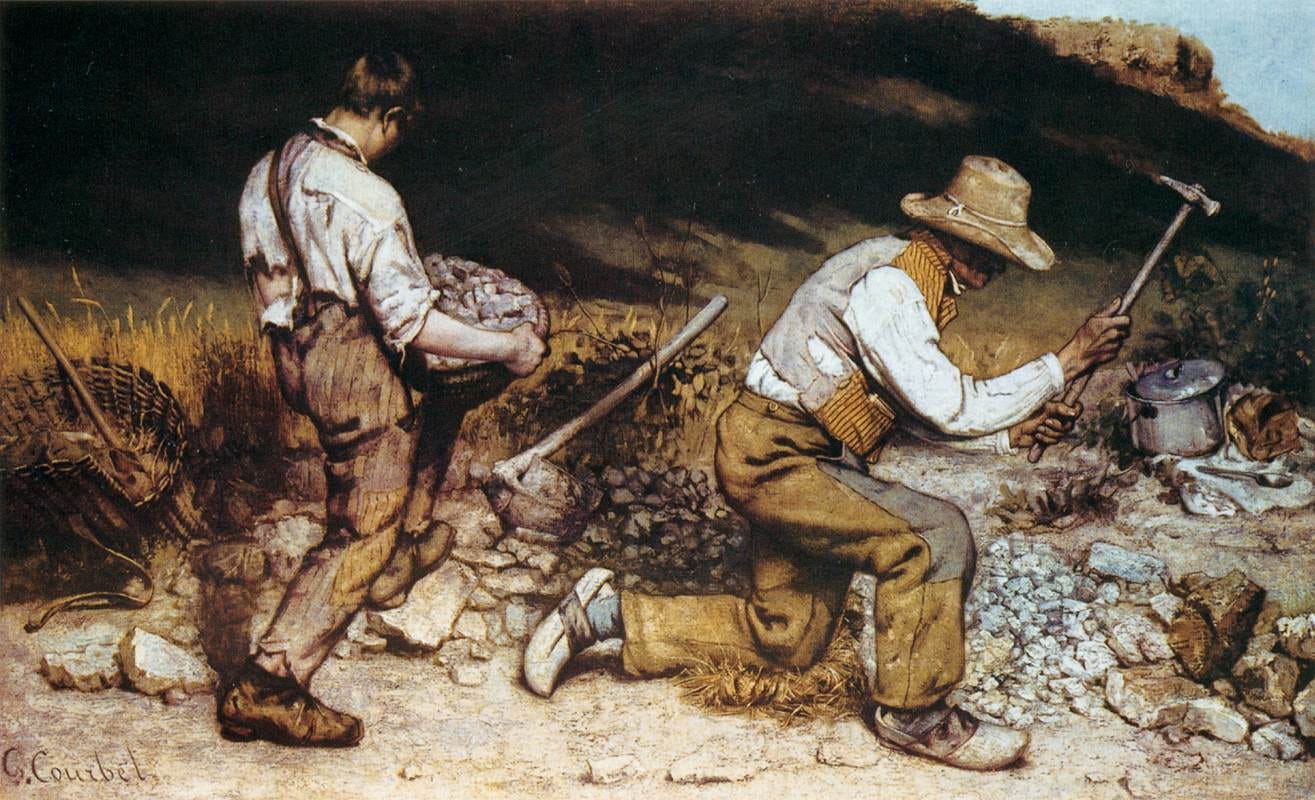
His Stone Breakers gave two road laborers that same serious weight, though the painting was destroyed in the 1945 bombing of Dresden and survives only in photographs.
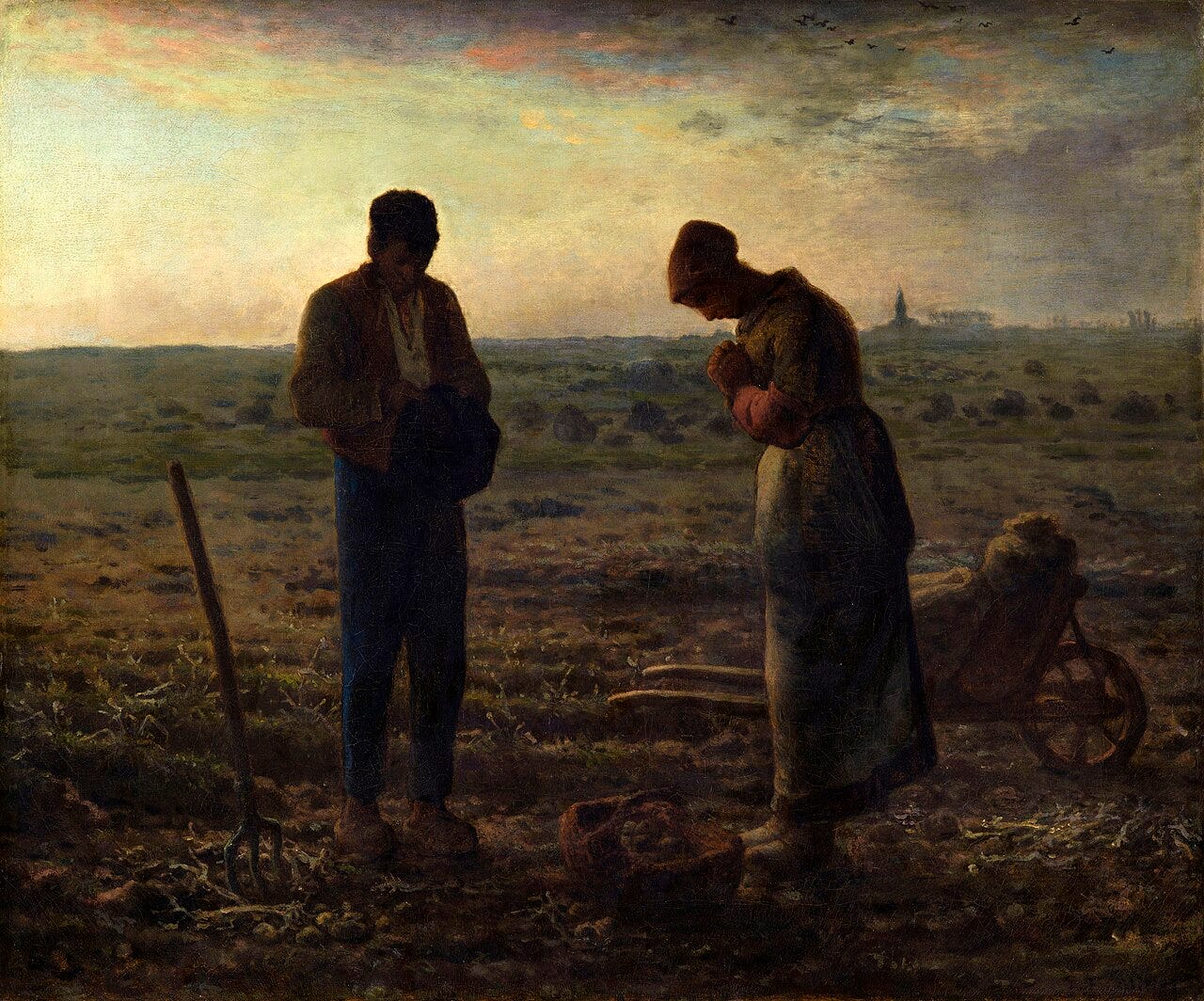
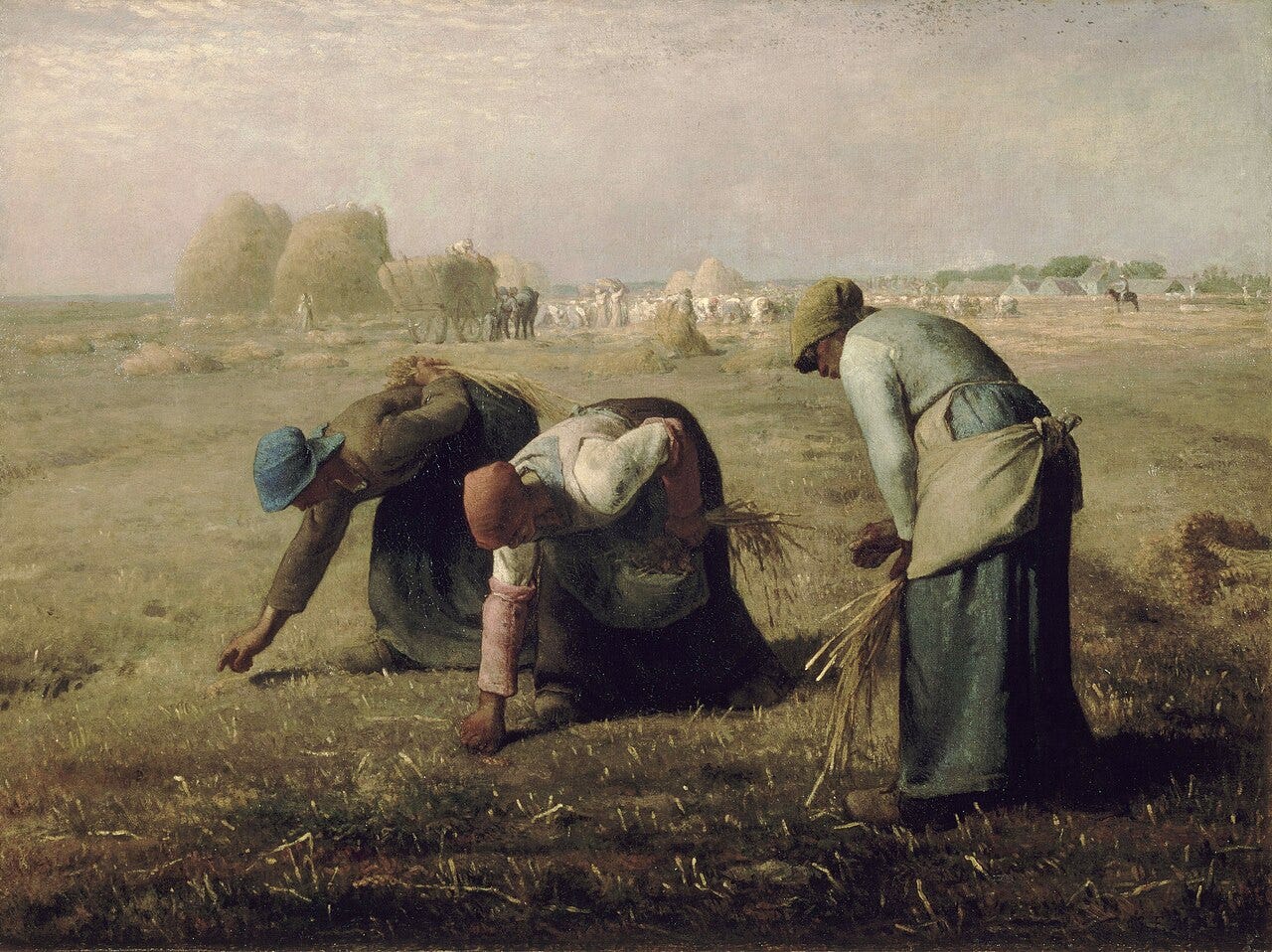
2. Jean François Millet. The painter of the peasant. His Gleaners and The Angelus show farm workers with a quiet, almost sacred dignity, hard labor seen as something noble rather than picturesque.
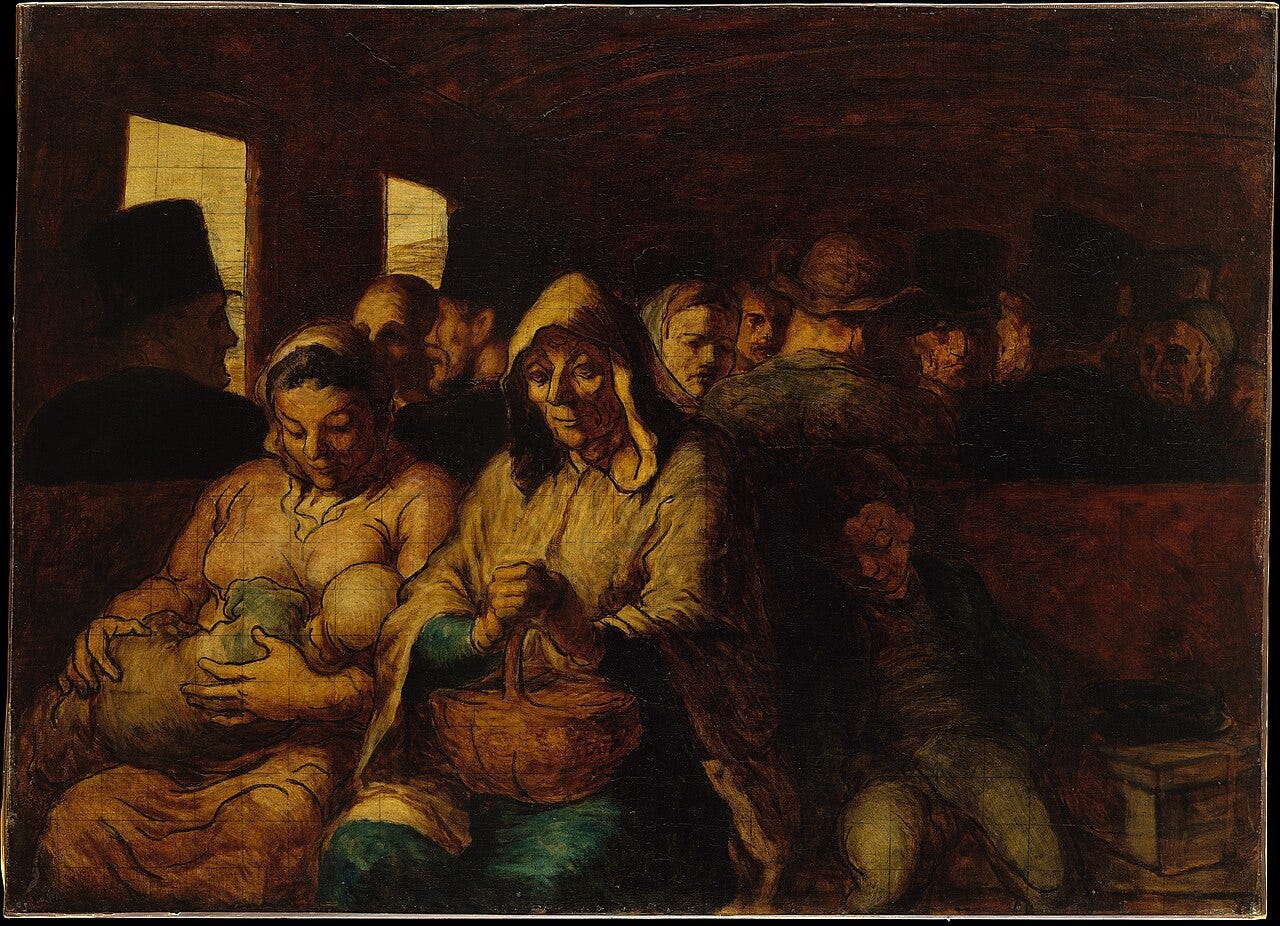
3. Honoré Daumier. The eye of the city. He painted the modern urban crowd, weary travelers in third class carriages, the poor and the overlooked, with deep human sympathy and a satirist’s sharpness.
Realism opened the door to modern art
Realism also changed what came next.
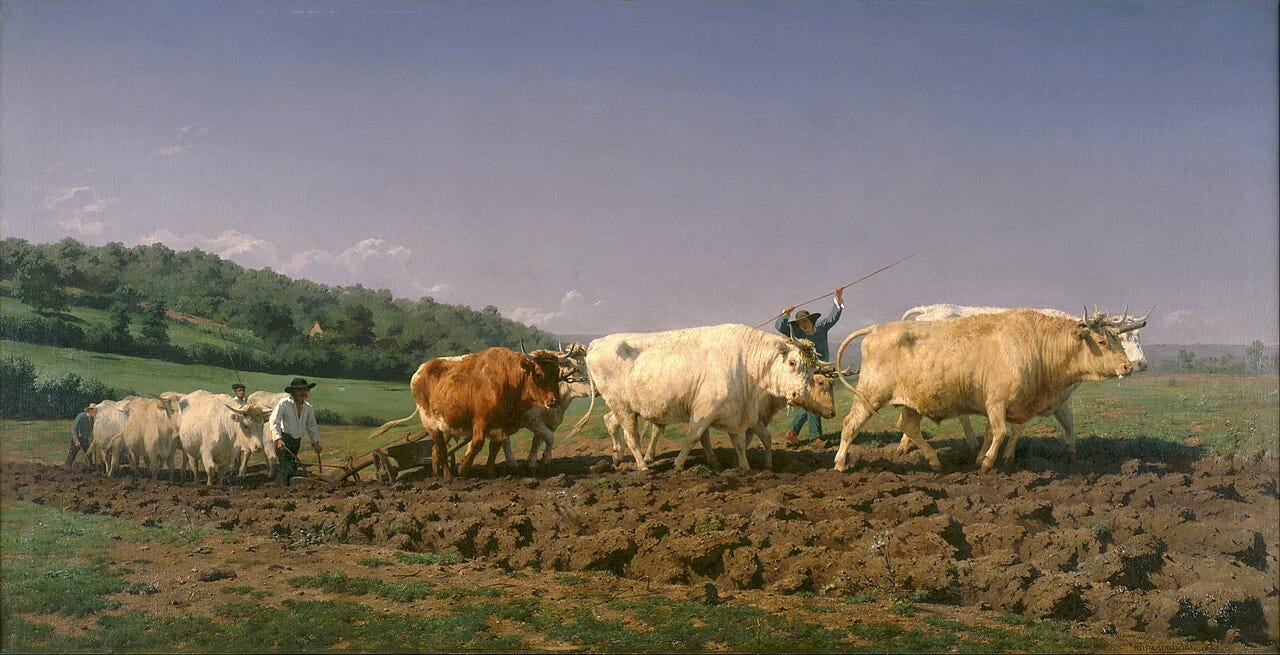
By insisting that real, modern, everyday life was a fit subject for serious art, Realism cleared the path for Impressionism. The Impressionists took the same democratic instinct, ordinary people, cafes, boating parties, train stations, and added their breakthrough in light and color.
Realism also pushed honesty so far that it provoked its own reaction. Some artists, hungry for dream and meaning again, swung toward Symbolism. In the chain of art movements, Realism is the hinge where painting turned to face the real, modern world.
Why Realism became the default
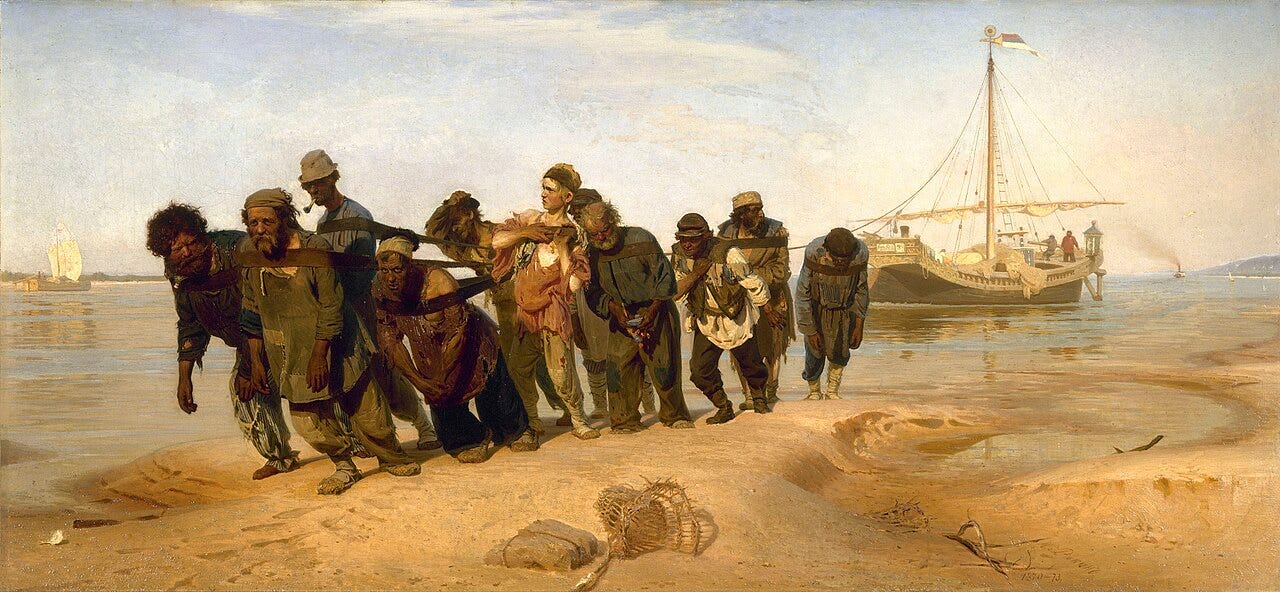
Realism's instinct is now everywhere.
Documentary photography. The honest image of ordinary lives and hard conditions is pure Realist DNA.
Social cinema. Films about working people, told without glamour, carry the exact Realist mission.
Photojournalism. The belief that the unvarnished real world is worth recording, and can change minds, started here.
So the once shocking idea that ordinary life deserves serious attention became the default of modern visual culture.
Edward Hopper carried that same commitment into the twentieth century American diner and street corner; his Nighthawks, the 1942 scene set inside an all night diner, gets its own close reading.
Where to see Realism
Go meet the real world on the wall.
The Musée d'Orsay, Paris. Courbet's Burial at Ornans, the heart of Realism.
The Louvre and Orsay. Millet's Gleaners and Angelus.
The Met, New York. Courbet, Millet and Daumier together.
The National Gallery, London. Realist and naturalist painting in context.
For the quick tour, I lay it out in understand realism in one minute.
If you want the whole movement in sixty seconds, I broke it down in understand realism in one minute.
Realism, the down to earth questions
What is Realism in art in simple terms? A mid 1800s movement that painted ordinary people and everyday life honestly, without idealizing or dramatizing them.
Who started Realism? The French painter Gustave Courbet led it, with the term coined in the 1840s by the writer Champfleury.
How is Realism different from Romanticism? Romanticism paints drama, emotion and the exotic. Realism paints the ordinary, observed world exactly as it is.
Why was Realism controversial? It gave poor, ordinary people the dignity and scale once reserved for kings and gods, which shocked its middle class audience.
How is Realism different from Naturalism? Both reject idealized subjects, but Realism carries a social edge, showing labor and poverty on purpose. Naturalism leans more on detached, almost scientific observation of ordinary life.
More secrets to unlock


Why paying attention mattered
Today any subject is taken to be worth an artist's attention. A tired commuter, a bowl of leftovers, a worker on a break. That idea had to be invented, and Realism invented it.
What the Realists grasped before almost anyone, and what still moves me, is that there is nothing more radical than paying real attention to what is in front of you.
No myth, no flattery, no escape. Just this person, this labor, this ordinary moment, taken seriously.
It sounds humble. It was pointed, and a little dangerous, because once you insist that ordinary people are worth looking at closely, you start to insist they matter.
In 1855, when the World's Fair jury rejected his work, Courbet built his own shed next door, hung a sign reading Du Realisme, and charged admission.
That makeshift Pavilion of Realism was the first solo show in modern art, a one man protest on behalf of ordinary life.
Courbet refused to paint anything he had not seen with his own eyes, a rule behind twelve famous Realist paintings built to prove it.
