
Impressionism is the art of the fleeting moment: capturing light, color and atmosphere with quick, visible brushstrokes, often painted outdoors in front of the real scene. It is painting how a moment feels, not how it looks up close.
It exploded in Paris in the 1870s, and at first everyone hated it.
Here is what surprised me when I first read the original reviews: people did not just dislike Impressionism, they were offended by it.
Impressionism was a scandal before it was a treasure.
These painters threw out the smooth, polished finish the art world demanded. They left brushstrokes raw and visible, painted ordinary modern life instead of gods and kings, and chased the way light flickers on water for a single passing minute.
Critics were appalled. Today those same canvases are among the most beloved on earth.
Impressionism in one minute:
The idea: capturing a fleeting moment of light and color, not a polished, detailed scene.
The look: loose, visible brushstrokes, bright color, everyday subjects.
The method: painting outdoors (en plein air), fast, in front of the real view.
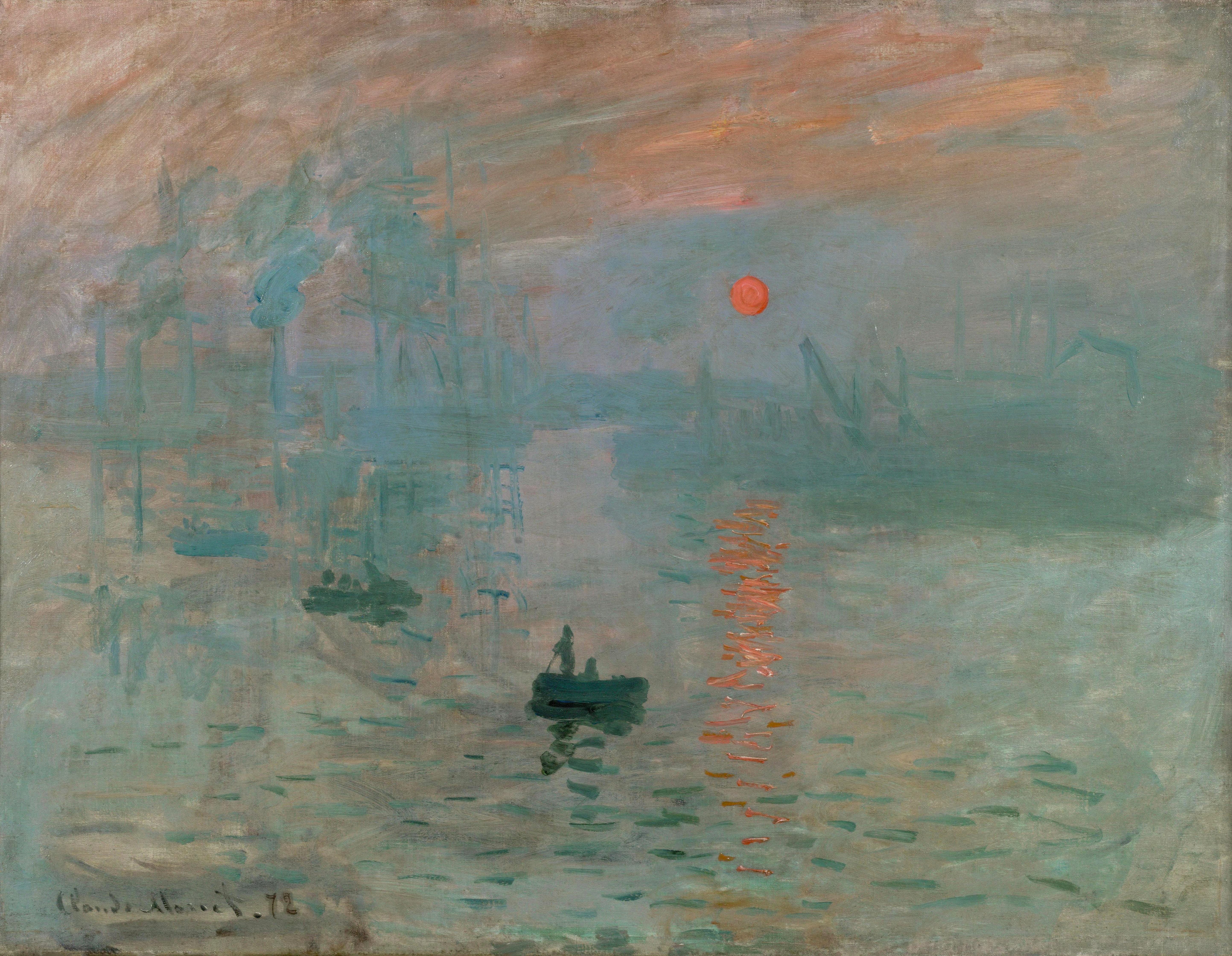
The name: from Monet’s painting Impression, Sunrise, used as an insult in 1874.
The stars: Monet, Renoir, Degas, Pissarro and Berthe Morisot.
Keep learning art the fun way


Where does the name Impressionism come from?
From an insult, like so many great movements.
In 1874, a group of rejected painters held their own independent exhibition in Paris, outside the official Salon. One of Monet's canvases, painted in 1872, was titled Impression, Sunrise: a hazy harbor at dawn, painted so loosely it looked unfinished.
A critic named Louis Leroy seized on it and mockingly called the whole show Impressionist, as if these were mere sketches, not real paintings.
The artists kept the name. The joke became a banner.
What made Impressionism so radical?
It broke almost every rule at once.
For centuries, serious painting meant smooth surfaces, invisible brushwork, noble subjects and careful studio finish. The Impressionists tore that up.

They painted with broken, visible dabs of color, and worked outdoors, fast, to catch the light before it changed.
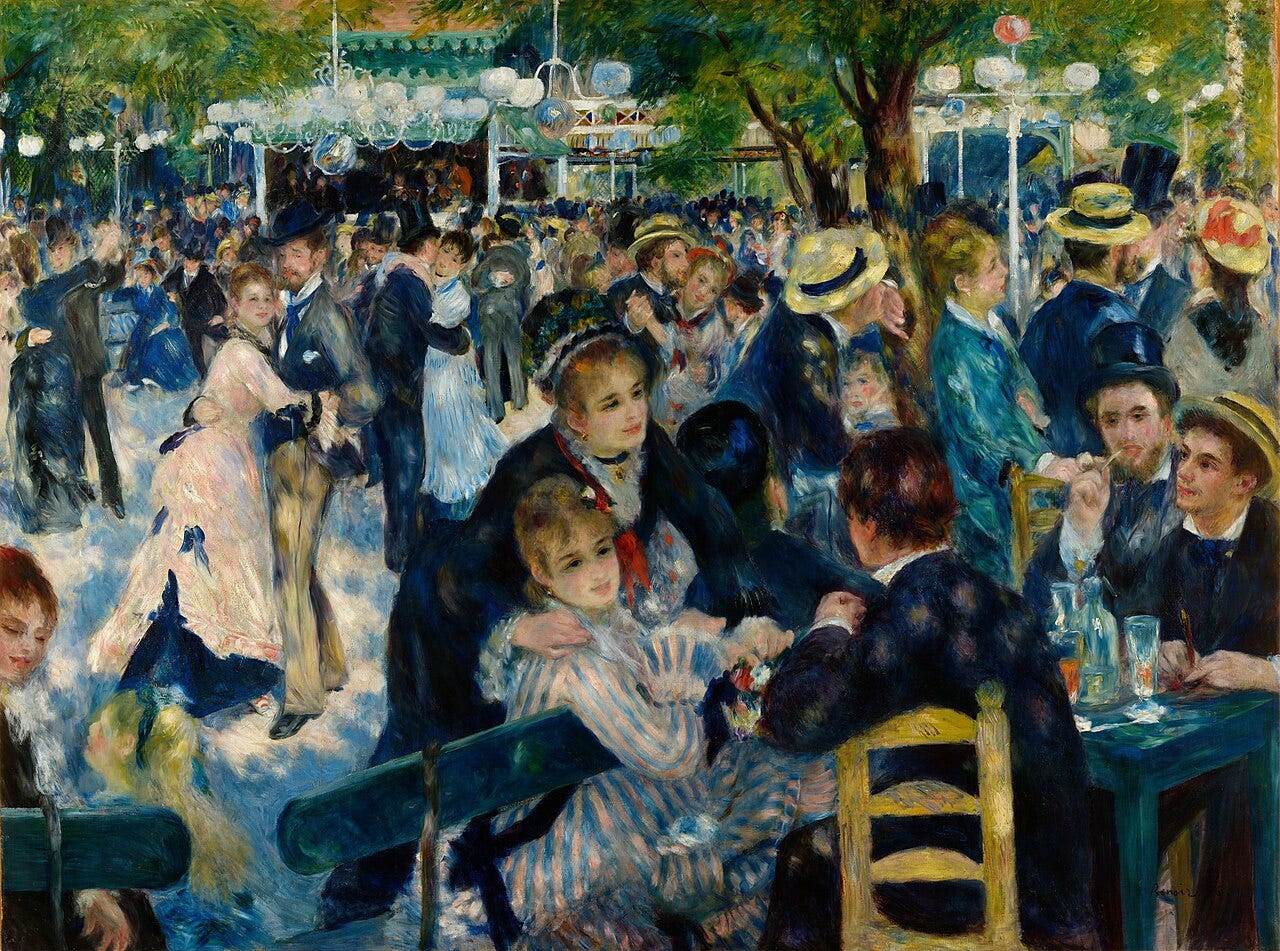
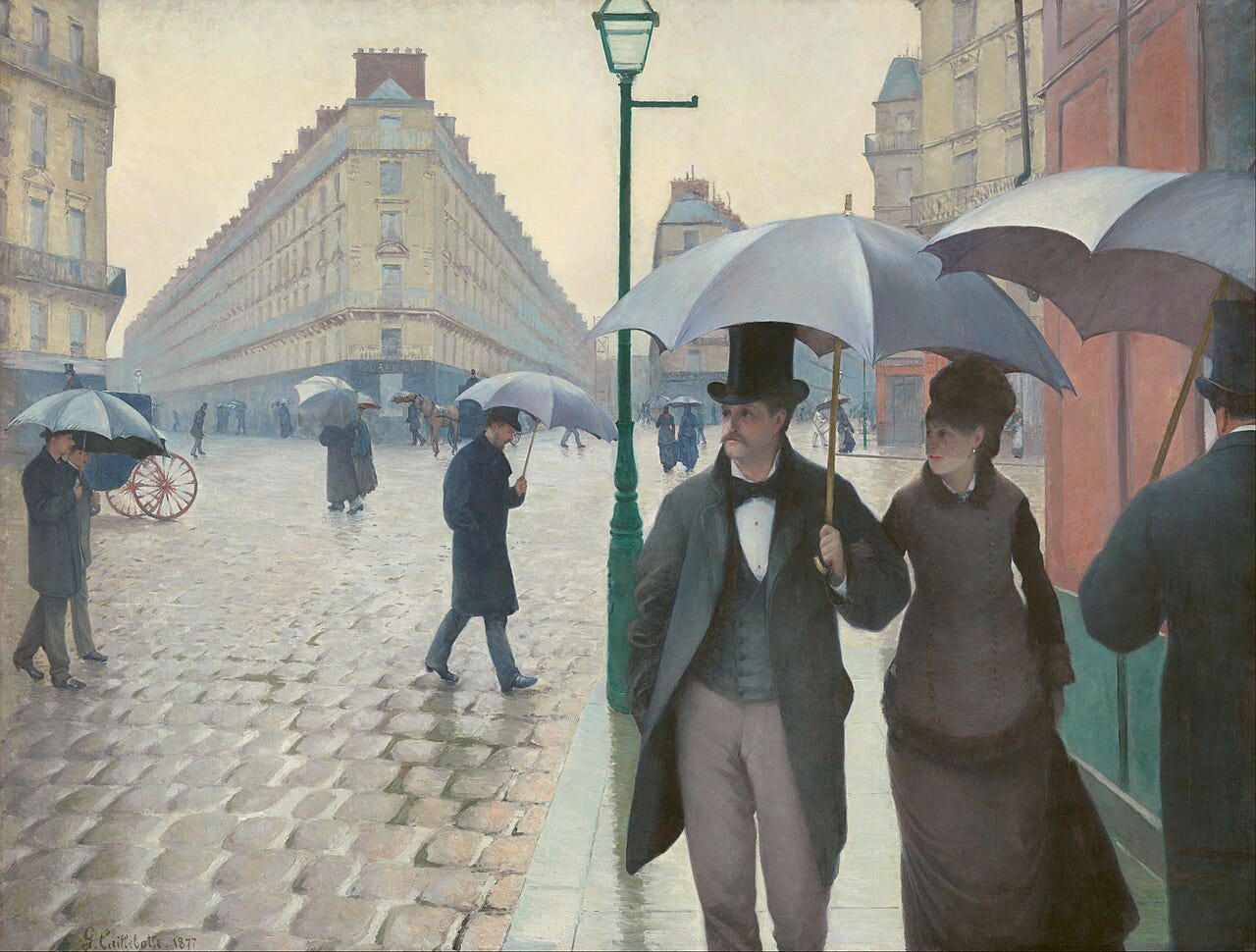
They painted train stations, cafes, riverside picnics and ordinary people, and let the whole scene look spontaneous and unfinished.
One quiet invention made it possible: paint in portable metal tubes, which finally let artists leave the studio and paint nature on the spot.
Impressionism vs what came before
Here is the clean contrast.
Academic painting wanted polish and permanence: smooth, detailed, idealized, made in the studio over months.
Impressionism wanted truth to the moment: quick, rough, bright, made outdoors in hours, chasing light as it actually behaves.
The sentence to keep: the old masters painted what they knew was there, the Impressionists painted what the eye sees in a single glance.
Just before them came Realism, which painted ordinary life plainly and honestly.
Who were the Impressionists?
A loose band of friends who changed art by exhibiting together.
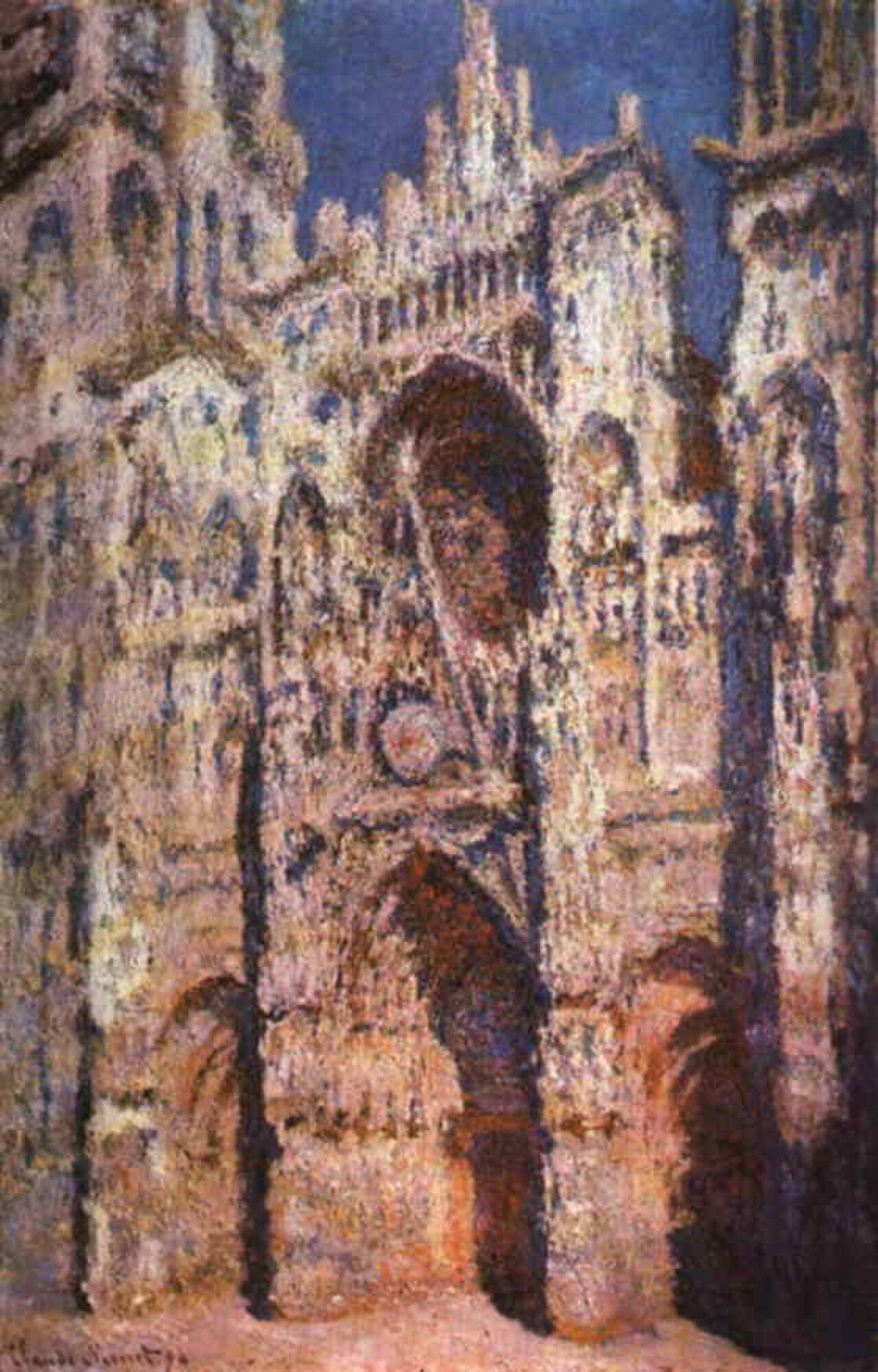
Claude Monet was the purest of them, obsessed with light. He painted the same haystacks, cathedral and water lilies again and again, just to catch how the light changed them.
Whether he truly started the movement is its own question, one I find genuinely open.
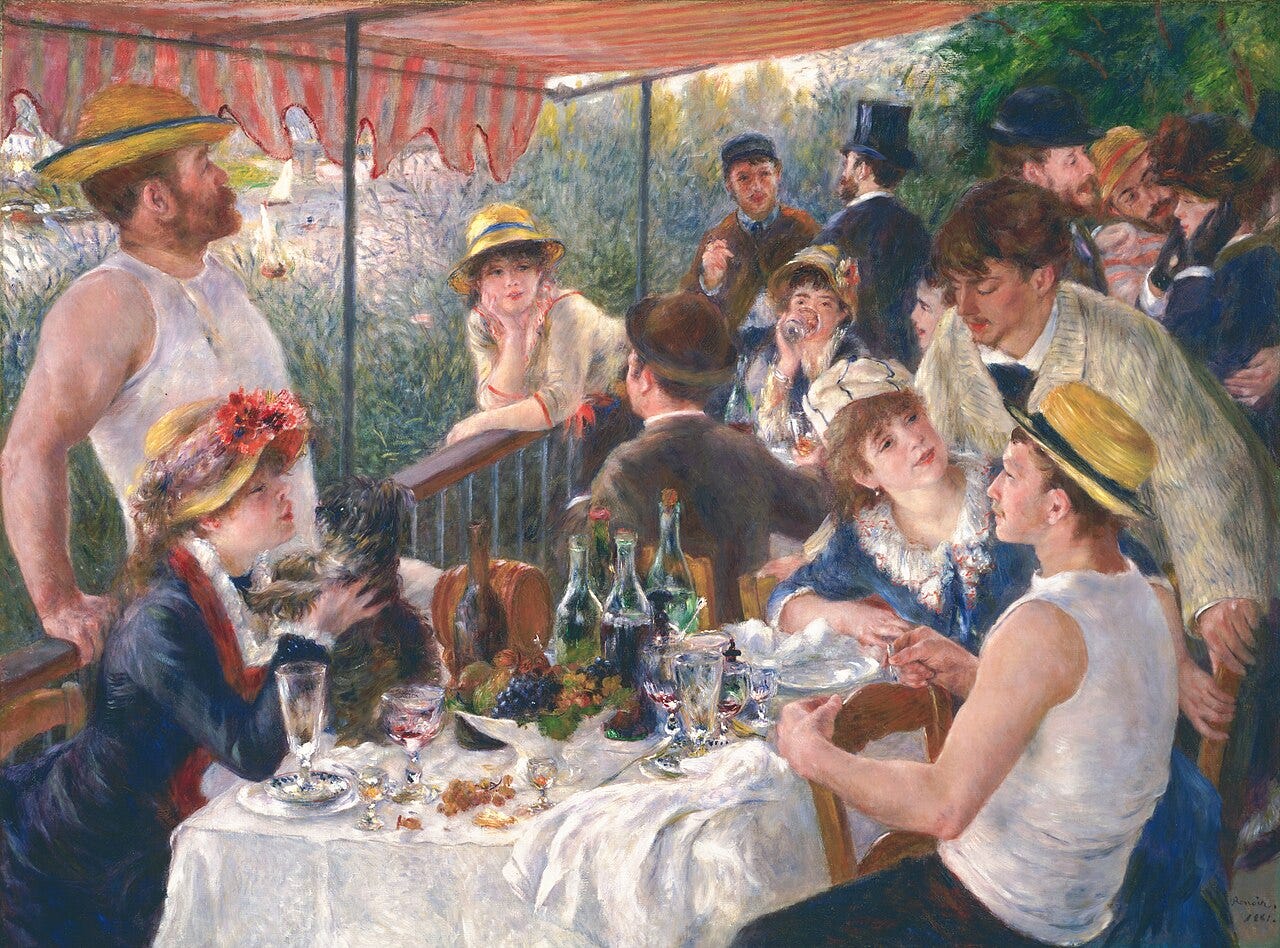
Pierre Auguste Renoir painted joy, sunlight and crowds glowing with life, as in his Luncheon of the Boating Party.
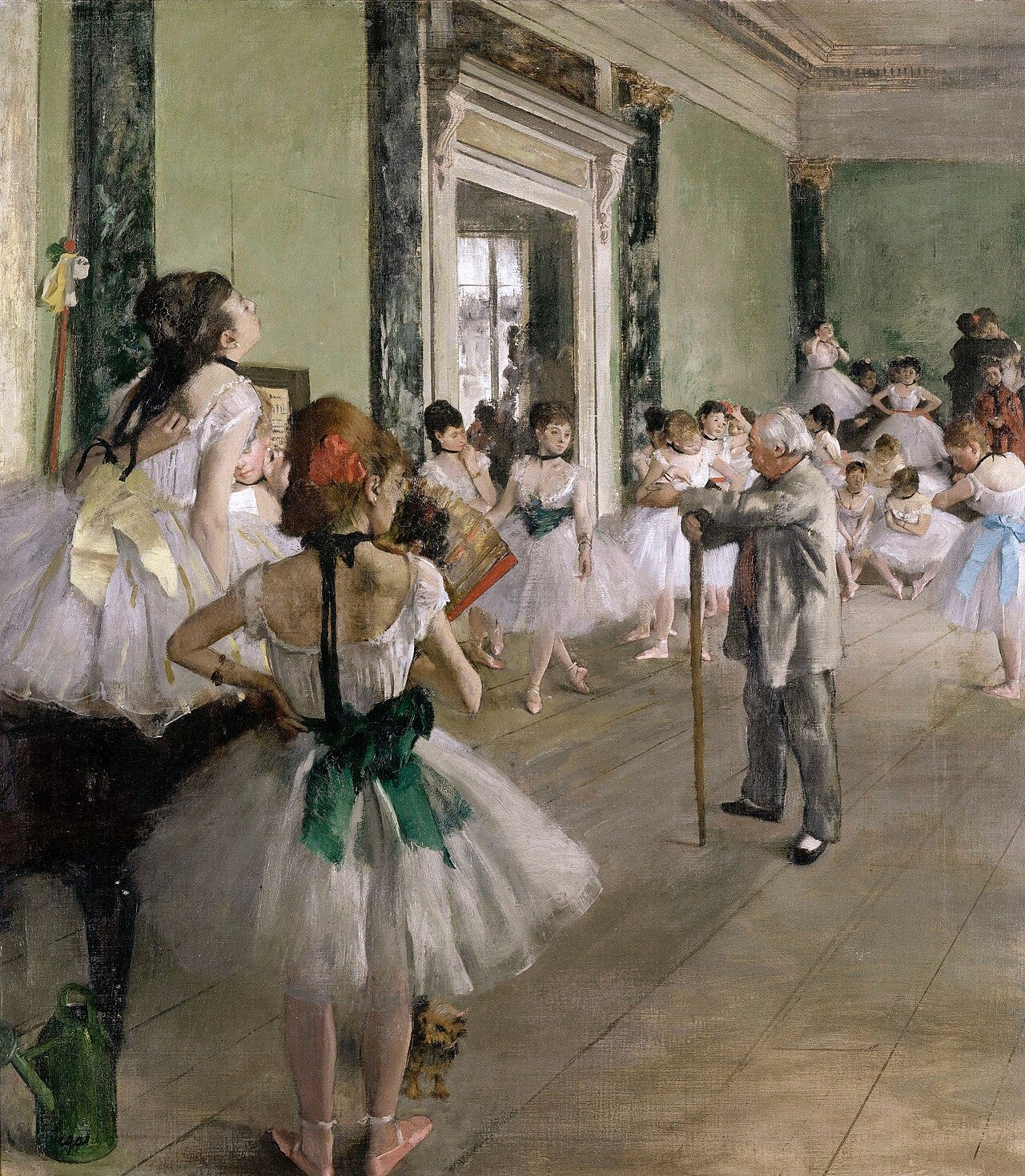
Edgar Degas caught movement, especially ballet dancers, from strange, modern, snapshot angles.
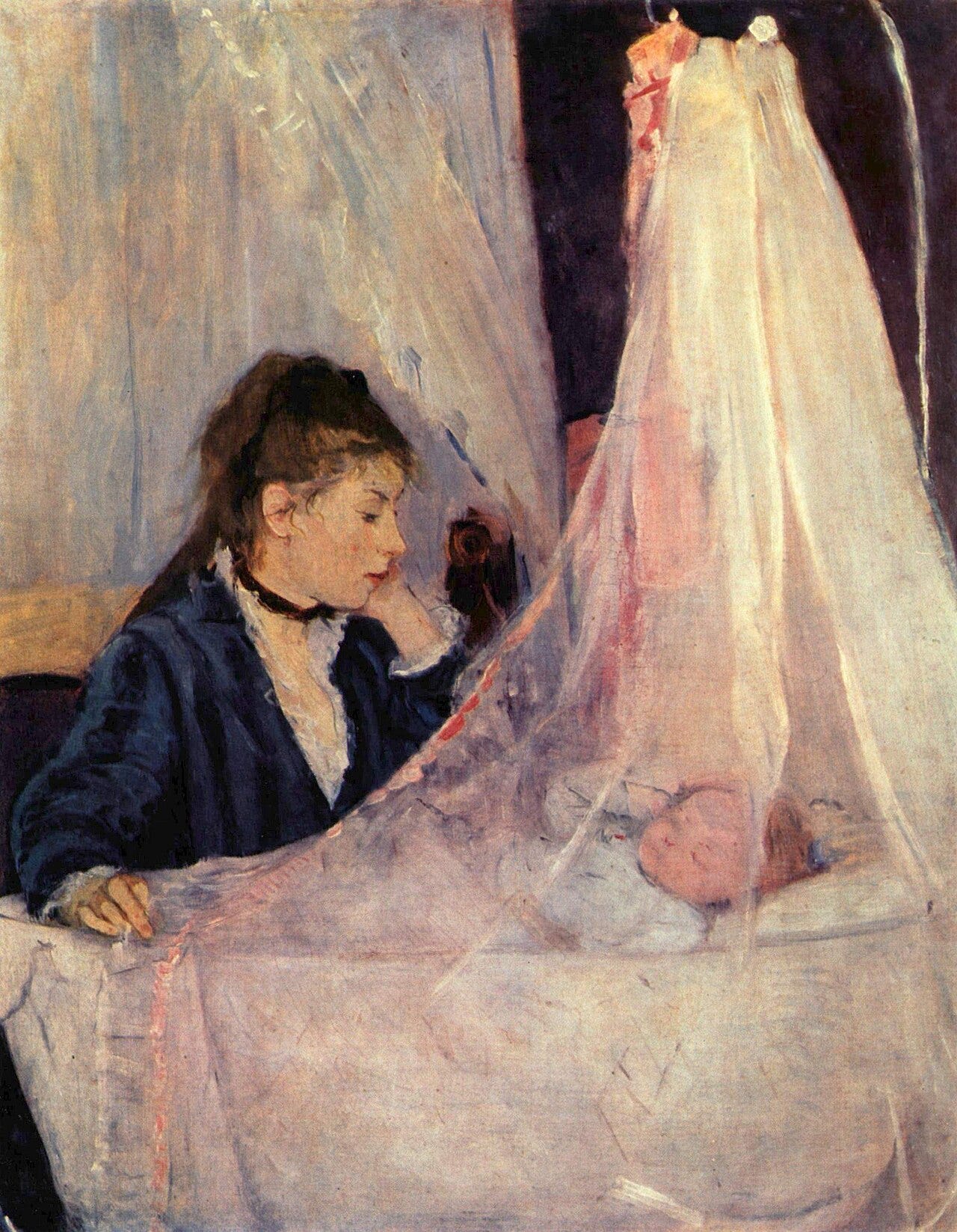
Berthe Morisot was one of the movement's founders and finest painters, and to my mind the one most unfairly left out of the story.
How Impressionism became the default look
The Impressionist way of seeing became the default.
Anytime an image values mood and light over sharp detail, that is the Impressionist instinct.
Phone photography. The blurred, glowing “golden hour” shot everyone loves is pure Impressionism with a lens.
Film and animation. Soft, light filled, atmospheric scenes built for feeling over precision.
Plein air and casual painting. The entire idea that you can paint quickly, outdoors, to catch a mood, is their gift.
So when a photo wins you over with light instead of sharpness, thank Monet.
The museums where Impressionism lives
This art glows in person in a way no screen captures. Go look.
The Musee d'Orsay, Paris. The greatest collection on earth. Monet, Renoir, Degas, Morisot, all in one place.
The Musee Marmottan Monet, Paris. Home of Impression, Sunrise, the painting that named the movement.
The Art Institute of Chicago. An astonishing Impressionist collection, including Monet's haystacks.
The National Gallery, London. Strong Impressionist rooms in the heart of the city.
Impressionism, the light questions
What is Impressionism in simple terms? A style that captures a quick impression of a scene, focusing on light and color with loose, visible brushstrokes, often painted outdoors.
Where does the name come from? From Monet’s painting Impression, Sunrise, which a critic mocked in 1874, giving the movement its name.
Who are the most famous Impressionists? Claude Monet, Pierre Auguste Renoir, Edgar Degas, Camille Pissarro and Berthe Morisot.
Why was Impressionism controversial? It rejected the smooth finish and noble subjects the art world demanded, painting ordinary life with rough, visible brushwork.
Why was Impressionism controversial at first? Critics mocked its loose, unfinished look and its everyday subjects. The name itself came from a sneering 1874 review of the Monet canvas Impression, Sunrise.
More secrets to unlock


Painting a single breath of light
For centuries, painting tried to freeze the world into something permanent and polished, with every trace of the hand smoothed away.
The Impressionists chased something more fragile: the glance, the flicker of light on water, the look of a single passing minute.
That is why a Monet still stops me, every time. It shows what a place felt like for one breath, as the light moved.
Monet’s Impression, Sunrise, the canvas that gave the movement its name, hangs at the Musee Marmottan Monet in Paris, where thieves stole it in 1985 and police recovered it five years later.
Where Impressionism stops and Post Impressionism begins is explained here.
