
Surrealism is the art of the unlocked subconscious: dreams, melting clocks, impossible scenes and irrational images pulled straight from the sleeping mind. It is reality rearranged by a dream. Rene Magritte took that logic furthest with a bowler hatted man and a floating green apple, a picture called The Son of Man.
It began as a movement in 1920s Paris, and it set out to overthrow logic itself.
Here is what I wish more people knew: Surrealism was never meant to be weird for the sake of weird.
It was a deadly serious revolt. After the slaughter of the First World War, a group of artists decided that reason and logic had failed humanity.
So they turned to the one place reason could not control: the dreaming, irrational subconscious. The strangeness is the point. It is the mind off its leash.
Surrealism in one minute:
The idea: art that expresses the subconscious, dreams and the irrational.
The birth: Paris, 1924, with Andre Breton’s Surrealist Manifesto.
The methods: automatic drawing, dream imagery, ordinary objects made strange.
The stars: Salvador Dali, Rene Magritte, Max Ernst, Joan Miro.
Its roots reach back to the hidden dream logic of Symbolism.
Keep learning art the fun way


What does surrealism actually mean?
The word means “beyond reality” (sur plus realism).
Surrealism was a movement of writers and artists experimenting with ways of unleashing the subconscious imagination.
The term was coined by the poet Guillaume Apollinaire in 1917, though he meant it in a looser sense than the movement later would.
It was the writer Andre Breton who turned it into a movement, defining it in his 1924 manifesto as pure thought, expressed with no control from reason, no concern for beauty or morality.
In plain words: shut off the logical mind, and let whatever is underneath pour out.
Where did surrealism come from?
From a loss of faith in reason, and a fascination with Freud.
The Surrealists were obsessed with the new science of psychoanalysis. Sigmund Freud had argued that the real engine of the mind was the hidden subconscious, revealed in dreams and slips. The Surrealists took that as a map and went exploring.
They invented techniques to bypass the conscious mind. Automatic drawing, made without planning. The exquisite corpse, a game of blind collaborative drawing.
Frottage, rubbing textures to spark images. The goal was always the same: get reason out of the way and let the unconscious speak.
One of the movement’s sharpest minds was the Belgian Rene Magritte, who made ordinary objects, a pipe, an apple, a bowler hat, feel suddenly uncanny and impossible. His strange world has a story of its own: The Magritte River Tragedy.
Surrealism had ancestors
The dream logic did not appear from nowhere.
Centuries earlier, painters were already conjuring nightmares and impossible visions.
Hieronymus Bosch filled the 1500s with hellscapes and bizarre hybrid creatures that look startlingly surreal today.
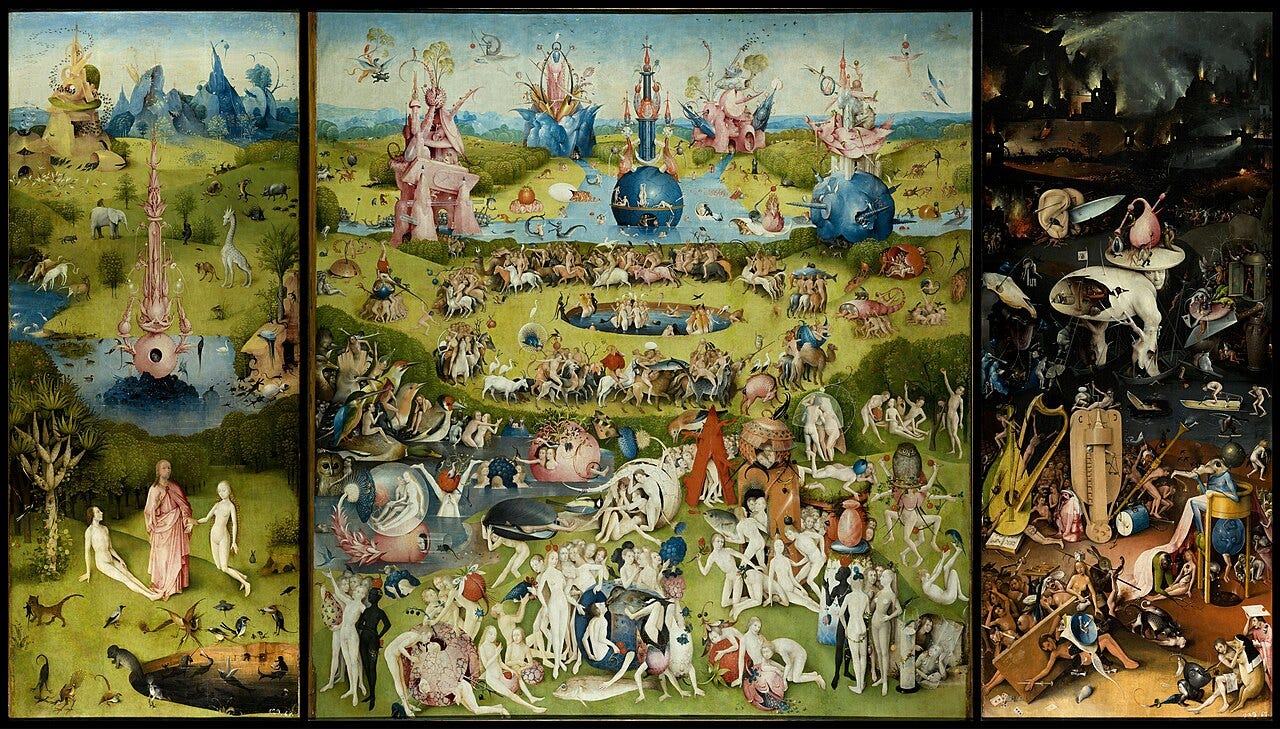
His triptych The Garden of Earthly Delights, painted around 1500 and now in the Prado, reads like a direct ancestor of the movement, four centuries early.
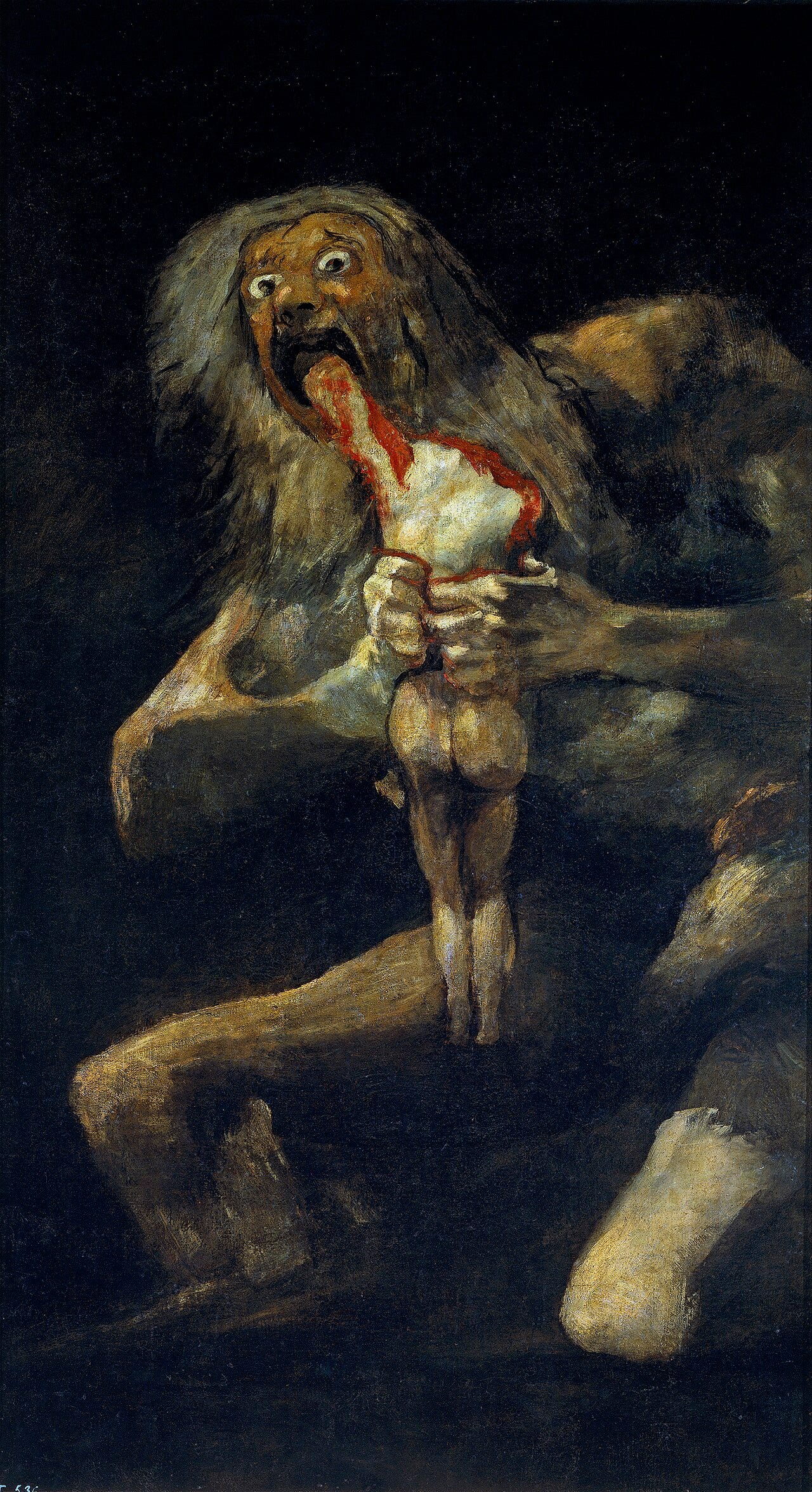
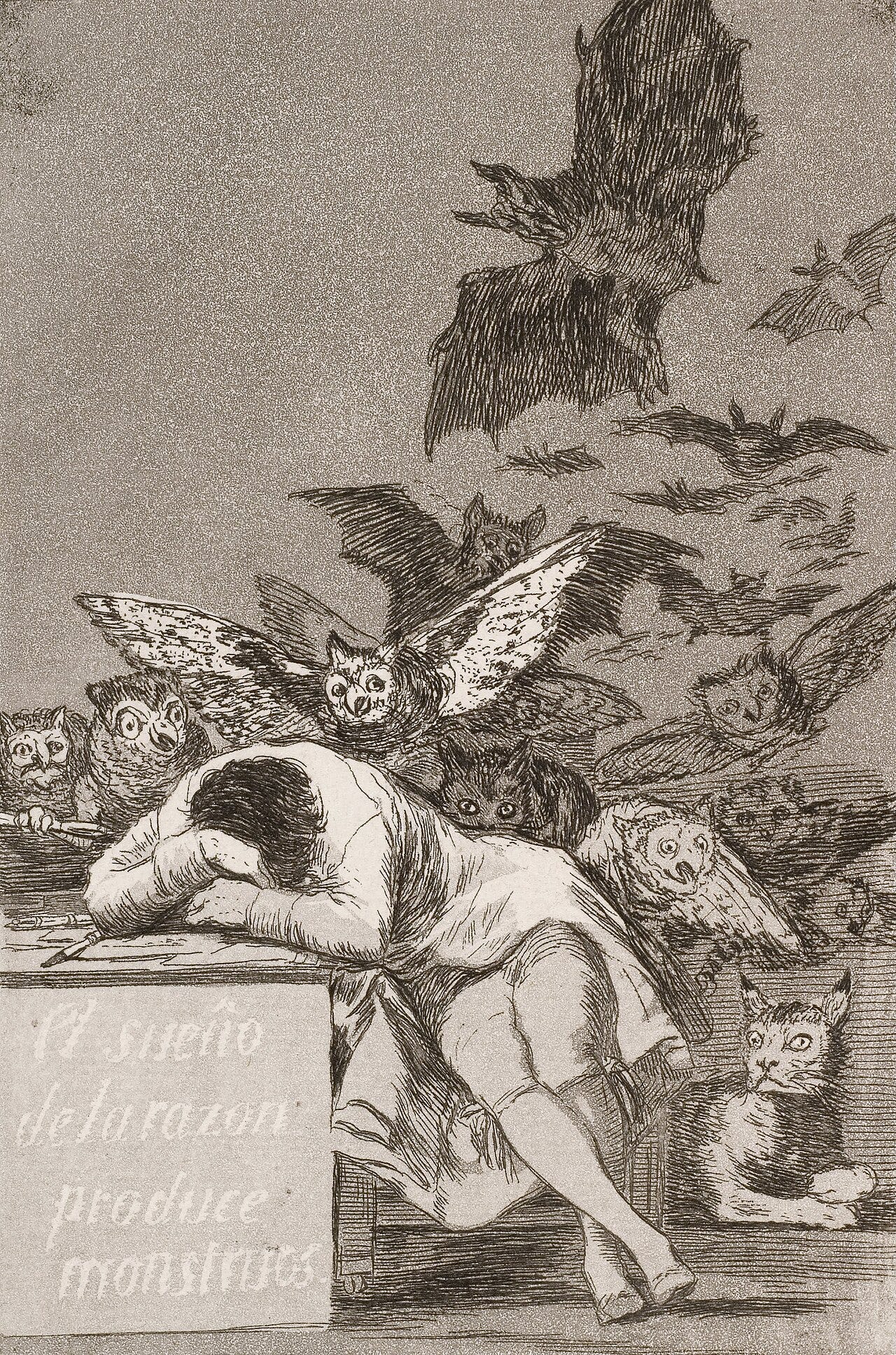
Francisco Goya, in his dark late work, etched a print titled The Sleep of Reason Produces Monsters, almost a surrealist motto two centuries early.
Whether Goya is the greatest painter of all time is a case worth making.
The Surrealists did not invent the dream. They gave it a manifesto.
Dali, Magritte, Ernst, Miro
Four names matter most to me. Here is why.
1. Salvador Dali. The showman.
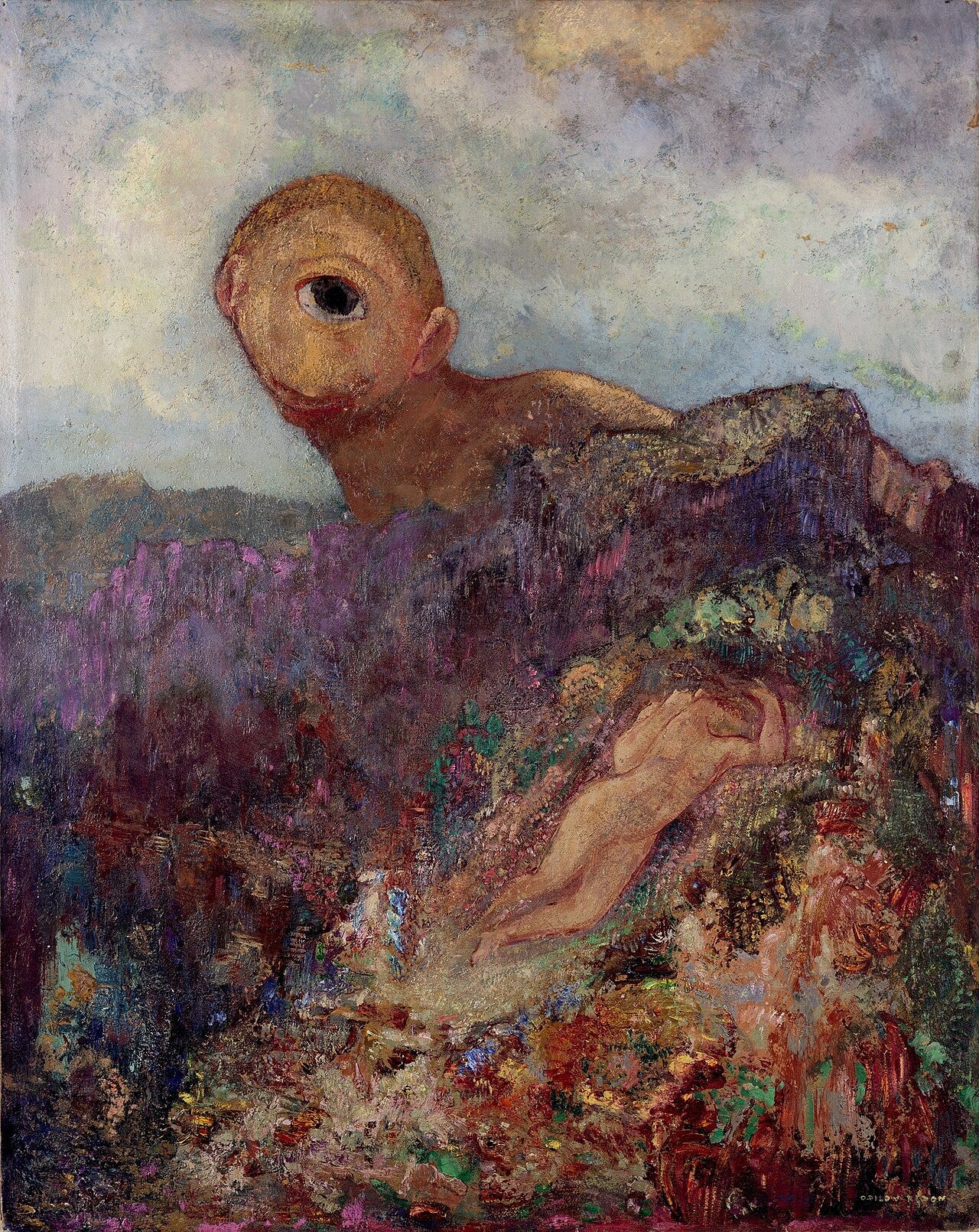
His melting clocks in The Persistence of Memory are the single most famous surreal image ever made. He called his method paranoiac critical, a way of inducing his own hallucinations.
He was also a relentless self promoter, which is partly why he is the name everyone knows, and, I would argue, why the others deserve a longer look.
2. Rene Magritte. The philosopher.
No melting drama, just calm, clean, impossible logic. A pipe labelled this is not a pipe. Men raining from the sky. He made you doubt the link between an image and reality itself.
In 2024 his Empire of Light sold for around 121 million dollars, a record for any Surrealist painting.
3. Max Ernst. The inventor.
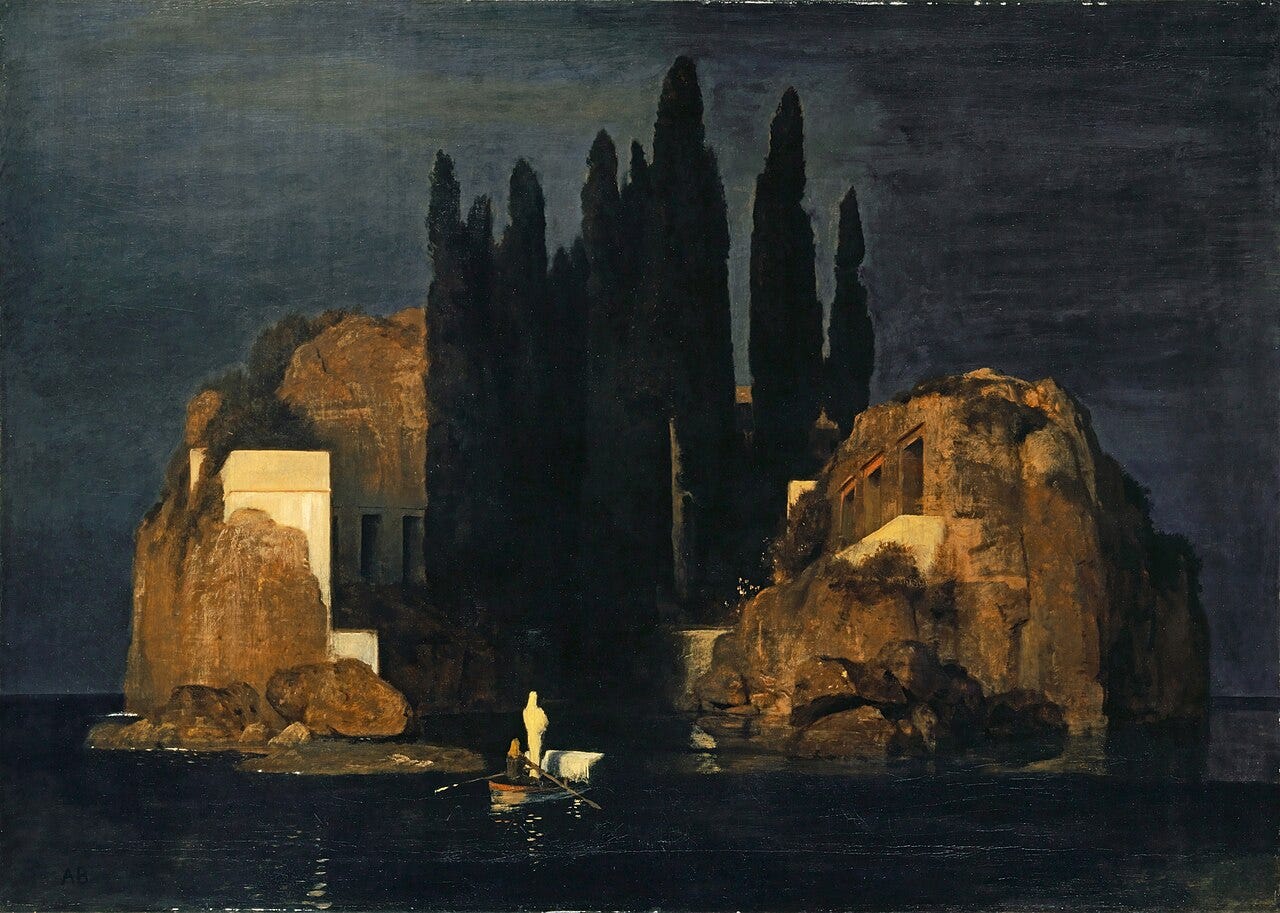
The restless experimenter who pioneered frottage and collage, building eerie forests and bird creatures from rubbed textures and cut up images.
4. Joan Miro. The dreamer.
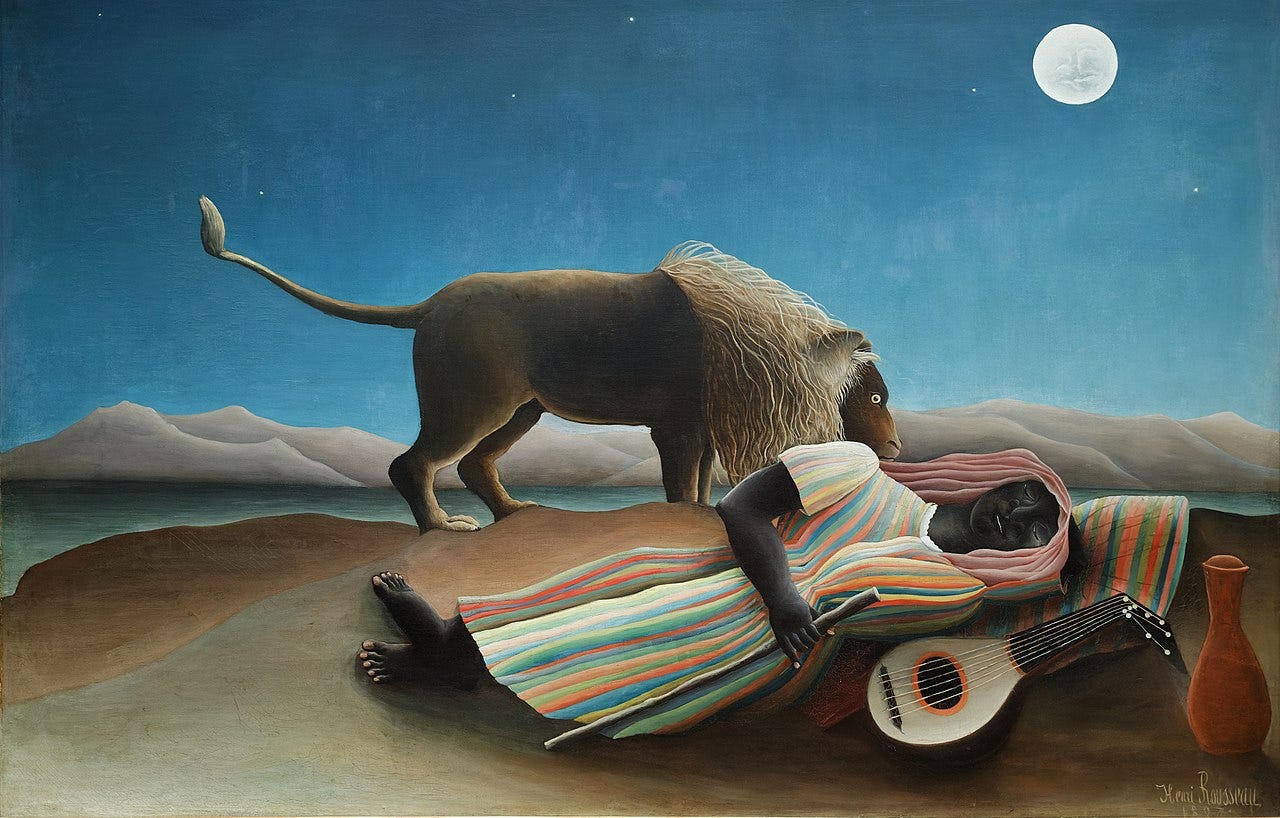
His canvases float with biomorphic shapes, signs and color, like a child’s dream written in a private alphabet. Pure subconscious, almost no rules.
Why your feed is a surrealist show
Surrealism won. Its logic is now the default language of imagination.
Advertising. Impossible, dreamlike images selling everything from perfume to cars. Pure Dali, with a logo.
Music videos and film. Directors like David Lynch and Christopher Nolan build entire dream worlds straight from the surrealist playbook.
Memes and AI images. The whole internet aesthetic of bizarre, impossible, dreamlike mashups is surrealism for the phone age.
Fashion and album covers. Strange, uncanny, dream styling everywhere.
Film creature design. HR Giger's biomechanical creature for Alien in 1979 won him an Academy Award and set the template for movie monster design ever since.
So when people call surrealism a dead movement, hand them their phone. The feed is one long surrealist exhibition.
It also drew on the fractured, collaged space that Cubism had opened a decade earlier, then filled it with dreams instead of guitars.
Surrealism, the questions from the dream
What is surrealism in simple terms? Art that expresses the subconscious and the world of dreams, often through strange, impossible or irrational images.
Who started surrealism? The writer Andre Breton, who published the Surrealist Manifesto in Paris in 1924.
What is the most famous surrealist painting? Salvador Dali’s The Persistence of Memory, with its melting clocks.
What inspired surrealism? Disillusion with reason after the First World War, and Sigmund Freud’s theories of the subconscious and dreams.
What is the difference between Surrealism and Dada? Dada came first and was anti art, mocking a world that had produced war. Surrealism grew out of it but turned constructive, mining dreams and the unconscious for new images.
More secrets to unlock


Art for the part that dreams
I used to assume the rational mind is who a person really is. The planner, the logician, the part that makes sense.
The Surrealists bet the opposite. They believed the truest, wildest, most honest part of a person is the part that surfaces in dreams, the one no one can control or explain. So they built an art to drag it into the light.
That is why a melting clock or a raining man unsettles you on a level you cannot quite argue with. It is not speaking to your reason. It is speaking to the part of you that dreams.
Dali's melting clocks, painted in The Persistence of Memory in 1931, still hang at MoMA in New York.
A crowd gathers in front of them every day, held by a dream that refuses to make sense, which is exactly what the Surrealists were after.
Dali's melting clocks are only the beginning of the movement. Twelve famous Surrealist paintings, from Ernst to Tanguy, sit in one guide.
