
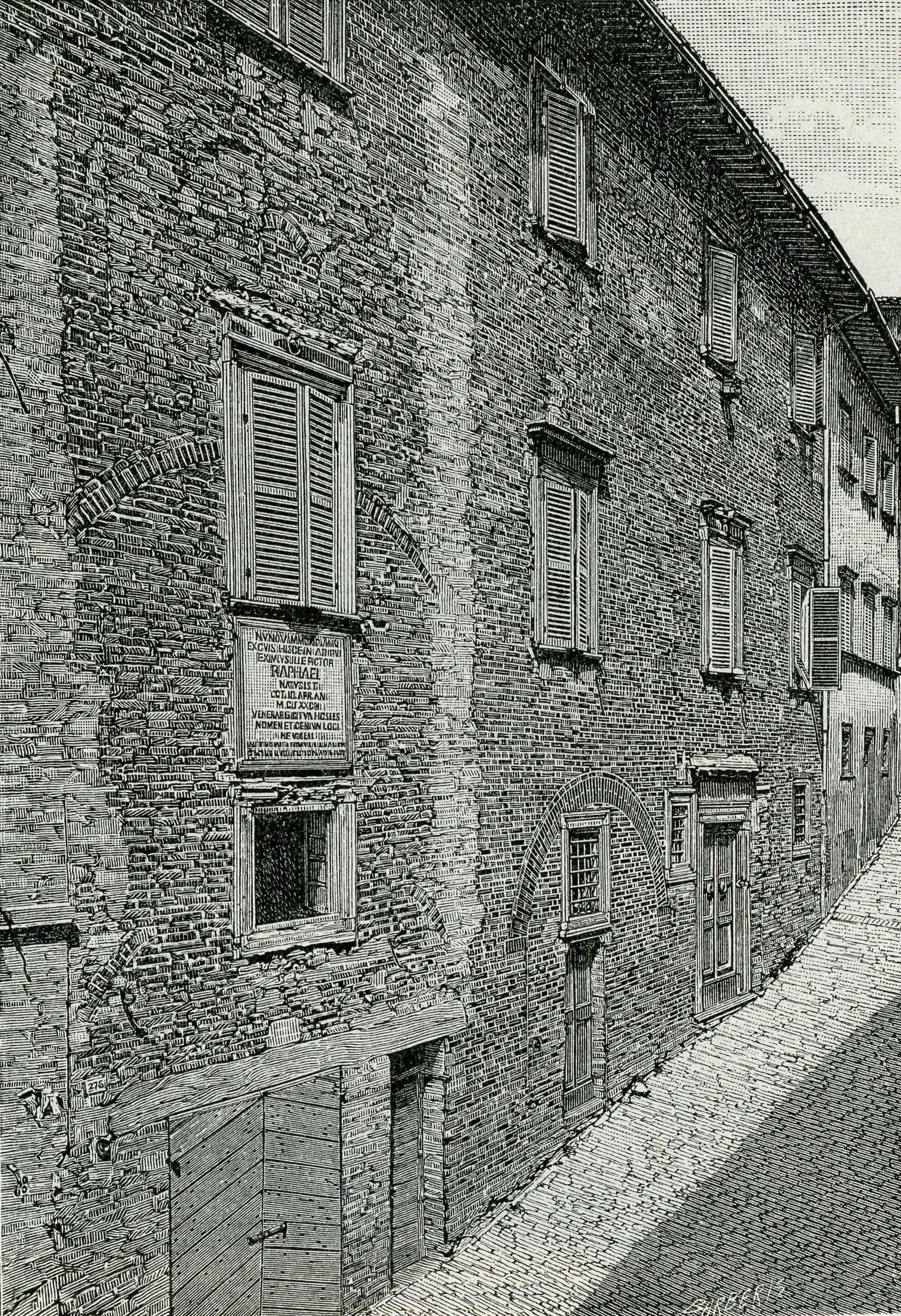
Raphael was born in 1483 in Urbino, a hill town in the Marche, the region of central Italy along the Adriatic. His father, the court painter Giovanni Santi, had bought the family house there in 1460, and it still stands.
Small as it was, Urbino had ambitious rulers, the Montefeltro dukes, who kept artists at court. Santi worked among them as painter and poet, and his son grew up in the workshop, near the dukes' palace.
Cool Stories About Art is a newsletter to learn art the fun way.
Join 200,000+ readers and get:
10 new art stories / month
The entire archive of content (140+ articles)
Comment, ask questions, and chat with other readers
Nobody disputes the town, but the day has two candidates, March 28 and April 6, and each one goes back to Raphael's own century.
Two dates for one birthday
The first comes from Giorgio Vasari, the painter who wrote the lives of the Renaissance artists. He placed the birth "in the year 1483, on Good Friday at three o'clock at night…" Italians then counted the hours from sunset, so that meant around nine or ten in the evening by modern clocks.
Vasari named a feast, not a calendar date, and Good Friday moves with Easter to a different date every year. The second candidate, April 6, comes from another witness altogether: the inscription on Raphael's tomb.
What You'll Discover
What the house in Urbino holds.
Who taught him the trade, and what historians doubt.
Who looked after him after 1494.