
Frida Kahlo is famous for her self-portraits, direct pictures in which her own face, her injured body and her marriage became the subject. Behind them lies a hard life: a bus accident she suffered as a teenager left her in pain until she died.
Yet most of that fame came after her death in 1954. It was built in the 1980s by curators and a biographer, then spread by postcards, films and souvenirs.

Cool Stories About Art is a newsletter to learn art the fun way.
Join 200,000+ readers and get:
10 new art stories / month
The entire archive of content (140+ articles)
Comment, ask questions, and chat with other readers
In her lifetime she was known above all as the wife of the Mexican muralist Diego Rivera, who covered the walls of public buildings with huge paintings. Today her face is printed on socks and posters, and one of her paintings holds the auction record for a woman artist.
This does not mean that nobody noticed her while she was alive. In 1939, fifteen years before her death, the French state bought one of her self-portraits, The Frame, for its national museums. It shows her face from the front, with flowers in her hair.
That purchase did not make her famous, though. Her first critics and buyers mostly saw a Surrealist. The Surrealists, a movement led by the French poet André Breton, looked for their images in dreams and the unconscious.
Kahlo rejected the label. She said she painted her own reality, not dreams. Still, it was Breton who promoted her abroad after meeting her in Mexico in 1938, and her first real audience gathered in New York.
New York's first look at her work
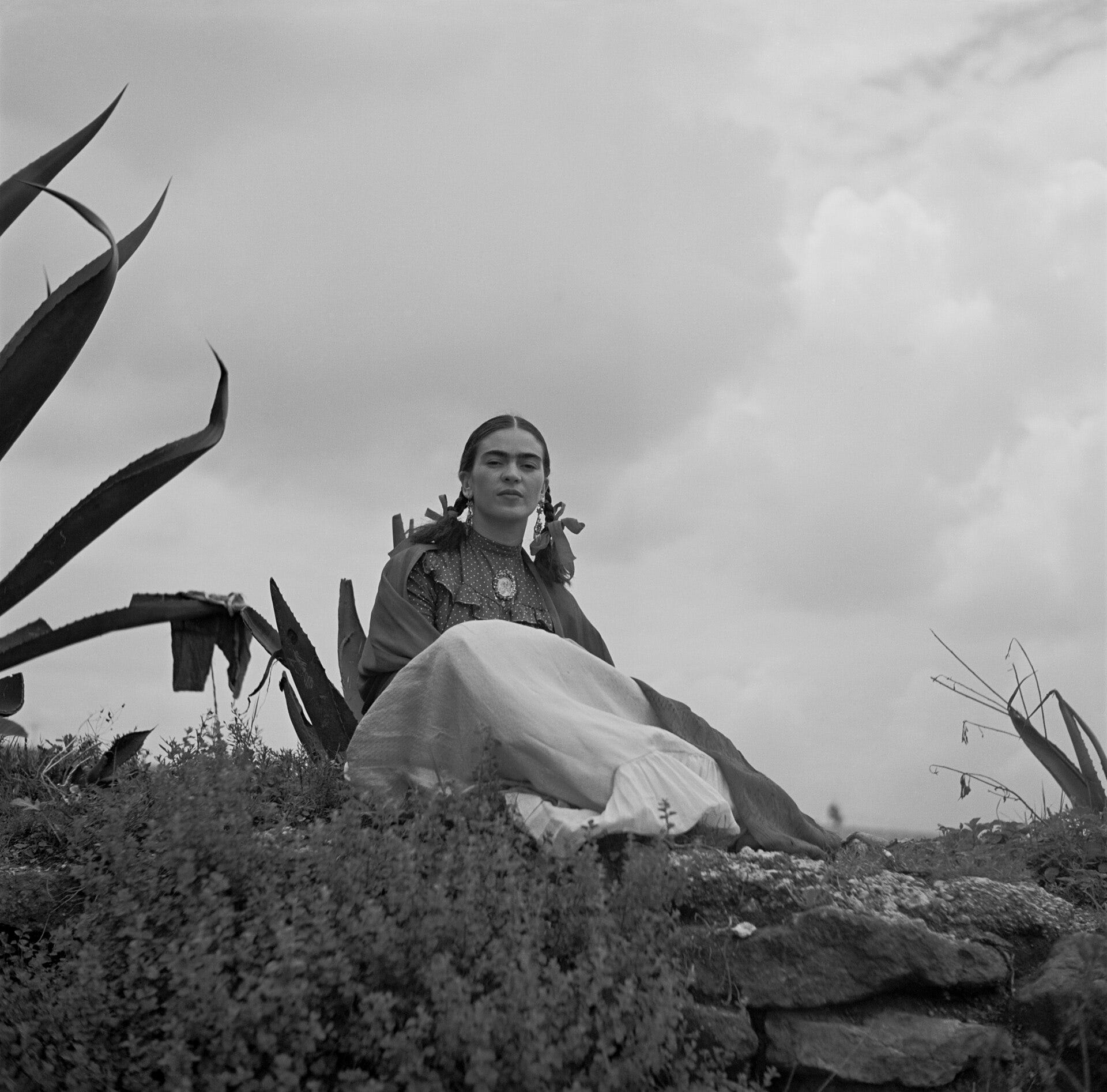
New York bought her paintings but looked at her as a curiosity…
What You'll Discover
What the French state bought in Paris.
What her one Mexican show looked like.
Who brought her back in the 1970s.
What her face is worth today.