
Because almost nothing about his fame happened the normal way. He sold barely a painting while alive, died at 37, and then a perfect mix of a tragic life, a style you can recognize across a room, and one determined widow turned an unknown failure into the most beloved painter on earth.
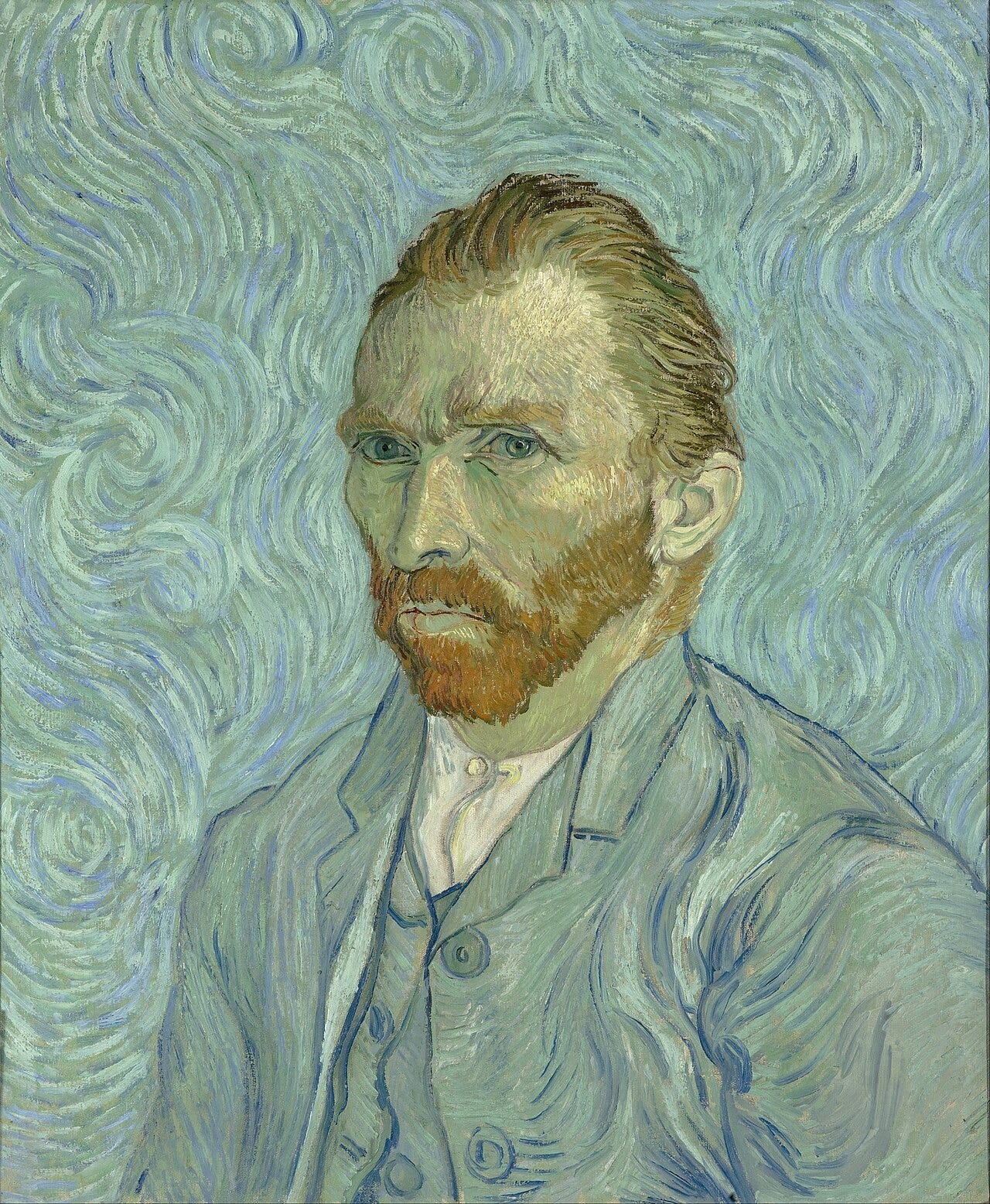
There is no single reason. There are five, and they stacked on top of each other.
So here is how a man the art world ignored became a household name.
He died thinking he was a failure
Start with the cruelest fact.
In roughly ten years Van Gogh made about 2,100 works, including some 860 oil paintings. In his lifetime he was paid for almost none of them.
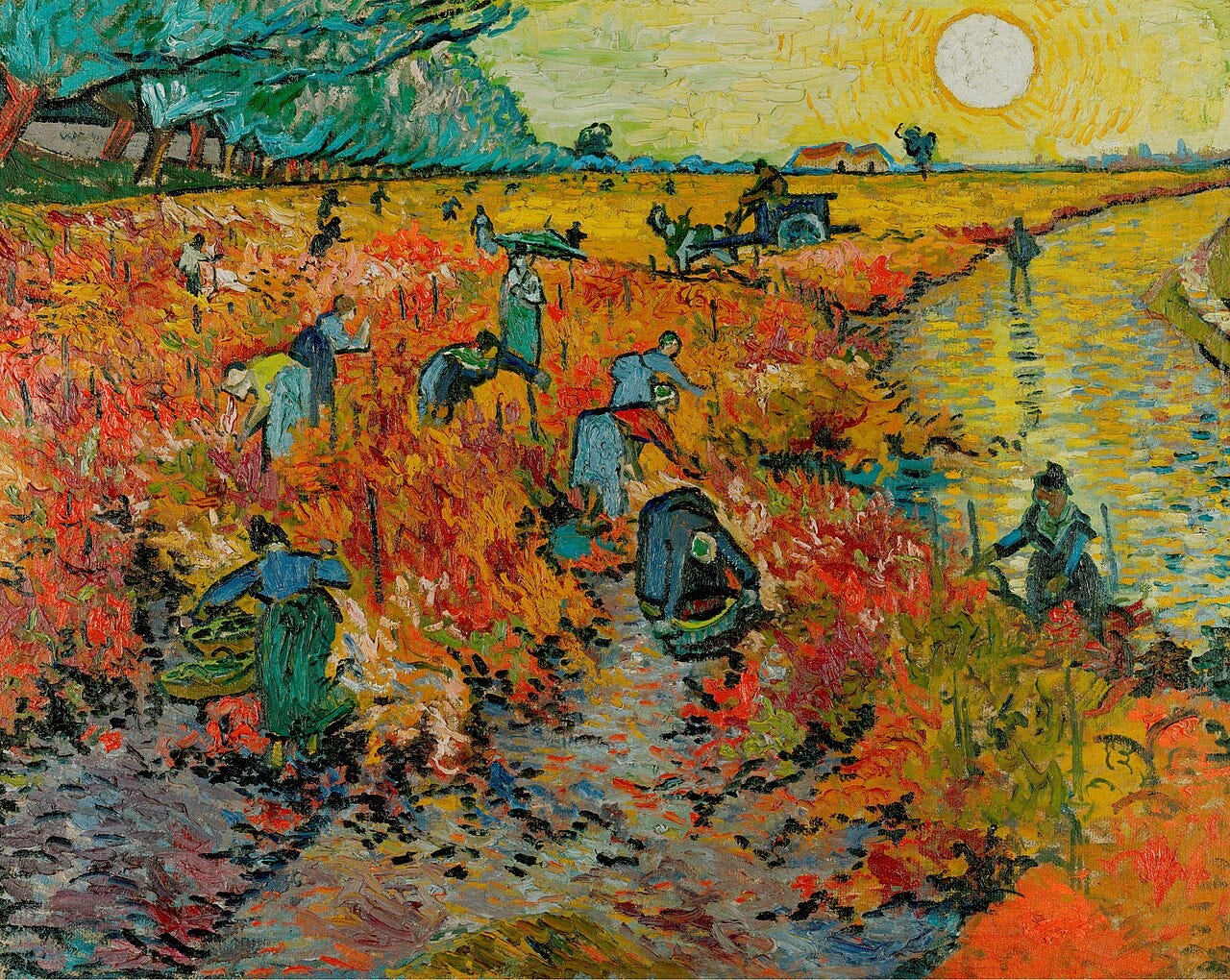
The one documented sale of a painting for real money was The Red Vineyard, bought by the Belgian painter Anna Boch around 1890, the year he died.
He lived off his brother Theo, an art dealer in Paris, who sent him money, paint and canvas for years. Vincent sold nothing of note, showed almost nowhere, and died believing the whole effort had been wasted.
He did not start as a painter either. He failed as an art dealer, failed as a teacher, failed as a trainee preacher, and only picked up serious drawing in his late twenties. He had about a decade of work in him, total.
The gap between that despair and what came next is, to me, the whole engine of the legend.
Keep learning art the fun way


A look you can spot in a second
Now the part you can see.
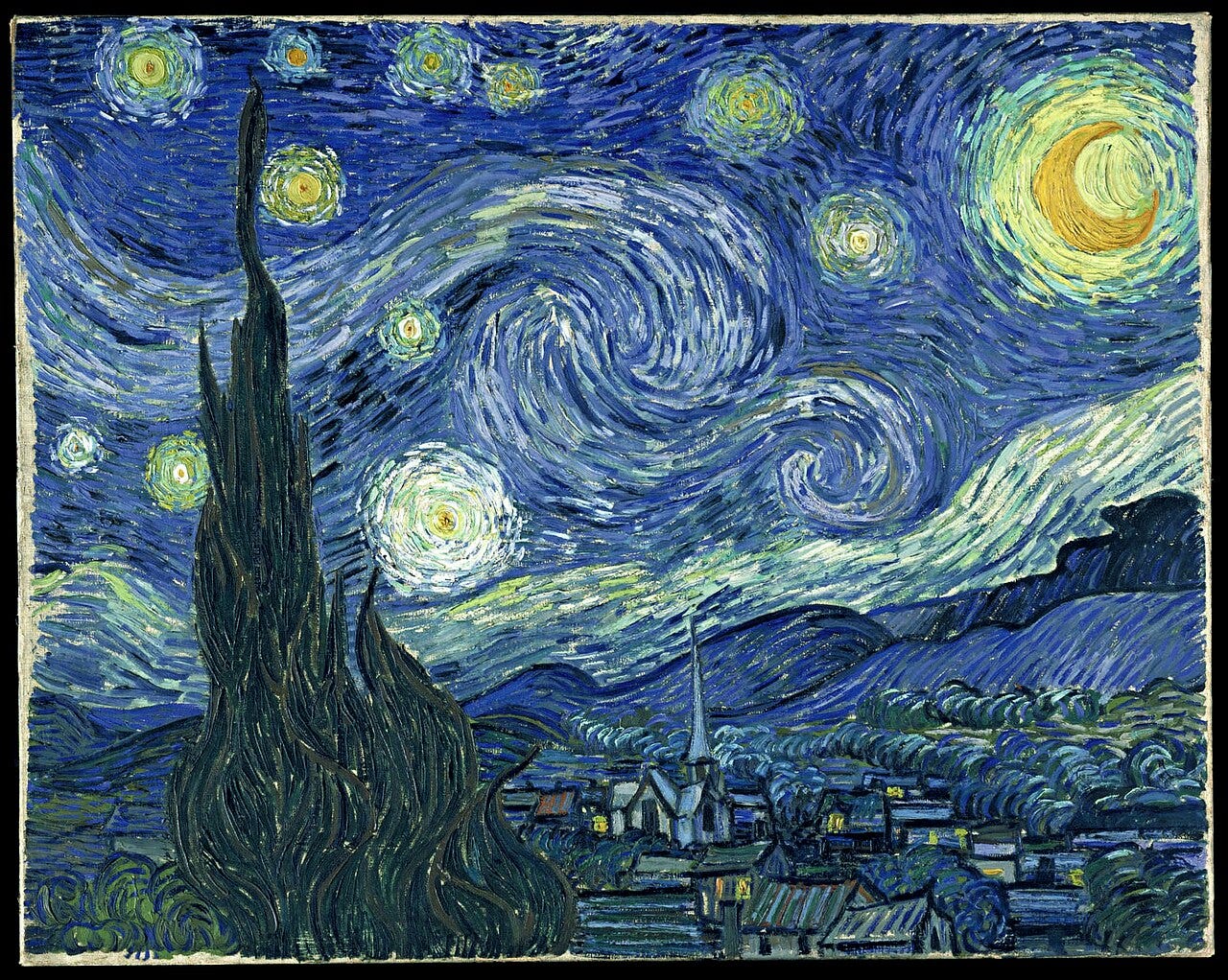
Van Gogh painted in thick, loaded strokes you could almost read with your fingers. The paint sits up off the canvas in ridges. The color is loud and emotional, deep blue against burning yellow, skies that swirl, fields that seem to move while you stand still. That was not always his palette: his early Potato Eaters is done almost entirely in browns and grays, before he found color at all.
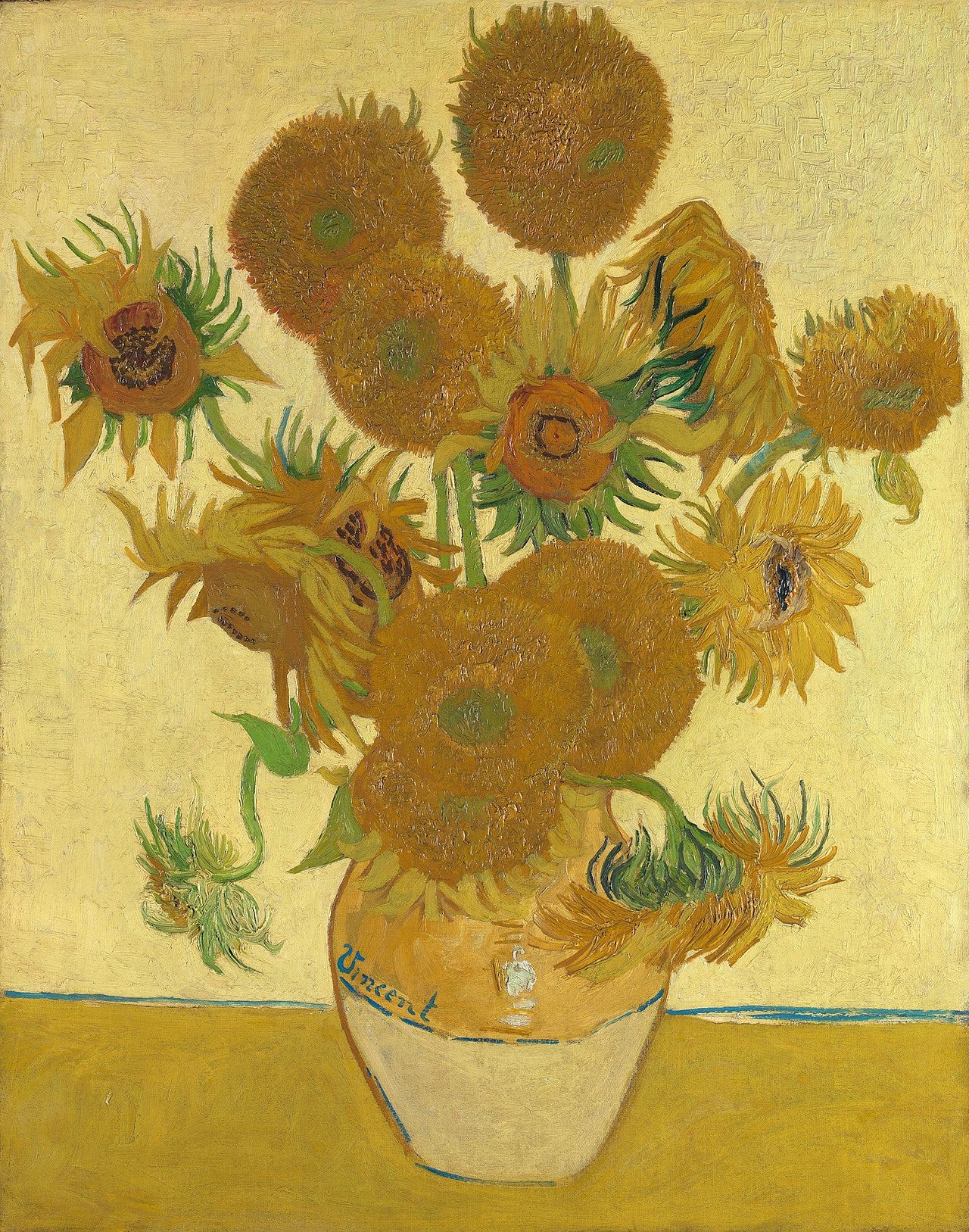
You do not need a label or a degree to know a Van Gogh. A child can pick one out. Think of the heavy gold of the Sunflowers, the rolling night of The Starry Night, the plain little bed in The Bedroom. Each one is unmistakable in a single glance.
That instant recognition is rare, and it travels. It works on a museum wall and it works on a mug, a poster, a phone case, a tote bag. A style that reads in one second is a style that spreads across the world.
A life that plays like a film
Then there is the story, and it is a good one.
The ear cut off after a breakdown in Arles. The year spent painting inside an asylum at Saint Remy, where he made The Starry Night from his barred window.
The shooting in a wheat field at 37. The brother who believed in him, Theo, who died only six months later, worn down by grief and illness.
It is love, madness, genius and an early death, all true, all documented. People who have never set foot in a gallery still know that story. The work and the life feed each other, and the life keeps pulling new people toward the paintings.
The letters that made him human
Here is a piece most people miss.
Van Gogh wrote constantly, above all to Theo. More than 800 of his letters survive, many of them long, honest and beautifully written, full of doubt, hope, and exact descriptions of what he was trying to do with color.
Because of them, we do not just have his paintings. We have his voice. We know what he felt the night he painted the stars, what he meant by yellow, how scared and determined he was.
Almost no other old master left a record this intimate. The letters turned a distant artist into someone readers feel they personally know, which is rocket fuel for fame.
The woman who refused to let him vanish
And here is the part that ties it all together.
When Theo died, his widow Johanna van Gogh Bonger was left with hundreds of unsold canvases and a trunk of those letters. She was a young mother with a baby, and almost everyone advised her to move on.
Instead she spent the rest of her life building Vincent's reputation: lending the paintings to exhibition after exhibition, placing them with the right collectors, and finally editing and publishing the brothers' letters in 1914.
Van Gogh painted the pictures. Johanna made the fame. The timing helped too: a younger generation of painters, the Expressionists, had begun treating him as a hero, the patron saint of the misunderstood artist.
Johanna fed that fire for decades. The full story of how she did it: The Woman Who Made Vincent van Gogh.
What the legend gets wrong
The popular line is that Van Gogh sold exactly one painting and was completely unknown until the day he died. That is mostly true, but sanded a little too smooth.
He did trade and sell a few drawings and studies, his work hung in a handful of shows in his last years, and a critic named Albert Aurier published a glowing article about him in early 1890.
A small circle had started to notice. He was not literally invisible.
He was simply poor, unsold and unrewarded, with real recognition arriving a few years too late to ever reach him. The myth flattens it into a fairy tale.
The truth is sadder and more interesting: the fame was already stirring, it just missed him by a hair.
How Van Gogh got famous, six quick answers
How many paintings did Van Gogh sell while alive? As far as records show, one painting sold for real money, The Red Vineyard, plus a few minor trades and studies.
Why is his work worth so much now? Scarcity, instant recognition, a powerful life story, intimate letters, and decades of museum and market demand.
Did he ever know he was admired? Barely. A little praise reached him at the very end, long after it could have changed his life.
Who made him famous after death? Above all Johanna van Gogh Bonger, Theo’s widow, who promoted the work and published the letters.
What is his most famous painting? The Starry Night, painted in 1889 inside the asylum at Saint Remy.
How many works did he make? About 2,100 in a single decade, including roughly 860 oil paintings.
More secrets to unlock


The price of being ignored
In 1990 his Portrait of Doctor Gachet sold for 82.5 million dollars, a world record for any painting at the time. A few years earlier his Sunflowers and his Irises had already smashed records of their own.
The man who could not sell a canvas for the price of a meal now hangs behind glass while millions of people a year file through the museum built for his name in Amsterdam.
His fame grew from the exact thing that broke his heart: a body of work the world was not ready to see in time. I follow that arc, from failure to legend, in Van Gogh: The Complete Story.
Twelve of the paintings behind that record price, from the swirling stars over Saint Remy to the sunflowers he painted to welcome Gauguin, are gathered in Famous Van Gogh Paintings.
