
Albrecht Durer, who lived from 1471 to 1528, was the German master who turned printmaking into high art and made himself the first art celebrity north of the Alps.
He painted himself like a god, sold prints across Europe, and even drew a rhinoceros he had never seen.
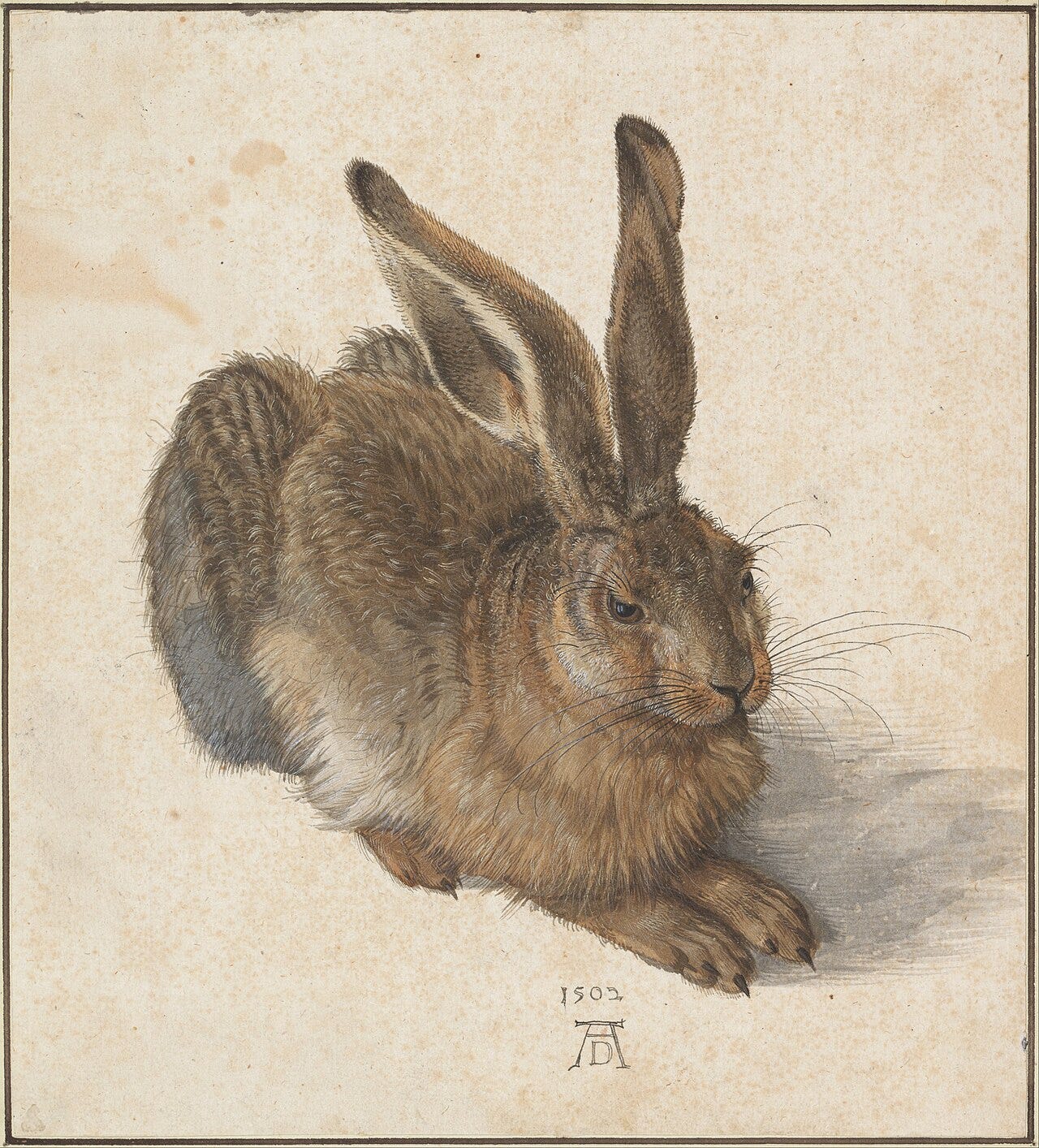
Durer in a few lines
Born in Nuremberg in 1471, a goldsmith's son.
Painted himself over and over, once in the pose of Christ.
Made his fortune from prints, not paintings.
Fought one of the first battles over copying an artist's mark.
Died in 1528 as the most famous artist in Germany.
His exact contemporary in Saxony spent decades as court painter to the Electors, closer to the Reformation and to Martin Luther himself, and that parallel career is told in full in Lucas Cranach the Elder: The Complete Story.
More incredible painter stories
If Albrecht Dürer pulled you in, you will love these too:


The goldsmith's son who drew like a machine
Durer was born in 1471 in Nuremberg, one of eighteen children of a goldsmith. He trained first in his father's trade, learning to cut fine metal, which gave him the steel precision you see in every line he ever made.
He switched to painting and printmaking as a teenager, and almost at once he was better than his teachers.
He painted himself as Christ
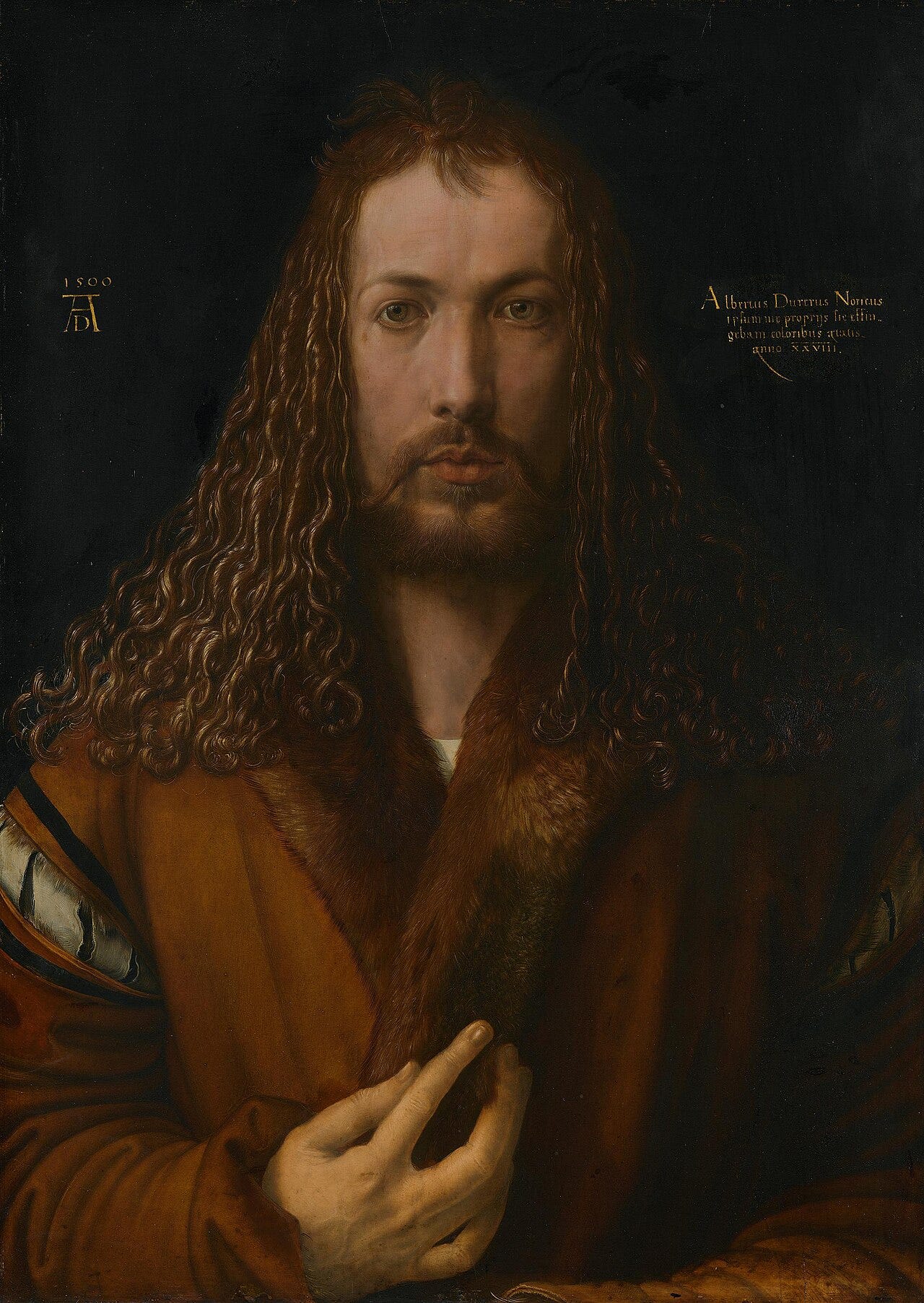
Durer was obsessed with his own face. He drew his first self portrait at thirteen, the earliest known by a child artist.
In 1500 he went further, painting himself face on, symmetrical, hand raised, in the exact pose used for Christ. No artist had dared claim that kind of dignity before. It is one of the most defiant self portraits ever made.
He got rich from paper, not paint
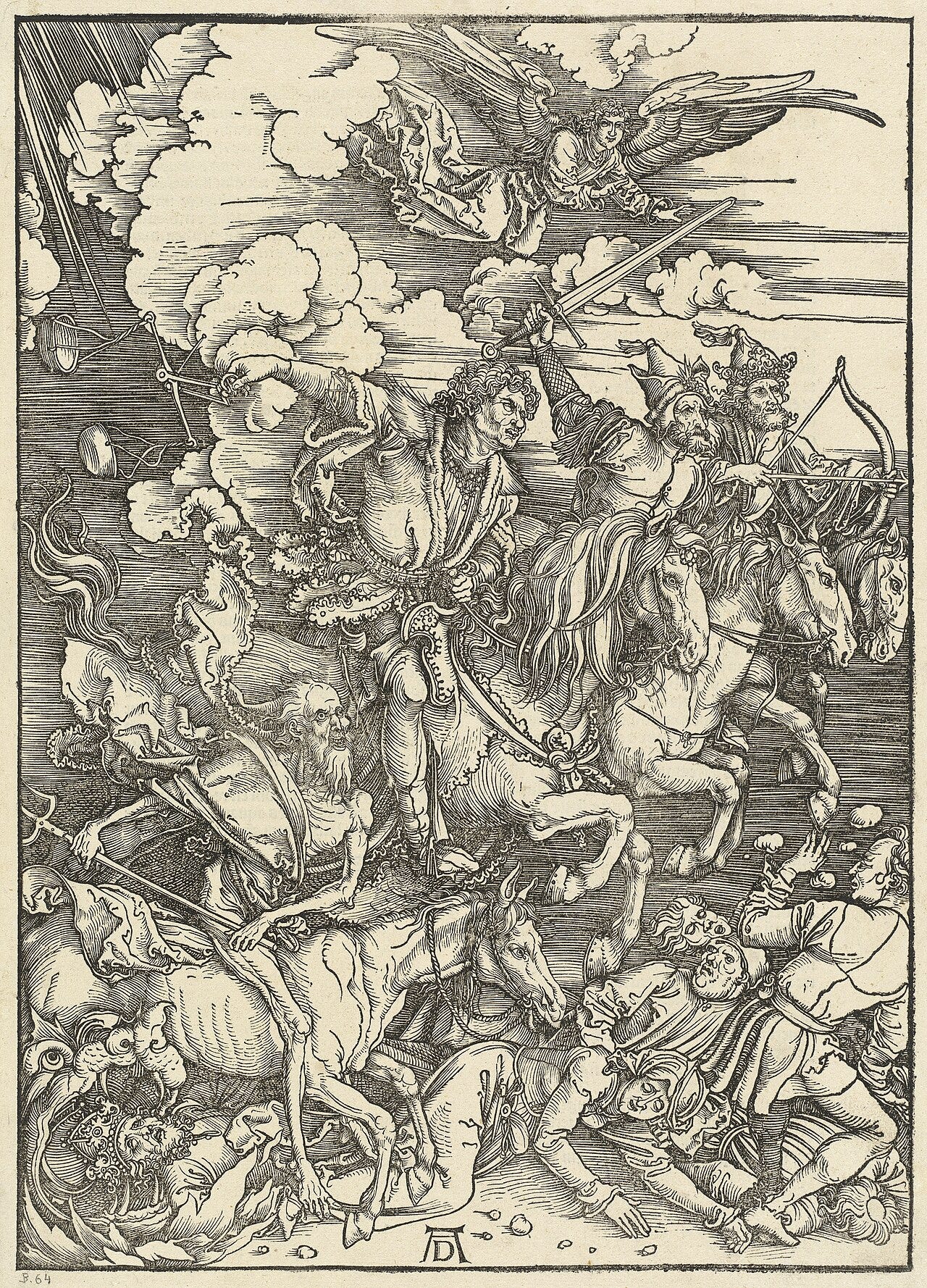
Most painters lived off commissions. Durer built a business out of engraving and woodcut. He could print an image hundreds of times and sell it across the continent.
His wife and mother helped run the print stall. The paintings brought prestige, but the prints brought the money.
He fought the first copyright war
Durer signed his work with a famous monogram, an A with a D tucked under it, one of the earliest artist logos. When a printmaker in Venice copied his images and his mark, Durer took the case to the Venetian authorities.
They ruled the copier could keep selling the images but had to drop the monogram. It is one of the first recorded fights over the right to an artist's brand.
The rhino he never saw
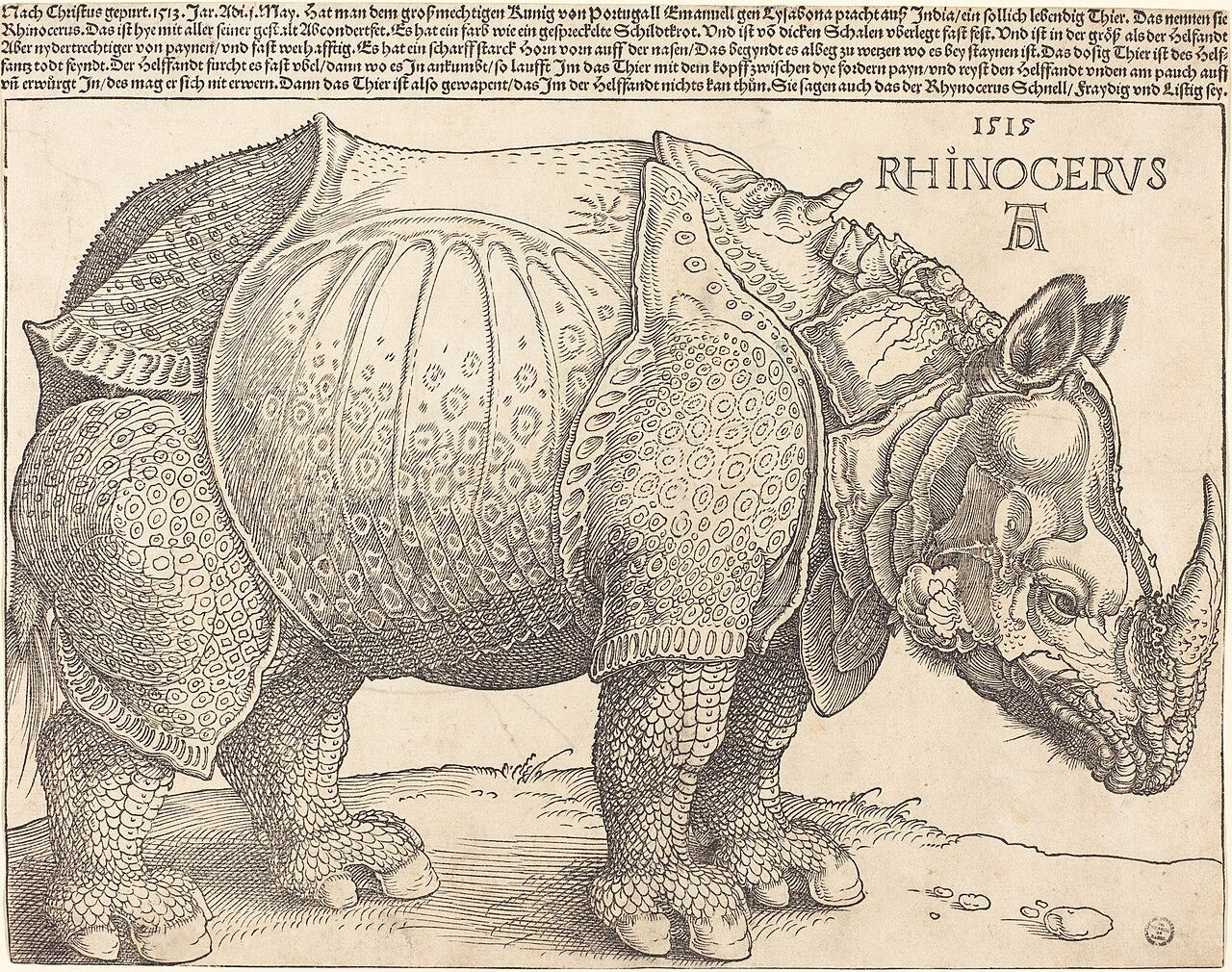
In 1515 a real rhinoceros arrived in Lisbon, the first in Europe in over a thousand years. Durer never went near it. He worked from a written description and a quick sketch by someone else.
He covered the animal in riveted armor plates that no real rhino has. He got it wrong, and it did not matter. His Rhinoceros became the image of the animal in schoolbooks for the next three hundred years.
The puzzle of Melencolia
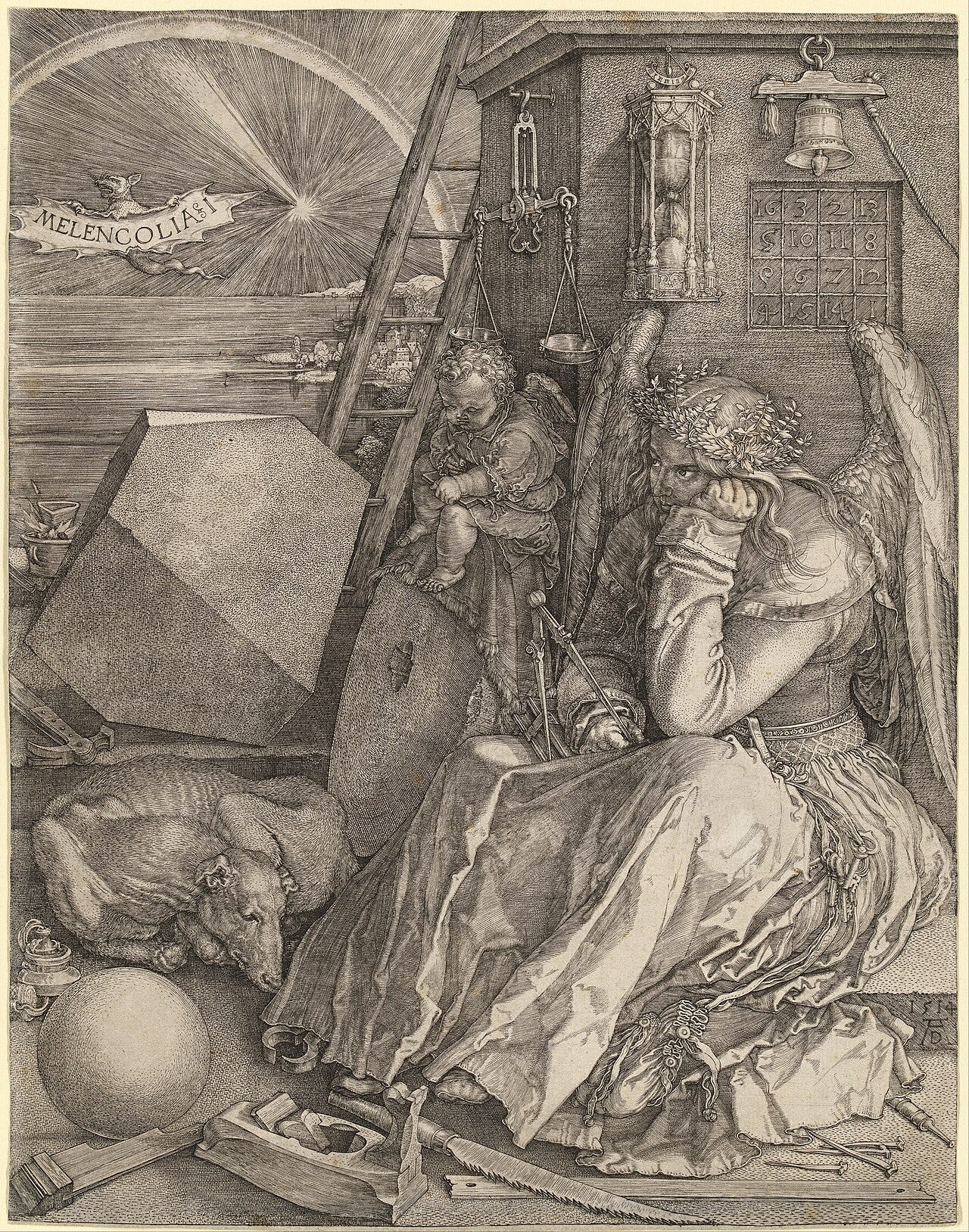
His 1514 engraving Melencolia I shows a winged figure slumped among tools and symbols, with a magic square whose rows all add to the same number, and the date hidden in its bottom line.
Scholars have argued about its meaning for five centuries and still disagree. That is part of why it never stops drawing people in.
A thinker as much as a painter
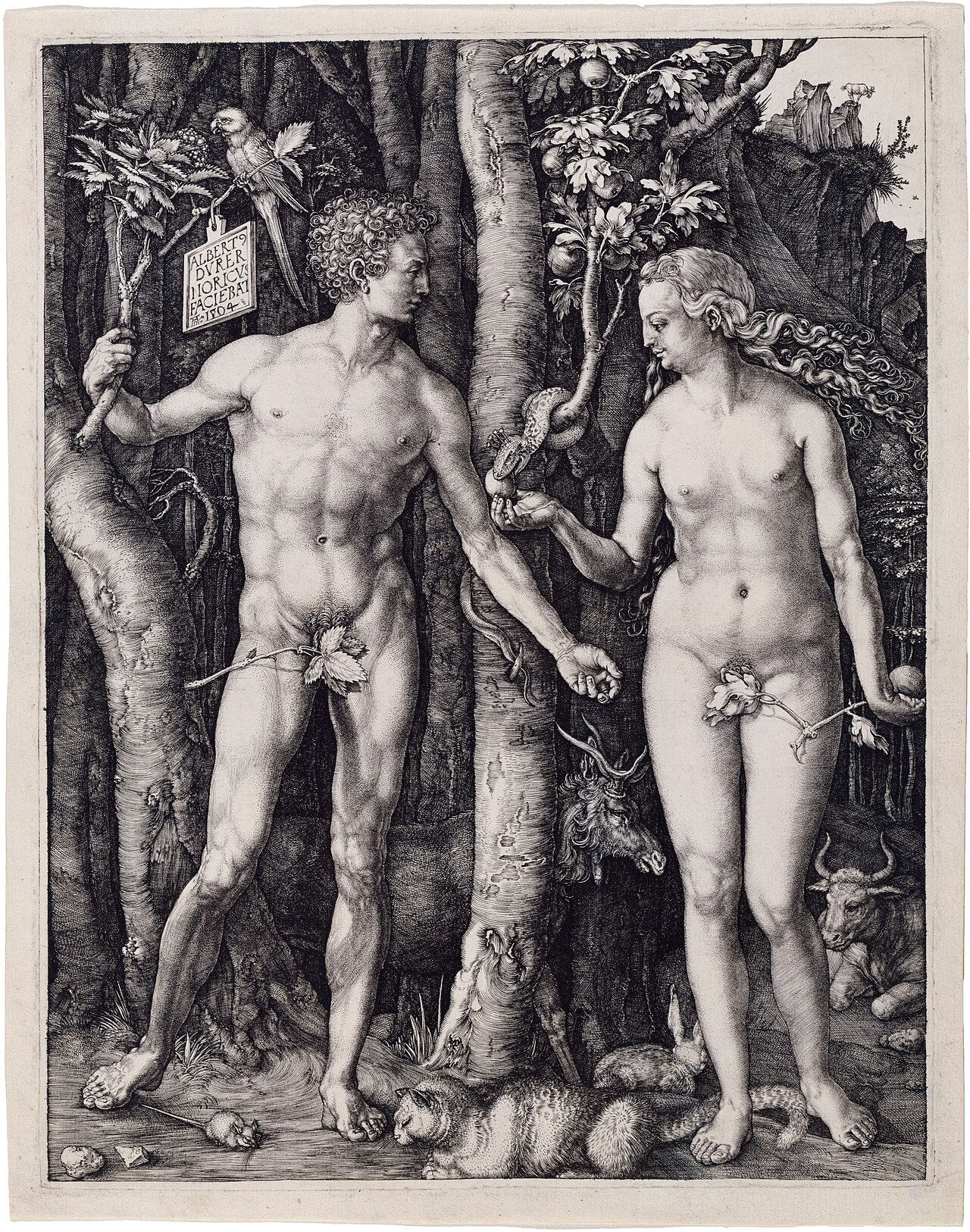
Durer made pictures and also wrote books about how to make them, on proportion, geometry and perspective. He wanted art treated as a science.
He admired Italy, made two long trips south to meet its masters, and carried the Renaissance of Leonardo da Vinci and his peers back over the mountains into Germany.
Albrecht Durer studied Italian perspective and turned German printmaking into a precise, mathematical craft; his contemporary Matthias Grunewald went the opposite direction, painting the Isenheim Altarpiece with a suffering, decaying Christ that owes nothing to Italian classicism.
The Albrecht Dürer questions that keep coming up
When and where was he born?
On 21 May 1471 in Nuremberg, in southern Germany.
How did he die?
Of an illness, probably caught on a trip to study a stranded whale, in 1528 at the age of 56.
What is he most famous for?
His self portraits, the engraving Melencolia I, the Praying Hands study, and his Rhinoceros.
Did he really draw the rhino without seeing it?
Yes. He worked from a letter and a rough sketch, which is why the details are wrong.
What are the Praying Hands?
A careful drawing of a pair of hands, made as a study for a larger altarpiece, now famous on its own.
Where can you see his work?
Above all the Alte Pinakothek in Munich and the Albertina in Vienna, which holds his most delicate drawings.
More secrets to unlock


One image that outlived the truth
Durer drew a rhinoceros from hearsay, armored it like a war horse, and got the biology wrong. Naturalists still copied it into textbooks for three hundred years. Few artists have ever been so wrong and so unbeatable at the same time.
Want the surprising details? Read interesting facts about Durer.