
Yes. On 28 May 1606, Caravaggio killed a young Roman named Ranuccio Tomassoni in an armed fight, and fled the city with a death sentence on his head.
It was not a random tavern scuffle. The evidence points to a planned duel over honor, money and a woman, that ended with a man bleeding out in the street.
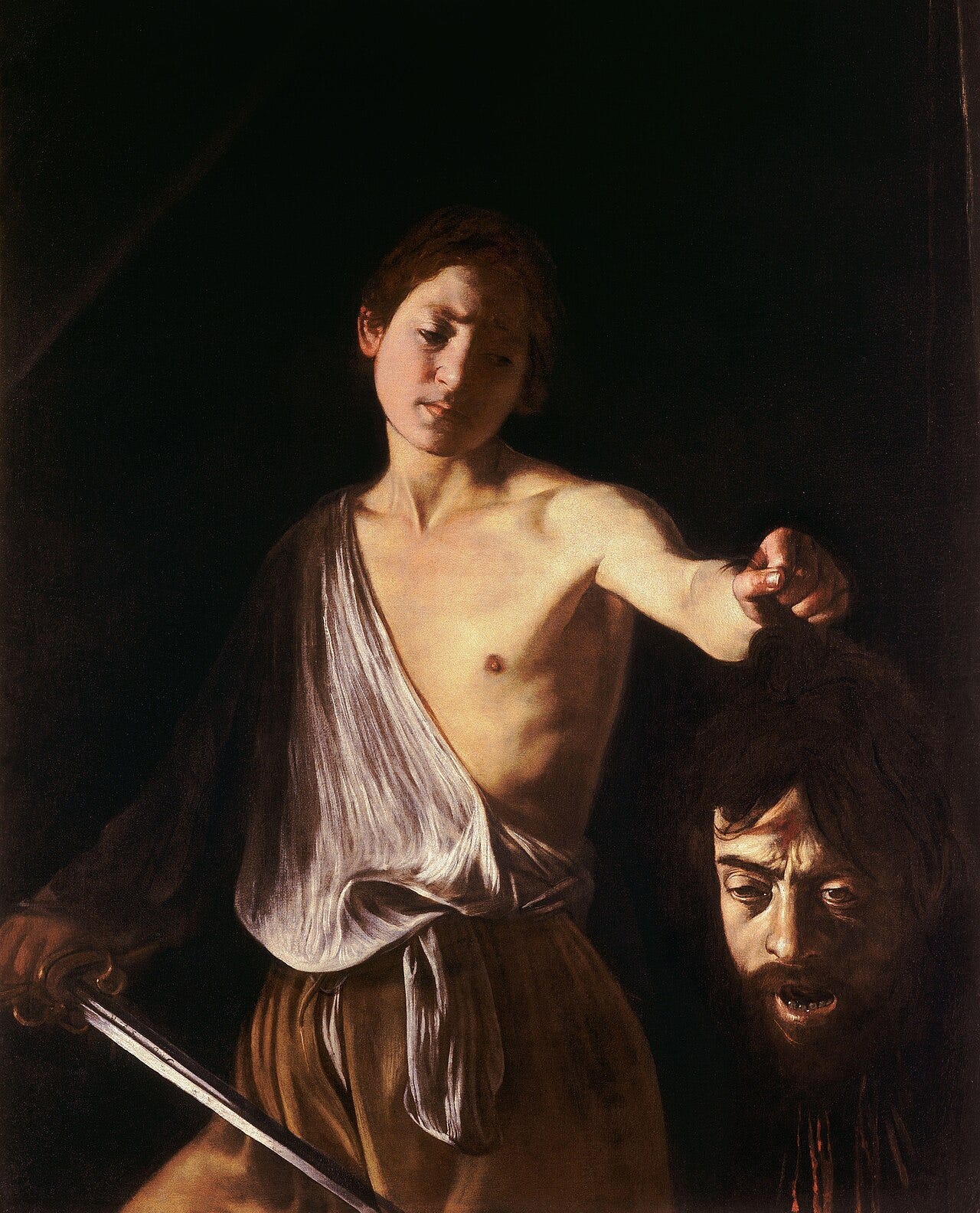
He spent the four years he had left on the run, painting his own guilt onto canvas after canvas.
This is what actually happened that night, and what we still argue about.
More secrets to unlock


Why the drunk genius accident story is wrong
Caravaggio did kill a man. That part is not in doubt.
What people get wrong is the picture of a drunk genius lashing out by accident. The killing of Ranuccio Tomassoni looks far more deliberate than that, and it destroyed the most successful painter in Rome at the peak of his career.
To see why, you have to know who Ranuccio was.
Who was Ranuccio Tomassoni
Ranuccio was a young man from a well connected Roman family with military and papal ties.
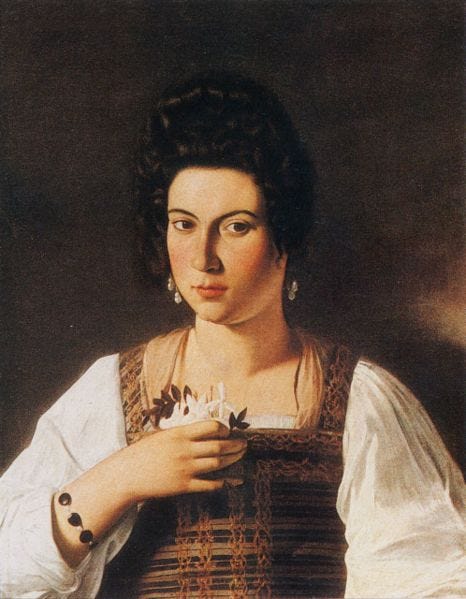
He was also, by most accounts, a neighborhood tough who controlled the protection and prostitution around his patch. One of the women in his orbit was Fillide Melandroni, a famous courtesan Caravaggio had painted more than once.
The two men knew each other, and the bad blood between them had been building for a while, over gambling debts, status and very likely Fillide.
The fight on 28 May 1606
For centuries the story was almost cosy. A friendly tennis match, a quarrel over the score, a brawl that got out of hand.
Modern historians have taken that apart.
The fight happened near a real tennis court in the Campo Marzio district, but it was no accident of sport. Both men came with companions and with blades, in the style of a formal duel. This was a scheduled settling of accounts.
It was almost a gang affair. Ranuccio had his brother and allies at his side. Caravaggio had his own seconds, including a captain. Two armed groups met to settle a question of honor, the way Roman men of that world often did.
In the fight Caravaggio struck Ranuccio in the thigh, cutting the great artery there. Ranuccio bled to death. Caravaggio himself was wounded and slipped away.
The wound that tells a story
One detail changed how scholars read the night.
A wound to that part of the body, the upper thigh and groin, was a known way of shaming a rival in a duel of honor. Some historians argue Caravaggio meant to maim Ranuccio, even to emasculate him as a humiliation, and that the blow went fatally wrong.
We cannot be certain of the intent. But the location of the wound fits a punishment, not a panic, and it lines up with a quarrel over a woman and male honor.
The price on his head
The punishment was brutal and immediate.
A papal court condemned him to death in his absence, a sentence called a bando capitale. It meant any person in the Papal States could legally kill Caravaggio on sight and claim a reward, even bring only his severed head.
He fled at once, first to estates south of Rome owned by his protectors, then on to Naples and out of papal reach. He would never live in Rome again.
How the guilt got into the paintings
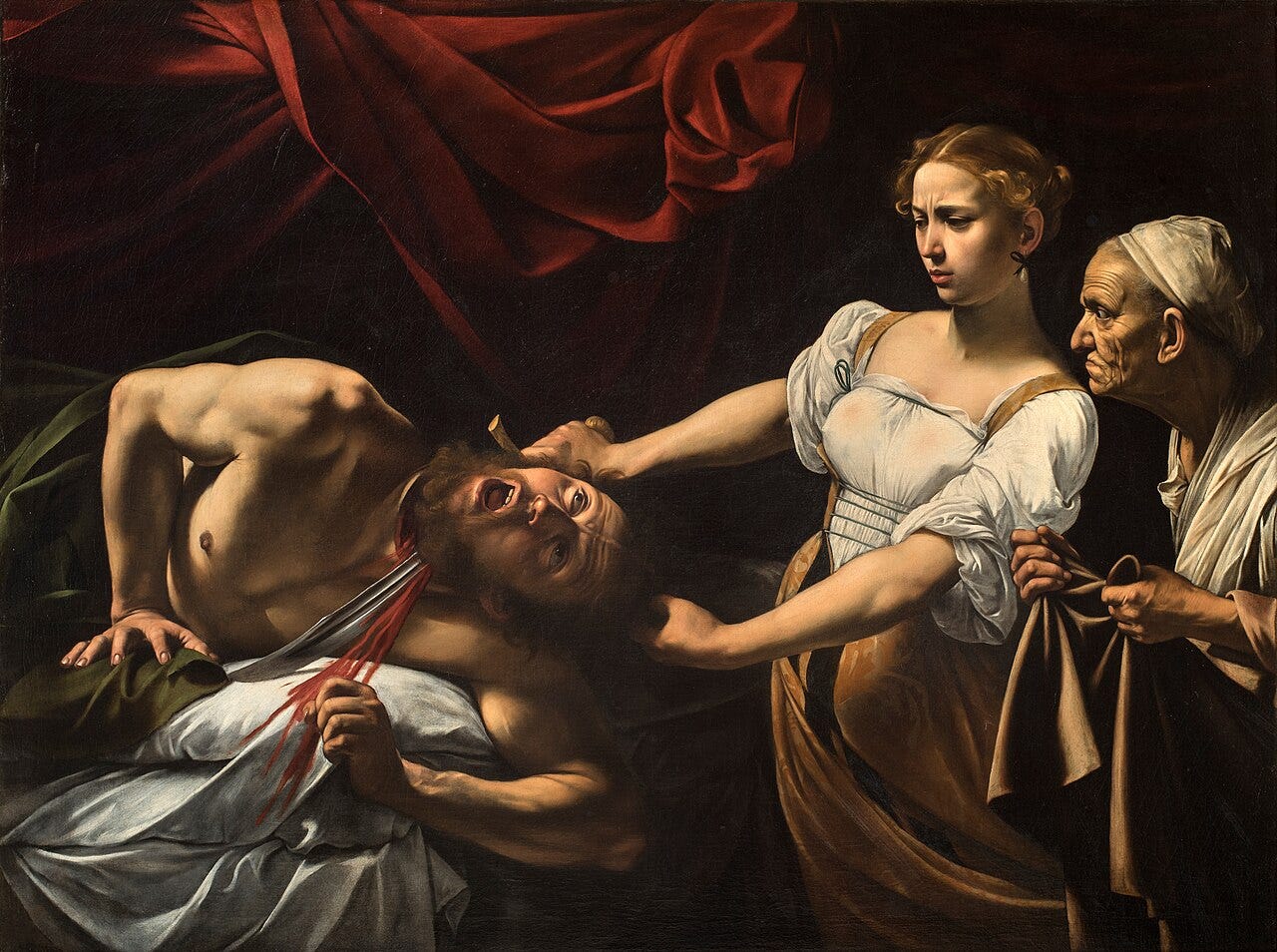
After the killing, his work fills with cut throats and severed heads.
He painted David holding the dripping head of Goliath, and gave the dead giant his own face. The picture was almost certainly meant for Cardinal Scipione Borghese, the man with the power to grant a pardon.
Caravaggio painted himself as the executed criminal, holding out his own head as a plea.
Severed heads pile up across these years. A Salome receiving the head of John the Baptist, painted in exile, is widely read as another gift sent to ask forgiveness, this time toward the Knights of Malta.
He kept painting his way out of the death sentence.
It is one of the rawest confessions in the history of art.
Sorting the legend from the record
Legend: a drunken brawl over a tennis score. Record: a planned, armed fight, most likely about honor and a woman.
Legend: he killed by accident and shrugged it off. Record: the death sentence broke his life and drove him into exile.
Telling detail: the fatal wound fits a ritual humiliation, not a random stab.
Keep learning art the fun way


What people still ask about the Tomassoni killing
Did Caravaggio kill someone? Yes, he killed Ranuccio Tomassoni in Rome on 28 May 1606.
Why did Caravaggio kill Ranuccio? Likely a duel over honor, gambling and the courtesan Fillide Melandroni, not a simple sports quarrel.
What happened to Caravaggio after the murder? He was sentenced to death in absence and fled Rome for Naples, Malta and Sicily.
Was it his only crime? No. He had a long record of brawls and weapons charges, but this was the one that ruined him.
Did he ever get pardoned? A pardon may have come near the very end of his life, possibly too late.
I follow the whole violent arc in Caravaggio: The Complete Story, from the self-portrait as a dying Goliath to how the running finally ended.
I read the altarpiece he signed in his own blood in Caravaggio's Beheading of Saint John.
