
Caravaggio died in July 1610 at Porto Ercole, on the Tuscan coast, aged 38, while racing toward a papal pardon that would have let him go home.
The cause was never settled. Fever, an infected wound, lead poisoning from his paints and outright murder have all been blamed, and his body was never properly found.
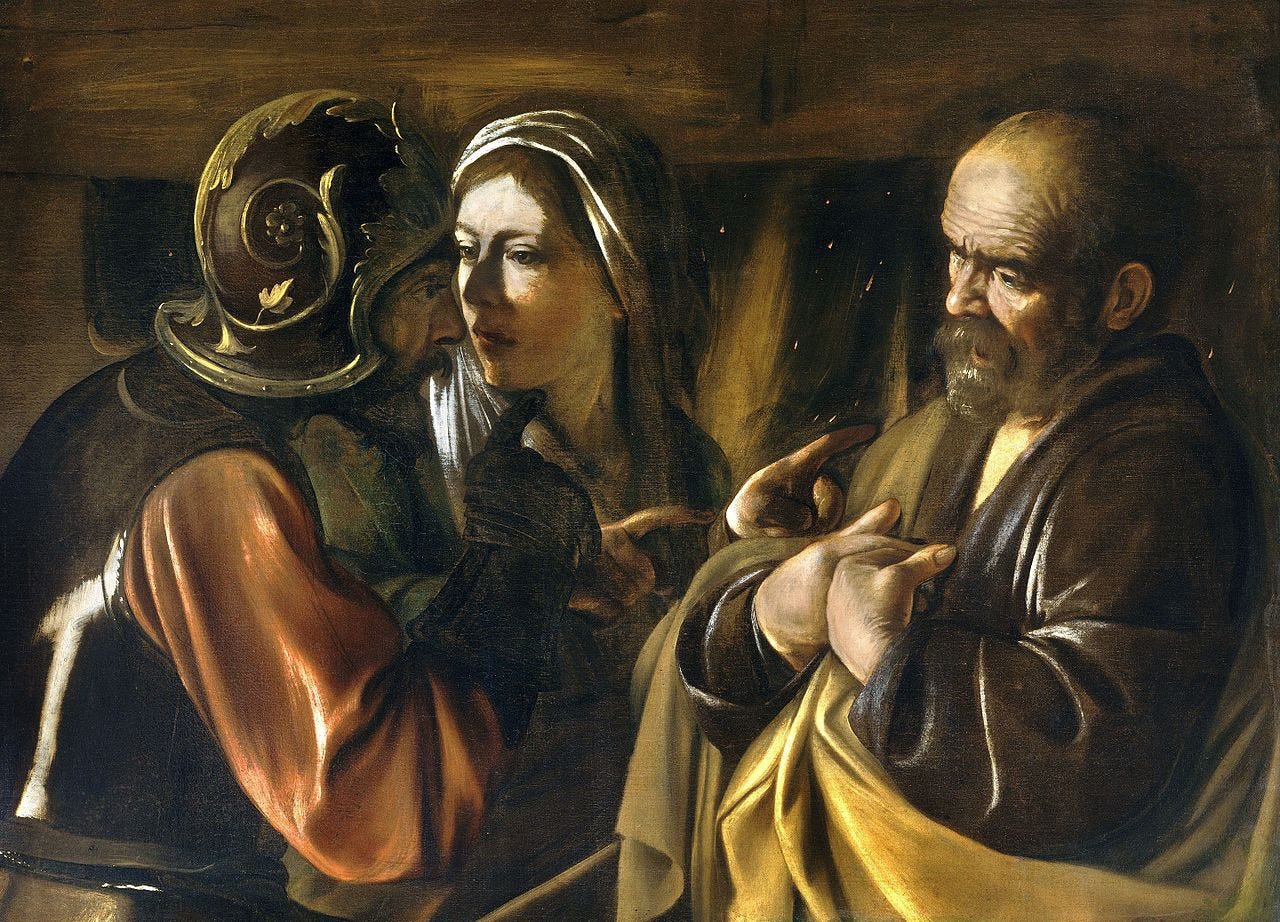
For a man who painted so many violent deaths, his own is a genuine unsolved case.
This is what we know, and what we may never know.
Keep learning art the fun way


The desperate last journey
By the summer of 1610 Caravaggio was exhausted and hunted.
He had been ambushed outside a tavern in Naples not long before, his face slashed so badly that rumors of his death already circulated. Still, a pardon from Rome finally looked possible, thanks to powerful friends working on his behalf.
So he gathered a few late paintings, including a Saint John the Baptist, the gifts that might buy back his freedom, and boarded a boat heading north along the coast toward Rome.
The mix up at the coast
What happened next reads like bad luck stacked on bad luck.
At a stop along the way he was detained, possibly a case of mistaken identity, and held for a couple of days. By the time he was released, the boat had sailed on without him, carrying his precious paintings.
Frantic to recover them, he set off along the shore on foot in the July heat, and reached Porto Ercole sick and burning with fever. He collapsed and died there within days.
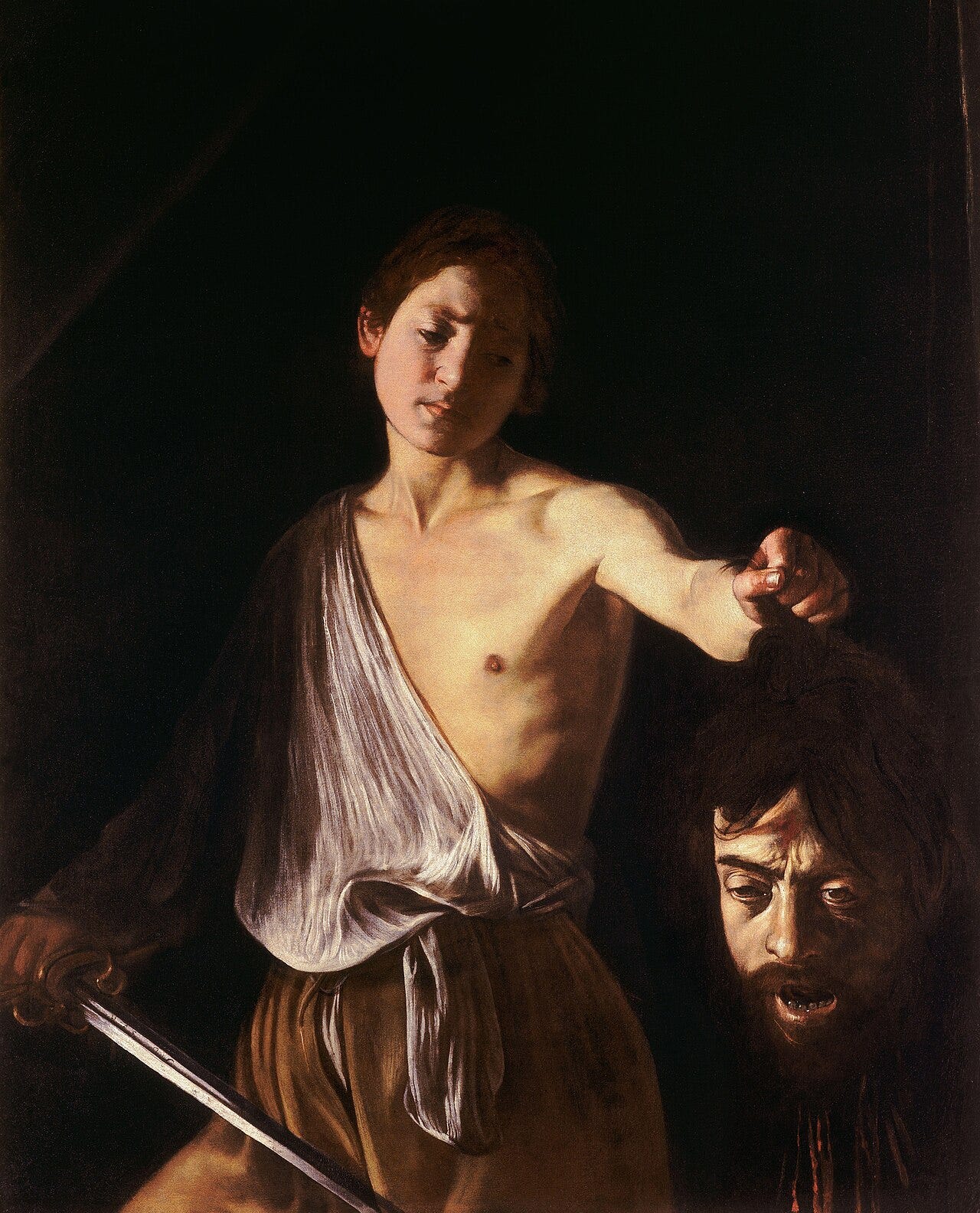
Theory one: fever and infection
The oldest account is the simplest. He died of a fever.
In the heat, weakened and possibly carrying an infection from the deep wounds to his face, his body gave out. Malaria, sepsis from the cuts, or both, would all fit a man dying fast and alone on the coast.
For most of history, this was the accepted story.
Theory two: the lead in his paint
In 2010 researchers studied bones believed to be his, found in a Porto Ercole crypt.
They reported high levels of lead. Caravaggio worked all day with lead based pigments, and lead poisoning can bring violent mood swings, weakness and eventually death.
It would not have killed him alone, but it may have wrecked his health and even fed the rages that ran his life.
The bones are not certainly his. But the finding gave the old fever story a darker new layer.
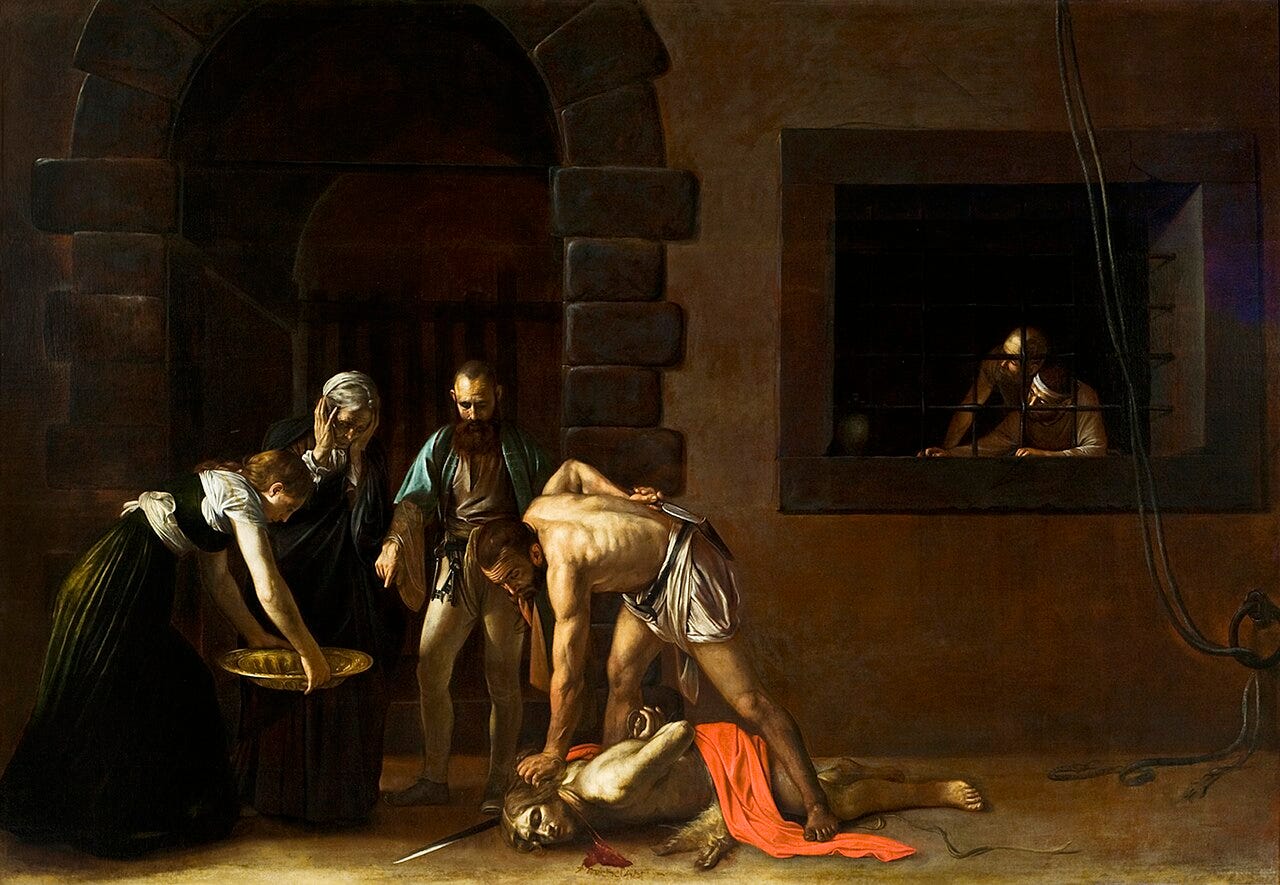
Theory three: he was murdered
Caravaggio had no shortage of enemies who wanted him dead.
The Knights of Malta had expelled him and may have wanted revenge for his escape. The family of Ranuccio Tomassoni, the man he had killed, still had cause to hunt him.
Some historians argue the convenient ambush and the lonely death look less like illness and more like a hit finally landing.
There is no proof. But for a man with a price on his head, murder cannot be ruled out.
The body that vanished
The strangest part is that there is no grave to visit.
He was buried fast and poorly, and the exact spot was lost.
In 2010 a team tried to find him. They combed church burial records, dug in a crypt at Porto Ercole, then used carbon dating and compared DNA with living men named Merisi from his home region.
The result was only a probability, never a certainty. The most influential painter in Europe slipped out of the world almost without a trace.
What we can and cannot prove
Settled: he died at Porto Ercole in July 1610, aged 38.
Disputed: the cause, with fever, lead poisoning and murder all still on the table.
Unknown: even his body, never securely identified, so the bones remain a guess.
More secrets to unlock


What the record settles, and what it cannot
How did Caravaggio die? Of a fever at Porto Ercole in July 1610, aged 38, though the exact cause is disputed.
Where did Caravaggio die? At Porto Ercole, on the Tuscan coast, far from Rome.
Was Caravaggio murdered? Possibly. He had powerful enemies, but there is no proof, and fever remains the leading explanation.
Did lead poisoning kill him? A 2010 study found high lead in bones thought to be his, which may have damaged his health.
Did he ever get his pardon? It may have been granted around the time he died, perhaps too late for him to ever know.
I follow the whole life that led to this beach in Caravaggio: The Complete Story, from the killing that started the running to the self-portrait as a severed Goliath he carried as a plea.
I get into the darkest Caravaggio mystery in the mafia and the missing Caravaggio.
