
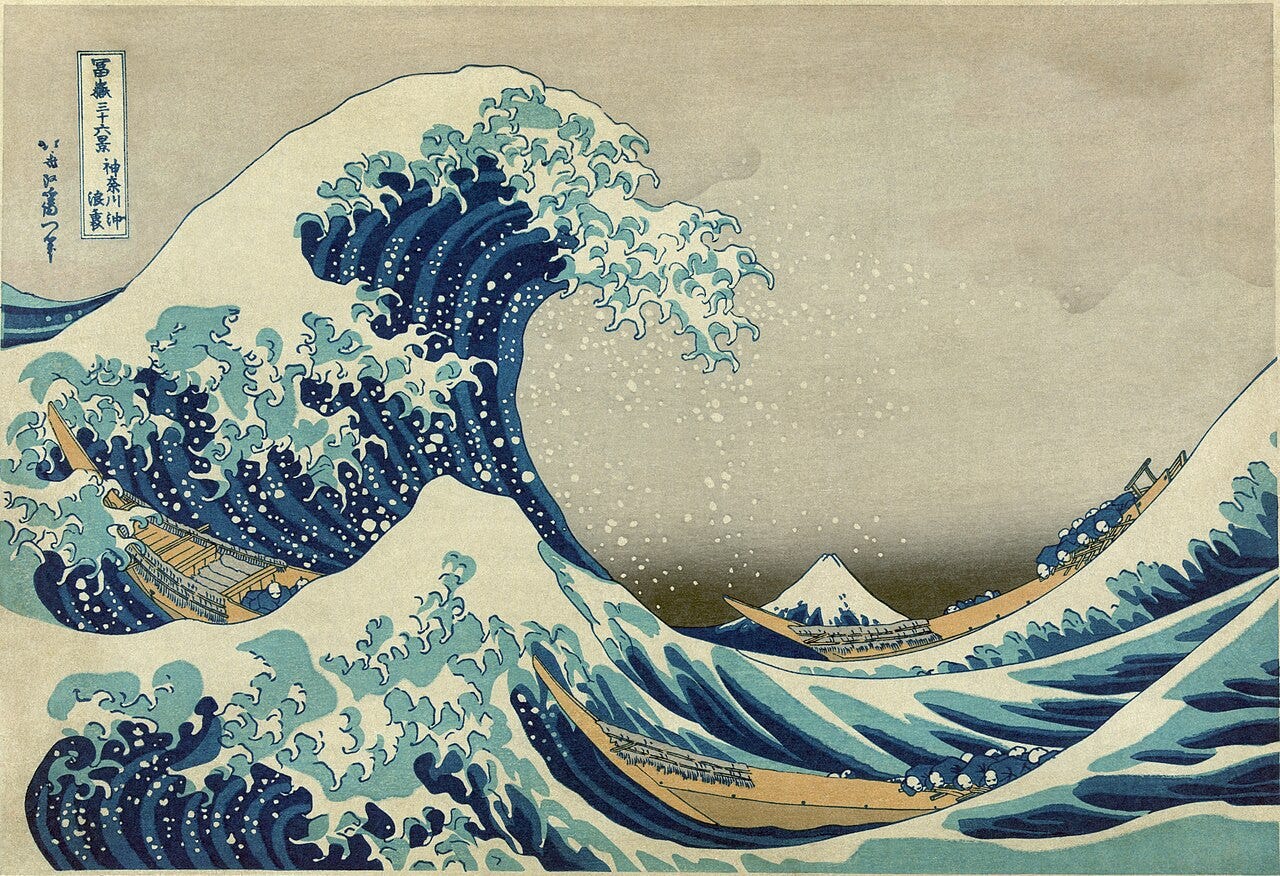
Hokusai was a Japanese artist who changed his name at least thirty times, moved house more than ninety times, and made around thirty thousand images before he died at eighty eight, still asking for five more years to get better.
Keep learning art the fun way


Most people know one wave. The man behind it is stranger and far more interesting than that single print.
He changed his name about thirty times
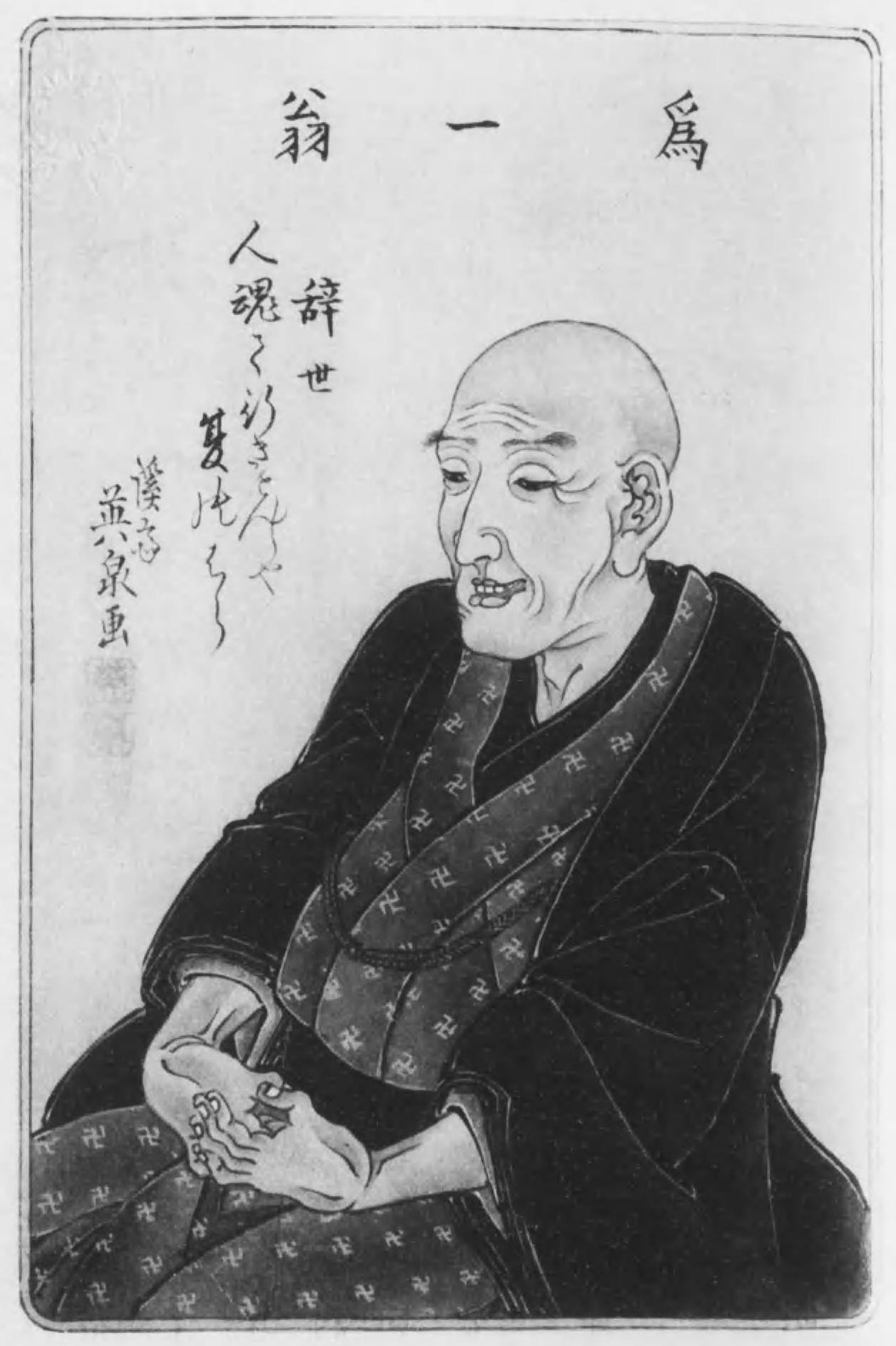
Every time his style shifted, he took a new artist name and often sold the old one to a student. Hokusai is just the one that stuck. Late in life he signed himself Gakyo Rojin, the old man mad about painting.
His daughter painted beside him
His daughter Katsushika Oei was a skilled artist in her own right. She lived with him, ran the studio, and worked on pieces that carry his name, especially the night scenes and their handling of light.
The Great Wave was part of a series
The wave belongs to a set called Thirty Six Views of Mount Fuji. Hokusai was around seventy when he made it. The deep blue came from imported Prussian blue, a new pigment that let him push that color harder than older Japanese prints could. The wave stands alongside a dozen other must know Japanese paintings.
He shaped Western art
French and Dutch artists collected his prints by the crate. Monet, Van Gogh and Degas all studied them. The taste even got a name, Japonisme. His Manga, by the way, are sketchbooks, not modern comics.
More secrets to unlock


Name, daughter, and that one wave
When did he die? In 1849, at eighty eight or eighty nine.
Did he marry his daughter? No. Oei was his daughter and studio partner, which is where the confusion starts.
What is he famous for? The Great Wave off Kanagawa.
Where can I see his work? The Sumida Hokusai Museum in Tokyo.
I lay out the whole life behind the wave in the full Hokusai story, and the woodcut process that made his prints possible.
His home district finally answered in 2016, when the Sumida Hokusai Museum opened in the Tokyo neighbourhood where he spent most of his ninety three addresses. I go deep on his most famous print in the true story behind Hokusai's Great Wave.
The woodblock tradition Hokusai helped popularize did not end with him. Nearly a century later, Kawase Hasui rebuilt his own carved blocks after an earthquake destroyed them, and kept the medium going into the twentieth century.
