
Katsushika Hokusai (1760 to 1849) was a Japanese woodblock print designer and painter from Edo, the city now called Tokyo.
He is known above all for The Great Wave off Kanagawa, published around 1831, the best known image in Japanese art. He worked for about seventy years under at least thirty names and was still painting in his ninetieth year.
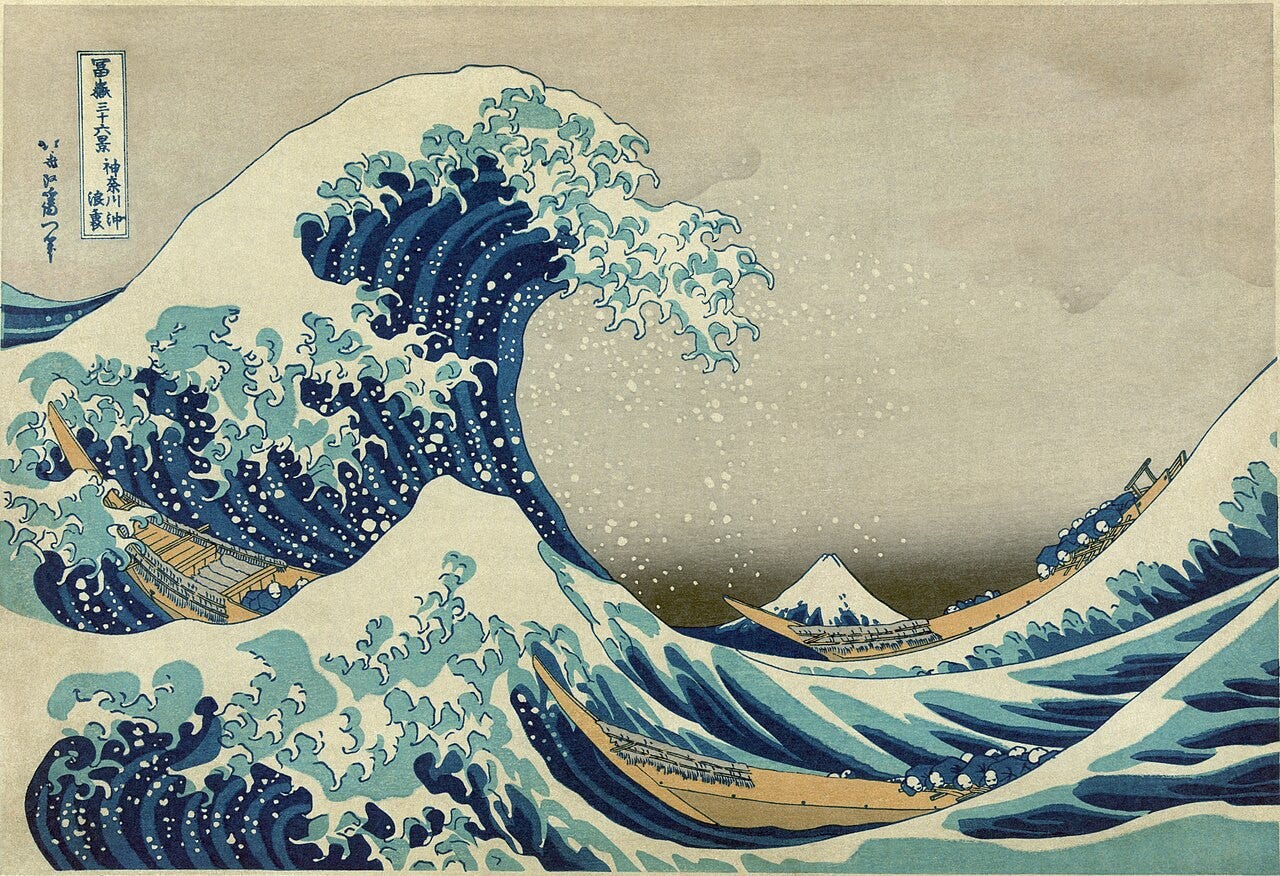
The wave came late. Hokusai drew it in his seventies, and even then he wrote that his real work was still ahead of him.
Cool Stories About Art is a newsletter to learn art the fun way.
Join 200,000+ readers and get:
10 new art stories / month
The entire archive of content (140+ articles)
Comment, ask questions, and chat with other readers
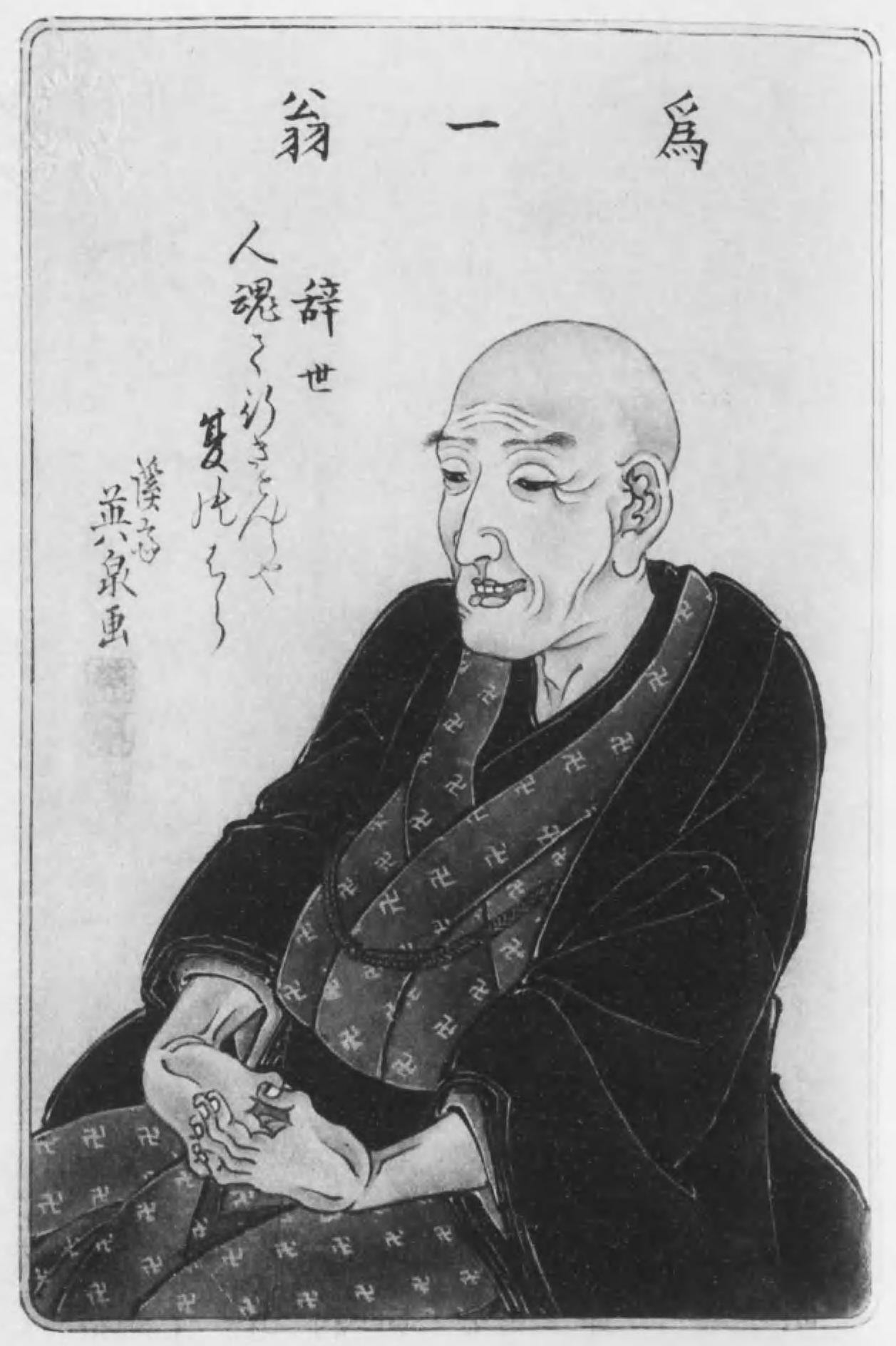
At about the age of three, Hokusai was adopted into the household of a mirror polisher, and no record says why. In his early teens he was apprenticed to a block cutter, one of the craftsmen who carved the woodblocks that printed every picture sold in Edo.
From carving other artists' designs, he moved on to drawing his own. In 1777, at nineteen, he entered the studio of Katsukawa Shunshō, a leading designer of prints of kabuki actors. Kabuki is a Japanese theater that mixes drama and dance.
A year later his first prints appeared under the name Shunrō. It was his first signature but not his first name, since he had been born Tokitarō.
That apprenticeship ended abruptly in 1793. When he left the Katsukawa studio that year, he had no master and no school behind him.
Expelled from the Katsukawa studio
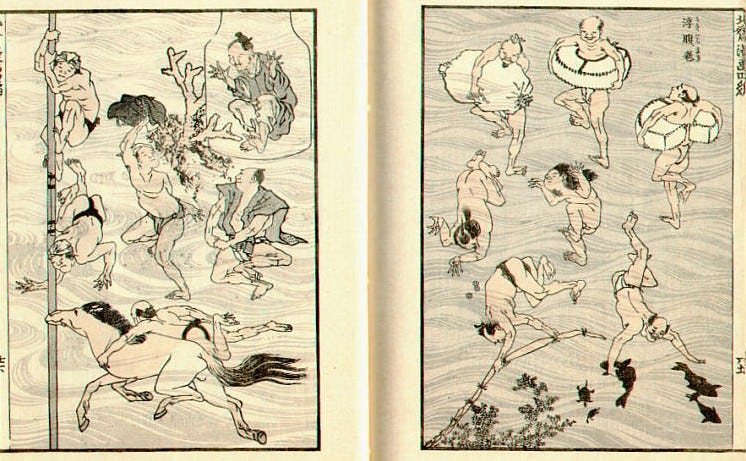
Shortly after the death of his teacher Shunshō, Hokusai was expelled from the studio…
What You'll Discover
How he came to leave the Katsukawa studio.
How many names he went through.
What manga first meant.
Why he kept drawing one mountain.
Who stood beside him at the end.
What he asked for on his deathbed.