
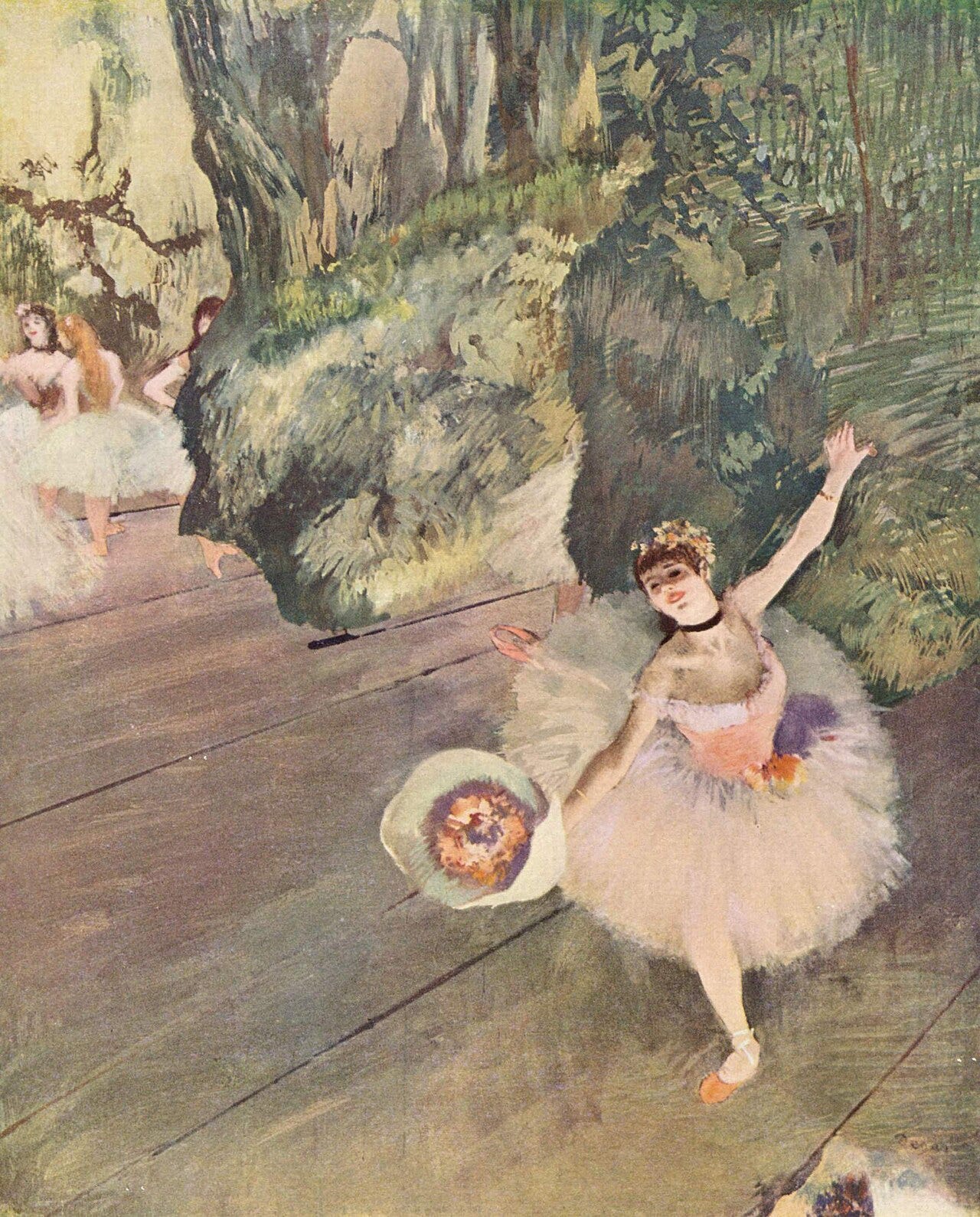
Pastel is pure powdered pigment pressed into a stick, used dry, straight on the paper. With almost nothing between the color and your eye, it gives the most direct, velvety, intense color in art, and also the most fragile.
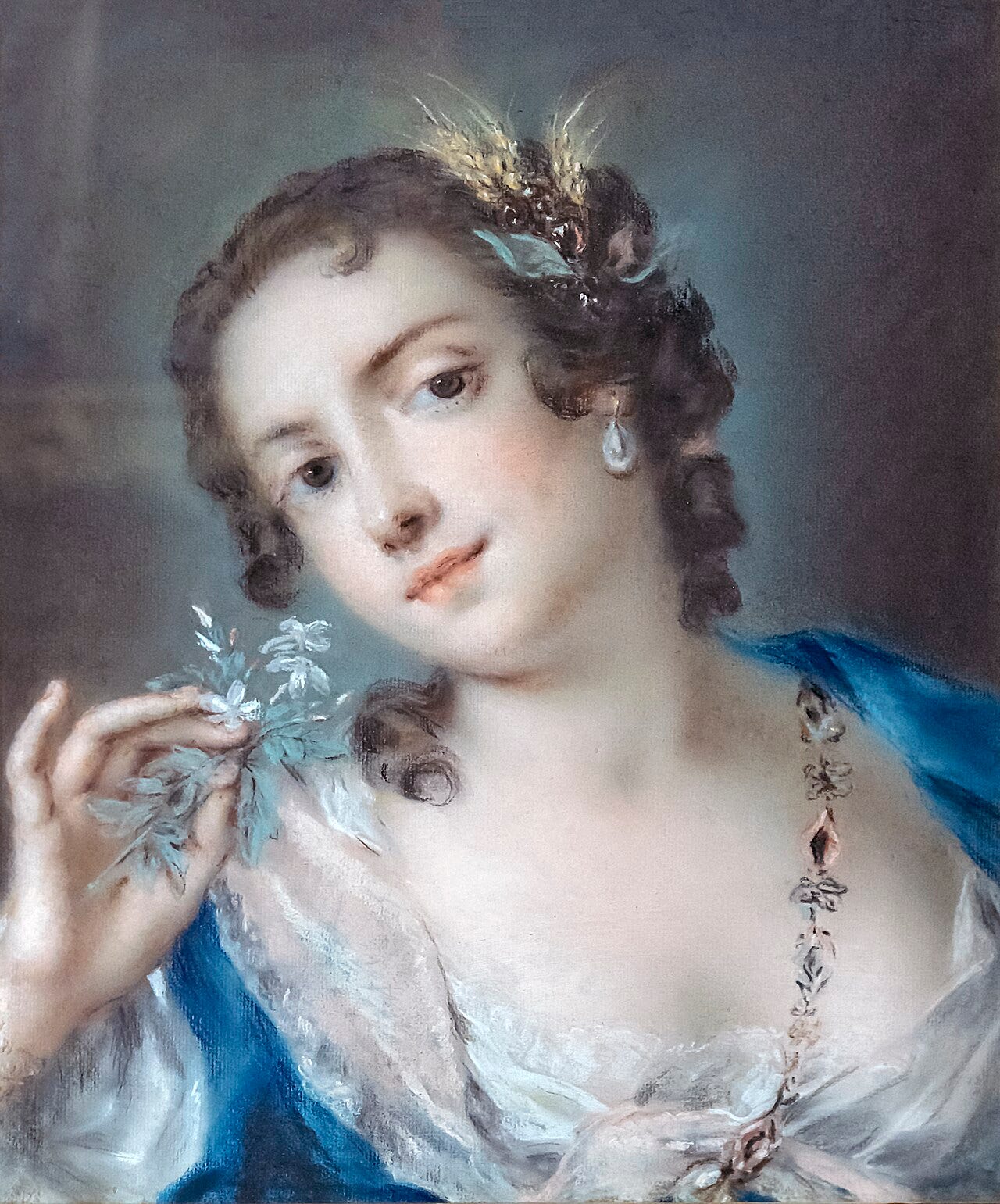
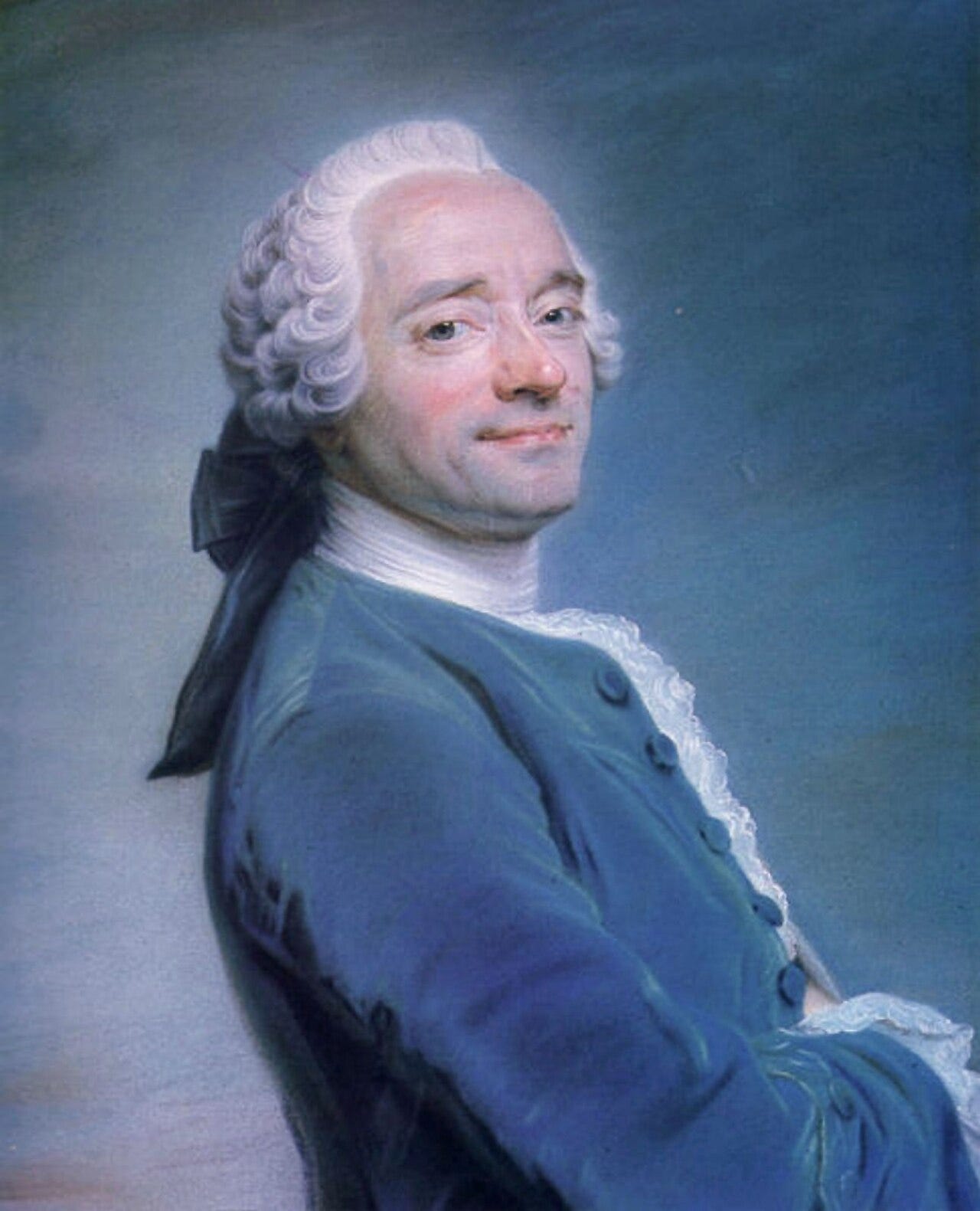
In the 1700s pastel portraits were the height of fashion, made famous by Rosalba Carriera and Quentin de La Tour.
The catch is fragility: the powder only sits on the surface, so a knock or a careless touch can smudge a face away.
What makes pastel pastel
What it is: pure pigment in a stick, applied dry.
The feel: soft, matte, richly colored, blended with the fingers.
The catch: extremely fragile, the powder just sits on the surface.
The masters: Rosalba Carriera, Maurice Quentin de La Tour, and above all Degas.
The confusion: the medium named the pale colors, but real pastel can blaze.
Keep learning art the fun way


Color with almost nothing in the way
Most color in art is mixed into something: oil, egg, gum, wax. Pastel skips nearly all of that.
A pastel stick is mostly raw pigment with the barest binder to hold its shape. Drawn across paper, it leaves pure pigment sitting on the surface, which the artist blends with a finger or a stump.
Because so little stands between the pigment and the light, the color is unusually rich and soft, almost glowing.
That directness is the whole appeal, and the reason I can never walk past a good pastel. It is the closest thing to drawing in pure color.
Fragile by nature
That same directness makes pastel delicate.
The powder is barely attached. It cannot be varnished like an oil. A knock, a rub, even a strong breath can disturb it. Pastels are sprayed with a light fixative and kept under glass, and even then they are handled like glass themselves.
A pastel is color caught in mid air and asked to hold still.
The age of the pastel portrait
Pastel had its first golden age in the 1700s.
The Venetian Rosalba Carriera carried pastel across Europe and made the pastel portrait the height of fashion, flattering, soft, quick to sit for.
In France, Maurice Quentin de La Tour caught the wit of his sitters in chalk. His full length portrait of Madame de Pompadour, finished in 1755 and nearly two metres tall, is one of the largest pastels ever made.
Even Chardin, late in life, turned to pastel when his eyes could no longer manage oil.
For a while, pastel was the chic way to have your face done.
Degas and the modern pastel
Then Degas made pastel modern, and made it great.
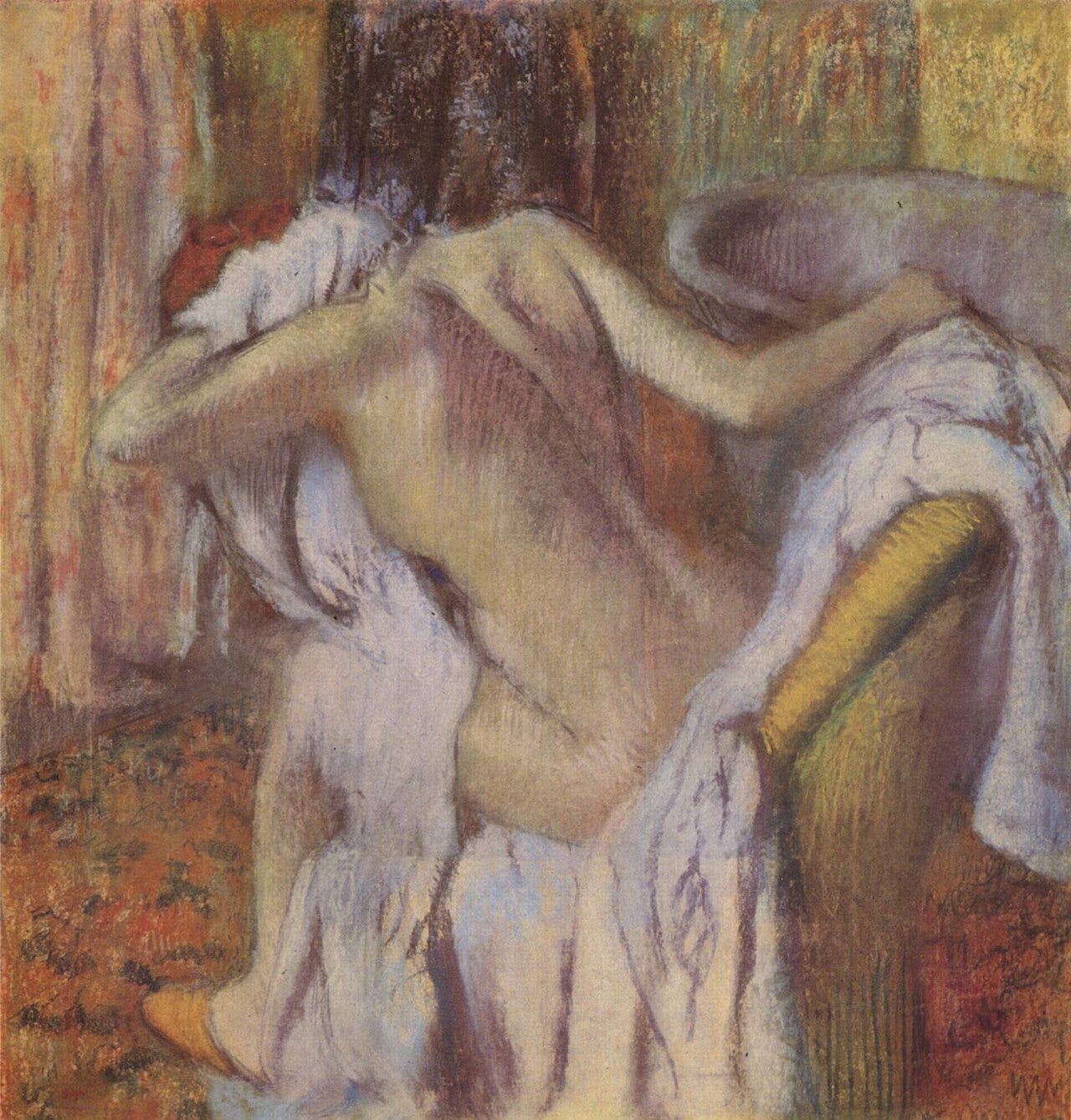
Edgar Degas built up his dancers and bathers in layer after layer of pastel, hatching color over color, sometimes steaming the surface or fixing it between layers so he could keep going.
His pastels are not soft and pretty. They are worked, alive, the loose color of Impressionism in dry pigment.
For me Degas settles the argument. He proved pastel could be as serious and searching as any oil painting.
Soft, hard and oil pastel
Not all pastels are the same. Soft pastels are mostly pigment and crumble at a touch, the kind Degas favored. Hard pastels carry more binder and hold a sharp edge, better for lines and detail.
Oil pastels are a different animal, pigment bound in oil and wax, buttery, and they do not smudge. The artist grade version was created by the Paris maker Sennelier in 1949 at Picasso's request, who wanted a color stick he could use on almost any surface.
Pastel the medium versus pastel the color
This is where the word trips people up.
In everyday speech, pastel also means pale, soft, washed out color, baby blue, mint, blush. That sense comes from the gentle look of many pastel pictures.
But the medium itself is not limited to pale tones. In the right hands its colors are saturated and even fierce, a cool flat brilliance closer to gouache than to a faded sky.
Pastel can whisper. It can also shout.
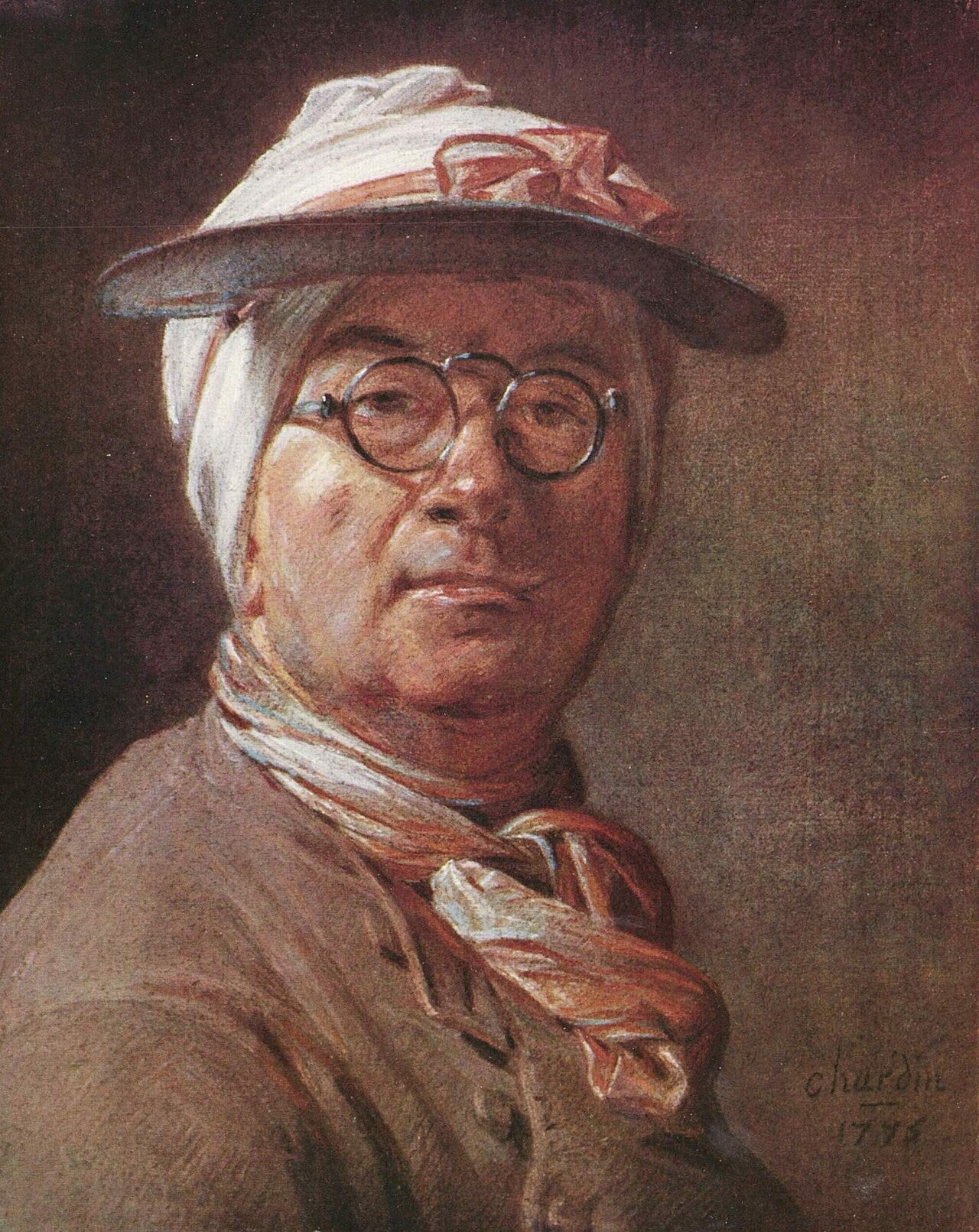
You can stand in front of both. Degas pastels glow at the Musee d’Orsay in Paris, and La Tour’s chalk faces hang in the Louvre.
Pastel, the questions that come up
What is pastel? Pure pigment pressed into a stick with minimal binder, used dry on paper.
Is pastel painting or drawing? Both and neither. It sits between them, working in pure color without a liquid.
Why is pastel so fragile? The pigment barely sticks, so it smudges and must be fixed and framed under glass.
What is the difference between soft and oil pastel? Soft pastel is dry pigment that smudges and needs glass. Oil pastel is bound in oil and wax, does not smudge, and works on many surfaces.
Who are famous pastel artists? Rosalba Carriera, Maurice Quentin de La Tour, Chardin and Edgar Degas.
Are pastels always pale? No. The pale colors took the name, but pastel pigment can be deeply saturated.
More secrets to unlock


The most fragile color in art
A Degas pastel is barely more than colored dust, held by a whisper of fixative and a pane of glass. Tilt it or breathe on it and the most glowing color in art begins to smudge toward a blur.
Pastel trades permanence for intensity. A Degas pastel of dancers can sell for tens of millions, yet it will spend the rest of its life behind glass in low light, too fragile to ever travel freely.
