
Artemisia Gentileschi, who lived from 1593 to about 1653, was the finest woman painter of the Baroque age. A master of dramatic light, she survived an assault and a public trial as a teenager, then spent her life painting biblical women who fight back.
She was the first woman admitted to the painters' academy in Florence.
Artemisia at a glance
Born in Rome in 1593, daughter of the painter Orazio Gentileschi.
Assaulted at seventeen, then tortured during the trial to test her word.
First woman accepted into the Florentine Academy of Art.
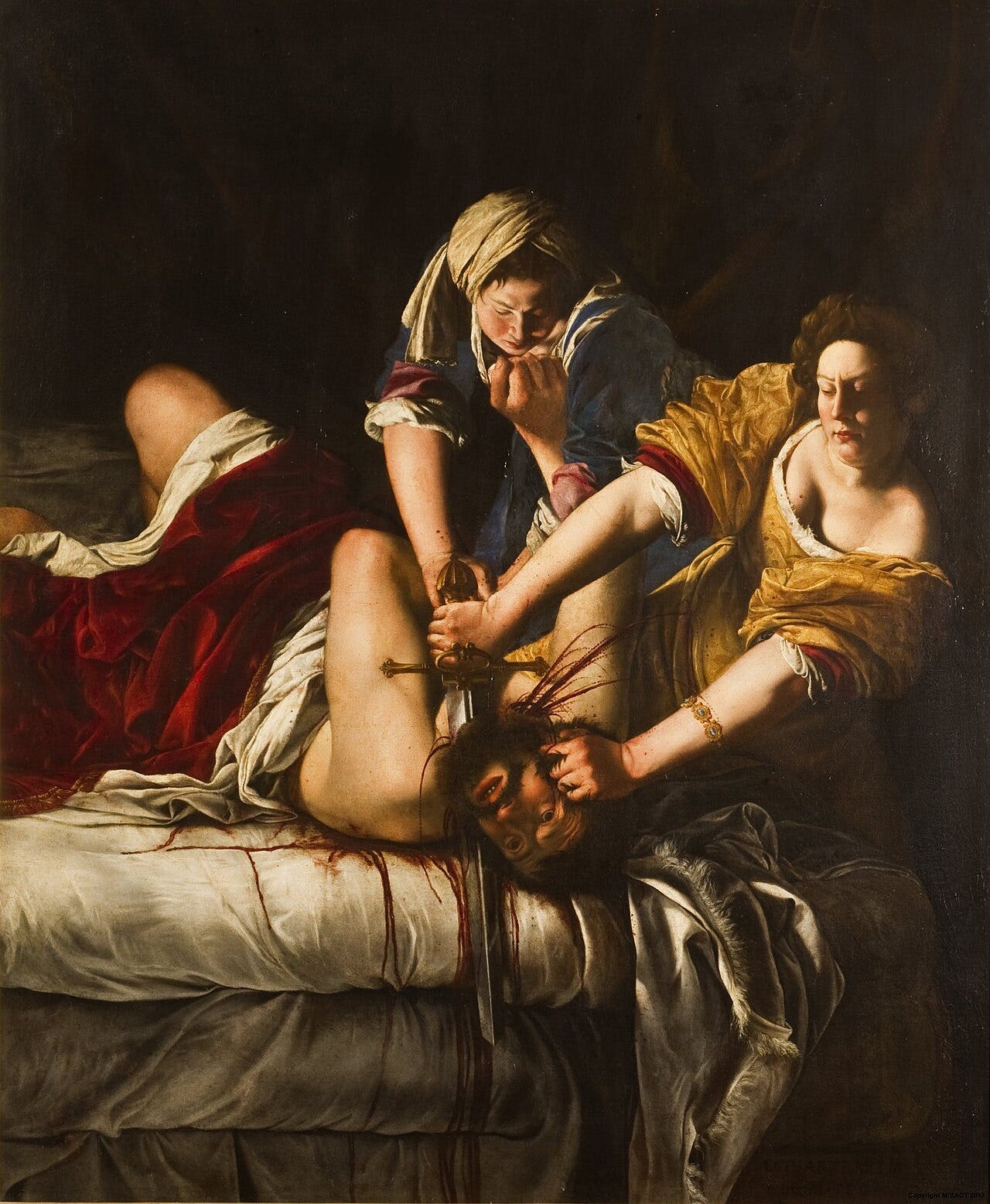
Famous for fierce heroines like Judith beheading Holofernes.
Forgotten for centuries, now seen as a giant of Baroque art.
She became the first woman admitted to Florence’s Accademia delle Arti del Disegno in 1616, a milestone shared with the other painters gathered in Famous Female Artists: 12 Who Changed Art History.
More incredible painter stories
If Artemisia Gentileschi pulled you in, you will love these too:


Born into a painter's workshop
Artemisia was born in Rome in 1593. Her mother died when she was twelve, and she grew up in the workshop of her father, the painter Orazio Gentileschi.
Women were barred from art academies, so the workshop was her only school. She learned fast, and by her late teens she was already better than most men her father employed.
The assault and the trial that followed
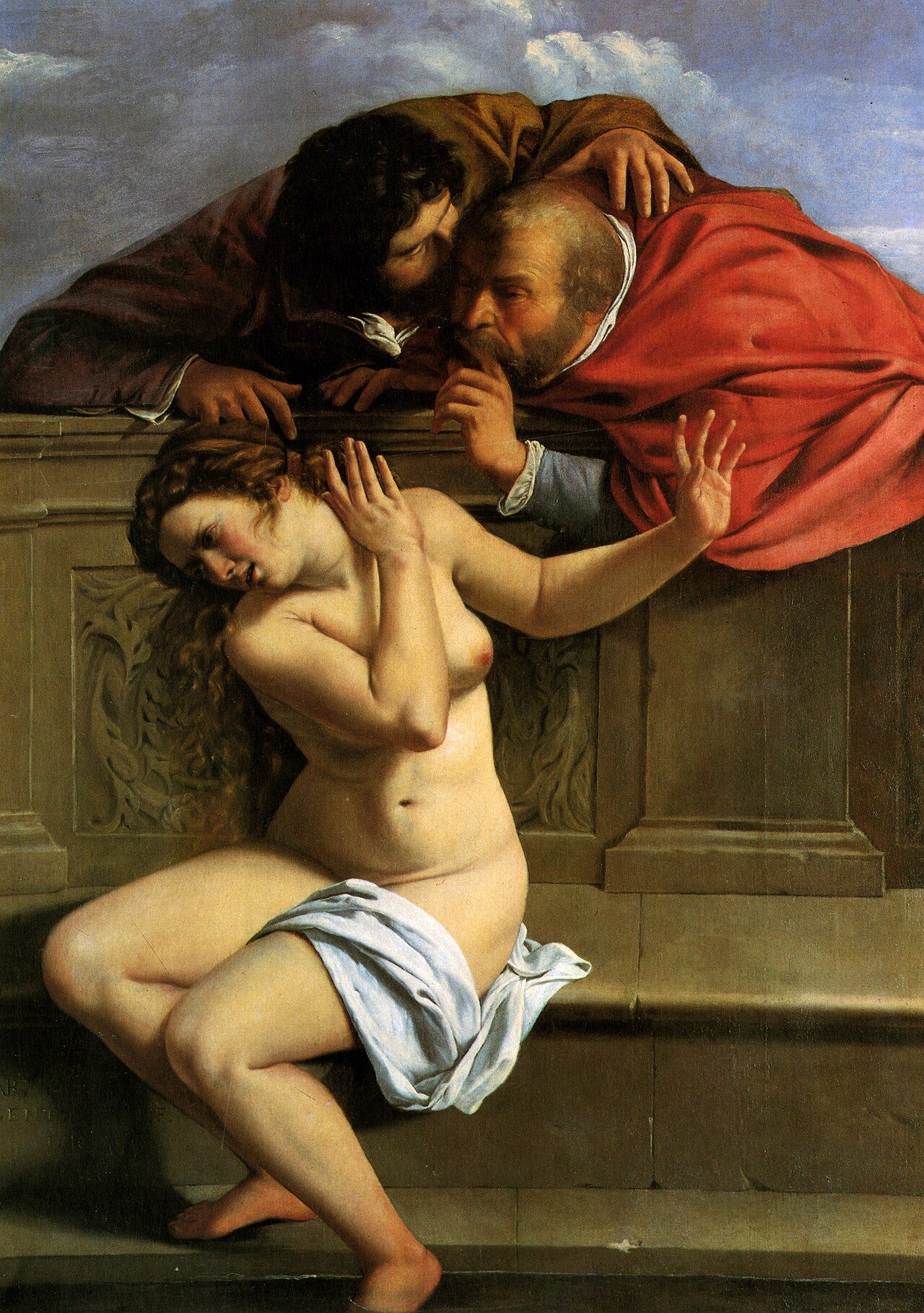
In 1611 a painter named Agostino Tassi, hired to teach her perspective, raped her. The next year her father brought the case to court, partly over the broken promise of marriage that was meant to follow.
During the trial Artemisia was questioned with thumbscrews tightened on her hands, a method meant to prove she was telling the truth. She held to her account through the pain. Tassi was found guilty and barely punished.
She lived through it at nineteen and went straight back to work. The experience shadows how people read her art, though she was far more than her worst year.
She painted women who fight back
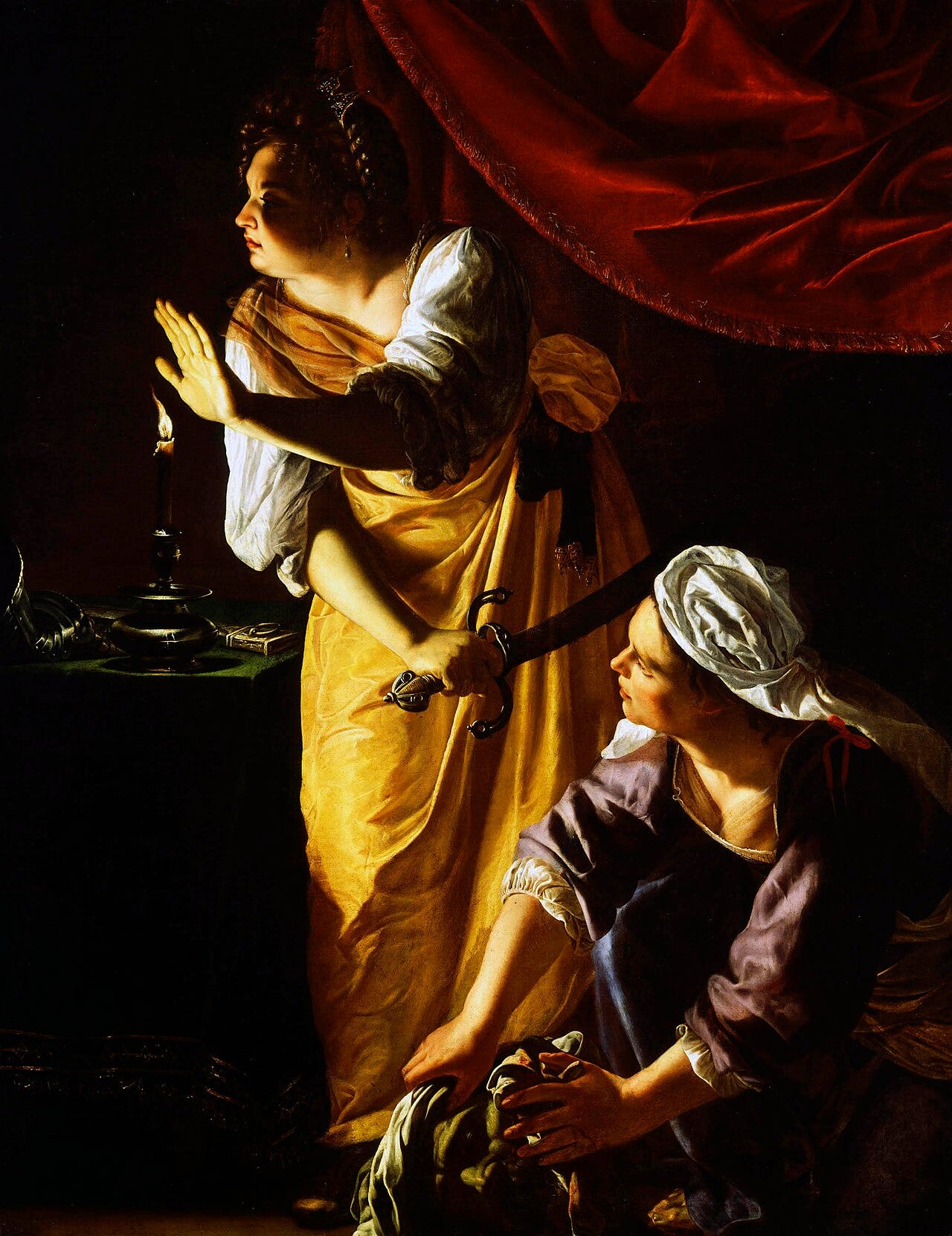
Her most famous picture shows Judith beheading the general Holofernes, two women pinning him down and cutting with full force. It is one of the most physical, unsentimental versions of the scene ever painted.
She worked in the style of Caravaggio, all deep shadow and harsh light, what we call tenebrism and chiaroscuro. Her father moved in Caravaggio's world, and she pushed that drama further.
The first woman in the academy
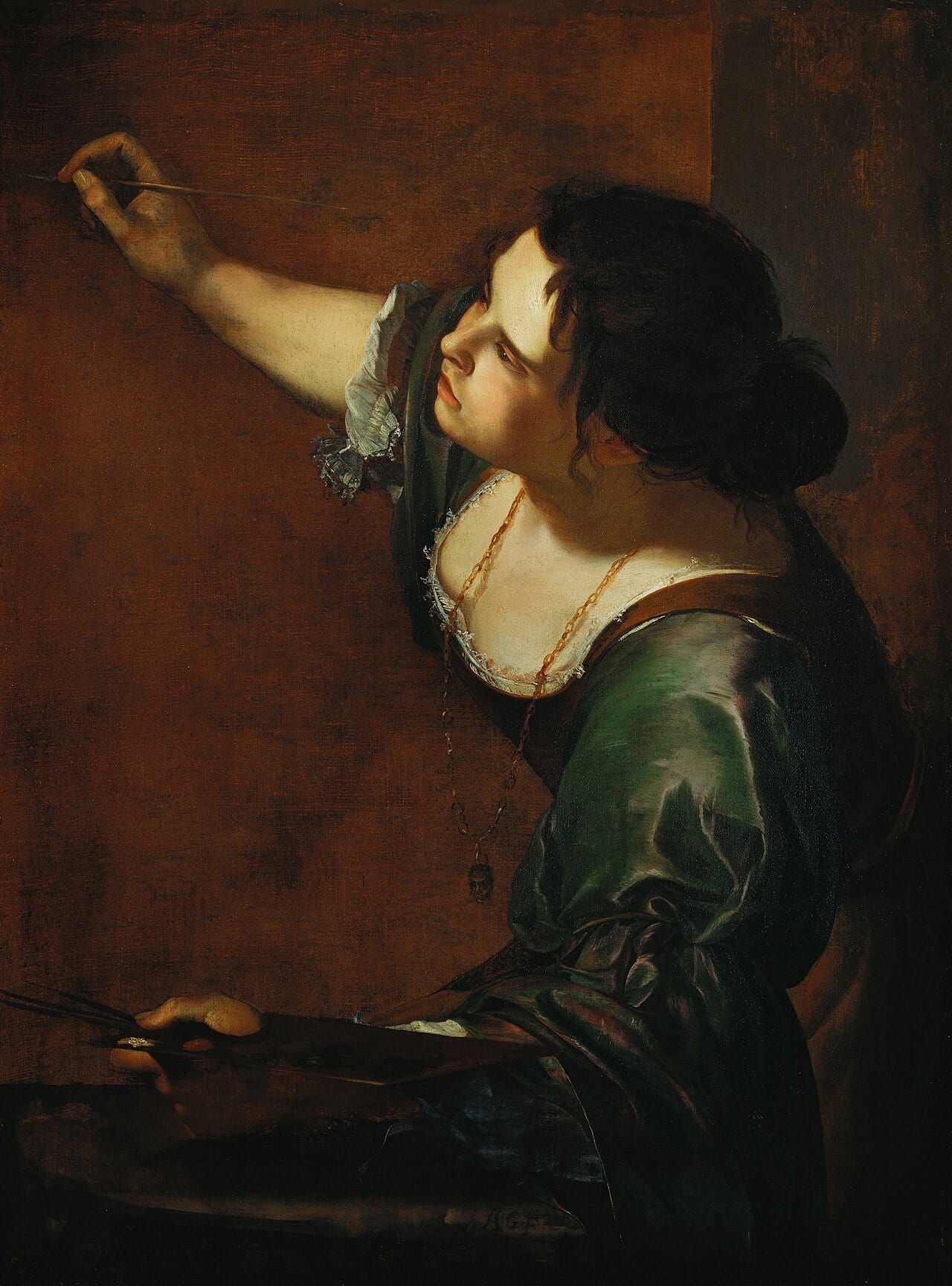
Married off and moved to Florence, she became, in 1616, the first woman admitted to the Accademia delle Arti del Disegno, the city's official academy of art.
In Florence she ran her own studio, won Medici patrons, and counted Galileo among her contacts. She signed her letters and her paintings as a professional, not a curiosity.
A career across half of Europe
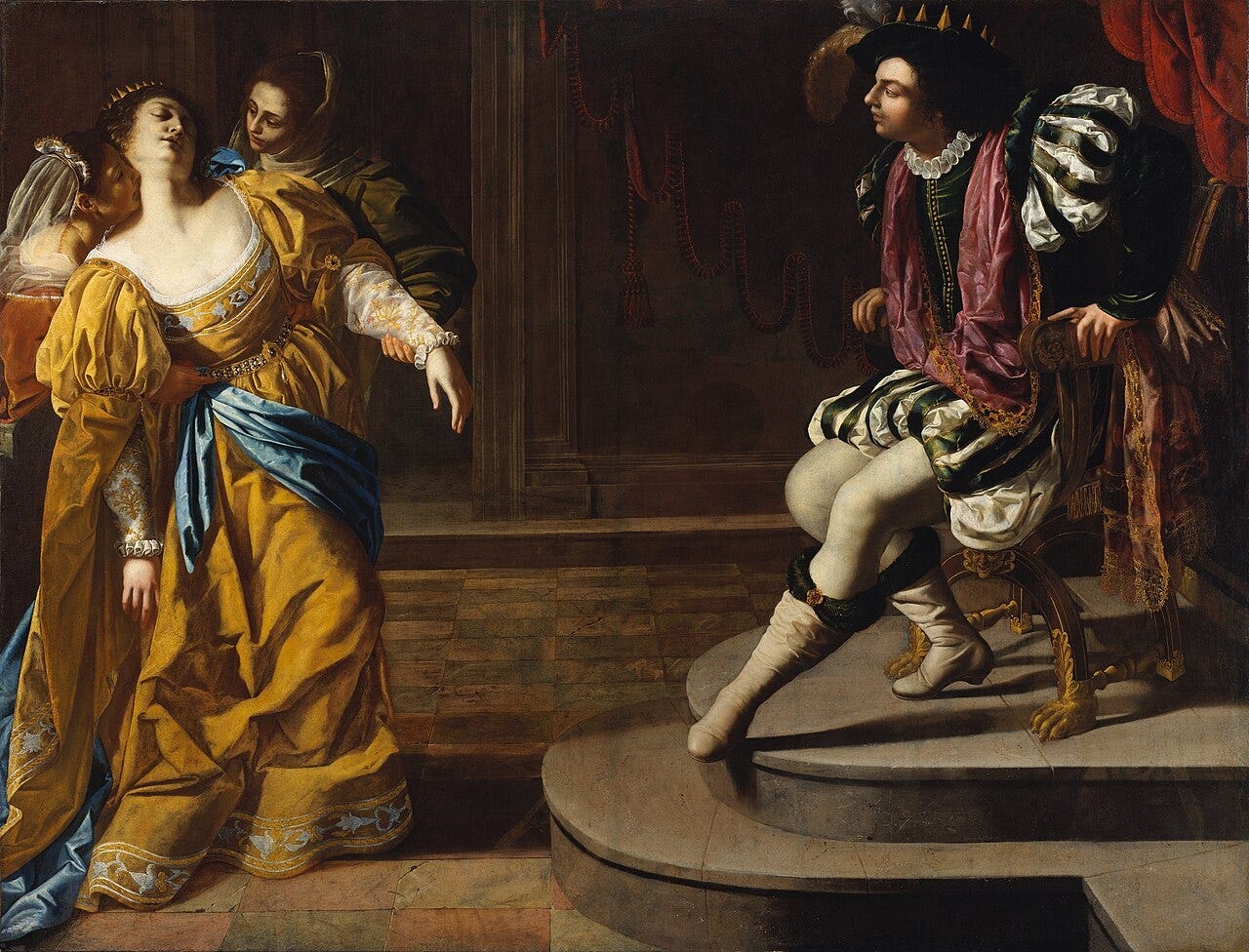
She worked in Rome, Florence, Venice and Naples, and even traveled to London to paint for the English court alongside her father. Few Baroque painters, male or female, were so widely sought.
Most of her work was history painting, the grandest and most respected category of the age, and a field almost entirely closed to women.
Forgotten, then found again
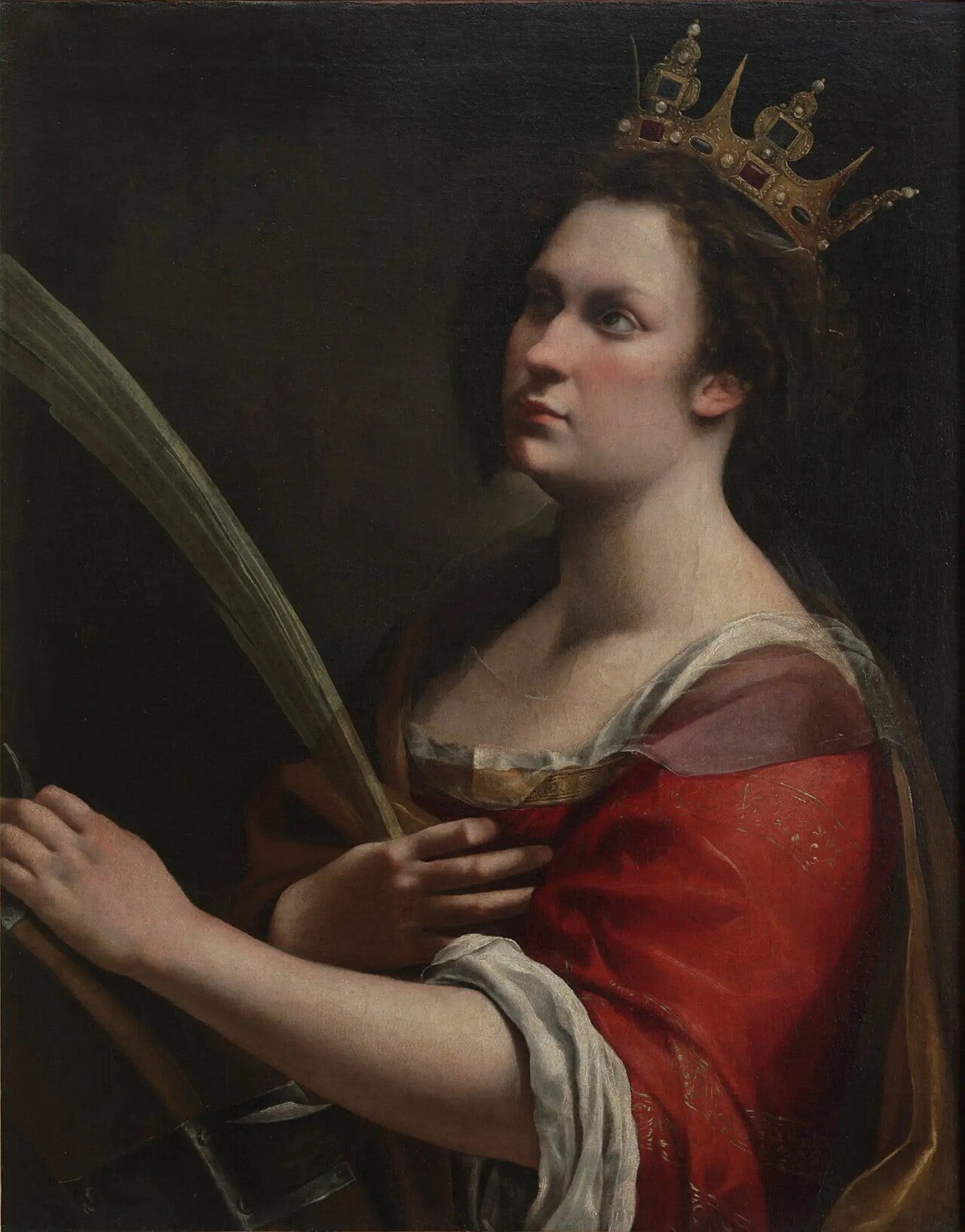
After her death around 1653 in Naples she slipped out of the story for centuries, dismissed as a footnote to her father. The twentieth century brought her back.
Today she is one of the most studied artists of her era. You can read about her and her overlooked peers in The Old Masters Were Women Too and 10 Women Artists You Need to Know.
The Artemisia Gentileschi questions that keep coming up
Who was Artemisia Gentileschi?
An Italian Baroque painter, the most celebrated woman artist of the 1600s.
When and where was she born?
In Rome in 1593.
How did she die?
She died around 1653 in Naples. The exact cause is not recorded.
What is she most famous for?
Her powerful versions of Judith beheading Holofernes, and for being a rare woman master of the Baroque.
What happened at her trial?
She testified that Tassi had raped her, and was tortured to test her word. He was convicted but served little punishment.
Was the Judith painting about her own life?
Many people connect its fury to her assault. Historians urge caution, since she painted many subjects, but the link is hard to ignore.
Where can you see her work?
In major museums including the Uffizi in Florence, Naples, and the National Gallery in London.
More secrets to unlock


One number, four centuries later
In 2018 the National Gallery in London paid around 3.6 million pounds for a self portrait by Artemisia, the first work by her to enter the collection.
Four hundred years after she was shut out of art school for being a woman, a nation bought her face for the wall.
More on her life and legend in interesting facts about Artemisia Gentileschi.
Decades before Gentileschi picked up a brush, Sofonisba Anguissola had already broken into the royal courts of Renaissance Europe as a working painter.